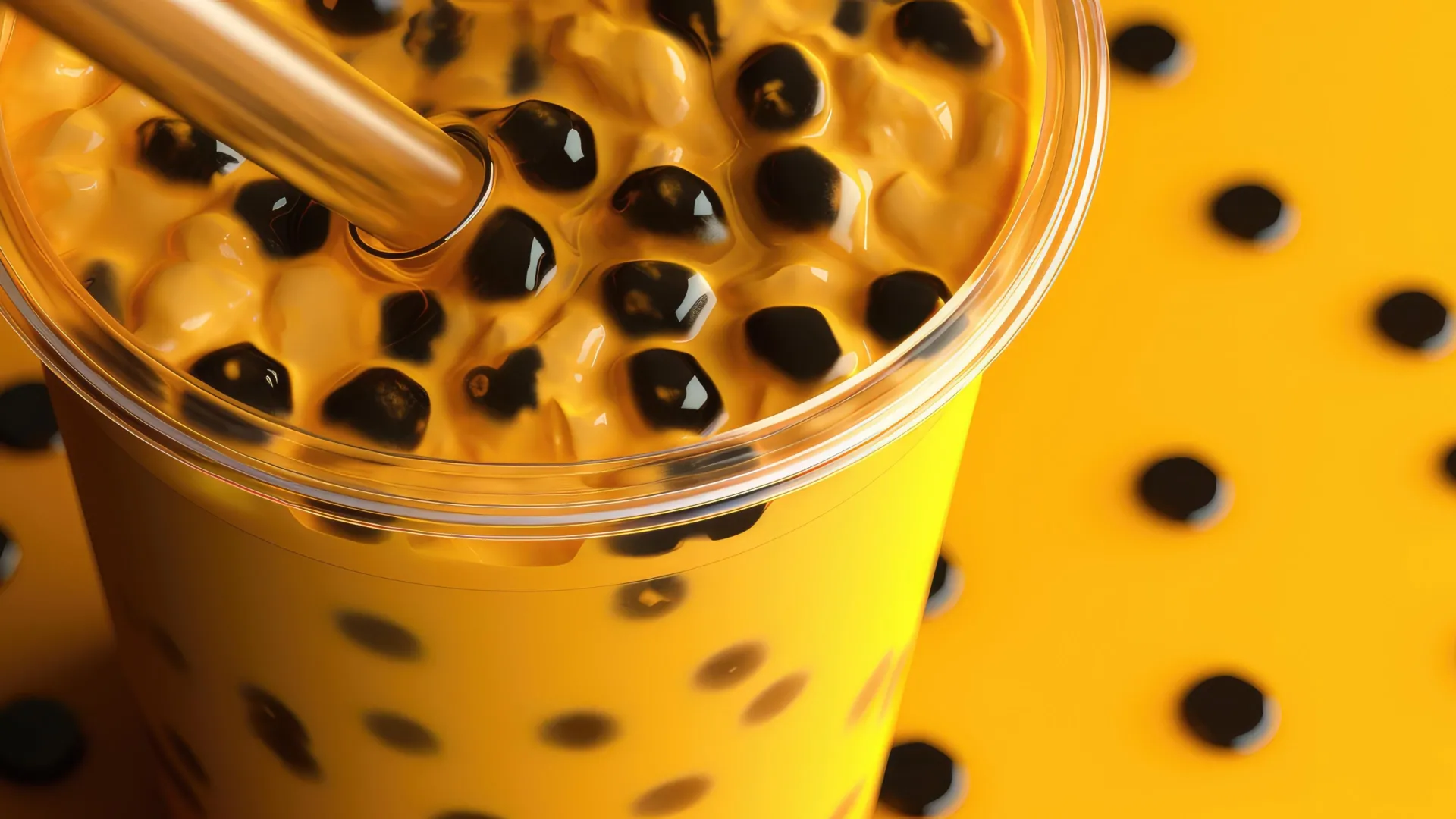
The vibrant, often Instagrammable phenomenon of bubble tea has transformed beverage landscapes worldwide, cementing its status as a cultural touchstone from its Taiwanese origins in the 1980s to bustling high streets across the United Kingdom and beyond. This distinctive drink, traditionally a blend of black tea, milk, sugar, and the signature chewy tapioca pearls, captivates a broad demographic with its endless flavor combinations and unique texture. However, beneath its appealing facade, a growing body of scientific inquiry and anecdotal evidence is prompting health professionals and consumers alike to scrutinize the potential downsides associated with its widespread and often frequent consumption. This comprehensive exploration delves into the various health considerations linked to bubble tea, from ingredient contamination to metabolic and even mental health impacts, providing a nuanced perspective on this beloved beverage.
One of the most immediate and concerning issues revolves around potential heavy metal contamination, particularly lead. The distinctive tapioca pearls, known as "boba," are derived from cassava starch. Cassava plants are naturally adept at absorbing elements from the soil in which they grow, including heavy metals like lead. This inherent botanical characteristic means that if the soil is contaminated, these harmful substances can be sequestered within the plant’s roots and subsequently processed into the final product. Investigations, such as those conducted by Consumer Reports in the United States, have detected elevated lead levels in certain bubble tea products, echoing prior warnings about other cassava-based foods. Lead exposure, even at low levels, poses significant health risks, particularly for children, affecting neurological development, cognitive function, and various organ systems. For adults, chronic exposure can lead to kidney damage, hypertension, and reproductive issues. The global supply chain for cassava and its derivatives is complex, making stringent quality control and regular testing imperative to safeguard public health against such insidious contaminants.
Beyond the specter of environmental pollutants, the very composition of tapioca pearls can present unique challenges to the human digestive system. These starchy spheres are remarkably dense and resistant to rapid breakdown. Consuming them in significant quantities can impede the normal rate at which the stomach emptes its contents into the small intestine, a condition medically termed gastroparesis. While often associated with diabetes, diet-induced gastroparesis can manifest as persistent nausea, bouts of vomiting, and significant abdominal discomfort, including bloating and pain. For individuals already predisposed to sluggish digestion or with pre-existing gastrointestinal conditions, these symptoms can be considerably more severe and debilitating. In exceedingly rare but documented instances, the aggregation of these undigested pearls can lead to a complete mechanical obstruction of the digestive tract, necessitating urgent medical intervention. Furthermore, many bubble tea formulations incorporate guar gum, a thickening agent. While generally recognized as safe in modest amounts, frequent and substantial intake of guar gum has been implicated in contributing to constipation, exacerbating the digestive burden placed by the tapioca pearls themselves.
A stark and immediate danger, particularly for younger demographics, is the choking hazard posed by the tapioca pearls. Their size, smooth yet chewy texture, and the common practice of consuming them through wide straws create a precarious situation. Pediatricians have long issued warnings regarding the suitability of bubble tea for young children, whose developing swallowing reflexes and smaller airways make them especially vulnerable. However, adults are not immune to this risk. Tragic incidents reported in media, such as the death of a 19-year-old woman in Singapore who aspirated pearls after a partially blocked straw created a powerful suction, underscore the severity of this hazard. Similar near-fatal incidents, averted only by swift bystander intervention employing techniques like the Heimlich maneuver, serve as potent reminders of the acute physical danger these seemingly innocuous pearls can present. The design of the wide straw, intended to facilitate pearl consumption, inadvertently amplifies this risk by encouraging rapid, unchewed ingestion.
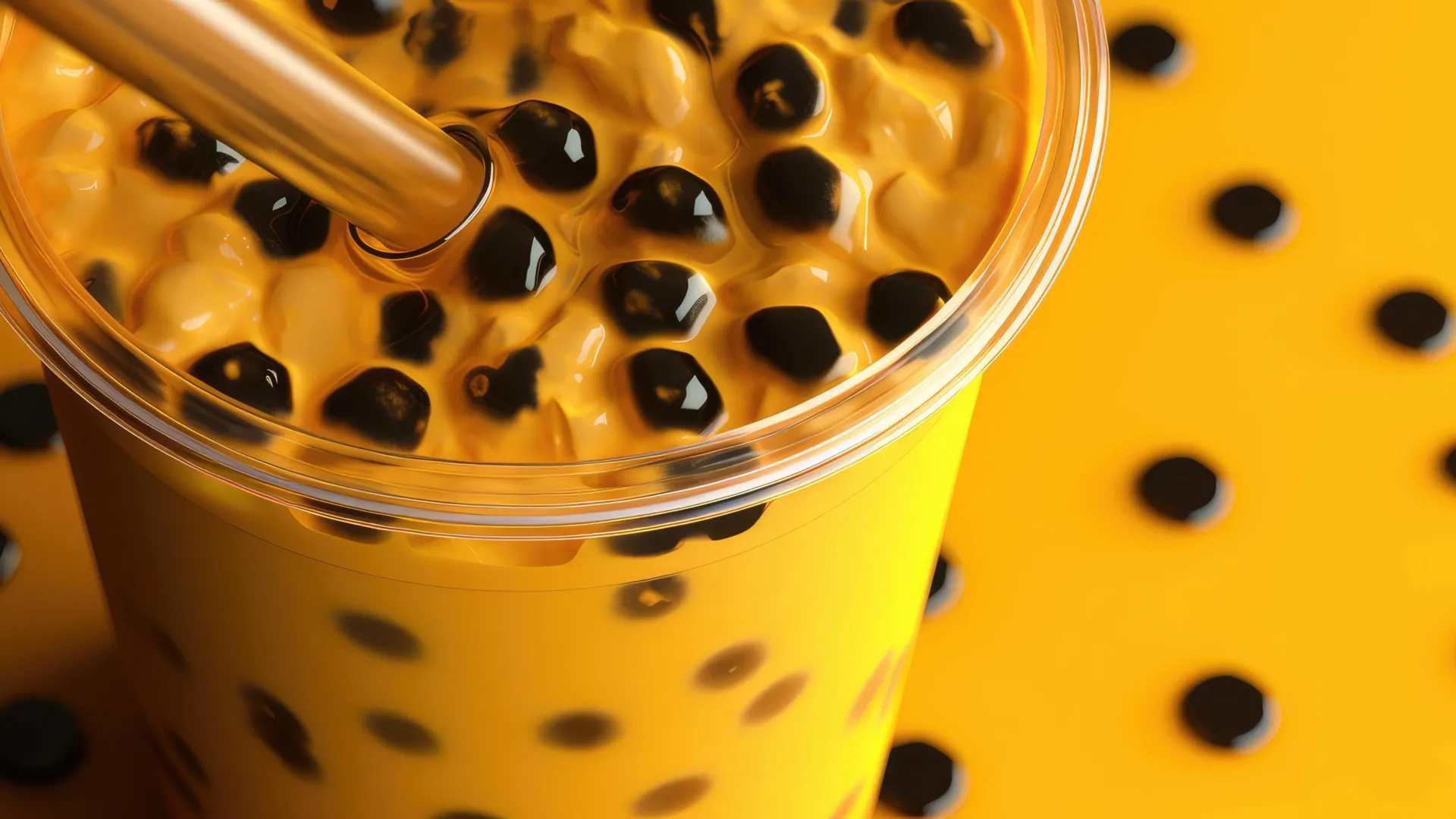
The "sweetness" of bubble tea, a significant part of its appeal, also constitutes one of its most critical health concerns: its exceptionally high sugar content. A single serving of bubble tea can easily contain between 20 and 50 grams of sugar, a quantity that frequently rivals or even surpasses the sugar load in a standard can of carbonated cola (typically around 35 grams). This caloric density, often disguised within a seemingly refreshing beverage, carries profound implications for long-term metabolic health. In children, consistent consumption has been directly linked to a heightened incidence of dental caries; research in Taiwan, for example, revealed that nine-year-olds who regularly drank bubble tea were 1.7 times more likely to develop cavities in their permanent teeth. Public health experts, particularly in regions like California experiencing rising obesity rates among young people, have identified bubble tea as a contributing factor. Many adolescents and young adults remain largely unaware of the considerable sugar and calorie intake these drinks represent. The synergistic effect of high sugar and, often, high fat (from milk and creamers) significantly elevates the risk of developing a constellation of metabolic disorders, including weight gain, obesity, insulin resistance, and eventually, type 2 diabetes. Moreover, sustained high sugar intake, mirroring the effects of other ultra-processed sugary products, is increasingly recognized as a major driver of non-alcoholic fatty liver disease (NAFLD), a condition where excess fat accumulates in the liver, potentially leading to inflammation, liver damage, and more severe liver diseases over time.
Beyond the well-documented effects of sugar, certain ingredients in bubble tea have been implicated in kidney health concerns. A striking case from Taiwan involved a 20-year-old woman from whom doctors removed over 300 kidney stones, a condition attributed, in part, to her reportedly replacing water with bubble tea as her primary fluid intake. Ingredients such as oxalate and high levels of phosphate, both present in various components of bubble tea, are known precursors to kidney stone formation. Oxalates can bind with calcium to form calcium oxalate stones, the most common type of kidney stone, while excessive phosphates can contribute to other stone types. While this particular case likely represents an extreme pattern of consumption, it highlights the importance of balanced hydration and the potential for certain dietary components to disrupt renal equilibrium when consumed excessively, especially in lieu of essential plain water.
Perhaps among the most unexpected findings are the correlations emerging between frequent bubble tea consumption and mental health outcomes. Studies conducted in China have reported higher rates of anxiety and depression among children who regularly consume bubble tea. Similar associations have been observed in adult populations; research involving Chinese nurses indicated that regular bubble tea intake was linked to increased anxiety, depression, fatigue, job burnout, and a diminished sense of overall well-being, even after controlling for various confounding variables. Intricately, the same study noted that individuals who consumed less bubble tea reported fewer thoughts of suicide, though establishing a direct causal link between bubble tea and mental health conditions remains a complex scientific challenge. These observations prompt further inquiry into potential mechanisms, which could range from the physiological effects of chronic high sugar intake on brain chemistry and inflammation, to the displacement of healthier habits or the psychological aspects of consumer behavior and social trends.
An unusual, albeit non-critical, side effect observed by medical professionals involves the appearance of tapioca pearls on patient imaging scans. Doctors treating individuals for unrelated conditions, such as car crash injuries or appendicitis, have occasionally noted clusters of these pearls within the stomach and intestines. Due to their dense composition, these pearls can appear on X-rays and other imaging modalities, resembling small stones. This phenomenon can inadvertently complicate diagnosis, as these dense formations might be mistaken for gallstones, kidney stones, or other calcifications, potentially leading to misinterpretation of scans or delays in identifying the true underlying medical issue. It serves as an interesting anecdote underscoring the physical resilience of these pearls within the digestive tract.
In light of the accumulating evidence, the intention is not to demonize bubble tea or advocate for its complete removal from menus. Rather, it is to foster an informed public discourse, encouraging consumers and manufacturers to approach this global phenomenon with greater awareness and responsibility. The collective findings suggest that bubble tea, while an enjoyable treat, should be viewed as an occasional indulgence rather than a daily dietary staple. For those who choose to partake, several strategies can mitigate potential risks: opting for reduced sugar or sugar-free versions, moderating pearl consumption, and for children, potentially cutting pearls into smaller pieces or omitting them entirely. Addressing the choking hazard directly, sipping the beverage directly from the cup instead of relying solely on the wide straw can offer more control over the intake of pearls, thereby reducing the risk of aspiration. Ultimately, integrating cultural food trends responsibly into a balanced diet, alongside adequate hydration with water, remains paramount for maintaining long-term health and well-being.
About the Author