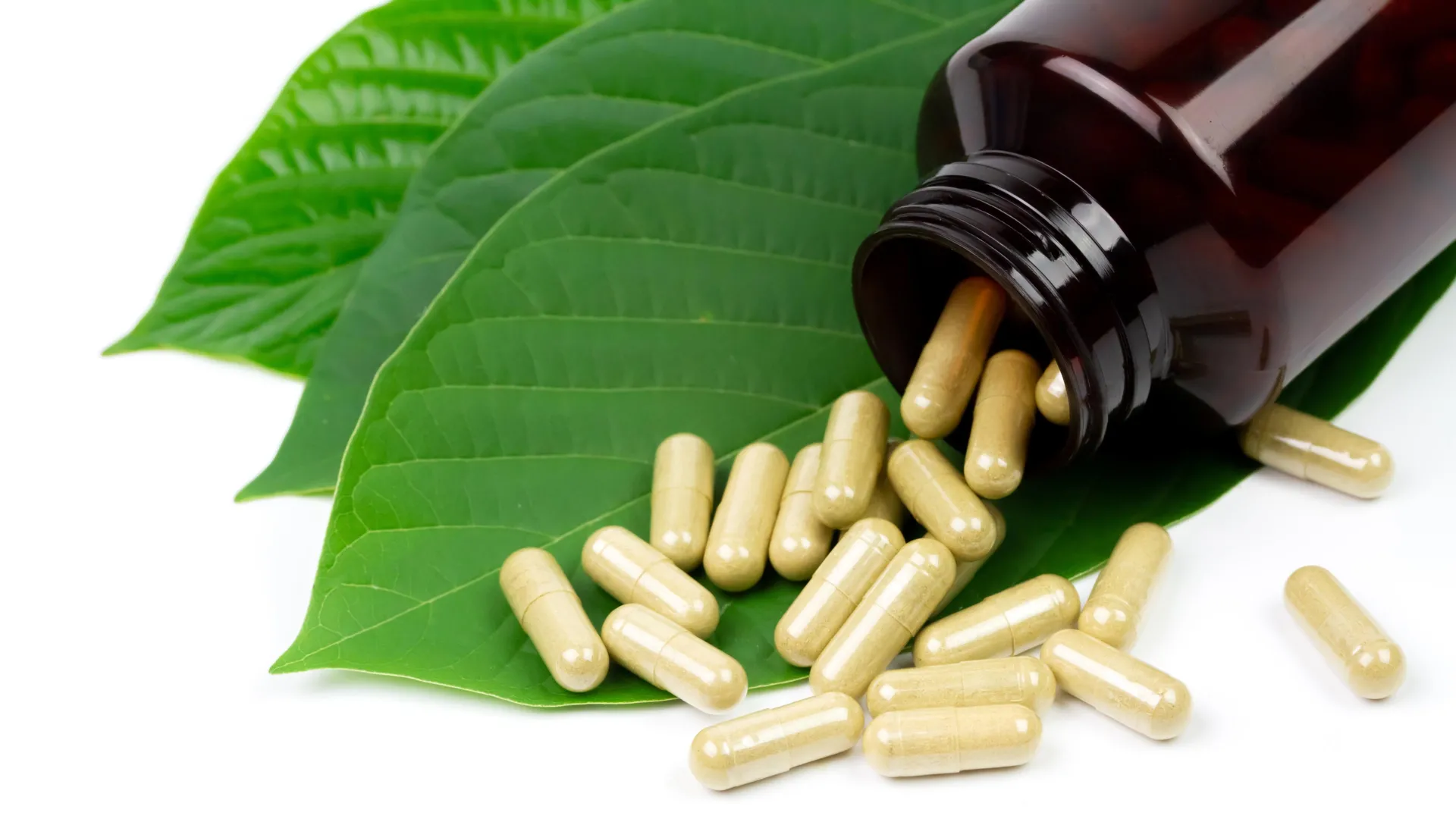
A comprehensive new analysis has revealed a staggering escalation in reports of adverse health events linked to kratom, a plant-derived psychoactive substance, across the United States over the past decade. Published in the esteemed journal Addiction, this research underscores a rapidly intensifying public health challenge, with thousands of individuals experiencing severe medical complications, often requiring emergency intervention and critical care, as the substance remains largely unregulated at the federal level. The study’s findings highlight a critical disparity in outcomes between states with stringent controls on kratom and those with more permissive or non-existent policies, igniting urgent calls for a more unified and evidence-based approach to its oversight.
Kratom, scientifically known as Mitragyna speciosa, originates from Southeast Asian countries such as Thailand, Malaysia, and Indonesia, where it has been traditionally used for centuries. Indigenous populations have historically consumed kratom leaves, either chewed fresh or brewed into a tea, to alleviate pain, boost energy, and manage symptoms of opioid withdrawal. Its effects are primarily attributed to its active alkaloids, particularly mitragynine and 7-hydroxymitragynine, which interact with opioid receptors in the brain. At lower doses, kratom can exhibit stimulant-like properties, enhancing alertness and sociability. However, at higher doses, its effects can mimic those of opioids, inducing sedation, euphoria, and analgesia. This dualistic pharmacological profile contributes to its complex and often unpredictable impact on users. In contemporary Western markets, kratom is typically sold in various forms, including powdered leaves, capsules, liquid extracts, and concentrated resins, often marketed as a "natural" supplement or an alternative remedy for chronic pain, anxiety, depression, and opioid addiction, despite a lack of robust scientific evidence supporting these claims.
The gravity of the situation is starkly illustrated by the exponential growth in reported kratom exposures to America’s Poison Centers. The study meticulously tracked these incidents, documenting a breathtaking surge from a mere 19 cases nationwide in 2010 to an alarming 1,242 cases by 2023. This represents an astronomical increase of over 6,500%, or more than 65-fold, within a span of just thirteen years. Such an unprecedented rise in reported incidents signals not only a potential increase in kratom consumption but also a growing awareness among healthcare professionals and the public regarding its potential for harm. America’s Poison Centers serve as a vital national surveillance system, collecting real-time data on exposures to hazardous substances, and their reports provide a crucial barometer for emerging public health threats. The trajectory of kratom-related calls unequivocally points to an escalating crisis that demands immediate attention.
Beyond the sheer volume of cases, the research also unveiled a disturbing escalation in the severity of reported outcomes. In 2010, no severe medical outcomes were documented in connection with kratom exposure. The first instance of a severe outcome was recorded in 2012, marking a turning point. By 2023, this number had skyrocketed to 158 severe cases, encompassing life-threatening conditions, significant and lasting disabilities, or even fatalities. This classification of "severe" underscores the profound impact kratom can have on an individual’s health, ranging from irreversible organ damage to permanent neurological impairment. The shift from an absence of severe cases to a substantial number within a little over a decade serves as a potent warning about the increasingly dangerous manifestations of kratom use.
Dr. Ryan Feldman, a senior author of the study affiliated with the Medical College of Wisconsin, provided critical insights into the substance’s unregulated status and its implications. He emphasized that because kratom is neither scheduled under the U.S. Controlled Substances Act nor approved for any medical use by the Food and Drug Administration (FDA), states are left to devise their own regulatory frameworks – or choose to implement none at all. This regulatory vacuum has resulted in a chaotic patchwork of laws across the nation, directly influencing public health outcomes. The study’s most compelling finding in this regard was the clear correlation between state-level regulation and the incidence of adverse events. States that had outright banned kratom consistently reported significantly lower rates of exposure, fewer severe medical outcomes, and reduced healthcare utilization compared to states that either implemented consumer protection policies or lacked any specific regulations governing the substance. This evidence strongly suggests that regulatory action at the state level can be an effective deterrent to kratom-related harm.
The adverse health effects associated with kratom are diverse and can be profoundly serious. Dr. Feldman detailed a range of potential complications, including neurological disturbances such as seizures, tremors, confusion, and agitation. Cardiovascular impacts can manifest as irregular heart rhythms (arrhythmias) and rapid heart rate (tachycardia). Gastrointestinal issues like nausea, vomiting, and severe constipation are common, but more critically, kratom has been linked to liver damage (hepatotoxicity). Respiratory depression, a potentially life-threatening reduction in breathing, is also a significant concern, particularly at higher doses or when kratom is combined with other central nervous system depressants. Furthermore, psychiatric and psychological effects, including dependence, severe withdrawal symptoms resembling those of opioid withdrawal, psychosis, and mood disturbances, have been reported.
The study further highlighted the substantial burden kratom exposure places on healthcare systems. Among cases where kratom was identified as the sole substance involved, nearly one in seven individuals required hospital admission, indicating the severity of their condition. Even more concerning, approximately one in sixteen of these single-substance exposures necessitated admission to a critical care unit, signifying life-threatening symptoms requiring intensive medical intervention. The risks are amplified when kratom is consumed in conjunction with other drugs, a common practice that significantly heightens potential dangers. Kratom’s tendency to interfere with metabolic pathways in the body means it can alter how other medications or substances are processed, thereby increasing the toxicity or potency of accompanying drugs. This metabolic interaction poses a grave risk, especially when kratom is used alongside opioids, benzodiazepines, alcohol, or other psychoactive compounds, creating a perilous cocktail that can lead to severe overdose, organ failure, or death.
The ongoing policy debate surrounding kratom reflects the profound lack of high-quality, unbiased research needed to inform sound legislative decisions. Despite the alarming increase in adverse events, comprehensive scientific studies on kratom’s long-term effects, its true potential for therapeutic benefit, and its precise mechanisms of toxicity remain limited. This research gap leaves policymakers navigating a complex landscape, often caught between industry advocacy promoting kratom as a harmless herbal remedy and public health warnings emphasizing its dangers. As Dr. Feldman succinctly put it, the "kratom problem is not going away anytime soon." The escalating number of exposures and severe outcomes underscores the urgent necessity for robust, independent scientific inquiry to guide future regulatory actions.
The FDA has consistently expressed concerns about kratom’s safety, issuing multiple public health warnings and import alerts. The agency has stated that there is no scientific basis for its use as a medicine and has cautioned against its potential for abuse, addiction, and serious health risks. However, without federal scheduling, the responsibility for regulation largely falls to individual states, leading to the current fragmented approach. Moving forward, potential solutions could involve federal re-evaluation of kratom’s status, leading to either a controlled substance designation or a clearer regulatory pathway for products that meet stringent safety and quality standards, similar to other botanical drugs. Alternatively, more states might consider adopting outright bans, or implementing comprehensive consumer protection policies that include age restrictions, strict labeling requirements, mandated purity testing, and limits on alkaloid content. Such measures aim to mitigate risks by ensuring product safety, preventing adulteration, and restricting access to vulnerable populations. The trajectory of kratom-related harm, as revealed by this new study, serves as a compelling call to action for lawmakers, public health officials, and the scientific community to collaborate on a cohesive national strategy to address this burgeoning public health challenge.
About the Author