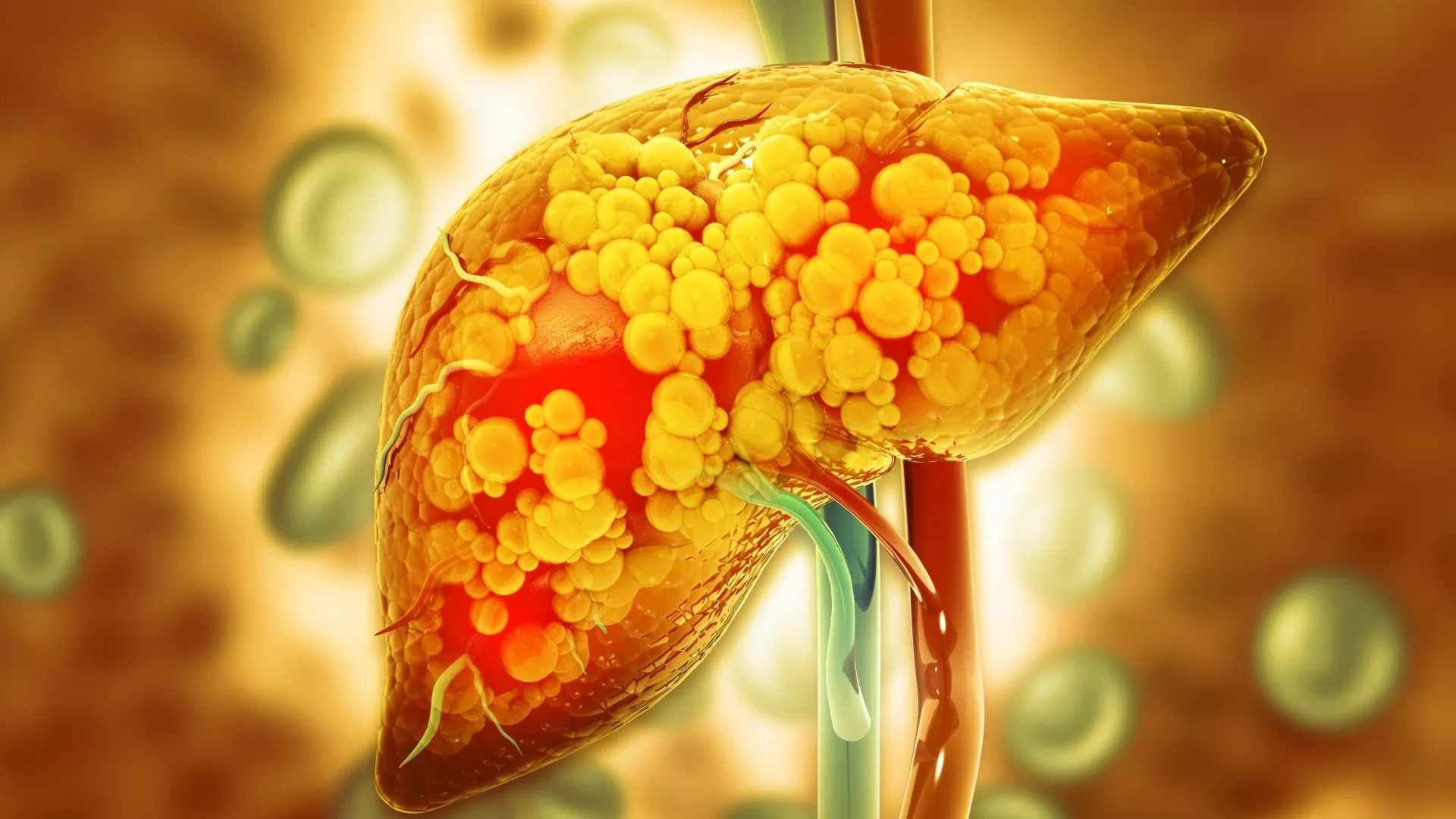
A recent clinical investigation, published on August 27th within the esteemed pages of Cell Metabolism, a journal under the Cell Press umbrella, has presented compelling evidence suggesting that a highly restrictive carbohydrate, high-fat dietary regimen may confer more profound metabolic advantages for individuals grappling with obesity compared to established approaches like the Mediterranean or low-fat diets. The study’s findings indicate that after an adherence period of four to five months, a substantial proportion of participants diagnosed with both obesity and prediabetes who followed a ketogenic eating plan, colloquially known as "Keto," no longer met the diagnostic thresholds for prediabetes.
"While the correlation between weight reduction and enhanced metabolic well-being in individuals with obesity is a well-acknowledged phenomenon," remarked Samuel Klein, the senior author of the research and an investigator at the Washington University School of Medicine in St. Louis, Missouri, "our findings point towards a significant therapeutic impact of carbohydrate restriction on metabolism, particularly for those exhibiting elevated liver fat content and prediabetes, an effect that extends beyond the simple consequences of losing body mass."
The landscape of weight management recommendations often includes a variety of popular dietary strategies, such as low-fat, low-carbohydrate, and Mediterranean eating patterns, frequently suggested by medical professionals for individuals seeking to reduce their body weight. However, a persistent question among researchers has been whether any single approach offers distinct metabolic benefits that are independent of the overall weight loss achieved.
These prominent dietary frameworks diverge significantly in their macronutrient composition, specifically in their ratios of carbohydrates to fats. The ketogenic diet, often associated with the Atkins diet, imposes stringent limitations on carbohydrate intake. Conversely, a low-fat diet can derive as much as 70% of its caloric content from carbohydrates. The Mediterranean diet, renowned for its emphasis on plant-based staples like vegetables, olive oil, and nuts, also incorporates moderate quantities of fish and dairy products. It is noteworthy that a ketogenic diet can encompass foods rich in saturated fats, including various animal-derived products.
To meticulously compare the physiological effects of these distinct dietary interventions, Dr. Klein and his research team recruited 42 participants who were concurrently diagnosed with obesity, prediabetes, and non-alcoholic fatty liver disease. These individuals were then randomly allocated to one of three dietary groups: a ketogenic diet, a Mediterranean diet, or a low-fat, plant-forward diet. To ensure strict adherence and control, the research team provided all participants with their meals, and weekly consultations with a registered dietitian were facilitated to support their commitment to their assigned eating regimen.
A crucial aspect of the study involved precisely controlling the caloric intake for each participant. The researchers meticulously adjusted food provisions so that individuals across all three dietary arms would achieve a comparable target of approximately 10% reduction in their baseline body weight. Attaining this specific weight loss milestone necessitated an intervention period of roughly four to five months.
By the conclusion of the investigative period, it was observed that participants in every dietary cohort had successfully achieved significant reductions in their overall body fat mass. Furthermore, improvements in insulin sensitivity were documented across all three groups, indicating an enhanced capacity of the body to regulate blood glucose levels more effectively.
Despite the comparable levels of weight loss observed among the participants, the ketogenic diet emerged as the most potent intervention in eliciting significant positive changes in several key indicators of liver and metabolic health. Specifically, the average reduction in liver fat content among individuals adhering to the ketogenic diet was a remarkable 67%. This contrasted with an average reduction of 45% observed in both the Mediterranean and plant-forward dietary groups, underscoring the distinct impact of carbohydrate restriction on hepatic fat accumulation.
The research team also employed a comprehensive 24-hour metabolic monitoring protocol, involving repeated blood analyses to assess hormonal fluctuations and metabolic responses. Participants in the ketogenic group exhibited the most substantial elevation in glucagon, a hormone known to play a role in mobilizing stored fat from the liver. Concurrently, they demonstrated the most pronounced decrease in circulating insulin levels, a metabolic shift that is also conducive to reducing liver fat accumulation, when compared to their counterparts in the other two dietary arms.
"One of the most surprising outcomes of our investigation was the absence of an increase in circulating blood lipids or cholesterol levels among the participants following the ketogenic diet, even though they were consuming the highest proportion of dietary fat," stated Max Petersen, the lead author of the study and a researcher at the Washington University School of Medicine. This observation challenges some common assumptions about the effects of high-fat diets on cardiovascular risk markers.
The impact of the dietary interventions on prediabetes status was also a significant point of comparison. Following the weight loss phase, approximately 50% of the participants who adhered to the ketogenic diet were no longer classified as having prediabetes. This figure significantly surpassed the rates observed in the other groups: 29% of those on the Mediterranean diet and a mere 7% of individuals following the plant-forward diet experienced a similar reversal of prediabetes markers.
"The advent of GLP-1-based medications has fundamentally transformed the therapeutic strategies available for managing obesity, offering a highly efficacious pharmacotherapy for achieving substantial weight loss," commented Petersen. "However, our study adds a critical dimension by demonstrating that the specific macronutrient composition of a dietary plan can confer additional, distinct benefits that complement pharmacological interventions."
The foundational research underpinning this study received vital financial support from the National Institutes of Health and the Foundation for Barnes-Jewish Hospital, facilitating a comprehensive and rigorous scientific inquiry into the differential metabolic effects of popular dietary approaches. The findings offer valuable insights for healthcare professionals and individuals seeking to optimize metabolic health, particularly those contending with obesity and prediabetes. The implications extend to the personalized application of dietary strategies, suggesting that for certain metabolic conditions, a well-formulated ketogenic approach may offer advantages that transcend generic weight loss outcomes. The study’s robust design and clear results provide a solid basis for further exploration into the long-term sustainability and broader clinical applicability of ketogenic diets in managing complex metabolic disorders.
About the Author