
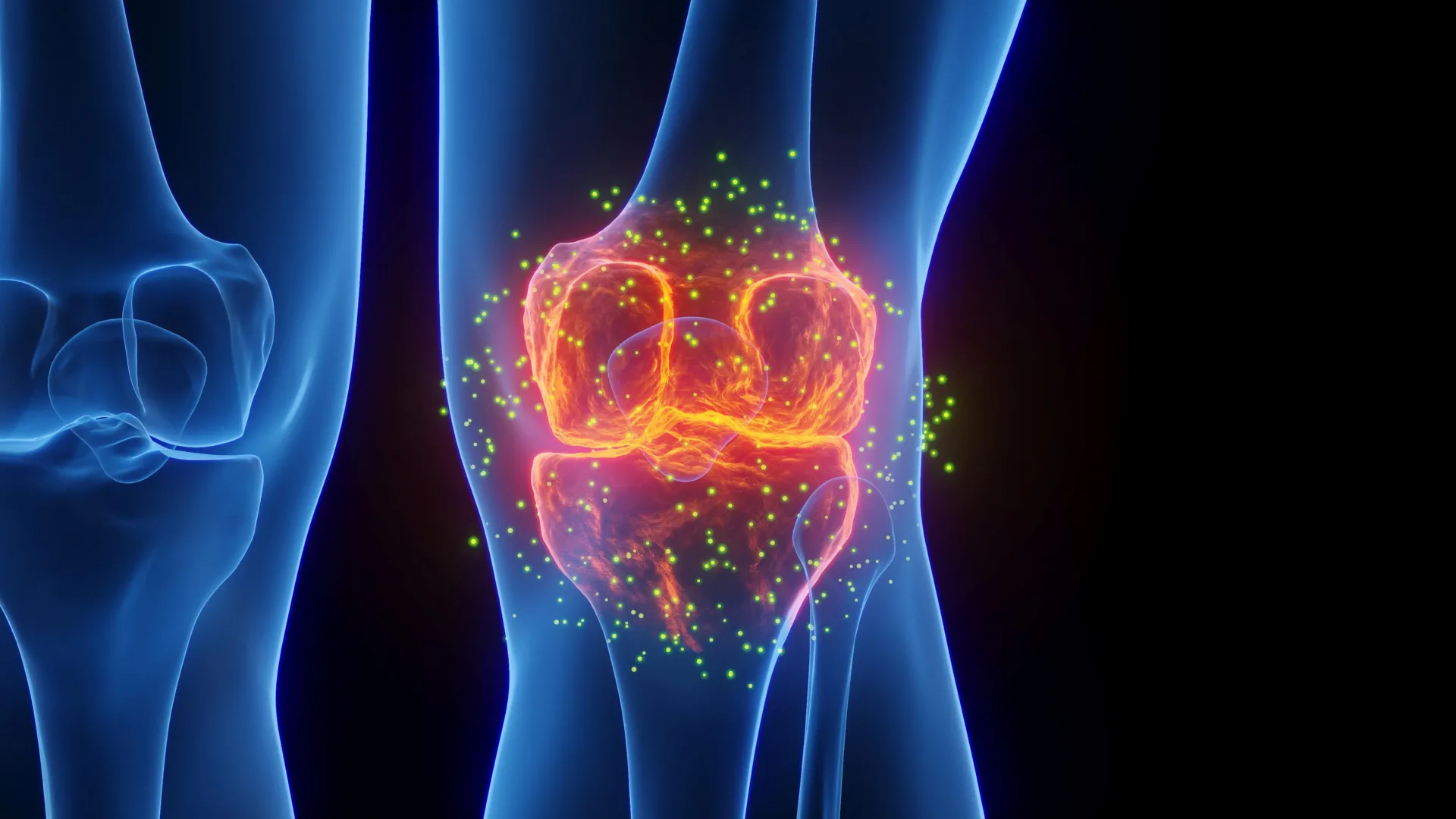
A revolutionary, minimally invasive technique known as genicular artery embolization (GAE) is offering a significant new avenue for individuals grappling with chronic knee pain, potentially sidestepping the necessity for extensive knee replacement surgery. Cynthia Schraf-Fletcher, a 74-year-old patient, described her experience with GAE as "remarkably" successful, reporting that nearly a year after undergoing the outpatient procedure on her right knee, the relief she experiences is comparable to the total knee replacement she previously received on her left. Her sentiment of profound satisfaction is echoed by her statement, "I couldn’t be more pleased." Schraf-Fletcher sought this innovative treatment from Dr. Leigh Casadaban, an assistant professor of radiology at the University of Colorado Anschutz School of Medicine. The transformative impact of GAE on her daily life has been substantial; activities that once inflicted considerable discomfort, such as gardening and cycling on a stationary bike, are now performed with a markedly diminished pain sensation, allowing her to re-engage with cherished pastimes.
This burgeoning GAE procedure carves out a crucial therapeutic niche, bridging the gap between initial conservative interventions and the more definitive, yet significant, undertaking of knee replacement surgery. The fundamental principle behind GAE involves a targeted reduction of blood flow to specific inflamed regions within the knee joint. By diminishing this localized blood supply, the procedure aims to mitigate inflammation, thereby alleviating swelling and consequently reducing pain. This mechanism renders GAE a potentially invaluable option for individuals suffering from osteoarthritis who have explored less invasive avenues without achieving adequate relief and are consequently hesitant to commit to major surgical intervention.
Dr. Casadaban, a specialist in vascular interventional radiology, elucidates the current landscape of knee osteoarthritis treatment, noting a typical progression from pharmacological approaches, physical therapy, and corticosteroid injections, culminating in total knee replacement as a last resort. "There really hasn’t been anything for patients in between," she observes, positioning GAE as a "promising minimally invasive procedure that may fill that spot for people who have failed conservative treatments but are not yet ready to have a major surgery." Osteoarthritis, a degenerative joint disease characterized by the gradual deterioration of cartilage and other joint structures, often manifests in the knee as pain, stiffness, inflammation, and limitations in mobility. While GAE is particularly well-suited for individuals with mild to moderate knee osteoarthritis, Dr. Casadaban suggests that patients with more advanced stages of the disease can also benefit, although the duration of relief might be less extended. She highlights the efficacy of GAE, stating, "We find about 70% of patients have phenomenal results. They cut their pain scores in half, sometimes more. We have a few patients with no pain at all after the procedure." For those who have endured persistent pain despite numerous treatment attempts, GAE offers a compelling pathway back to normalcy and an improved quality of life, enabling them to resume their regular activities with significantly less discomfort.
For Ms. Schraf-Fletcher, the prospect of circumventing another major knee operation was a primary motivator for pursuing GAE. Having experienced complications following her previous knee replacement, she expressed a strong desire to explore GAE and affirmed her satisfaction with the decision. The GAE procedure itself is a relatively brief and well-tolerated intervention, typically lasting between one to two hours and performed under conscious sedation. This approach ensures patient comfort and relaxation without the necessity of full general anesthesia.
The procedural steps involve an interventional radiology team making a small incision, usually in the crease of the leg. Through this access point, a slender tube known as a catheter is meticulously guided into the femoral artery. Real-time X-ray imaging, augmented by the injection of a contrast dye, enables physicians to visualize the intricate network of blood vessels with exceptional clarity. Once the catheter navigates to the genicular arteries surrounding the knee, the team precisely delivers microscopic beads into abnormal blood vessels identified as contributors to the localized inflammation and pain. These embolizing agents effectively reduce blood flow to the targeted aberrant vessels, thereby initiating the anti-inflammatory process.
A significant advantage of GAE, particularly when contrasted with knee replacement, lies in its less invasive nature. The absence of joint replacement and the avoidance of large surgical incisions contribute to a substantially accelerated recovery period. Following the procedure, patients are observed for several hours before typically being discharged home on the same day. Post-procedure care generally involves a period of rest and limited activity for the subsequent few days, allowing the body to begin its healing process.
The genesis of GAE can be traced back to Japan over a decade ago, and since its inception, it has garnered increasing international recognition and adoption. In the United States, the Food and Drug Administration (FDA) has acknowledged the potential of devices utilized in this therapeutic area by granting "breakthrough device status" to several since 2021. This designation serves to expedite the development and regulatory review processes for medical technologies that demonstrate a significant potential to improve patient outcomes and offer substantial advantages over existing treatments.
Preliminary research into the efficacy of GAE has yielded encouraging outcomes. Dr. Casadaban points to the underlying theory that GAE’s reduction of intra-articular inflammation can lead to sustained symptom relief. She cites "four-year data published in Japan shows that if you have one outpatient procedure, your pain relief can last for those four years." In the United States, more recent "two-year data, which shows that if you have a good response, pain relief can last two years," further supports the hypothesis that the procedure may induce favorable modifications within the joint. The prospect of achieving several years of pain relief from a single, non-surgical outpatient treatment is a compelling driver for ongoing scientific investigation into the physiological changes that occur within the knee following GAE.
At CU Anschutz, Dr. Casadaban is at the forefront of clinical trials designed to deepen our understanding of GAE. One ongoing study is meticulously examining alterations in the synovial fluid of the knee in individuals undergoing GAE. By analyzing these changes, researchers aim to gain a more profound insight into how the procedure impacts inflammatory pathways and other biological processes within the joint. Another parallel study is evaluating a novel, temporary treatment device named Nexsphere-F. This device, when deployed within the arteries, temporarily occludes small blood vessels in the knee that are implicated in contributing to inflammation and pain.
Osteoarthritis is a prevalent condition affecting millions globally, and it can impact various joints throughout the body. While GAE is currently primarily employed for knee osteoarthritis, the fundamental principles of this therapeutic strategy are being explored for applications in other painful musculoskeletal conditions. Dr. Casadaban notes that analogous approaches are under investigation for ailments such as frozen shoulder, tennis elbow, and plantar fasciitis. Should continued research consistently demonstrate long-term benefits, GAE stands poised to become an indispensable therapeutic option for patients navigating the challenging space between conservative management and the necessity of major joint replacement surgery.
About the Author












