
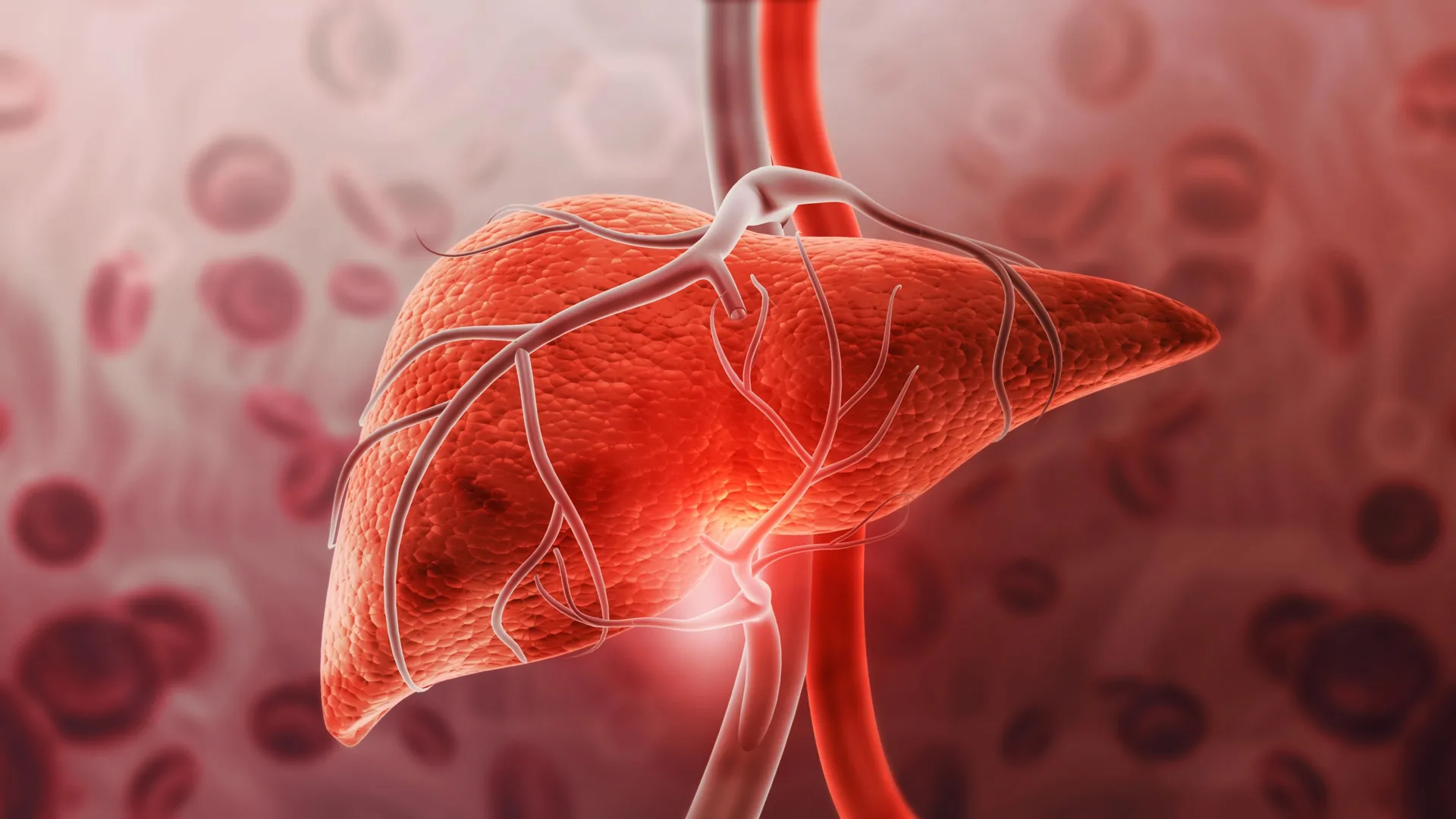
McMaster University researchers have made a significant breakthrough, identifying a previously unappreciated protective function for a naturally occurring hormone primarily recognized for its role in curbing appetite and facilitating weight loss. This potent molecule, GDF15, has now been shown to actively combat liver inflammation through an entirely novel signaling pathway, opening promising avenues for therapeutic interventions against severe forms of fatty liver disease. The findings, meticulously detailed in the latest issue of Cell Metabolism, demonstrate that GDF15 can effectively mitigate liver inflammation and decelerate the progression of liver scarring, even in the absence of any substantial decrease in body weight. This discovery fundamentally challenges the prevailing scientific understanding, which has largely attributed the hormone’s beneficial effects solely to its influence on eating habits and overall body mass.
Millions worldwide grapple with metabolic dysfunction-associated steatohepatitis (MASH), a serious and advanced stage of fatty liver disease that can tragically culminate in cirrhosis, liver cancer, and ultimately, organ failure. While recent advancements in weight-loss pharmaceuticals have undeniably improved outcomes for a considerable number of patients, a persistent challenge remains: liver inflammation often endures even after significant weight reduction. The identification of a biological mechanism that directly targets and suppresses this inflammation suggests that future therapeutic strategies could potentially integrate direct anti-inflammatory approaches with existing treatments focused on weight management and the reduction of liver fat.
Professor Gregory Steinberg, a distinguished figure in McMaster University’s Department of Medicine and a co-director of the Centre for Metabolism, Obesity and Diabetes Research (MODR), elaborated on the profound implications of their work. "Our findings unequivocally demonstrate that GDF15 possesses capabilities far exceeding its known functions in regulating appetite and body weight," he stated, serving as the senior author of the study. "We have uncovered that GDF15 initiates a signaling cascade originating in the brain and extending to the liver, effectively orchestrating the suppression of liver inflammation and the reduction of fibrosis. This revelation compels a re-evaluation of our conceptualization of this hormone, suggesting it may be an integral component of the body’s intrinsic defense system against chronic liver damage."
In their pursuit to elucidate the intricate mechanisms by which GDF15 exerts its protective influence on advanced liver disease, the research team meticulously employed sophisticated mouse models engineered to closely replicate the pathological characteristics of human MASH. Their comprehensive investigation incorporated a synergistic array of genetic, pharmacological, genomic, and advanced spatial transcriptomics techniques to meticulously map the molecular events that unfold upon the hormone’s activation.
A pivotal discovery revealed that GDF15 initiates a communication network from the brain, transmitted via the nervous system, which ultimately triggers the release of glucocorticoids. These crucial steroid hormones play a multifaceted role in regulating metabolism, modulating immune responses, and orchestrating the body’s physiological reactions to stress. Subsequently, these glucocorticoids act to dampen the inflammatory processes occurring within the liver. Crucially, the researchers observed these salutary effects irrespective of any alterations in food intake, body weight, or the amount of fat accumulated in the liver. Furthermore, GDF15 demonstrated a remarkable capacity to impede the advancement of liver fibrosis, a detrimental process characterized by the excessive deposition of scar tissue that accompanies the progressive deterioration of liver health.
Dr. Dongdong Wang, the study’s lead and corresponding author and an assistant professor in McMaster’s Department of Medicine, highlighted the transformative impact of their findings. "Employing cutting-edge spatial technologies, we’ve observed that GDF15 plays a critical role in recalibrating liver cells, thereby diminishing inflammation and the formation of scar tissue associated with advanced disease," she explained. "Rather than exacerbating liver damage, GDF15 appears to actively pacify the liver’s immune system. It facilitates a shift in immune cells towards a more protective and less reactive state, thereby mitigating inflammation and safeguarding the liver from further injury."
This latest research builds upon prior groundbreaking work conducted by Dr. Steinberg and Dr. Wang, published in 2023, which established GDF15’s role in helping the body preserve calorie expenditure during periods of weight loss. The current findings unveil a distinctly different and equally vital function for the same hormone: providing robust liver protection through a previously unrecognized anti-inflammatory signaling pathway. Collectively, these two studies hold the potential to significantly inform the development of future therapeutic agents specifically designed to address liver inflammation, a primary driver of MASH progression that has historically proven challenging to manage.
Dr. Steinberg, who also holds executive membership in NexusHealth at McMaster and serves as chief scientific officer, shareholder, and co-founder of Espervita Therapeutics, recently co-authored preclinical research detailing a promising drug candidate for advanced liver disease. While that prior research focused on a specific therapeutic compound, the current study delves into the body’s inherent biological mechanisms for controlling liver inflammation, offering invaluable insights that can guide the creation of more effective future treatments.
"Current therapeutic strategies predominantly concentrate on reducing body weight and the accumulation of fat within the liver," Dr. Steinberg emphasized. "Our research strongly suggests that integrating these established approaches with therapies that directly target inflammation could offer substantial benefits. By unraveling the intricate ways in which the body naturally defends the liver, we are presented with novel opportunities to engineer more efficacious treatments for individuals contending with MASH."
The collaborative nature of this significant research effort also included contributions from Rune E. Kuhre and Sebastian B. Jørgensen of Novo Nordisk A/S. The study received vital financial support from the Natural Sciences and Engineering Research Council of Canada (NSERC), the Canadian Institutes of Health Research (CIHR), and Diabetes Canada. Novo Nordisk also provided essential research support and supplied the GDF15 hormone utilized in the experimental procedures.
About the Author












