Maintaining robust physical health and independence becomes increasingly vital as individuals advance in age, with a particular focus on core muscle groups like the gluteals. The muscles of the posterior chain, collectively known as the glutes, comprise the gluteus maximus, gluteus medius, and gluteus minimus. These three powerful muscles are not merely contributors to aesthetic physique; their strength and functionality are foundational for a myriad of daily movements, including walking, climbing stairs, rising from a seated position, and maintaining overall balance. Unfortunately, the natural process of aging often brings about sarcopenia, an involuntary and progressive decline in skeletal muscle mass, strength, and function. This age-related muscle deterioration can significantly impact the gluteal complex, leading to reduced mobility, increased risk of falls, and a diminished capacity for independent living.
Understanding the profound implications of gluteal strength for older adults underscores the necessity of incorporating targeted exercises into a regular fitness regimen. Strong glutes act as the primary engines for hip extension, abduction, and external rotation, while also playing a critical role in stabilizing the pelvis and protecting the knees and lower back from undue stress. When these muscles weaken, the body compensates by over-relying on other muscle groups, which can lead to imbalances, pain, and a higher propensity for injury. For instance, weak glutes can contribute to anterior knee pain or lower back discomfort due to improper biomechanics during movement. Therefore, prioritizing the development and maintenance of gluteal strength is not merely about preserving physical appearance but about safeguarding functional independence and enhancing the quality of life in later years.
While many exercises target the glutes, some traditional movements might present challenges for older adults due to balance requirements, joint impact, or complex coordination demands. This is where wall-assisted exercises emerge as an exceptionally beneficial and accessible alternative. The inherent stability offered by a wall provides a secure anchor, mitigating concerns about balance and reducing the risk of falls. This support allows individuals to concentrate more effectively on engaging the target muscles and maintaining proper form, rather than expending energy on stabilization. Furthermore, many wall-supported movements are inherently lower impact, making them suitable for those managing joint discomfort or other physical limitations that might preclude higher-impact activities. The controlled environment of wall exercises also facilitates a greater mind-muscle connection, which is crucial for maximizing exercise efficacy and ensuring proper activation of the gluteal muscles. Such an approach enables a safer, more focused, and ultimately more productive workout experience, promoting gradual strength gains without undue strain.
A thoughtfully curated selection of wall-assisted exercises can effectively target the gluteal muscles from various angles, concurrently engaging the thighs and hips for comprehensive lower body development. These exercises can be modified to suit diverse fitness levels, allowing for progressive overload as strength improves. It is always advisable to consult with a healthcare professional or a certified fitness expert before initiating any new exercise program, particularly for older adults or individuals with pre-existing health conditions.
One foundational exercise for building lower body and gluteal endurance is the Wall Sit. This isometric hold effectively engages the quadriceps, hamstrings, and gluteus maximus without requiring dynamic movement or impact. To perform a wall sit, begin by leaning your back flat against a sturdy wall, sliding down until your knees form a 90-degree angle, as if you are sitting in an invisible chair. Ensure your thighs are parallel to the floor and your feet are hip-width apart, directly beneath your knees. Your core should be engaged, and your lower back pressed against the wall to prevent arching. Hold this position for 20-60 seconds, or as long as comfortably possible, maintaining deep, steady breaths. The duration of the hold can be progressively increased as strength improves. This exercise is excellent for building static strength and muscular endurance, which translates directly to improved stamina for standing and walking. Common errors include allowing the knees to extend beyond the ankles or pushing off the wall with the hands.
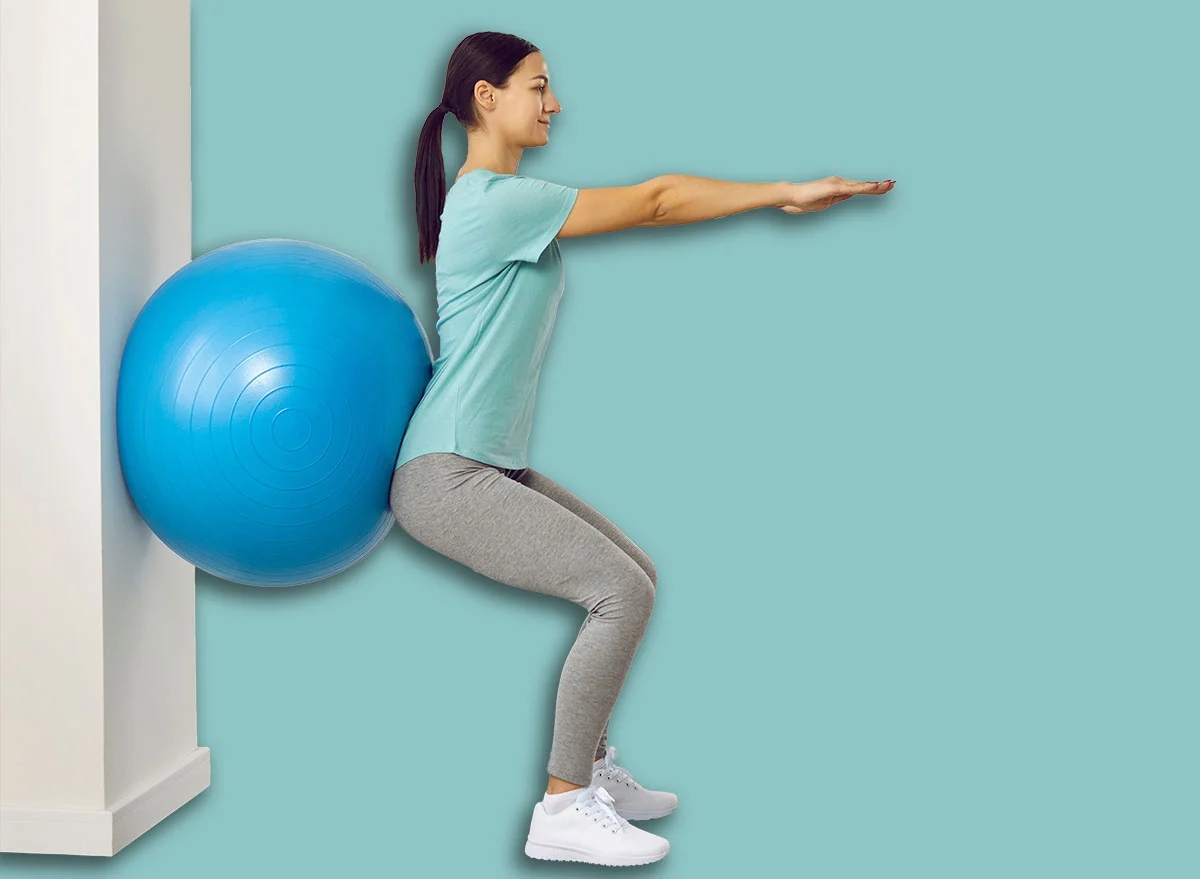
Building upon the Wall Sit, Wall-Supported Squats offer a dynamic approach to strengthening the entire lower body while providing crucial spinal support. This exercise is a safer alternative to free-standing squats for individuals concerned about balance or maintaining proper form. Start by positioning your back against a wall, with your feet about shoulder-width apart and a comfortable distance from the wall to allow for a full squat range of motion without your knees tracking too far forward. Slowly descend into a squat, allowing your back to slide down the wall. Aim to lower your hips until your thighs are parallel to the floor, or as far as your mobility allows without discomfort. As you lower, ensure your knees track in line with your toes, preventing them from caving inward. Drive through your heels to return to the starting position, squeezing your glutes at the top. Perform 10-15 repetitions for 2-3 sets. The wall helps maintain an upright torso, reducing strain on the lower back and promoting correct biomechanics, making it an excellent exercise for improving functional strength needed for daily tasks like sitting and standing.
To specifically target the gluteus maximus and improve hip extension, Wall-Supported Standing Hip Extensions are highly effective. This exercise primarily works the glutes and hamstrings, crucial for powerful leg movements and walking efficiency. Stand facing a wall, placing your hands on it for support at shoulder height. Maintain a slight bend in your standing knee and a neutral spine. Slowly lift one leg straight back behind you, keeping it relatively straight but not locked, and squeeze your glute at the peak of the movement. Focus on lifting the leg using your gluteal muscles, not by arching your lower back. Control the movement as you slowly lower the leg back to the starting position. Aim for 10-15 repetitions per leg for 2-3 sets. The wall support allows for isolation of the gluteal muscles, preventing compensatory movements and maximizing muscle activation. It’s important to avoid momentum and ensure the movement is deliberate and controlled, focusing on the contraction of the glute.
Finally, to enhance hip abduction and target the gluteus medius and minimus, the Wall-Supported Lateral Leg Raise is an invaluable addition. These muscles are vital for hip stability, especially during single-leg stances like walking, and help prevent the pelvis from dropping on one side. Stand sideways next to a wall, placing one hand on it for balance. Keep your standing leg slightly bent and your body in a straight line from head to heels. Slowly lift the leg farthest from the wall directly out to the side, leading with your heel and keeping your foot flexed. The movement should originate from the hip, not the lower back. Raise the leg only as high as you can without tilting your torso or compromising your balance. Hold briefly at the top, feeling the contraction in your outer glute, then slowly lower the leg back down. Perform 10-15 repetitions per leg for 2-3 sets. This exercise is particularly beneficial for improving balance and stability, directly addressing a key concern for older adults. Maintaining a slow, controlled tempo is essential to maximize muscle engagement and prevent injury.
Beyond the specific mechanics of these exercises, a comprehensive approach to muscular health in older age integrates several critical components. Consistency in exercise, even with moderate intensity, yields far greater benefits than sporadic, high-effort sessions. Adhering to a regular schedule for these wall-assisted movements can foster continuous improvement in strength and mobility. Furthermore, nutritional support plays an indispensable role; adequate protein intake is crucial for muscle protein synthesis and repair, counteracting age-related muscle loss. Hydration is equally vital for overall physiological function, joint lubrication, and nutrient transport. Finally, listening to one’s body and progressing gradually is paramount. Any discomfort should be a signal to adjust the exercise or seek professional advice.
In conclusion, maintaining robust gluteal strength and stability is a cornerstone of healthy aging, contributing significantly to sustained mobility, balance, and overall independence. Wall-assisted exercises provide an exceptionally safe, effective, and accessible pathway for older adults to build and preserve this essential muscle group. By incorporating movements such as wall sits, wall-supported squats, hip extensions, and lateral leg raises into a regular fitness routine, individuals can proactively combat sarcopenia, mitigate fall risks, and enhance their capacity to engage fully in life’s activities. Combined with a holistic focus on nutrition and consistent physical activity, these accessible exercises empower older adults to cultivate a stronger, more resilient body, ensuring a higher quality of life for years to come.
About the Author