A comprehensive clinical investigation has unveiled compelling evidence suggesting that a very low-carbohydrate, high-fat dietary regimen offers superior metabolic advantages for individuals grappling with obesity compared to both Mediterranean and low-fat eating plans. Published on August 27 in the esteemed scientific journal Cell Metabolism, this research indicates that after a period of approximately four to five months adhering to a ketogenic diet, nearly half of the participants diagnosed with obesity and prediabetes no longer met the diagnostic criteria for the latter condition. This outcome highlights a profound impact on metabolic health that extends beyond the mere reduction of body mass.
The prevalence of metabolic disorders, including obesity, prediabetes, and non-alcoholic fatty liver disease (NAFLD), represents a significant public health challenge globally. In the United States alone, an estimated 40% of adults contend with obesity, a condition that frequently co-occurs with insulin resistance, elevated blood sugar levels, and excessive fat accumulation in the liver. While weight loss is consistently recommended as a primary therapeutic strategy for these conditions, the specific composition of a diet and its independent metabolic effects have remained subjects of intense scientific inquiry. This study sought to elucidate whether different popular dietary approaches confer distinct metabolic benefits that transcend the universal advantages associated with shedding excess pounds.
Dr. Samuel Klein, a distinguished corresponding author from Washington University School of Medicine in St. Louis, Missouri, underscored the study’s unique contribution. "While the positive impact of weight reduction on metabolic health in individuals with adiposity is well-established," Dr. Klein stated, "our findings strongly suggest that for those presenting with elevated hepatic fat content and prediabetes, a deliberate reduction in carbohydrate intake can yield significant therapeutic metabolic effects that are independent of, and in addition to, the benefits derived from weight loss itself." This perspective challenges the simplistic view that all weight loss strategies are metabolically equivalent.
To meticulously compare the effects of three widely recognized weight loss diets, the research team, led by Dr. Klein and first author Max Petersen, carefully recruited 42 participants. Each individual in the cohort shared a common profile: they were living with obesity, had been diagnosed with prediabetes, and suffered from non-alcoholic fatty liver disease. This specific participant selection was critical for directly assessing the diets’ impacts on these interconnected metabolic conditions. The study employed a rigorous randomized controlled trial design, where participants were allocated to one of three distinct dietary arms: a ketogenic diet, a Mediterranean diet, or a low-fat, plant-forward diet. A crucial aspect of the study’s design was the provision of all food to the participants, ensuring strict adherence to their assigned eating plans. Furthermore, weekly consultations with a registered dietitian were mandatory, offering ongoing support and reinforcing dietary compliance throughout the intervention period.
The macronutrient composition of the three diets varied dramatically, reflecting their distinct philosophical approaches to nutrition. The ketogenic diet, characterized by its severe restriction of carbohydrates, derived a mere 4% of its total caloric intake from carbohydrates, while fats constituted a substantial 73% of energy, with protein making up the remainder. This diet permitted the consumption of foods rich in saturated fats, including various animal products, aligning with typical ketogenic principles. In contrast, the Mediterranean diet group received 50% of their calories from carbohydrates and 35% from fats. This diet emphasized plant-based foods such as fresh vegetables, olive oil, and nuts, complemented by moderate quantities of fish and dairy products. The low-fat, plant-forward diet represented the high-carbohydrate end of the spectrum, with 70% of calories originating from carbohydrates and only 15% from fats, focusing heavily on plant-derived sources.
A pivotal methodological component of this investigation was the careful calibration of caloric intake for each participant, irrespective of their assigned diet. Researchers meticulously adjusted daily energy consumption to ensure that all individuals across the three groups achieved a consistent target: approximately a 10% reduction in their initial body weight. This standardization was instrumental in isolating the unique metabolic effects of each diet, ensuring that any observed differences were attributable to dietary composition rather than disparities in the magnitude of weight loss. Reaching this predetermined weight loss goal typically spanned a period of four to five months for all participants.
At the conclusion of the study, a universal benefit of weight loss was evident: participants in all three dietary cohorts experienced significant reductions in overall body fat mass. Moreover, a key indicator of metabolic health, insulin sensitivity, also showed improvement across every group. Enhanced insulin sensitivity means the body’s cells respond more effectively to insulin, a hormone critical for regulating blood sugar, thereby contributing to better glucose control. These shared positive outcomes underscored the undeniable advantages of achieving moderate weight loss, irrespective of the dietary path taken.
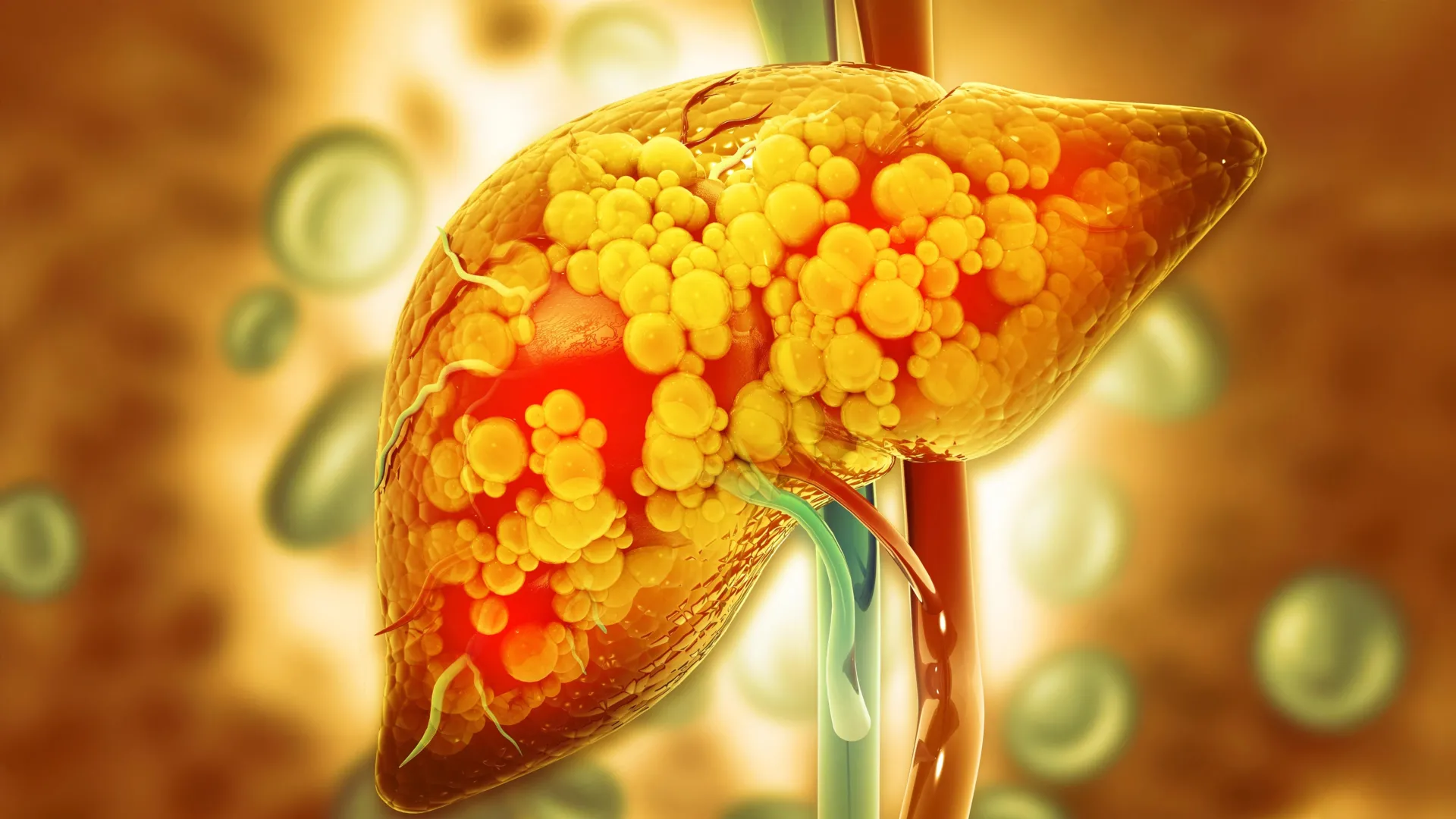
However, despite these shared improvements and the matched weight loss across groups, the ketogenic diet distinguished itself by producing notably stronger and more profound alterations in several critical markers of liver and metabolic health. The most striking finding pertained to hepatic fat content. Individuals adhering to the ketogenic regimen witnessed an average reduction of 67% in liver fat. This figure stood in stark contrast to the average reduction of 45% observed in both the Mediterranean diet group and the plant-forward, low-fat group. The ability of the ketogenic diet to more effectively diminish fat stored within the liver has significant implications, as excessive liver fat is a hallmark of NAFLD, a condition that can progress to more severe forms of liver disease, including non-alcoholic steatohepatitis (NASH) and cirrhosis.
Beyond liver fat, the study meticulously tracked participants’ metabolic profiles over a 24-hour cycle through repeated blood analyses, offering a dynamic view of their physiological responses. Those in the ketogenic cohort exhibited the most substantial elevation in glucagon levels. Glucagon, a hormone produced by the pancreas, plays a crucial role in regulating glucose and lipid metabolism, notably by signaling the liver to release stored glucose and by promoting the breakdown of fats, thereby contributing to the reduction of hepatic lipid accumulation. Concurrently, the ketogenic group also demonstrated the most significant decline in blood insulin levels when compared to participants following the other two diets. Lower circulating insulin levels are often associated with improved insulin sensitivity and a reduced drive for fat storage, particularly in the liver, further explaining the superior liver fat reduction.
Perhaps one of the most unexpected revelations from the study challenged conventional dietary wisdom regarding high-fat intake. Dr. Max Petersen, the study’s first author, remarked on this intriguing observation: "The most surprising finding was that participants in the ketogenic diet group didn’t experience an increase in blood fat or cholesterol levels despite consuming the most fat." This finding contradicts the long-held assumption that a diet rich in fats, particularly those that include saturated fats, inherently leads to adverse changes in lipid profiles. It suggests that the overall metabolic shift induced by carbohydrate restriction, leading to a state of ketosis where the body primarily burns fat for fuel, may exert protective or neutralizing effects on blood lipid parameters, even in the context of high dietary fat intake.
The ketogenic diet’s superior metabolic impact extended compellingly to the reversal of prediabetes. Following the weight loss intervention, a remarkable 50% of participants on the ketogenic diet no longer met the diagnostic criteria for prediabetes, indicating a significant normalization of their blood sugar regulation. This rate was considerably higher than that observed in the other groups: 29% of those on the Mediterranean diet achieved prediabetes remission, while only 7% of participants following the plant-forward, low-fat diet saw similar improvements. This stark difference underscores the ketogenic diet’s potent ability to improve glucose homeostasis, potentially averting the progression to full-blown type 2 diabetes.
Dr. Petersen further emphasized the broader context of these findings within the evolving landscape of obesity and metabolic disease management. "GLP-1-based medications have revolutionized the therapy of obesity. We now have a very effective pharmacotherapy for achieving significant weight loss," he acknowledged, referencing the class of drugs that have shown remarkable efficacy in weight management and glycemic control. "But in addition, our study shows that the specific composition of the diet can give you added benefits," Dr. Petersen added. This statement highlights that while pharmacological interventions are powerful tools, carefully chosen dietary strategies can provide complementary or even independent advantages, offering a multi-faceted approach to improving metabolic health.
The implications of this research are substantial for both clinical practice and public health recommendations. For individuals struggling with obesity, prediabetes, and fatty liver disease, these findings provide a clearer understanding of how specific dietary choices can differentially impact crucial metabolic markers. While all diets that facilitate weight loss offer benefits, a very low-carbohydrate approach appears to confer distinct advantages in addressing hepatic steatosis and improving glucose regulation.
However, it is important to contextualize these findings. The study involved a relatively small cohort of participants, and the controlled environment, where all food was provided, may not perfectly reflect real-world dietary adherence. Future research should explore the long-term sustainability and effects of these diets in larger, more diverse populations and under less controlled conditions. Furthermore, understanding the specific mechanisms by which ketogenic diets influence glucagon and insulin dynamics, and how these interact with overall lipid metabolism, warrants continued investigation.
The study received crucial financial backing from the National Institutes of Health and the Foundation for Barnes-Jewish Hospital, affirming the significance of this research in advancing our understanding of metabolic health. In conclusion, this groundbreaking investigation solidifies the notion that while weight reduction is a cornerstone of metabolic health improvement, the macronutrient composition of a diet plays a critical and independent role. For conditions like fatty liver disease and prediabetes, a meticulously implemented very low-carbohydrate diet demonstrates a remarkable capacity to significantly alleviate disease burden, offering a powerful, diet-centric therapeutic pathway.
About the Author