Damage to the intricate network of nerves that orchestrate movement, sensation, and thought represents one of medicine’s most formidable challenges. Unlike some other tissues, the adult mammalian nervous system possesses a remarkably limited intrinsic capacity for self-repair, often leading to devastating and permanent functional deficits following trauma. For decades, researchers have grappled with understanding the molecular impediments to effective nerve regeneration, a crucial step toward developing therapies for conditions ranging from spinal cord injury to peripheral neuropathies. A recent groundbreaking study from the Icahn School of Medicine at Mount Sinai has cast new light on this persistent enigma, identifying a specific molecular mechanism that acts as a "brake" on the regenerative potential of injured neurons. Published in the prestigious journal Nature, these findings pinpoint the aryl hydrocarbon receptor (AHR) as a critical regulator, suggesting that its modulation could unlock novel therapeutic avenues for restoring neural function.
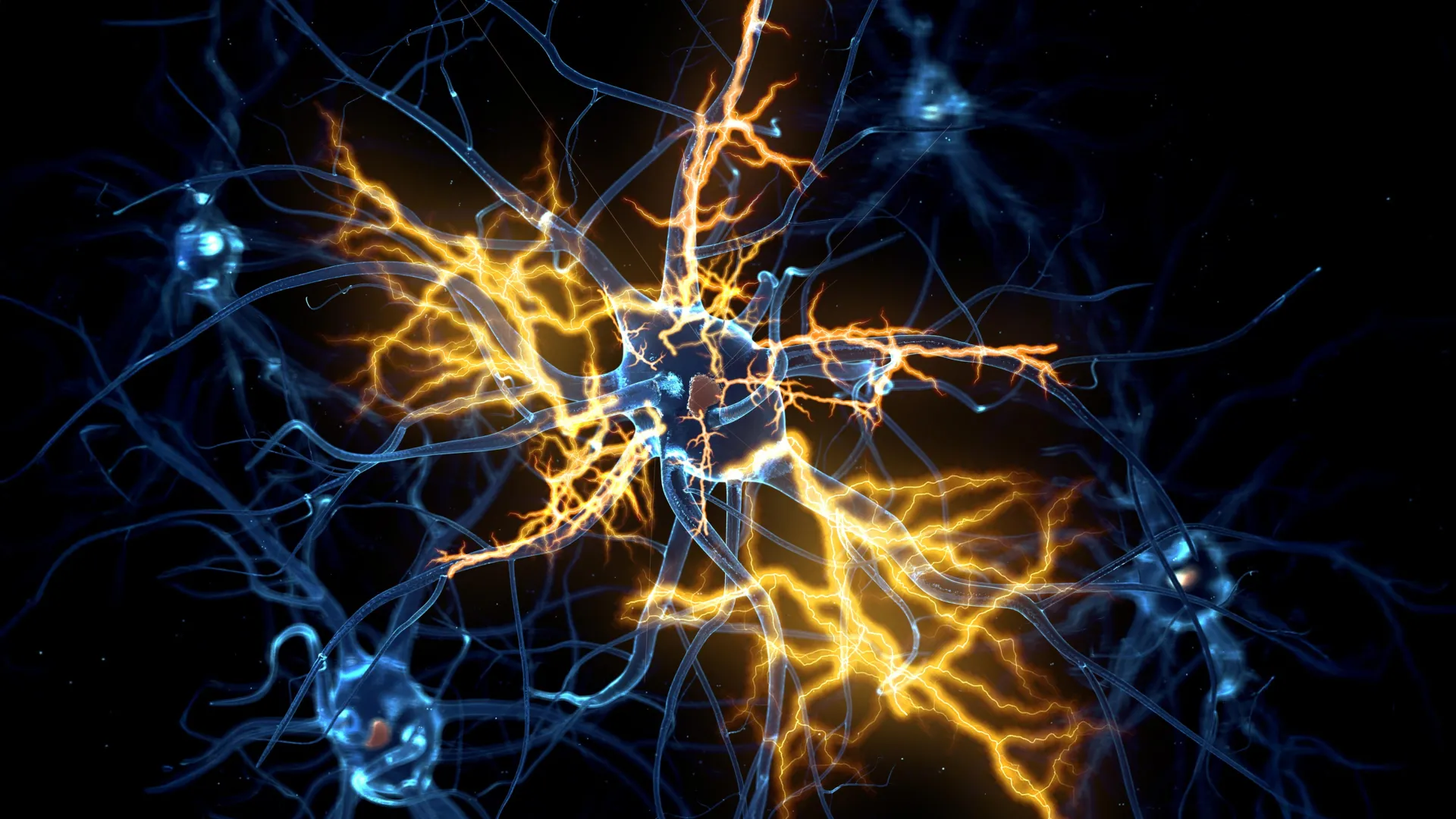
The human nervous system is an extraordinarily complex biological superhighway, composed of billions of specialized cells called neurons. These cells are the fundamental units of communication, transmitting electrical and chemical signals throughout the body. A critical component of neuronal architecture is the axon, a long, slender projection that extends from the neuron’s cell body, functioning much like an electrical wire. Axons are responsible for relaying impulses over distances, forming synaptic connections with other neurons, muscles, or glands. The central nervous system (CNS), comprising the brain and spinal cord, and the peripheral nervous system (PNS), which includes all other nerves, both rely on the integrity of these axonal pathways for proper functioning. When axons are severed or damaged due to injury—be it from trauma, disease, or stroke—the communication lines are disrupted, leading to a profound loss of function, manifesting as paralysis, sensory loss, or cognitive impairment. The ability of neurons to regrow these vital connections is paramount for any meaningful recovery.
However, the adult mammalian nervous system faces significant obstacles to regeneration. In contrast to lower vertebrates or even the developing mammalian nervous system, adult human neurons exhibit a diminished intrinsic drive to regrow axons. This limitation is compounded by an often hostile extracellular environment post-injury, particularly within the CNS. Factors such as the formation of glial scars, the presence of inhibitory molecules released by myelin debris, and the intrinsic biochemical changes within the injured neuron itself conspire to impede axon extension. Understanding these multifaceted barriers has been a central focus of neuroscience research, with many studies investigating extrinsic factors (like inhibitory molecules) and intrinsic factors (like gene expression changes within the neuron). The Mount Sinai team’s work, led by senior author Hongyan Zou, MD, PhD, Professor of Neurosurgery and Neuroscience, delves deeply into the latter, revealing an unexpected internal regulator.
The new research unequivocally establishes AHR as a pivotal regulator of how neurons process and respond to injury. Initially identified for its role in detecting and responding to environmental toxins and pollutants, known as xenobiotics, AHR’s function within the context of neuronal injury and regeneration was previously unappreciated. Dr. Zou and her colleagues discovered that upon neuronal injury, AHR signaling becomes highly active, effectively diverting cellular resources and metabolic priorities away from axon regrowth and toward stress management and survival. "When neurons sustain damage, they are simultaneously confronted with immense cellular stress and the imperative to repair their severed axons," Dr. Zou explained. "Our investigation revealed that AHR operates akin to a molecular ‘brake,’ compelling neurons to prioritize cellular stress responses over the vital task of rebuilding damaged connections."
This revelation unveils a crucial cellular trade-off mediated by AHR. Following an injury, a neuron faces an existential crisis. It must first ensure its own survival amidst the trauma, which involves robust cellular defense mechanisms. One such critical process is proteostasis, the maintenance of protein quality control. This elaborate system ensures that proteins are correctly folded, functional, and cleared when damaged, preventing the accumulation of toxic protein aggregates. AHR actively supports this proteostatic response, providing a protective shield that helps injured neurons endure cellular stress. While essential for short-term survival, this protective response comes at a cost: it significantly limits the energy and resources available for the synthesis of new proteins—the very building blocks required for axon extension and regeneration.
The researchers demonstrated that by either genetically removing AHR from neurons or pharmacologically blocking its activity using specific drugs, injured axonal fibers exhibited a markedly enhanced capacity for regeneration. When AHR’s braking mechanism was released, neurons appeared to re-prioritize. They significantly ramped up the production of new proteins and activated a cascade of biological pathways known to be associated with cellular growth and axon regeneration. This shift in cellular programming was found to involve another critical factor, hypoxia-inducible factor-1 alpha (HIF-1α), a protein well-known for its role in regulating genes involved in metabolism, angiogenesis, and tissue repair under low-oxygen conditions. The interplay between AHR and HIF-1α suggests a sophisticated regulatory network governing the post-injury cellular fate. "This groundbreaking discovery illustrates that neurons strategically employ AHR to strike a delicate balance between immediate survival and long-term regeneration," Dr. Zou elaborated. "By disengaging this molecular brake, we can effectively steer neurons into a physiological state that is far more conducive to repair."
The robustness of these findings was substantiated through extensive preclinical studies utilizing sophisticated mouse models. In models simulating peripheral nerve damage, suppressing AHR activity led to significant improvements in axon regeneration and, crucially, a better recovery of motor function and sensation. Even more impressively, in models of spinal cord injury—a notoriously challenging condition due to the hostile CNS environment—inhibiting AHR also resulted in tangible functional improvements. These consistent outcomes across different types of neural injury underscore the profound and broad impact of AHR on the regenerative process.
A particularly intriguing aspect of this discovery lies in AHR’s established history. For decades, AHR has been primarily recognized as a cytosolic receptor that binds to various environmental ligands, including dioxins and polycyclic aromatic hydrocarbons, mediating their toxic effects. Its traditional role as an environmental sensor, connecting external chemical cues to cellular responses, makes its newly identified intrinsic function within neurons even more compelling. The latest findings profoundly expand our understanding of AHR’s biological repertoire, suggesting that within neurons, it acts as a crucial nexus, integrating responses to the cellular microenvironment with the internal machinery that dictates whether damaged axons can successfully regenerate. This dual identity of AHR—as both an environmental sensor and an intrinsic regulator of neuronal repair—opens new avenues for considering how external and internal factors might converge to influence recovery from neurological injury.
The therapeutic implications of this research are substantial and potentially accelerated. A significant advantage is that several drugs designed to inhibit AHR are not merely theoretical compounds but are already undergoing various stages of clinical trials for other medical conditions, such as autoimmune diseases and certain cancers. This pre-existing knowledge base regarding their safety profiles, pharmacokinetics, and human tolerability could drastically shorten the developmental timeline for repurposing these compounds as treatments for neurological injuries. The prospect that researchers could swiftly investigate similar AHR-blocking agents for conditions involving peripheral nerves or the spinal cord offers a tangible and optimistic pathway toward future patient care.
However, the scientific journey from laboratory discovery to clinical application is often protracted and filled with meticulous steps. The current work, while immensely promising, remains at an early, foundational stage. Extensive additional research will be indispensable before AHR targeting can be considered a viable therapeutic strategy for human patients. Future studies will need to systematically evaluate the efficacy of AHR inhibitors across a broader spectrum of neural injury types, varying in severity, location, and chronicity. Identifying the optimal treatment timing—whether immediately post-injury or in more chronic phases—and determining appropriate dosages will be critical. Furthermore, a comprehensive understanding of how suppressing AHR might affect other cell types involved in the complex injury response, such as glial cells or immune cells, is paramount to ensure targeted efficacy and minimize potential side effects.
The Mount Sinai research team is actively planning to push these investigations forward. Their agenda includes exploring both pharmacological AHR-blocking drugs and innovative gene-therapy approaches specifically designed to reduce AHR activity within neurons, thereby enhancing the precision and specificity of the intervention. The ultimate objective is to rigorously determine whether these sophisticated strategies can not only further enhance axon regeneration but also translate into significant and lasting improvements in recovery following the devastating impacts of spinal cord injury, stroke, or other debilitating neurological diseases. This pioneering work offers a beacon of hope, fundamentally reshaping our understanding of nerve regeneration and paving the way for a new generation of targeted therapies.
About the Author