Global Health Systems Under Siege: Pandemic Reveals Widespread Service Disruptions and Urgent Need for Resilience
The unprecedented global health crisis triggered by the COVID-19 pandemic has exposed profound vulnerabilities within healthcare infrastructures worldwide, leading to widespread interruptions in essential medical services. A comprehensive initial assessment conducted by the World Health Organization (WHO) revealed that an astonishing 90% of nations reported significant disturbances to their core health provisions between March and June 2020. This critical period, marked by rapidly escalating infection rates and societal lockdowns, saw low- and middle-income countries grappling with the most severe challenges, signaling a stark amplification of existing health inequities.
The findings, derived from a rapid "pulse survey" that gathered data from 105 reporting countries across five global regions, underscore that the pandemic’s impact extended far beyond direct COVID-19 caseloads. It precipitated a ripple effect across entire health systems, jeopardizing access to routine, emergency, and life-saving treatments for millions. The survey’s insights paint a sobering picture of health systems struggling to maintain equilibrium under immense pressure, diverting resources and attention towards the immediate pandemic response at the expense of other critical public health needs.
Extensive Disruption Across Key Health Categories
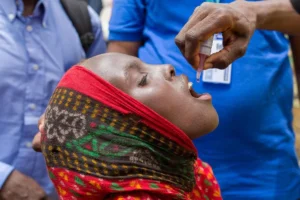
The WHO’s investigation focused on a basket of 25 essential "tracer services," revealing an average disruption rate affecting half of these crucial areas across responding countries. The sheer breadth of affected services highlights the systemic nature of the crisis. Foremost among the impacted areas were preventive and routine care services, which form the bedrock of public health. Routine immunization programs, both outreach-based (70% disruption) and facility-based (61% disruption), faced severe setbacks. Such interruptions carry dire implications, potentially leading to a resurgence of vaccine-preventable diseases and reversing decades of progress in child health.
Non-communicable diseases (NCDs) diagnosis and treatment experienced significant disruptions in 69% of countries. This category includes chronic conditions like heart disease, diabetes, and respiratory illnesses, where consistent care is vital to prevent severe complications and premature mortality. Similarly, family planning and contraception services were disrupted in 68% of nations, raising concerns about unintended pregnancies, maternal health outcomes, and women’s reproductive autonomy. Mental health disorder treatment, already an underserved area globally, saw disruptions in 61% of countries, at a time when pandemic-related stress, anxiety, and isolation were surging.
Cancer diagnosis and treatment, often requiring complex, time-sensitive interventions, were interrupted in 55% of countries. Delays in screening, diagnosis, and therapy for oncological conditions are known to worsen prognoses and reduce survival rates. Furthermore, progress against major infectious diseases was also imperiled. Malaria diagnosis and treatment were disrupted in 46% of countries, tuberculosis case detection and treatment in 42%, and antiretroviral therapy (ART) for HIV in 32%. These setbacks threaten to undermine years of investment and effort in combating these diseases, potentially leading to increased morbidity, mortality, and the emergence of drug resistance.
Even emergency services, which are critical for immediate life-threatening conditions, were not spared. Nearly a quarter of all responding countries reported disruptions in vital emergency care. Specifically, 24-hour emergency room services were affected in 22% of countries, urgent blood transfusions in 23%, and emergency surgery in 19%. The consequences of such interruptions are immediate and often catastrophic, underscoring the extreme fragility of health systems under pandemic strain. While some service suspensions, such as dental care and rehabilitation, were deliberately implemented by governments to control infection transmission or reallocate resources, the widespread nature of other disruptions is expected to yield severe short-, medium-, and long-term health consequences for populations.
Multifaceted Causes: A Confluence of Supply and Demand Pressures
The reasons behind these widespread disruptions are complex, stemming from a combination of factors affecting both the supply and demand sides of healthcare provision. On the demand side, a significant 76% of countries reported reductions in outpatient care attendance. This was largely attributed to factors such as government-mandated lockdowns and mobility restrictions, which made it difficult for patients to access facilities. Financial difficulties, exacerbated by economic downturns, also played a role, as many individuals found themselves unable to afford care or transportation. A pervasive fear of contracting COVID-19 within healthcare settings further deterred patients from seeking necessary medical attention, even for serious conditions.
From the supply perspective, the most commonly cited factor was the cancellation of elective services, reported by 66% of countries. This was often a strategic decision to free up hospital beds, medical equipment, and healthcare personnel to manage the surge in COVID-19 patients. However, this reallocation came at a significant cost to other patient populations. Staff redeployment to dedicated COVID-19 relief efforts left many departments understaffed. Additionally, facility closings, either temporary or permanent, further limited access. Critical interruptions in the global supply chains for medical equipment, personal protective equipment (PPE), and essential health products also severely hampered the ability of health systems to deliver care. The sudden, unprecedented demand for certain medical supplies led to shortages, price gouging, and logistical bottlenecks, leaving many countries ill-equipped.
Disproportionate Burden on Vulnerable Nations
The survey clearly indicated that low- and middle-income countries experienced the greatest difficulties in maintaining essential services. This disproportionate impact is not surprising, as these nations often operate with pre-existing, weaker health infrastructures, characterized by fewer healthcare professionals per capita, limited specialized equipment, and constrained budgets. Their health systems frequently rely on external aid, which itself can be disrupted during global crises. Furthermore, these countries often face a higher burden of infectious diseases and chronic conditions, meaning disruptions to services like immunization, malaria, TB, and HIV treatment have particularly devastating consequences for their populations, potentially undoing years of public health progress. The lack of robust social safety nets and widespread poverty in these regions also means that financial barriers to care are more pronounced, making the "user fees" issue even more critical.
Adapting Strategies and the Path Forward
In response to these challenges, many countries have begun to implement strategies recommended by the WHO to mitigate service disruptions. These adaptations include triaging patients to prioritize urgent cases, shifting towards online patient consultations and telemedicine, adjusting prescribing practices to optimize drug availability, and innovating supply chain management. Public health information campaigns have also been crucial in guiding populations on safe access to care and promoting preventive measures.
However, a notable gap remains in the implementation of one key WHO recommendation: the removal of user fees for health services. Only 14% of countries reported waiving these fees, despite the significant financial difficulties faced by patients during the pandemic. This highlights a persistent challenge in ensuring equitable access to care, particularly in systems heavily reliant on out-of-pocket payments.
Dr. Tedros Adhanom Ghebreyesus, the WHO Director-General, reflected on the survey’s implications, stating, "The survey shines a light on the cracks in our health systems, but it also serves to inform new strategies to improve healthcare provision during the pandemic and beyond. COVID-19 should be a lesson to all countries that health is not an ‘either-or’ equation. We must better prepare for emergencies but also keep investing in health systems that fully respond to people’s needs throughout the life course." His words underscore the critical need for a dual approach: strengthening emergency preparedness while simultaneously building resilient, comprehensive health systems capable of addressing the full spectrum of human health needs.
To support countries in navigating these ongoing challenges, the WHO is developing the "COVID19: Health Services Learning Hub." This web-based platform is designed to facilitate the sharing of experiences and innovative country practices, fostering collective global learning and response. The organization is also devising additional surveys at sub-national and facility levels to gather more granular data on the longer-term impacts of disruptions. This detailed information will be crucial for helping countries weigh the benefits and risks of different mitigation strategies and adapt their responses as the pandemic evolves.
While pulse surveys, by their nature, provide a snapshot and rely on self-reported data from senior officials, this particular assessment stands out for its comprehensive scope, examining 25 core health services across more than 100 countries. It offers a unique, comparable overview of service disruptions globally, revealing that even robust health systems can be rapidly overwhelmed. The findings unequivocally reinforce the urgent necessity for sustained data collection, agile strategic adaptations, and, most importantly, substantial, sustained investment in resilient health systems that can withstand future shocks while continuing to deliver essential care to all populations. The pandemic has laid bare the interconnectedness of global health and the imperative to build stronger foundations for health security and universal health coverage.

Related News