Ketogenic Diet Outperforms Mediterranean and Low-Fat Regimens in Halving Liver Fat Accumulation and Reversing Prediabetes Markers
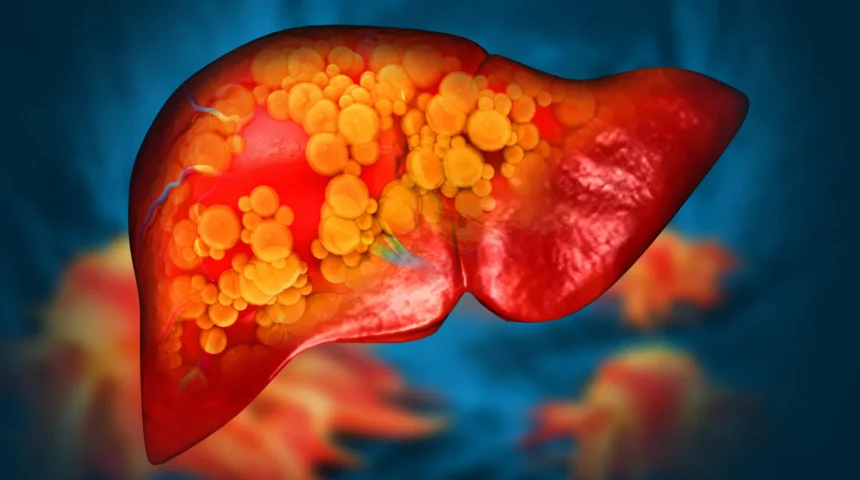
A groundbreaking clinical investigation has unveiled compelling evidence suggesting that a ketogenic dietary approach can yield significantly more profound improvements in liver health and metabolic markers compared to Mediterranean and conventional low-fat diets, even when overall weight loss remains comparable. This research, meticulously designed to isolate the impact of dietary composition from sheer caloric reduction, indicates that the specific macronutrient profile of food intake plays a critical role in mitigating conditions such as non-alcoholic fatty liver disease (NAFLD) and prediabetes. The findings, published in the esteemed journal Cell Metabolism, challenge the notion that weight loss is the sole determinant of metabolic improvement, underscoring the distinct therapeutic potential of drastically reducing carbohydrate consumption.
The pervasive issue of obesity, affecting an estimated 40% of the adult population in the United States, serves as a backdrop to escalating public health concerns, including an increased predisposition to type 2 diabetes, cardiovascular disease, and hepatic steatosis. In response, healthcare professionals frequently advocate for dietary interventions aimed at facilitating weight reduction and enhancing metabolic well-being—a multifaceted concept encompassing the body’s efficiency in processing energy, regulating blood glucose, and managing lipid profiles. Among the most frequently recommended dietary strategies are low-carbohydrate, low-fat, and Mediterranean eating patterns, each recognized for its potential to support weight loss, yet their differential impacts on metabolic health, independent of equivalent weight loss, have remained a subject of ongoing scientific inquiry.
These distinct dietary frameworks are characterized by substantial variations in their nutritional makeup. Low-carbohydrate approaches, such as the Atkins diet and the ketogenic diet, impose strict limitations on carbohydrate intake. Conversely, low-fat diets may derive up to 70% of their caloric content from carbohydrates. The Mediterranean diet, lauded for its emphasis on plant-based foods like vegetables, nuts, and olive oil, also incorporates moderate portions of fish and dairy. The ketogenic diet, in contrast, often includes a substantial proportion of fats, frequently sourced from animal products, which can encompass saturated fats.
To systematically evaluate the comparative efficacy of these prevalent dietary strategies, researchers at Washington University School of Medicine in St. Louis, Missouri, orchestrated a rigorously controlled clinical trial involving 42 adult participants diagnosed with obesity, prediabetes, and fatty liver disease. Prediabetes, a state where blood glucose levels exceed normal parameters but have not yet reached the diagnostic threshold for type 2 diabetes, represents a critical window for intervention. Fatty liver disease, characterized by the accumulation of excess fat within liver cells, can significantly impair the liver’s crucial metabolic regulatory functions.
The cornerstone of this study was its meticulous design, which ensured that participants adhered strictly to their assigned dietary regimens. The research team provided all meals for the participants and facilitated weekly consultations with registered dietitians, thereby minimizing confounding variables and maximizing adherence. Participants were randomly allocated to one of three distinct dietary groups: ketogenic, Mediterranean, or a low-fat, plant-centric diet. This randomization process was crucial for ensuring that any observed differences could be attributed to the dietary interventions themselves rather than pre-existing participant characteristics.
The macronutrient compositions of the assigned diets were starkly divergent. Participants in the ketogenic group consumed a diet where carbohydrates constituted a mere 4% of daily caloric intake, with fats providing a substantial 73%. The Mediterranean group’s diet comprised approximately 50% carbohydrates and 35% fats. In contrast, the plant-forward, low-fat group derived roughly 70% of its calories from carbohydrates and only 15% from fats. A pivotal aspect of the study’s design was the meticulous adjustment of individual calorie intake across all groups to achieve a target weight loss of approximately 10% of each participant’s baseline body weight. This objective was met over a period of four to five months, establishing a critical baseline for comparison.
Upon completion of the intervention period, all three dietary groups demonstrated notable improvements, including reductions in overall body fat and enhanced insulin sensitivity. Insulin, a vital hormone responsible for facilitating glucose uptake from the bloodstream into cells for energy utilization, plays a central role in metabolic health. Increased insulin sensitivity signifies a more efficient bodily response to this hormone, contributing to the maintenance of stable blood glucose levels. However, the remarkable convergence of benefits among the groups largely ceased at this juncture, with the ketogenic diet emerging as a clear frontrunner in specific metabolic improvements.
The ketogenic diet was associated with a dramatic reduction in liver fat, averaging an impressive 67% decrease among participants in this group. This figure stands in sharp contrast to the 45% reduction observed in both the Mediterranean and low-fat dietary cohorts. Crucially, given that the weight loss achieved across all groups was comparable, this pronounced difference in liver fat reduction strongly suggests that the restriction of carbohydrates, rather than solely the loss of body mass, exerts a direct and potent influence on hepatic fat metabolism. To delve deeper into these mechanisms, researchers collected serial blood samples over a 24-hour period, enabling them to monitor dynamic changes in hormones that govern energy metabolism.
Analysis of these samples revealed significant hormonal shifts. The ketogenic group exhibited a more pronounced elevation in glucagon, a hormone that plays a key role in mobilizing stored energy and promoting the breakdown of fat reserves within the liver. Concurrently, participants adhering to the ketogenic diet experienced the most substantial decline in insulin levels, a physiological adaptation that can further contribute to mitigating fat accumulation in the liver.
Perhaps one of the most unexpected and noteworthy findings was the absence of any adverse effects on blood lipid profiles. Despite deriving nearly three-quarters of their daily calories from fat, individuals in the ketogenic group did not exhibit an increase in their blood fat or cholesterol levels throughout the study duration. This observation challenges long-held assumptions about the impact of high-fat diets on cardiovascular risk markers, suggesting a more nuanced interplay between dietary fat, carbohydrate intake, and lipid metabolism.
Beyond its impact on liver fat, the ketogenic diet demonstrated a remarkable capacity to reverse markers of prediabetes. Following the four-to-five-month intervention, approximately 50% of participants assigned to the ketogenic diet no longer met the diagnostic criteria for prediabetes. This contrasts significantly with the Mediterranean diet group, where 29% achieved similar remission, and the low-fat, plant-forward group, where only 7% reached this milestone. The implications of this finding are substantial, as prediabetes represents a significant risk factor for the progression to type 2 diabetes. Achieving remission from prediabetes is a critical public health objective, although it is important to note that sustained lifestyle changes are often necessary to maintain this remission.
These divergent outcomes highlight a critical distinction in the understanding of weight management: while weight loss and the improvement of metabolic health are intimately linked, they are not invariably synonymous. The specific composition of an individual’s diet appears to exert an independent influence on how the body processes glucose, stores adipose tissue, and responds to hormonal signals, even when the magnitude of weight loss is similar.
The study’s authors emphasize the growing relevance of these insights in the context of evolving obesity treatment landscapes. The advent and widespread availability of novel pharmacological agents, such as GLP-1 receptor agonists, have revolutionized obesity management by targeting hormonal pathways involved in appetite regulation and glucose homeostasis, enabling many individuals to achieve substantial and sustained weight loss. However, the findings from this research suggest that dietary composition can offer complementary and additive benefits that extend beyond the pharmacological effects alone.
While acknowledging the relatively small sample size and the limited duration of the trial, the meticulously controlled nature of this study provides robust evidence for the significant role that dietary composition plays in optimizing metabolic health. Future research endeavors, involving larger cohorts and extended follow-up periods, will be instrumental in elucidating the long-term sustainability of these benefits and further refining our understanding of the comparative advantages offered by various dietary paradigms. The research was generously supported by funding from the National Institutes of Health and the Foundation for Barnes-Jewish Hospital.
Related posts:

Related News