Global Health Accountability: WHO Establishes Independent Panel for Comprehensive COVID-19 Response Review
The World Health Organization (WHO) has initiated a critical, high-level independent inquiry into the global response to the ongoing COVID-19 pandemic. This pivotal undertaking, officially known as the Independent Panel for Pandemic Preparedness and Response (IPPPR), will be spearheaded by two exceptionally distinguished international leaders: Helen Clark, former Prime Minister of New Zealand and past Administrator of the United Nations Development Programme (UNDP), and Ellen Johnson Sirleaf, former President of Liberia and a Nobel Peace Prize laureate. The announcement marks a significant commitment by the global health body to rigorously assess the world’s collective actions and identify crucial lessons learned from one of the most profound public health crises in modern history.
The formation of the IPPPR directly fulfills a mandate issued through a landmark resolution adopted by WHO Member States during the unprecedented 73rd World Health Assembly, which convened virtually in May. This resolution, a testament to the international community’s collective desire for rigorous introspection, unequivocally called upon the WHO to initiate an extensive and independent evaluation of the global health response to the novel coronavirus. Its scope is intentionally broad and comprehensive, designed to delve into various dimensions of the international reaction—from initial detection and containment strategies to the efficacy of information sharing, the speed of vaccine and therapeutic development, and challenges in equitable distribution. The resolution underscored the shared understanding that a crisis of this magnitude demands an equally profound and transparent analysis to inform future strategies.
The selection of Ms. Clark and Ms. Sirleaf to co-chair the panel underscores the imperative for leadership that is both experienced and fiercely independent. Helen Clark brings decades of high-level governmental experience, having led New Zealand as Prime Minister for nine years, followed by a distinguished tenure as the head of UNDP, where she oversaw global development efforts and coordinated responses to complex humanitarian challenges. Ellen Johnson Sirleaf, Africa’s first elected female head of state, guided Liberia through post-conflict recovery and democratic transition, demonstrating exceptional resilience and leadership; her commitment to peace, reconciliation, and good governance earned her the Nobel Peace Prize. These diverse yet complementary backgrounds equip them with a unique understanding of both developed and developing nation perspectives, as well as the intricate geopolitical dynamics inherent in a global health crisis.
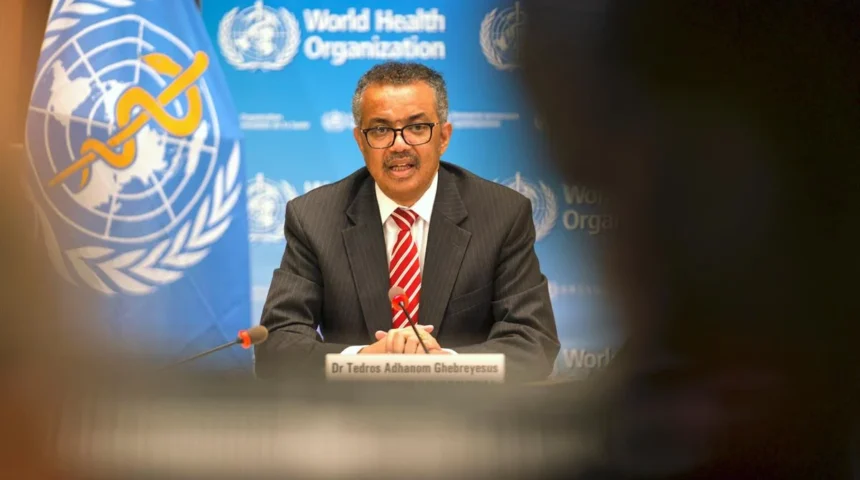
Emphasizing the foundational principle of impartiality and objectivity, WHO Director-General Dr. Tedros Adhanom Ghebreyesus highlighted the panel’s operational autonomy. Ms. Clark and Ms. Sirleaf, whose appointments followed extensive consultations with Member States and leading global health experts, are entrusted with the responsibility of independently selecting additional panel members. They will also oversee the establishment of an independent secretariat, tasked with providing essential logistical, research, and administrative support, thereby guaranteeing that the panel’s work remains insulated from undue influence or political pressure. Dr. Tedros lauded the co-chairs, remarking that he could not "imagine two more strong-minded, independent leaders to help guide us through this critical learning process," underscoring the trust placed in their ability to lead an unbiased and thorough review.
The global health landscape has been irrevocably altered by COVID-19, a pandemic of unparalleled scale, speed, and complexity. Since its emergence, the SARS-CoV-2 virus has rapidly spread across continents, affecting virtually every nation and presenting an unprecedented strain on national health systems, global economies, and societal structures. The sheer magnitude of its impact, encompassing millions of infections, hundreds of thousands of deaths, and profound disruptions to daily life, necessitated an equally robust and far-reaching evaluation. From the initial scramble for personal protective equipment to the rapid scientific advancements in vaccine development and the ongoing challenges of global equity in access, the pandemic exposed both remarkable strengths and critical vulnerabilities in national and international capacities. This panel’s formation acknowledges the global interconnectedness that facilitated the virus’s rapid spread and the varied, often fragmented, yet frequently heroic efforts undertaken to combat it.
Dr. Tedros underscored that this period demands profound "self-reflection" on a global scale. He articulated the necessity of critically examining the existing world order and identifying concrete, actionable avenues to bolster international collaboration in the collective endeavor to save lives and bring the pandemic under control. This introspection is not merely about attributing blame but rather about fostering a deeper understanding of systemic vulnerabilities, operational strengths, and the intricate interplay between public health, economic stability, and social well-being within the global health architecture. The Director-General’s remarks highlighted the WHO’s proactive commitment to facilitating a transparent process that promotes shared learning, builds consensus, and strengthens collective action in the face of future health threats.
It is important to note that the IPPPR’s work is designed to complement, rather than supersede, other ongoing oversight mechanisms within the WHO framework. The Independent Oversight and Advisory Committee for the WHO Health Emergencies Programme, for instance, will continue its established functions, providing continuous scrutiny of the organization’s specific emergency response capabilities. This layered approach ensures a multi-faceted review of both the WHO’s internal operations and the broader global health security frameworks. The IPPPR’s distinct mandate focuses on the entire global response, encompassing the actions and interactions of all relevant actors—governments, international organizations, civil society, and the private sector—extending beyond just the WHO’s direct operational performance.
The work of the IPPPR is structured around a carefully phased timeline, engineered to ensure both thoroughness and timely reporting. An initial progress report from the panel is slated for discussion during a Special Session of the WHO Executive Board in September, providing an early overview of their methodologies and initial findings. This will be followed by the presentation of an interim report to the resumed World Health Assembly in November, offering a more developed snapshot of their inquiry. Further in-depth discussions regarding the panel’s evolving findings will take place during the Executive Board’s regular session in January 2021. The culmination of this extensive inquiry will be the presentation of the panel’s substantive and comprehensive final report to the World Health Assembly in May of next year, which is anticipated to contain definitive recommendations for future action and systemic reforms.
Beyond the immediate crisis, this independent evaluation serves as a crucial platform for preparing the world for future global outbreaks and other interconnected challenges. Dr. Tedros articulated a forward-looking vision that extends beyond the current pandemic, emphasizing the critical necessity to ready global systems for other pressing challenges of our era, including the escalating threat of antimicrobial resistance, persistent global inequalities in health and access, and the pervasive climate crisis. He posited that while COVID-19 has exacted an immense toll on lives and livelihoods, it simultaneously presents a singular opportunity to depart from conventional approaches and to "build back better"—a widely adopted concept advocating for more resilient, equitable, and sustainable systems across all sectors. This involves leveraging the painful lessons learned from the pandemic to foster a more robust, prepared, and just global future, where health security is seen as an integral part of broader sustainable development.
The formation of the Independent Panel for Pandemic Preparedness and Response signifies a collective global commitment to accountability, learning, and systemic improvement in the realm of public health governance. By bringing together exceptional leadership and fostering an environment of rigorous, independent inquiry, the WHO aims to harness the critical insights gained from the unprecedented COVID-19 experience. The panel’s ultimate findings and recommendations are anticipated to be instrumental in reshaping international health regulations, strengthening early warning and rapid response systems, enhancing multilateral cooperation mechanisms, and ultimately equipping the world with more effective tools and strategies to mitigate the impact of future pandemics and address interconnected global health threats. This proactive and reflective approach is vital for safeguarding global health security and building a more resilient world for generations to come.
Related posts:

Related News