
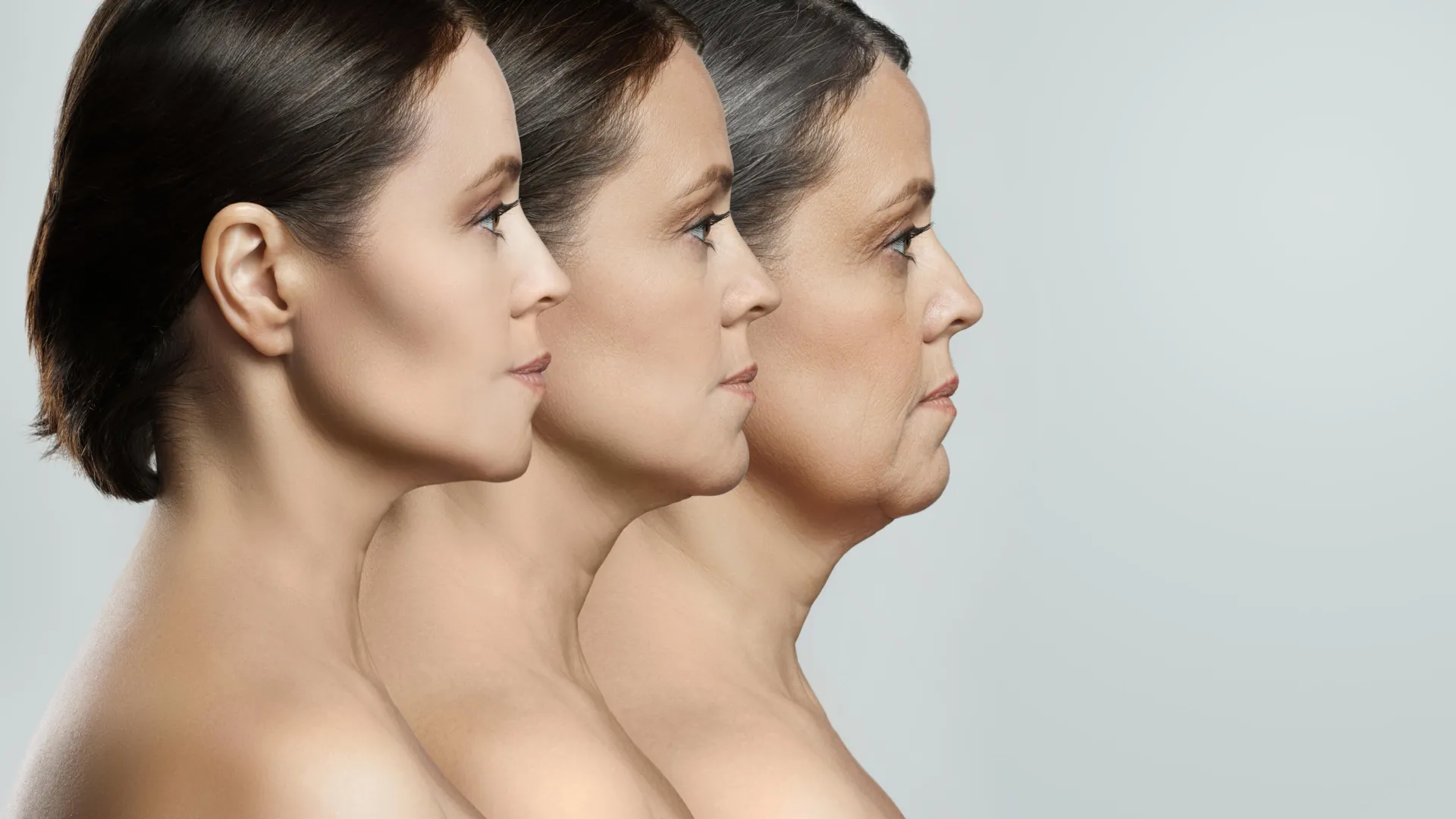
The conventional understanding of cancer development has long been rooted in the passage of time; as individuals age, their cellular machinery accrues damage, increasing the likelihood of malignant transformation. However, a disquieting trend has emerged, revealing a significant uptick in cancer diagnoses among younger demographics, with each successive generation seemingly confronting a heightened susceptibility compared to their predecessors. This escalating phenomenon has propelled scientific inquiry into a compelling hypothesis: are contemporary generations undergoing a process of accelerated biological maturation, leading their bodies to exhibit signs of aging at a pace that outstrips their chronological years?
New research originating from the Washington University School of Medicine in St. Louis offers compelling evidence to support this notion, suggesting that younger cohorts are, indeed, experiencing a more rapid biological aging trajectory than earlier generations did at equivalent life stages. This investigation, undertaken as part of a broader international collaborative effort involving researchers from the Siteman Cancer Center and the Cancer Grand Challenges initiative—a global partnership co-founded by the National Cancer Institute and Cancer Research U.K.—aims to unravel the complex etiologies behind these observed changes.
Crucially, the study’s findings establish a direct correlation between this expedited biological aging and an increased predisposition to early-onset cancers, typically defined as malignancies diagnosed at or before the age of 55. This divergence between an individual’s actual age and their biological age—a measure reflecting the physiological wear and tear on cellular and organ systems—appears to be a critical factor in understanding this emerging public health concern. While chronological age simply marks the number of years one has lived, biological age offers a more nuanced portrait of cellular and systemic vitality.
The research indicates that as the disparity between biological and chronological age widens, so too does the risk of developing cancer. Individuals from more recent birth cohorts exhibited a more pronounced gap between their biological and chronological ages compared to those born in earlier eras, signifying that their bodies were, in essence, biologically older at the same chronological point in life. This generational shift in biological aging could, therefore, account for a substantial portion of the observed increase in cancer incidence among younger adults.
Furthermore, the study illuminated that this accelerated aging process does not uniformly affect all bodily systems; rather, the accelerated aging of specific organs or tissues was found to be intricately linked to particular types of early-onset cancers. For instance, an immune system exhibiting signs of advanced biological aging was associated with a heightened risk of early-onset lung cancer, while adipose tissue demonstrating accelerated aging was linked to an increased likelihood of early-onset colorectal cancer. These granular findings underscore the intricate, system-specific mechanisms at play.
The implications of this research are far-reaching, suggesting that metrics of accelerated biological aging could potentially serve as a novel tool for identifying younger individuals at exceptionally high risk for cancer. This predictive capability could pave the way for earlier initiation of preventive measures and screening protocols, thereby shifting the paradigm of cancer management towards proactive intervention. Dr. Yin Cao, a leading molecular epidemiologist involved in the study, articulated this vision: "Our ultimate goal is to decode how modern environments become biologically embedded to drive cancer risk, transforming prevention from broad recommendations to personalized interventions. This brings us closer to identifying risk earlier and developing prevention strategies that are tailored to an individual’s biology."
Prior investigations by Dr. Cao’s team had explored numerous individual risk factors influencing cancer development over a lifetime, including factors such as obesity, metabolic dysfunction, alcohol consumption, sedentary lifestyles, suboptimal dietary habits, and even the mode of delivery at birth. While each of these elements contributes to our understanding of why cancer might manifest at younger ages, no single factor has been sufficient to explain the entirety of the observed trend. This led the researchers to seek a more holistic approach, one that could capture the cumulative impact of multiple interconnected influences on cancer susceptibility over time.
The significant support from Cancer Grand Challenges has empowered Dr. Cao, as co-lead of Team PROSPECT, to undertake this expansive line of inquiry. For their groundbreaking study, the research team meticulously analyzed data from a substantial cohort of over 154,000 young adults participating in the UK Biobank, a repository of extensive biological, health, and lifestyle information. Complementing this dataset, they also examined data from more than 10,000 participants within the United States who are enrolled in the National Institutes of Health’s (NIH) All of Us Research Program, a monumental initiative aimed at constructing a comprehensive health database encompassing over a million individuals across the U.S.
To quantify biological aging, the researchers, including lead author Ruiyi Tian, a doctoral candidate in Dr. Cao’s laboratory, employed two distinct assessment frameworks: systemic aging, which gauges the overall aging process of the body, and organ-specific aging, which estimates the rate at which individual organs or biological systems are aging. For systemic aging, the team utilized established methodologies that rely on clinical biomarkers, such as PhenoAge and the Klemera-Doubal Method, alongside a metabolomic age score designed to detect age-related alterations in an individual’s metabolic profile. PhenoAge, for example, synthesizes nine blood biochemistry markers, including albumin (produced by the liver) and creatinine (a waste product filtered by the kidneys), to estimate biological age.
In assessing organ-specific aging, the researchers delved into blood proteomic data, analyzing the levels of numerous proteins intricately linked to distinct organ systems. These protein patterns were then leveraged to derive estimates for the biological age of individual organs. The research methodology involved calculating the average deviation between biological and chronological age within each defined birth cohort and subsequently employing standard deviation to quantify the degree to which each group’s aging profile differed from the overall study average, thereby measuring the dispersion of data points around the mean.
The generational disparities in biological aging were consistently observed across both the UK and U.S. participant groups. Within the UK cohort, individuals born between 1965 and 1974 exhibited systemic aging that was 23% of one standard deviation higher than those born between 1950 and 1954, even after controlling for chronological age. This translates to a tendency for younger generation members to possess slightly more aged biological profiles when compared to older generation members at the same chronological age. The divergence was even more pronounced in the U.S. data, where participants born between 1990 and 1999 displayed systemic aging that was 92% of one standard deviation higher than those born between 1965 and 1969, indicating a significantly accelerated aging trajectory for the most recent cohort.
Following the establishment of these biological aging differences, the researchers proceeded to investigate their connection to cancer risk. The findings revealed that heightened systemic aging in younger cohorts was associated with an 8% elevated risk of early-onset solid cancers, with the most robust associations observed for lung, gastrointestinal, and uterine cancers. Further stratification of participants into three groups based on their level of systemic aging unveiled another significant pattern: individuals exhibiting the most advanced systemic aging demonstrated a 15% increased risk of early-onset solid cancer compared to those with the least advanced aging. This association remained statistically significant even after accounting for inherited genetic predispositions to cancer and genetic susceptibility to accelerated aging.
The exploration of individual biological systems provided more specific insights. Advanced aging of the immune system was linked to a greater risk of early-onset lung cancer, while accelerated aging in adipose (fat) tissue was correlated with an increased likelihood of early-onset colorectal cancer. Dr. Cao reiterated the practical implications: "If we can identify younger people with the highest cancer risk when they are still healthy, we can focus on prevention and early-detection strategies for the individuals who will benefit most from early interventions."
This comprehensive research effort forms a critical component of Team PROSPECT, a collaborative initiative within Cancer Grand Challenges, an international research funding organization jointly established by Cancer Research UK and the National Cancer Institute. Cancer Grand Challenges unites scientists from diverse disciplines and geographical locations to tackle some of the most formidable challenges in cancer research, including the escalating incidence of early-onset cancers. Dr. David Scott, Director of Cancer Grand Challenges, commented on the significance of these findings: "Right now, we don’t have a definitive answer to what’s driving the rise of early-onset cancers around the world, but studies like this are helping us piece together the bigger picture, showing that cancer may be influenced not just by changes inside individual cells, but by wider changes happening across the body as a whole. Research on this scale is possible through Cancer Grand Challenges, which brings together scientists from different fields around the world to tackle these complex questions together."
Dr. Cao and her colleagues are actively engaged in further research to elucidate the underlying causes of cancer’s increasing prevalence among younger generations. A primary focus of their ongoing work involves understanding how environmental factors, lifestyle choices, and societal shifts may imprint lasting biological effects on the body, including accelerated aging and other vulnerabilities that predispose individuals to disease. By meticulously tracing the accumulation of these risks throughout the lifespan, researchers aspire to uncover more about the fundamental biological origins of early-onset cancers. The ultimate objective extends beyond merely understanding why cancer emerges earlier in life; it aims to identify individuals at elevated risk while they remain in good health. This predictive power could facilitate the advancement of prevention and screening efforts and enable the development of personalized interventions, thereby shifting the focus of cancer care towards preventing the disease before it even begins.
About the Author












