
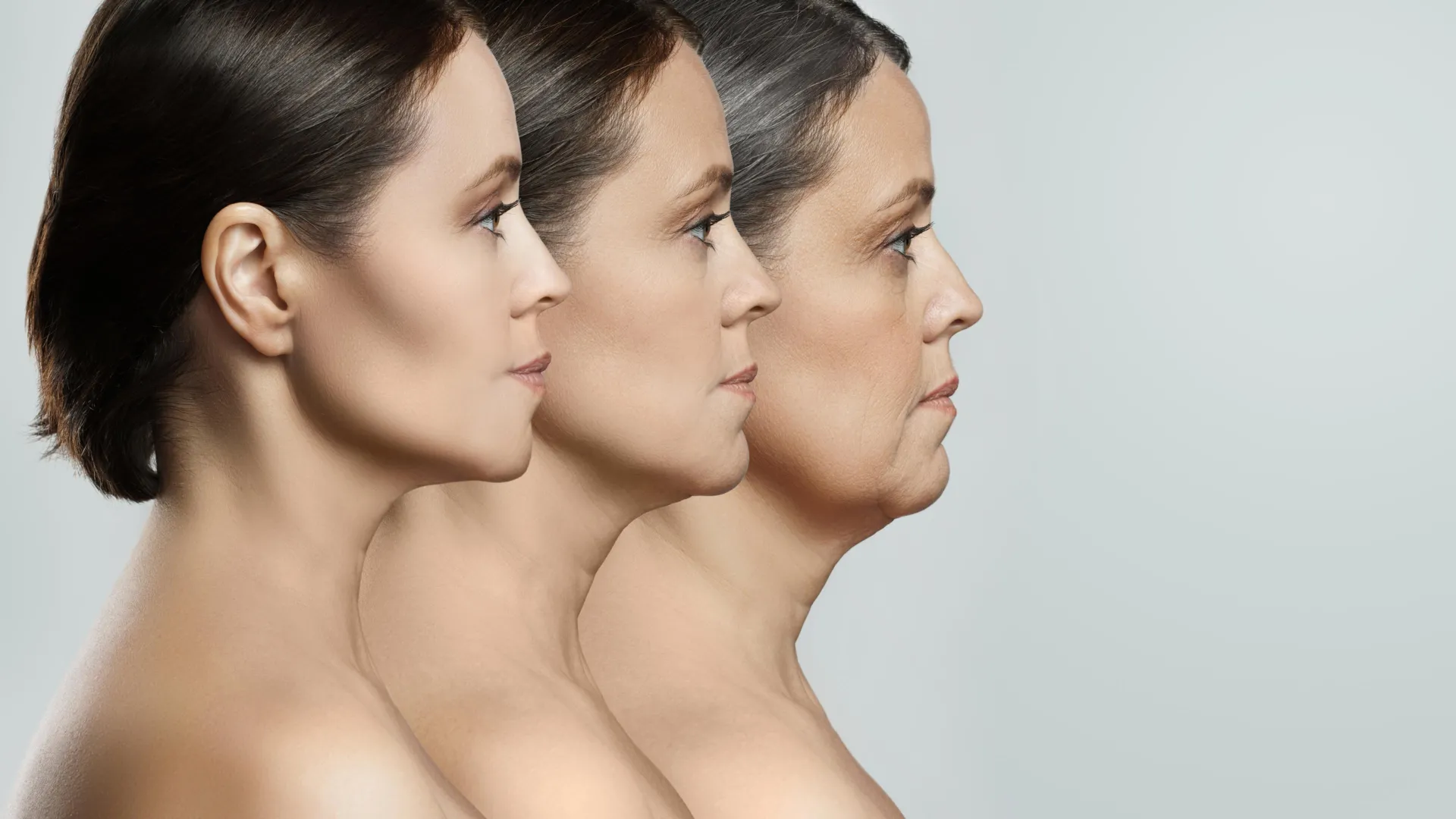
A growing body of scientific inquiry is exploring a compelling hypothesis that could illuminate the perplexing rise in cancer diagnoses among younger demographics: the possibility that successive generations are experiencing accelerated biological aging. This phenomenon, where an individual’s physiological systems appear older than their chronological age suggests, is being investigated as a key factor contributing to the observed increase in cancers typically diagnosed in later life, now manifesting with concerning frequency in adults under 55. Researchers posit that the cumulative impact of environmental, lifestyle, and societal shifts may be imprinting biological changes that predispose individuals to disease development at earlier stages of life.
Evidence suggesting that younger generations exhibit faster biological aging compared to their predecessors has been presented by a significant study spearheaded by scientists at the Washington University School of Medicine in St. Louis. This research, which forms a cornerstone of broader international collaborative efforts under the Cancer Grand Challenges initiative, a joint endeavor between the National Cancer Institute and Cancer Research U.K., indicates a tangible divergence in the aging trajectories of different birth cohorts. The implications are profound, suggesting that the very definition of aging and its relationship to disease risk may need re-evaluation in light of contemporary human experience.
At the heart of this investigation lies the distinction between chronological age, the simple passage of years since birth, and biological age, a more nuanced measure reflecting the functional status and accumulated wear-and-tear across cellular, metabolic, and organ systems. While chronological age has historically been a primary determinant of cancer risk, due to the increased opportunity for cellular damage over time, the current trend of earlier cancer onset challenges this paradigm. The Washington University study found a direct correlation: as the disparity between an individual’s biological age and their chronological age widened, so too did their risk of developing cancer. This "gap" between perceived biological youth and actual years lived appears to be widening with each successive generation.
The research meticulously analyzed data from over 154,000 participants within the UK Biobank, a comprehensive repository of biological, health, and lifestyle information, alongside data from more than 10,000 individuals enrolled in the U.S. National Institutes of Health’s All of Us Research Program. This dual-country approach lends significant weight to the findings, demonstrating a consistent generational pattern across different populations. The study employed sophisticated methods to quantify biological aging, utilizing both systemic aging metrics, which assess overall physiological wear, and organ-specific aging assessments, which pinpoint the rate of aging within particular bodily systems.
To gauge systemic aging, researchers employed established biomarkers, including PhenoAge, which analyzes nine blood biochemistry markers such as albumin and creatinine, and the Klemera-Doubal Method. Additionally, a metabolomic age score was utilized to capture age-related metabolic alterations. For organ-specific aging, the analysis delved into blood proteomic data, examining the abundance of proteins linked to distinct organ systems to estimate their biological age. The calculation involved determining the average difference between biological and chronological age within defined birth cohorts and then measuring the standard deviation to quantify how much each group deviated from the overall study average.
The results were striking. Within the UK cohort, individuals born between 1965 and 1974 exhibited systemic aging that was approximately 23% of one standard deviation higher than those born between 1950 and 1954, even after accounting for their chronological age. This translates to a discernible trend of younger generations presenting with biological profiles that appear older at comparable chronological ages. The divergence was even more pronounced in the U.S. data, where participants born between 1990 and 1999 displayed systemic aging 92% of one standard deviation higher than those born between 1965 and 1969. This generational shift in biological age, researchers contend, offers a plausible explanation for a significant portion of the increase in early-onset cancers.
Crucially, the study established a direct link between accelerated biological aging and an elevated risk of developing early-onset cancers. Specifically, greater systemic aging was associated with an 8% increased risk of solid cancers diagnosed before age 55. This association was particularly strong for lung, gastrointestinal, and uterine cancers. When participants were stratified into groups based on their level of systemic aging, a clear dose-response relationship emerged: individuals exhibiting the most advanced systemic aging faced a 15% greater risk of early-onset solid cancer compared to those with the least advanced aging. This heightened risk persisted even after controlling for inherited genetic predispositions to cancer and susceptibility to accelerated aging.
Further granularity was achieved by examining organ-specific aging. Advanced aging within the immune system was found to be significantly correlated with a higher incidence of early-onset lung cancer. Similarly, accelerated aging of adipose (fat) tissue was linked to an increased likelihood of early-onset colorectal cancer. These organ-specific associations underscore the complex, multi-faceted nature of cancer development and highlight how localized biological aging can contribute to specific cancer types.
The implications of these findings extend beyond merely understanding the "why" of early-onset cancers; they pave the way for proactive health strategies. Scientists envision a future where measurements of accelerated biological aging could serve as a critical tool for identifying younger individuals at disproportionately high risk for cancer. This early identification could enable the implementation of personalized prevention strategies and the initiation of screening protocols at a much earlier stage, potentially averting disease onset or facilitating earlier, more effective treatment.
Dr. Yin Cao, a leading molecular epidemiologist and associate professor at WashU Medicine, who co-led the study as part of the PROSPECT team within Cancer Grand Challenges, articulated this vision: "Our ultimate goal is to decode how modern environments become biologically embedded to drive cancer risk, transforming prevention from broad recommendations to personalized interventions. This brings us closer to identifying risk earlier and developing prevention strategies that are tailored to an individual’s biology." This personalized approach represents a paradigm shift in cancer care, moving from reactive treatment to proactive health management.
Previous research by Dr. Cao’s team has examined numerous individual risk factors for cancer, including obesity, metabolic dysregulation, alcohol consumption, sedentary lifestyles, poor dietary habits, and even the mode of delivery at birth. While each of these factors contributes to cancer risk over a lifetime, none individually could fully account for the widespread increase in early-onset cancers. This led the researchers to seek a more holistic measure, one that could capture the cumulative and interacting effects of multiple influences over time, and biological aging emerged as a promising candidate.
The Cancer Grand Challenges initiative plays a pivotal role in facilitating such large-scale, interdisciplinary research. By bringing together scientists from diverse fields and geographic locations, it tackles complex, long-standing problems in cancer research, such as the rising incidence of early-onset cancers. Dr. David Scott, Director of Cancer Grand Challenges, commented on the significance of this research: "Right now, we don’t have a definitive answer to what’s driving the rise of early-onset cancers around the world, but studies like this are helping us piece together the bigger picture, showing that cancer may be influenced not just by changes inside individual cells, but by wider changes happening across the body as a whole."
The ongoing work by Cao and her colleagues is focused on unraveling the specific environmental, societal, and lifestyle factors that may be imprinting these long-lasting biological changes, leading to accelerated aging and increased disease vulnerability. By tracing the accumulation of these risks throughout an individual’s life, researchers aim to pinpoint the biological origins of early-onset cancers. The ultimate aspiration is to not only understand the mechanisms behind earlier disease onset but to empower individuals with knowledge about their personal risk profiles while they are still healthy, thereby enabling timely interventions that could prevent cancer from ever developing.
About the Author












