
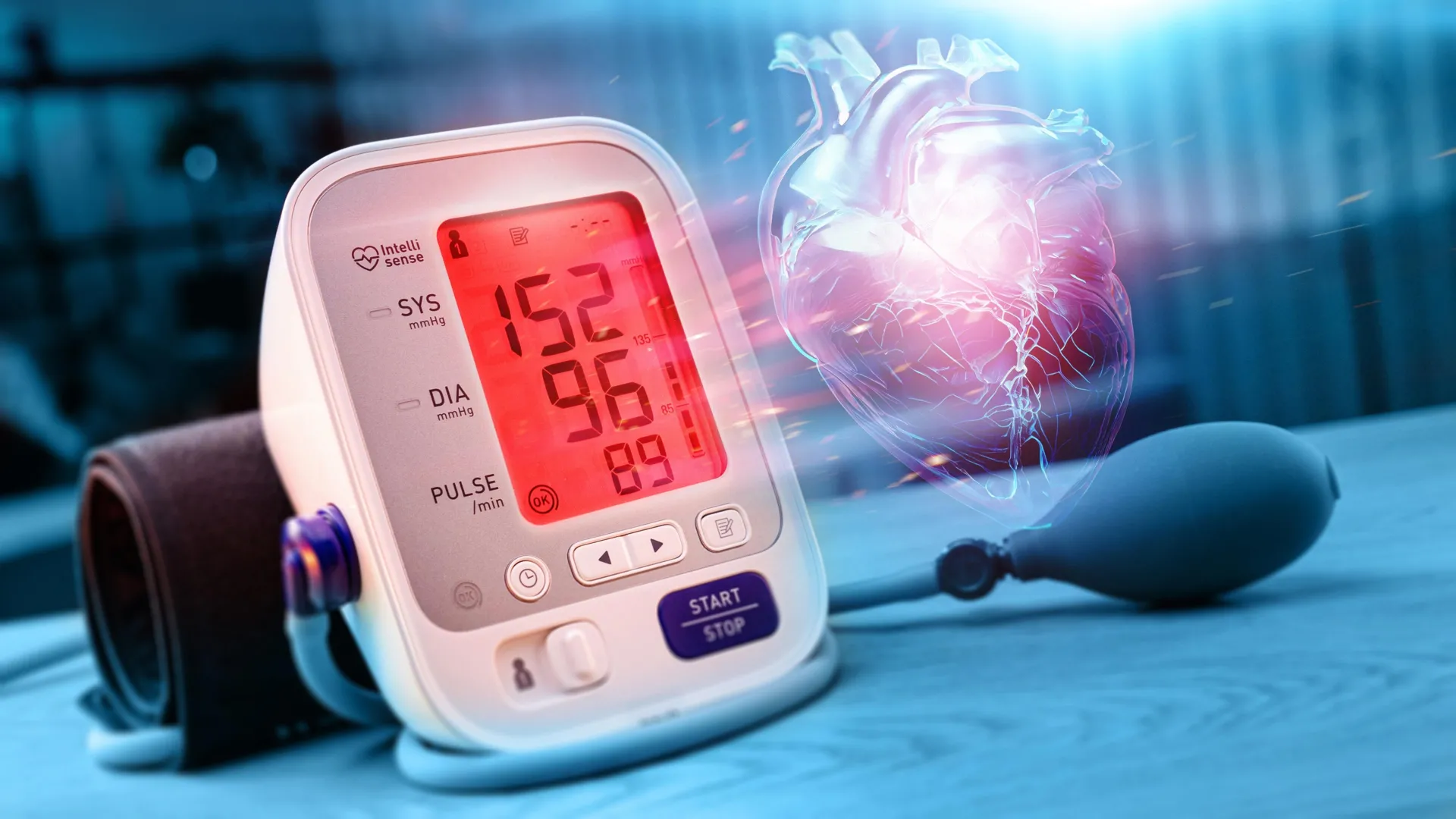
Hypertension, commonly known as high blood pressure, affects billions globally and stands as a leading preventable risk factor for cardiovascular disease, stroke, and kidney failure. While lifestyle modifications and conventional medications manage most cases, a significant proportion of hypertension, estimated to be up to one in five individuals, stems from an often-undiagnosed hormonal imbalance called primary aldosteronism. This condition, characterized by excessive production of the hormone aldosterone, poses heightened health risks beyond those of typical high blood pressure, including increased susceptibility to heart attacks, strokes, diabetes, and organ damage. A groundbreaking collaborative research effort, involving institutions from the UK, Norway, Sweden, and Greece, has unveiled a critical flaw in current diagnostic practices and proposed a revolutionary approach utilizing a novel wearable biosensor, offering renewed hope for earlier and more accurate identification of this elusive disorder.
The challenge in diagnosing primary aldosteronism lies in the inherently dynamic nature of hormone secretion. Aldosterone, a steroid hormone produced by the adrenal glands, plays a pivotal role in regulating the body’s salt and water balance, thereby influencing blood pressure. Traditional diagnostic protocols typically rely on single blood samples taken at specific times during the day. However, this snapshot approach is proving inadequate, as the new findings published in Science Translational Medicine reveal that aldosterone levels do not remain consistently elevated in affected individuals. Instead, the hormone often exhibits pulsatile bursts of activity, particularly during nocturnal hours, making it incredibly difficult to capture these abnormal peaks with conventional daytime blood draws. Consequently, many patients with primary aldosteronism remain undiagnosed, inadvertently increasing their risk of severe, preventable complications.
The multi-institutional research team, comprising experts from the University of Bristol and the University of Manchester in the UK, the University of Bergen in Norway, and collaborators in Stockholm and Athens, meticulously investigated the daily fluctuations of aldosterone and related hormones. Their pivotal discovery was the presence of "hidden" nocturnal surges in aldosterone production among individuals with primary aldosteronism. These nighttime spikes are of paramount importance because routine clinical blood tests are rarely, if ever, conducted during sleep. Dr. Eder Zavala, a UKRI Future Leader Fellow at the University of Manchester and senior author of the study, emphasized the significance of this revelation, stating, "By continuously monitoring hormones over 24 hours, we were able to reveal a previously hidden pattern of nocturnal hormone bursts. This gives us a much clearer understanding of the disease and could ultimately help doctors detect it earlier and treat patients more effectively."
To overcome the limitations of traditional spot testing and accurately capture these intermittent hormonal fluctuations, the research team employed an innovative portable device known as U-RHYTHM. Developed at the University of Bristol by Professor Stafford Lightman, the U-RHYTHM system represents a significant leap forward in ambulatory hormone monitoring. Unlike invasive hospital stays or complex laboratory setups, this lightweight, mobile phone-sized device attaches comfortably at the waist, allowing patients to undergo continuous hormone level tracking within the comfort of their own homes and while engaging in their normal daily routines, including sleeping. The device ingeniously samples hormones directly from the skin, enabling researchers to collect comprehensive, real-world data over extended periods without disrupting the participants’ lives. This capability to monitor physiological rhythms in naturalistic settings is a radical departure from conventional methods and holds immense promise for diagnosing conditions that exhibit temporal variability.
The proof-of-concept study enrolled 60 patients across the participating clinical sites in Bristol, Bergen, Stockholm, and Athens. Over a 24-hour period, the U-RHYTHM device meticulously measured hormone levels every 20 minutes. This unprecedented density of data points provided an intricate temporal map of aldosterone secretion, alongside two closely related hormones, 18-hydroxycortisol and 18-oxocortisol. The detailed computational analysis of these continuous profiles demonstrated that even in some of the more severe instances of primary aldosteronism, aldosterone levels could intermittently dip below the diagnostic thresholds typically used in standard single-point blood tests. This explains why many cases remain undetected; a single, ill-timed blood sample might simply coincide with a period of relatively normal hormone activity, leading to a false negative. The consistent observation of nocturnal, pulsatile aldosterone bursts, while maintaining an overall diurnal rhythm, provided compelling evidence of the disorder’s dynamic nature.
Crucially, these hormone spikes were found to originate from the adrenal glands, the small endocrine glands located atop the kidneys. The phenomenon was particularly pronounced in patients whose primary aldosteronism was caused by a problem affecting only one adrenal gland (unilateral disease), rather than both. Further strengthening the link between these bursts and the disease, the research team observed that these unusual hormone patterns completely disappeared after the affected adrenal gland was surgically removed. This outcome provided unequivocal evidence that the detected pulsatile secretions were directly associated with the underlying pathological condition.
The implications of these findings for clinical practice are profound. Dr. Thomas Upton, a Clinical Research Fellow at the University of Bristol and co-lead author, highlighted the significance, stating, "Primary aldosteronism is an important cause of high blood pressure and the most common cause of secondary hypertension we see in our blood pressure clinic. It could be affecting millions of people in the UK. However, due to the way hormones change during the day and the current complexity of the diagnostic process, diagnosis is often delayed or never made at all." The Endocrine Society’s clinical practice guidelines already recommend screening all individuals with hypertension for primary aldosteronism, underscoring its prevalence and importance. This new research suggests that clinicians may need to fundamentally rethink their diagnostic strategies, shifting away from static, single time-point blood tests towards dynamic, continuous monitoring that captures the body’s complete hormone rhythms, especially those occurring overnight.
The ability to identify primary aldosteronism earlier and more accurately offers a substantial opportunity to improve patient outcomes. Unlike essential hypertension, which is managed symptomatically, primary aldosteronism is a potentially curable form of high blood pressure. In cases of unilateral disease, surgical removal of the affected adrenal gland can normalize blood pressure and resolve the condition entirely. Even in bilateral cases, specific medications can effectively block aldosterone’s action, significantly reducing cardiovascular risks. Earlier detection facilitated by continuous monitoring could lead to timely intervention, mitigating the long-term damage to the heart, brain, and kidneys often associated with untreated high blood pressure and its specific hormonal etiology.
Looking ahead, the U-RHYTHM technology, which was adopted and further developed by the spinout company Dynamic Therapeutics in 2023, is poised to revolutionize not only the diagnosis of primary aldosteronism but potentially other endocrine disorders characterized by rhythmic or pulsatile hormone secretion. Dr. Zavala added that "a more detailed mathematical and computational analysis of daily hormonal profiles could eventually also help uncover earlier and more subtle forms of the disease, opening new opportunities to improve outcomes for patients living with high blood pressure." The findings underscore a paradigm shift in diagnostic medicine, moving from isolated measurements to comprehensive, dynamic physiological profiling, offering a clearer window into the complex interplay of hormones that govern human health. Further research will be crucial to define the optimal clinical pathways for integrating dynamic hormone measurement into routine practice, ensuring that this common and curable cause of high blood pressure is no longer missed.
This pivotal research was made possible through funding from a consortium of esteemed organizations, including EU Horizon 2020, the Trond Mohn Foundation, the UKRI Biotechnology and Biological Sciences Research Council (BBSRC), the Medical Research Council, University Hospitals Bristol and Weston NHS Foundation, the Swedish Medical Research Council, and the Knut and Alice Wallenberg Foundation. The study aligns with the University of Bristol’s overarching research ‘Grand Challenge’ focused on Understanding and Preventing Cardiovascular Disease, building upon NIHR-funded initiatives aimed at the earlier identification of individuals at risk of hypertension and other cardiovascular conditions.
About the Author









