European Cardiology and Nephrology Societies Unveil Joint Framework to Combat Intertwined Cardiovascular and Kidney Diseases
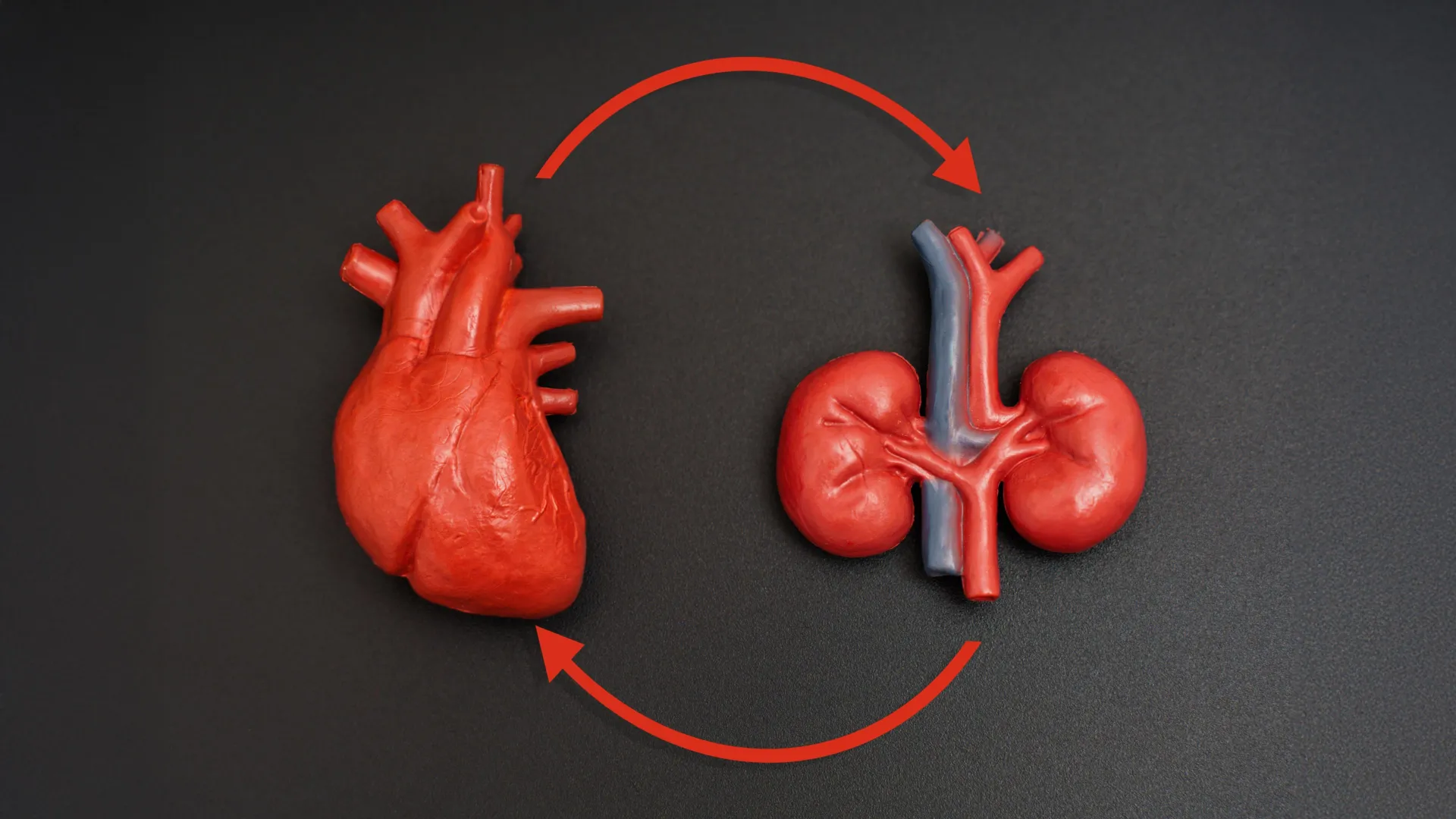
A groundbreaking set of recommendations, developed collaboratively by the European Society of Cardiology (ESC) and the European Renal Association (ERA), has been formally released, marking the first comprehensive guidelines specifically designed to address the intricate relationship between cardiovascular disease (CVD) and chronic kidney disease (CKD). These pivotal directives, published in the esteemed European Heart Journal and formally presented at the ESC Congress 2026, aim to fundamentally alter the approach to managing patients afflicted by these often-coexisting conditions. Chronic kidney disease, characterized by persistent structural or functional abnormalities of the kidneys lasting at least three months and impacting overall health, affects an estimated 100 million individuals across the European continent. Critically, CKD significantly amplifies the susceptibility to a wide spectrum of cardiovascular ailments, creating a dangerous synergy that exacerbates patient outcomes.
The profound implications of these intertwined diseases on patient well-being and longevity are underscored by the collaborative effort behind these guidelines. Associate Professor Kevin Damman of the University Medical Centre Groningen in the Netherlands, who served as Task Force Chair, articulated the severity of the situation, stating that the "disability and lifetime lost to each disease are profound." He elaborated on the vicious cycle, explaining that "CKD can accelerate CVD and vice versa, resulting in cardiovascular events and the need for dialysis much earlier in life." However, a note of optimism was also struck, as Prof. Damman highlighted recent therapeutic advancements, asserting that "there have been major advances over the last few years, which mean there are now several simple treatments that can substantially lower the risk of both cardiovascular and kidney complications." This dual threat necessitates a paradigm shift in clinical practice, prompting the guidelines to place a strong emphasis on the early detection of renal dysfunction in individuals already undergoing treatment for existing cardiovascular conditions.
Professor William Herrington from the University of Oxford in the UK, another Task Force Chair, emphasized the practical implications of these new recommendations. He observed that a significant proportion of patients with CKD are already within the purview of cardiology departments, and consequently, "the new ESC Guidelines aim to increase the use of kidney function and urine albumin testing in patients with CVD." The overarching goal is clear: through enhanced screening protocols, a greater number of at-risk individuals can be identified, thereby enabling the prescription of the most appropriate and effective treatments for both CKD and CVD. This proactive approach seeks to interrupt the detrimental feedback loop that links these two organ systems.
To provide a structured and actionable framework for clinicians, the Task Force has devised a mnemonic device, termed ‘STAMP on CKD,’ to encapsulate the core pillars of their recommendations. This acronym stands for Screen, Triage, Address CKD Risk, Modify CVD management, and Plan health services. Each component represents a critical step in the comprehensive management strategy. The foundational element, Screening, advocates for the routine assessment of all patients diagnosed with CVD for the presence of CKD. This diagnostic process involves standard blood and urine tests, specifically measuring the estimated glomerular filtration rate (eGFR) through serum creatinine levels and assessing the albumin-to-creatinine ratio in urine. This systematic approach ensures that early signs of kidney compromise are not overlooked in the cardiovascular patient population.
Following screening, the Triage phase focuses on a nuanced evaluation of each patient’s individual risk profile. This involves determining not only the likelihood of progressing to kidney failure but also a thorough assessment of their cardiovascular risk. The guidelines strongly recommend the utilization of validated risk stratification tools that explicitly incorporate kidney function parameters, thereby providing a more accurate and holistic prediction of future health events. This multi-faceted risk assessment is crucial for tailoring subsequent interventions.
The subsequent priority, Address CKD Risk, centers on the timely introduction of evidence-based, cost-effective therapeutic interventions. The objective is to implement these treatments early enough in the disease trajectory to effectively slow the progression of CKD and significantly reduce the incidence of cardiovascular events. Associate Prof. Damman specifically highlighted the pivotal role of certain drug classes in this regard, explaining that "early use of drugs called RAS inhibitors and SGLT2 inhibitors alongside statin-based therapy are particularly important and effective." These pharmacological agents have demonstrated a remarkable ability to mitigate the progression of both kidney and heart disease.
Furthermore, the guidelines address the critical need to adapt cardiovascular treatment regimens for individuals with compromised kidney function. The impaired ability of failing kidneys to metabolize and excrete certain medications necessitates careful consideration. Therefore, the recommendations provide explicit guidance on the safe and appropriate use of cardiovascular therapies when standard treatment options may pose risks or prove less effective due to altered pharmacokinetics. This tailored approach ensures that patients receive the maximum benefit from their treatment while minimizing potential adverse effects.
The final strategic element, Plan health services, emphasizes the imperative of organizing healthcare delivery systems to ensure that patients identified as being at the highest risk receive prompt and coordinated care. This involves fostering seamless communication and collaboration between cardiologists and nephrologists, recognizing that the complexities inherent in managing coexisting CKD and CVD often demand a multidisciplinary approach. Prof. Herrington underscored the necessity of "active and efficient communication between specialties" to navigate these intricate clinical scenarios. Moreover, the guidelines advocate for the active engagement of patients and their families or caregivers in the shared decision-making process. This patient-centered approach not only helps to align treatment goals with individual priorities and improve the overall patient experience but also promotes a more empowered and informed healthcare journey.
To facilitate broader understanding and empower patients, a dedicated patient version of the guidelines has also been developed. This resource is designed to enhance individuals’ comprehension of their conditions and equip them to participate more confidently in shared decision-making discussions with their healthcare providers. The Task Force Chairs concluded their remarks by emphasizing the substantial burden that CVD and CKD collectively impose on individuals, healthcare systems, and society at large. They urged all relevant healthcare stakeholders and policymakers to internalize the key messages within these guidelines and to proactively plan for future research endeavors aimed at addressing existing evidence gaps. Ultimately, the overarching hope is that by raising awareness and implementing these recommendations, significant improvements in individual health outcomes and broader societal well-being can be realized for those currently living with or at risk of developing these prevalent and interconnected diseases.

Related News