Cognitive Youthfulness Linked to Enhanced Linguistic Capacity: New Research Unveils Potential Brain Age Reversal Through Multilingualism.
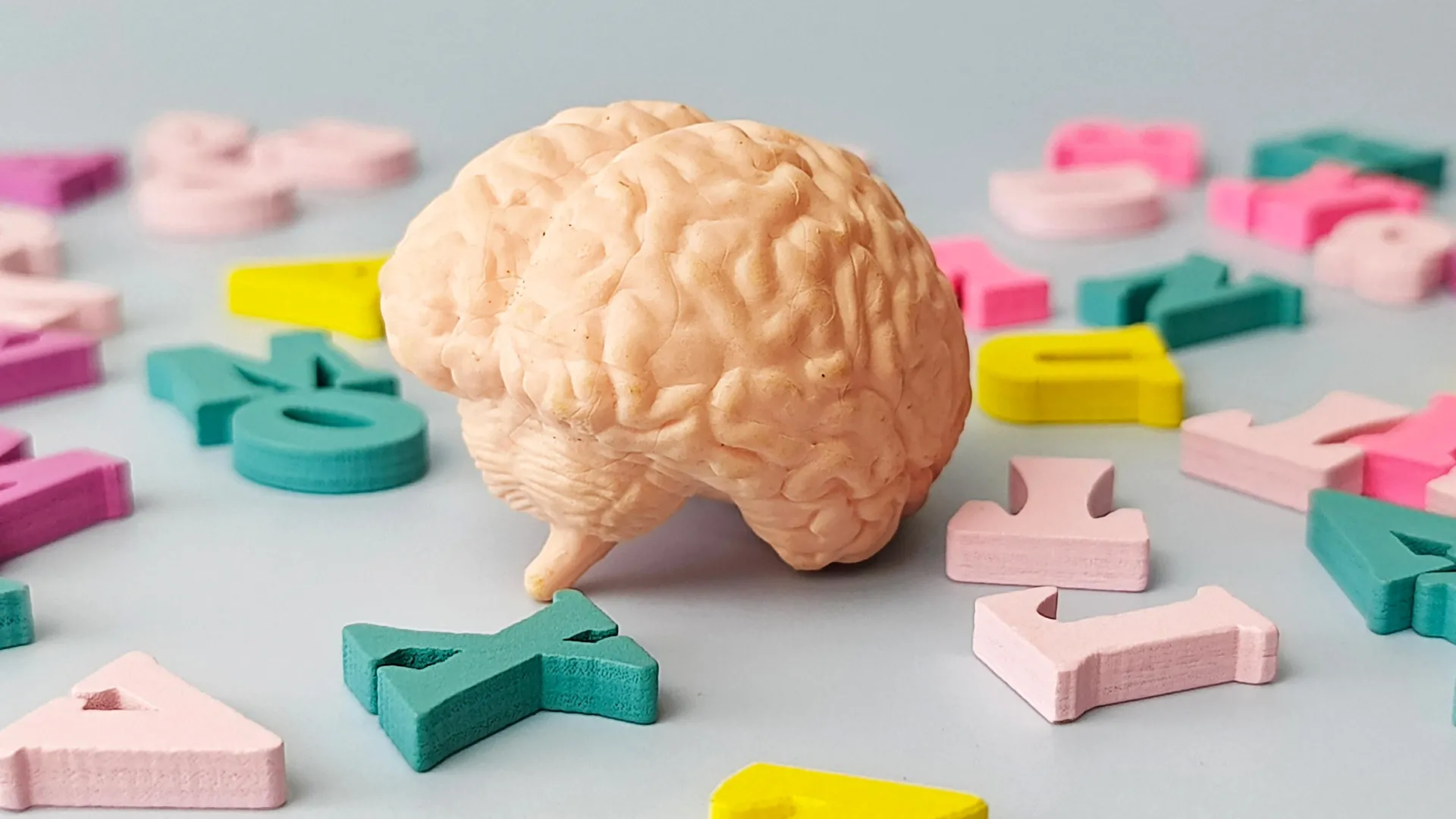
The intricate architecture of the human brain, a vast network of billions of neurons engaged in ceaseless communication, undergoes a natural process of change with advancing years. These age-related alterations can manifest as diminished synaptic efficacy, leading to a gradual deceleration in cognitive processing speeds and a perceptible erosion of memory recall. However, emerging scientific inquiry suggests that the experience of navigating multiple linguistic systems might serve as a potent countermeasure, potentially preserving a more youthful functional state within the brain, even as chronological age progresses. Research presented at the recent Federation of European Neuroscience Societies (FENS) Forum 2026 has illuminated a compelling correlation between the extent of an individual’s multilingual proficiency and the apparent biological age of their brain.
This groundbreaking study, spearheaded by Dr. Lucia Amoruso of the Basque Center on Cognition, Brain and Language in San Sebastián, Spain, involved a collaborative effort with esteemed researchers from the Latin American Brain Health Institute at the Universidad Adolfo Ibáñez in Chile, the Cognitive Neuroscience Center at the Universidad de San Andrés in Argentina, and the Global Brain Health Institute at Trinity College Dublin in Ireland. Their work builds upon prior investigations that hinted at a slower trajectory of brain aging in populations where the regular use of multiple languages is a cultural norm. For this specific investigation, the team meticulously examined individuals from the Basque region of Spain, a locale renowned for its rich linguistic tapestry, comprising speakers of Spanish, Basque, French, and English, with participants demonstrating command over one to four of these languages.
To quantify the phenomenon of brain aging, the research team first established a sophisticated ‘brain aging clock’. This innovative tool was developed through the analysis of 728 participants, employing magnetoencephalography (MEG). MEG is a non-invasive neuroimaging technique that precisely detects the faint magnetic fields generated by electrical activity within neurons as they communicate. By capturing these subtle magnetic signatures, researchers could gain insight into the dynamic functional connectivity patterns of the brain.
The crucial next step involved leveraging the power of artificial intelligence. Advanced AI algorithms were employed to scrutinize the complex patterns of brain activity recorded via MEG across individuals of varying ages. This computational approach enabled the researchers to construct a comprehensive model, delineating the typical patterns of brain connectivity characteristic of different life stages. Essentially, the AI learned to recognize the neural fingerprints associated with youth, middle age, and advanced age.
Subsequently, this meticulously calibrated ‘brain aging clock’ was applied to a distinct cohort of 144 individuals. For each participant in this new group, the AI system was used to estimate their ‘brain age’ – a measure reflecting the functional connectivity patterns observed in their brain and how closely they aligned with the established age-based models.
The findings that emerged from comparing the participants’ actual chronological ages with their estimated brain ages were nothing short of remarkable. A clear and compelling trend became evident: individuals who possessed a greater number of languages exhibited a demonstrable advantage in terms of neural preservation. Those who spoke two languages, for instance, displayed brain connectivity patterns that appeared, on average, approximately six years younger than individuals who were monolingual. This effect continued to strengthen with increased linguistic diversity. Participants fluent in three languages demonstrated brains that seemed about seven years younger than their chronological age would suggest. The most pronounced impact was observed among those who commanded four languages, where the estimated brain age lagged behind their actual age by a significant margin of roughly 13 years.
Dr. Amoruso articulated the core takeaway from these findings with clarity: "In simple terms, people who spoke more languages tended to have brains that looked younger than expected for their chronological age. The effect was not only related to the number of languages spoken. Higher language proficiency and earlier acquisition of a second language were also associated with more delayed brain aging. This suggests that multilingual experience matters as a gradient: it is not simply about being bilingual or not, but about the depth and duration of language experience." This statement emphasizes that the benefits are not binary but rather exist on a continuum, influenced by both the quantity and quality of language immersion and learning.
The research team took rigorous steps to ensure the robustness of their conclusions by statistically adjusting their analysis to account for potential confounding variables such as participants’ chronological age, sex, and educational attainment. Nevertheless, they wisely acknowledged that other, as yet unmeasured, factors undoubtedly contribute to overall brain health and cognitive resilience. Lifestyle choices, including diet and exercise, as well as the richness of an individual’s social engagement and their participation in mentally stimulating activities, could also play a significant role in the observed differences.
Looking ahead, Dr. Amoruso and her colleagues are keen to delve deeper into the implications of their findings. A key area of future research interest lies in exploring whether similar protective effects of multilingualism are evident in individuals diagnosed with neurodegenerative conditions like Alzheimer’s disease. In these contexts, understanding factors that bolster brain resilience and potentially slow disease progression is of paramount importance.
Furthermore, the researchers are intrigued by the possibility that the degree of linguistic similarity might influence the magnitude of the observed effect. They hypothesize that mastering two or more closely related languages might necessitate a more demanding cognitive load. The constant need to inhibit interference between similar grammatical structures, vocabulary, and pronunciation rules could potentially engage executive functions more intensely, thereby yielding a more substantial cognitive advantage. This constant mental juggling act, requiring intricate management of competing linguistic systems, could act as a continuous workout for the brain’s control mechanisms.
Professor Christina Dalla, who chairs the FENS Forum communication committee and was not directly involved in this specific study, provided external perspective on the significance of these findings. She highlighted the well-established understanding that a multitude of factors influence cognitive well-being throughout life. Professor Dalla reiterated known protective behaviors, such as abstaining from smoking, maintaining a healthy diet, engaging in social and artistic pursuits, and remaining physically active, all of which are recognized contributors to brain health. Crucially, she emphasized the impact of how individuals utilize their brains over their lifetime, particularly through effortful learning experiences that actively stimulate neural pathways.
"This study suggests that learning a second, third or fourth language could help our brains to stay younger for longer, and the earlier we start, the better," Professor Dalla commented, underscoring the potential of language acquisition as a proactive brain health strategy. She further advocated for the widespread promotion of language learning across educational systems and throughout adulthood, regardless of perceived difficulty. The social, cultural, and cognitive benefits, she posited, collectively offer compelling reasons to support and encourage language acquisition at every stage of life.
The research was supported by substantial funding from various prestigious institutions, including the National Institutes of Health (NIH), the National Institute on Aging (NIA), the Fogarty International Center, and the Multi-partner Consortium to Expand Dementia Research in Latin America (ReDLat). Additional crucial support was also provided by the Alzheimer’s Association, the Global Brain Health Institute, the Davos Alzheimer’s Collaborative, Alzheimer’s Society UK, FONDECYT, and the Ramón y Cajal fellowship through the Spanish State Research Agency. This multi-faceted financial backing underscores the perceived importance and potential impact of this line of cognitive neuroscience research.
Related posts:

Related News