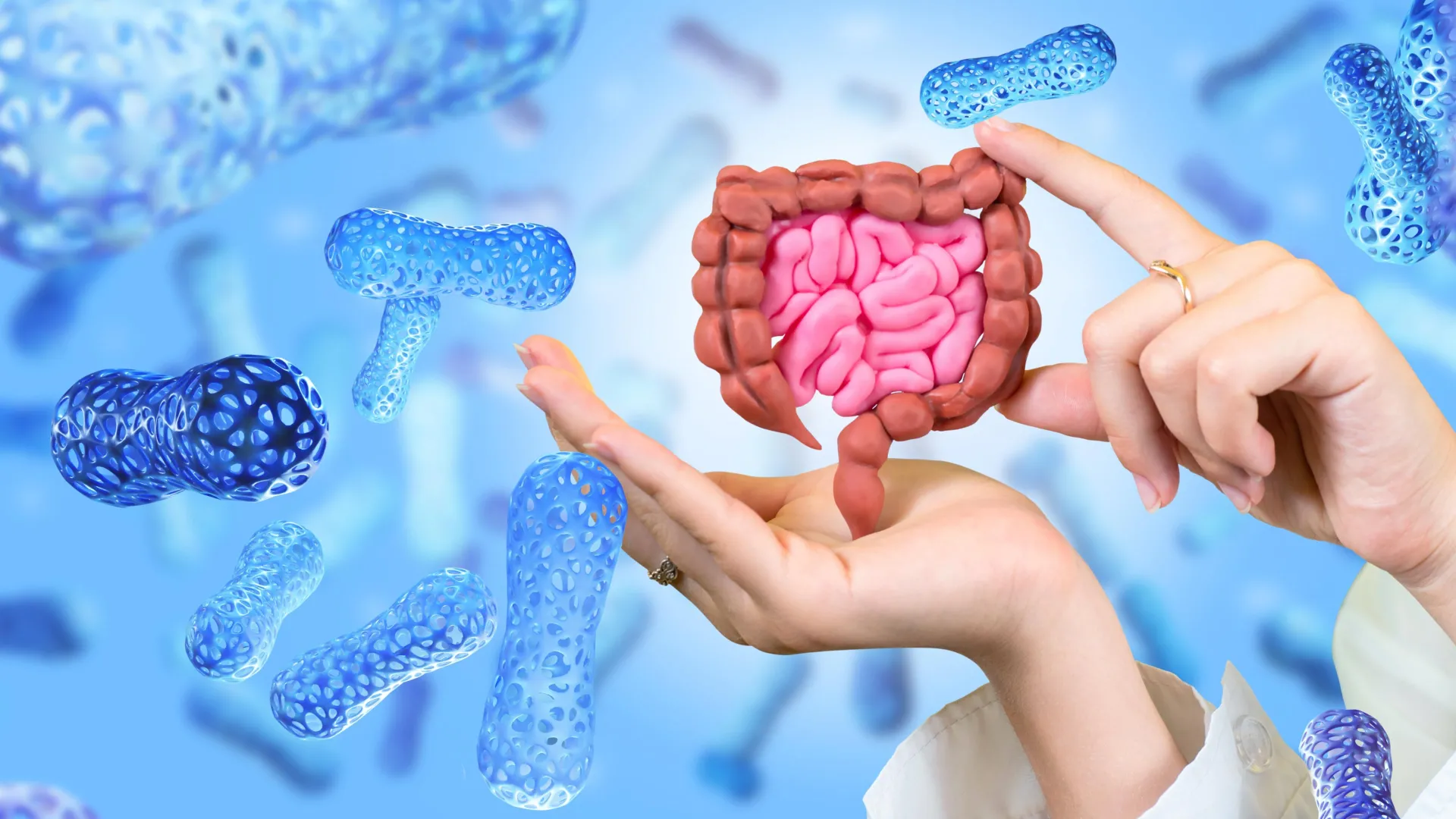
Pancreatic cancer, a formidable adversary in the oncological landscape, has largely defied the revolutionary advancements witnessed in cancer immunotherapy, a therapeutic paradigm that has profoundly reshaped the management of numerous other malignancies. The persistent recalcitrance of pancreatic tumors is largely attributed to the unique immunological barrier they erect, creating a cellular milieu colloquially termed a "cold" tumor microenvironment. This inhospitable setting effectively incapacitates immune effector cells, preventing them from mounting a decisive assault against malignant cells. Addressing this critical unmet medical need, a multidisciplinary team of researchers at the University of Chicago has pioneered a novel therapeutic strategy, detailed in a recent publication in the esteemed journal Science Advances. Their innovative approach harnesses the inherent biological characteristics of a common gut inhabitant, Bifidobacterium longum, a probiotic bacterium, transforming it into a sophisticated delivery vehicle for potent anti-cancer agents.
The engineered bacterial strain, designated BifidoSumIL-2, is designed to selectively infiltrate tumor sites and, upon arrival, deploy a meticulously crafted immune-stimulating payload. Preclinical investigations conducted in animal models have yielded highly encouraging results, demonstrating a significant deceleration in pancreatic tumor proliferation. This therapeutic efficacy stems from the targeted activation of T cells, crucial components of the adaptive immune system responsible for identifying and eradicating cancerous cells. The researchers further observed a synergistic enhancement of anti-tumor effects when BifidoSumIL-2 was administered in conjunction with conventional therapeutic modalities, including chemotherapy, radiotherapy, and existing immunotherapies. These findings collectively suggest that BifidoSumIL-2 holds considerable promise as a transformative agent, potentially unlocking new avenues for improving treatment responses in patients battling pancreatic cancer.
The conceptual framework behind employing bacteria as therapeutic couriers for cancer treatment represents a significant departure from traditional drug delivery methods. Professor Ralph Weichselbaum, a distinguished figure in radiation and cellular oncology at the University of Chicago, articulated the profound challenge posed by pancreatic cancer, characterizing it as a "mountain to climb" due to its inherent resistance to current treatments. The development of BifidoSumIL-2 addresses this challenge by overcoming a key limitation of existing immunotherapies. Specifically, it aims to circumvent the systemic toxicity and off-target immune activation associated with conventional administration of interleukin-2 (IL-2), a potent cytokine that orchestrates immune responses.
Interleukin-2, a signaling molecule vital for T cell activation, has long been recognized for its anti-cancer potential. However, its broad systemic application can lead to severe adverse effects and can paradoxically bolster the activity of regulatory T cells, which actively suppress anti-tumor immunity. To mitigate these drawbacks, the research team engineered a modified variant of IL-2, termed SumIL-2. This modified molecule exhibits a refined capacity to preferentially activate cancer-fighting T cells while minimizing the stimulation of immunosuppressive regulatory T cells. The strategic integration of SumIL-2 within Bifidobacterium longum ensures that the therapeutic agent is concentrated precisely at the tumor site, thereby maximizing its local impact and minimizing systemic exposure.
The successful realization of this sophisticated therapeutic system necessitated an exceptionally collaborative and interdisciplinary endeavor. Specialists spanning the fields of microbiology, synthetic biology, oncology, and immunology converged their expertise to bring this ambitious project to fruition. Dr. Mark Mimee, an Assistant Professor of Microbiology at the University of Chicago, underscored the crucial role of this cross-disciplinary synergy, emphasizing that "people who understand bacteria, people who understand tumors, and people who understand the immune system" were indispensable in making such an innovative solution achievable.
The selection of Bifidobacterium as the bacterial platform for this therapeutic intervention was not arbitrary; it conferred a unique and advantageous characteristic. Bifidobacterium species are obligate anaerobes, meaning they thrive in environments devoid of oxygen. This biological predilection aligns remarkably well with the physiological conditions found within many solid tumors, including pancreatic tumors, which are characteristically hypoxic (oxygen-deprived). In stark contrast, healthy tissues typically exhibit a richer oxygen supply, rendering them less conducive to the proliferation of these specialized bacteria. Dr. Mimee elaborated on this crucial aspect, stating that Bifidobacterium "doesn’t grow in the presence of oxygen." When introduced systemically, these bacteria are rapidly cleared from oxygenated healthy tissues. However, within the low-oxygen microenvironment of a tumor, they find an ideal niche for colonization and activity.
This inherent tropism allows the engineered bacteria to function as highly localized, microscopic drug manufacturing facilities within the tumor. Once established, they continuously produce SumIL-2 at the site where it is most critically needed, thereby obviating the widespread distribution of the potent therapeutic throughout the body. Furthermore, Bifidobacterium possesses a well-established safety profile, supported by extensive preclinical data. Its widespread recognition as a probiotic organism, commonly found in dietary staples like yogurt, contributes to its favorable perception as a generally safe and readily available therapeutic adjunct.
The process of genetically engineering Bifidobacterium presented its own set of formidable challenges. Dr. Mimee acknowledged that Bifidobacterium is "not the easiest organism to work with." Its anaerobic nature, slow growth rate, and the comparatively limited repertoire of genetic manipulation tools available for this species, especially when contrasted with model bacteria like E. coli, demanded considerable ingenuity. A substantial portion of the developmental work involved meticulously devising and optimizing methods for reliably engineering this complex microorganism.
The efficacy of BifidoSumIL-2 was rigorously evaluated in preclinical animal models, where it consistently demonstrated preferential accumulation within tumor masses. This targeted localization was accompanied by robust immune activation and a marked suppression of pancreatic tumor growth. Crucially, the bacterial intervention was observed to beneficially remodel the tumor microenvironment by significantly augmenting the presence and activity of cytotoxic CD8+ T cells, the primary effectors of anti-cancer immunity.
The therapeutic impact of BifidoSumIL-2 was amplified when it was integrated into multi-modal treatment regimens. Combining the bacterial therapy with standard-of-care treatments, such as chemotherapy, radiation therapy, or anti-PD-L1 immunotherapy, resulted in superior tumor control and extended survival periods compared to the administration of each treatment modality in isolation. Professor Weichselbaum highlighted this synergistic potential as one of the study’s most impactful discoveries, emphasizing that BifidoSumIL-2 not only exerts independent therapeutic benefits but also exhibits remarkable compatibility and enhanced efficacy when combined with established cancer therapies.
Despite these compelling preclinical outcomes, it is imperative to note that BifidoSumIL-2 has not yet undergone human clinical trials. Future research endeavors will be critical for thoroughly assessing its long-term safety profile, investigating the potential for unintended off-target effects in healthy tissues, quantifying the durability of the induced immune response, and exploring the feasibility of alternative, less invasive delivery methods, such as oral administration. The research team also intends to investigate the compatibility of this novel strategy with emerging pancreatic cancer treatments, including targeted therapies such as KRAS inhibitors.
The pioneering work on BifidoSumIL-2 contributes significantly to a burgeoning field of therapeutic innovation known as the "bugs as drugs" approach. By engineering commensal bacteria to actively seek out and colonize tumors while simultaneously producing therapeutic agents directly within these sites, scientists are forging a path towards concentrating potent immunotherapies where they are most needed, thereby minimizing the systemic toxicity and adverse side effects that have historically limited their application.
The research contributing to this groundbreaking study, titled "Engineered probiotic Bifidobacterium for tumor-targeted pancreatic cancer therapy," received vital financial support from the Ludwig Foundation and the National Institutes of Health. The study’s authorship includes a distinguished group of researchers: Jaehyun Lee, Kaiting Yang, Christina Nowicki, Wei Liu, Emile Naccasha, and Hua Liang from the University of Chicago; Zhichen Sun from the University of Texas Southwestern, Dallas; and Yang-Xin Fu from Tsinghua University, Beijing, China. The University of Chicago Medicine and its Biological Sciences Division remain at the vanguard of cancer care and research, with a significant milestone on the horizon being the planned opening of the AbbVie Foundation Cancer Pavilion in April 2027. This state-of-the-art facility will serve as Chicago’s first freestanding cancer pavilion, consolidating advanced diagnostics, groundbreaking treatments, cutting-edge translational discoveries, and comprehensive patient support services for the benefit of the community.
About the Author