The quest to understand the mechanisms underpinning extreme human longevity has long captivated scientific inquiry, pushing the boundaries of biological and medical research. Among the most intriguing findings emerging from this field is the unique immunological profile observed in supercentenarians – individuals who have surpassed the remarkable age of 110. A recent study, detailed in the Cell Press journal Cell Reports on August 19, sheds new light on how these extraordinarily long-lived individuals may sustain an immune system capable of continuously adapting to novel threats, even as most human immune systems exhibit signs of decline with advanced age. Researchers have identified an unexpected abundance of specialized immune cells, specifically CD4 cytotoxic T lymphocytes (CD4 CTLs), within this elite demographic, suggesting a critical role for these cells in exceptional healthy aging.
Traditionally, the aging process is associated with immunosenescence, a gradual deterioration of the immune system’s functionality, leading to increased susceptibility to infections, reduced vaccine efficacy, and a heightened risk of autoimmune diseases and cancer. This conventional understanding posits that the body’s defenses become less efficient and adaptive over time. However, the groundbreaking work by researchers, including first author Kosuke Hashimoto, an associate professor at the University of Osaka in Japan, challenges this view, particularly when examining individuals at the extreme end of the human lifespan. Hashimoto emphasizes, "Immune aging is not simply a process of decline. The selective expansion of certain T cells suggests that, even in extreme old age, the immune system may continue to adapt to age-related challenges." This statement underscores a paradigm shift, proposing that for some, the immune system doesn’t merely degrade but actively adapts and fortifies itself against age-associated physiological pressures.
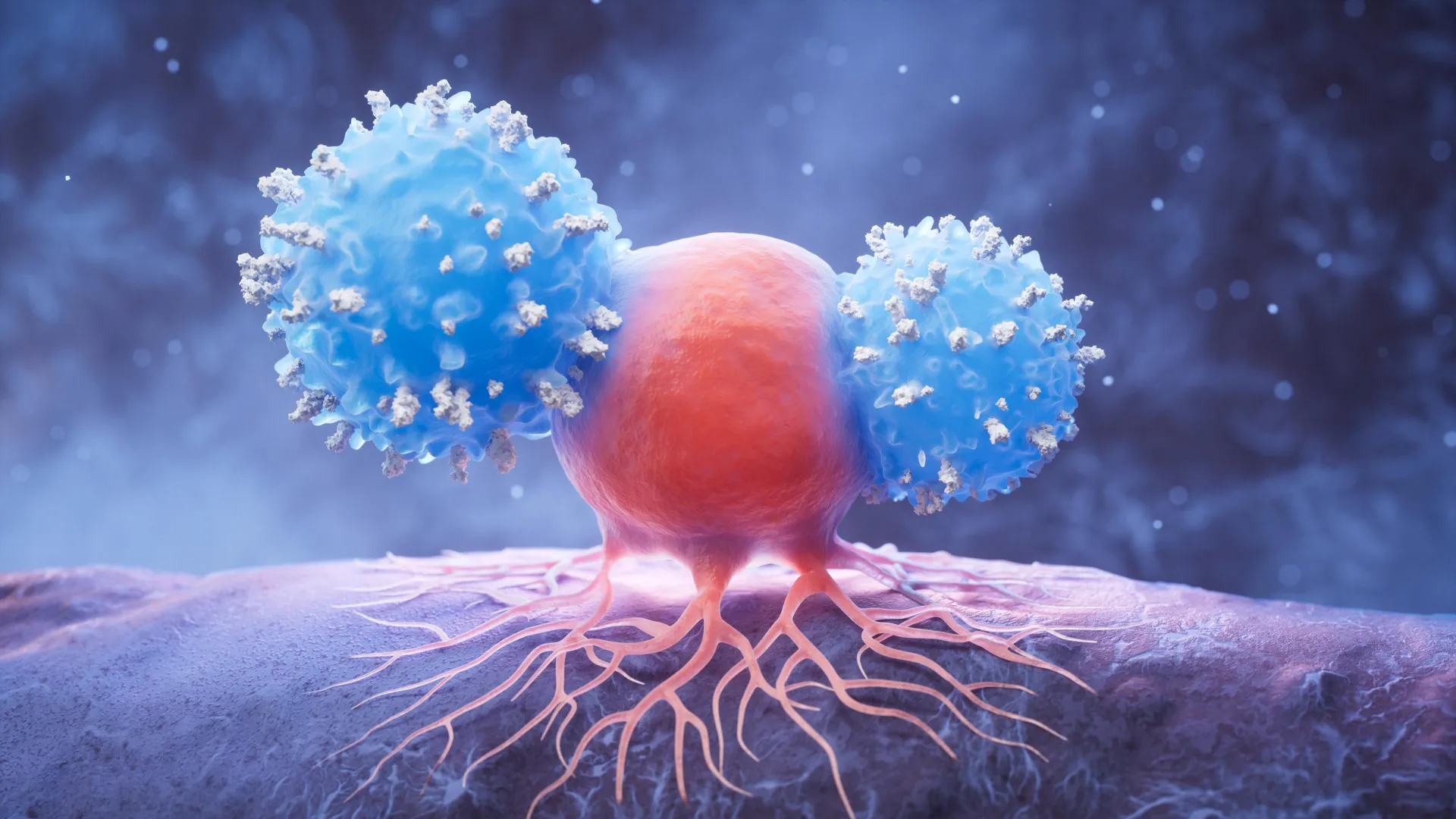
CD4 CTLs represent a distinctive and relatively uncommon subset of T lymphocytes. T cells are a crucial component of the adaptive immune system, responsible for recognizing and eliminating specific pathogens and abnormal cells. While CD8 T cells are primarily known for their cytotoxic (cell-killing) capabilities, CD4 T cells typically function as "helper" cells, coordinating other immune responses. The presence and proliferation of CD4 CTLs, therefore, are considered atypical. These potent cells have previously been documented for their ability to destroy tumor cells in various malignancies. Furthermore, in response to infection or disease, they possess the capacity for rapid proliferation through a process known as clonal expansion, a vital mechanism allowing the immune system to mount a swift and robust defense. The new research posits that this same potent immune activity, mediated by CD4 CTLs, could be intrinsically linked to the exceptional health and longevity observed in individuals reaching or exceeding 110 years.
To uncover these insights, the research team undertook a comprehensive analysis of blood samples collected from 28 adults, meticulously categorized into three distinct age cohorts: individuals aged 70 to 99 years, centenarians aged 100 to 109 years, and supercentenarians aged 110 years and older. The findings revealed a compelling trend: the median proportion of CD4 CTLs progressively increased across these ascending age groups. In the youngest cohort (70-99 years), CD4 CTLs constituted approximately 4% of the total T cell population. This proportion more than doubled to 9.6% among centenarians (100-109 years) and further escalated to an remarkable 17.6% in the supercentenarian group (110 years and older). This clear dose-response relationship between extreme age and CD4 CTL abundance strongly suggests that the expansion of these specialized cells becomes particularly pronounced around the age of 100, aligning with the onset of exceptional longevity. Hashimoto highlights the significance of this observation, stating, "CD4 CTLs are an atypical and relatively rare T cell population. So, their marked increase in supercentenarians may provide important clues as to how the immune system is maintained in extreme old age." While the general pattern was evident, the study also revealed an interesting outlier: one participant, younger than 100, exhibited the highest proportion of CD4 CTLs recorded across the entire study population, indicating that this unique immunological trait, while more prevalent in extreme old age, is not exclusively confined to it and may occur earlier in some individuals.
To delve deeper into the underlying mechanisms driving this striking abundance of CD4 CTLs, the researchers meticulously analyzed the T cell receptors (TCRs) of the study participants. T cell receptors are crucial molecular structures on the surface of T cells that enable them to recognize specific antigens, triggering an immune response. The analysis of these receptors provided compelling evidence that clonal expansion plays a pivotal role in the observed proliferation of CD4 CTLs. When the immune system encounters a specific threat, such as a pathogen or an abnormal cell, relevant T cells with receptors that recognize the threat multiply rapidly, creating a "clone" of identical cells all geared to combat that specific challenge. This process ensures a robust and targeted immune response. In the study, the largest individual clone of CD4 CTLs accounted for an average of 33.3% of all CD4 CTLs in the participants. This high concentration implies that the immune systems of some older adults are mounting sustained, perhaps lifelong, responses to persistent immune challenges. The phenomenon was particularly pronounced in one centenarian whose blood sample revealed a single clone comprising an astonishing 53.8% of all CD4 CTLs, underscoring the immense adaptive capacity within their immune system.
The research took an even more intriguing turn when the team compared the receptor sequences from each participant’s dominant CD4 CTL clones with sequences stored in a vast public database of T cell receptor data. This cross-referencing revealed nearly three dozen matches with sequences derived from individuals who had been diagnosed with various forms of cancer, specifically lung, breast, and liver cancers. Crucially, none of the centenarians or supercentenarians involved in the study had received a diagnosis for these specific cancers. This unexpected correlation led the researchers to propose a fascinating hypothesis: the significant expansion of these immune cells in the exceptionally long-lived could represent early or ongoing protective responses to abnormal cellular changes, potentially related to nascent cancerous or pre-cancerous cells. "Some CD4 CTLs may recognize cancer-related targets, although their exact targets remain unknown," Hashimoto noted, highlighting the potential for these cells to act as a surveillance system, neutralizing threats before they manifest as overt disease. This suggests that the robust immune systems of supercentenarians might not just be fighting off infections but actively suppressing age-related pathologies like cancer at an early, undetectable stage.
It is important to acknowledge the limitations inherent in such studies and the nuances of interpreting the findings. While the research establishes a compelling correlation between high levels of CD4 CTLs and exceptional longevity, it does not, at this stage, definitively prove causation. The study primarily examined T cells circulating within the bloodstream, and the precise activities of these cells in various human tissues and organs throughout the body remain an area for further investigation. The systemic effects and specific mechanisms by which these cells might contribute to extended healthy lifespans or provide protection against diseases like cancer require more in-depth exploration.
Nevertheless, these findings open exciting new avenues for understanding healthy aging and potentially developing therapeutic interventions. The concept that the immune system, even in advanced old age, can not only maintain but also enhance its adaptive capabilities to confront new and evolving challenges is a profound one. As individuals age, the incidence of abnormal cells, including senescent cells (cells that have stopped dividing but remain metabolically active and can contribute to inflammation and tissue damage) and cancerous cells, naturally increases. Hashimoto’s insights suggest a powerful counter-mechanism: "Our findings suggest that immune adaptation to these changes may contribute to exceptional longevity."
The immediate next step for the research team, as outlined by Hashimoto, involves transitioning from blood analysis to investigating the behavior and function of CD4 CTLs directly within human tissues. Such studies could provide crucial context regarding their specific roles in different organs and their direct impact on cellular health and disease prevention. This line of inquiry holds immense promise for uncovering how these unique immune cells might be actively contributing to the remarkable resilience and extended health spans observed in supercentenarians. Understanding these adaptive immune strategies could pave the way for novel approaches to boost immune function in the general population, potentially mitigating the effects of immunosenescence and promoting healthier, longer lives for a broader demographic.
This groundbreaking research was made possible through the generous support of various institutions, including Japan Society for the Promotion of Science KAKENHI grants, the Promotion Program for Frontier Protein Research from the Institute for Protein Research, the University of Osaka, the Takeda Science Foundation, the Mochida Memorial Foundation for Medical and Pharmaceutical Research, research grants for Keio University Global Initiative Research Projects, and a research grant from the Ministry of Education, Culture, Sports, Science and Technology to the RIKEN Center for Integrative Medical Sciences. Their commitment to exploring the frontiers of human biology continues to yield invaluable insights into the secrets of exceptional longevity.
About the Author