The global health landscape is increasingly defined by the profound and multifaceted challenges posed by a rapidly changing climate. In recognition of this escalating crisis, a significant alliance between the World Health Organization (WHO) and the Kingdom of the Netherlands has reaffirmed its commitment to mitigating the severe health consequences of environmental shifts, announcing renewed financial support and strategic collaboration. This critical juncture sees an additional €500,000 earmarked for WHO initiatives in 2024, deepening a partnership initially forged in 2023, and underscoring a collective resolve to build robust, climate-adaptive healthcare infrastructures worldwide.
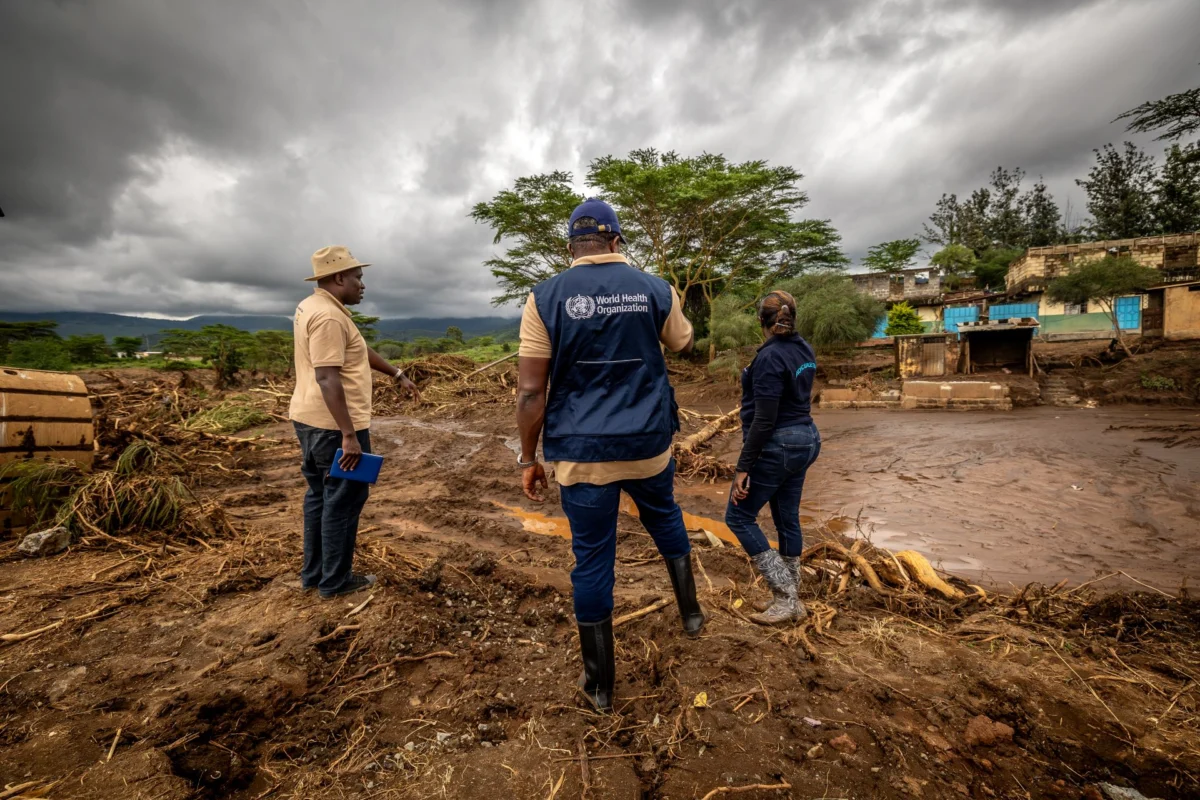
The human toll of climate change is becoming undeniably apparent, manifesting through a myriad of health threats that strain public health systems and endanger vulnerable populations. Rising global temperatures contribute to heat-related illnesses, exacerbating cardiovascular and respiratory conditions, particularly among the elderly and those with pre-existing health issues. Shifting precipitation patterns lead to more frequent and intense extreme weather events such as floods and droughts. Flooding contaminates water sources, increasing the incidence of waterborne diseases like cholera and typhoid, while also creating breeding grounds for vectors of diseases like malaria and dengue, which are expanding their geographical reach. Droughts, on the other hand, compromise food security, leading to malnutrition and associated health problems, especially in developing regions. Beyond infectious diseases and physical ailments, the psychological impact of climate disasters—ranging from anxiety and post-traumatic stress disorder to displacement-induced mental health challenges—is a growing concern that demands comprehensive public health interventions. These interconnected threats necessitate a global, coordinated response that integrates climate action directly into health policy and practice.
At the forefront of this international effort is the World Health Organization, the leading United Nations agency responsible for global public health. With a mandate to promote health, keep the world safe, and serve the vulnerable, WHO plays an indispensable role in monitoring health trends, setting global health standards, and providing technical assistance to its Member States. Its expertise spans epidemiological surveillance, capacity building, and policy formulation, making it uniquely positioned to guide countries in developing health systems capable of withstanding climate shocks. The organization’s current strategic framework, the Fourteenth General Programme of Work (GPW), explicitly identifies climate change as a pivotal priority area, recognizing that achieving broader health objectives—such as universal health coverage and health emergency preparedness—is inextricably linked to addressing environmental determinants. The renewed Dutch contribution will be instrumental in fueling the operational engine of WHO’s global climate and health programs, crucially supporting the secretariat of the Alliance for Transformative Action on Climate and Health (ATACH). This alliance serves as a critical platform for fostering collaboration among diverse stakeholders, catalyzing action, and disseminating best practices for climate-resilient and low-carbon health systems across the globe.
The Kingdom of the Netherlands stands out as a proactive and influential partner in this critical endeavor. Its commitment to global health extends beyond national borders, as articulated in its comprehensive Dutch Global Health Strategy 2023-2030. This strategic document places a strong emphasis on the nexus between climate change and health, reflecting a deep understanding of the interconnectedness of environmental sustainability and human well-being. The Netherlands’ advocacy for climate action in the health sector is not merely rhetorical; it translates into concrete diplomatic and financial support. A salient example of its leadership occurred in 2024, when the Netherlands, alongside Peru, spearheaded the adoption of a landmark resolution on Climate Change and Health at the 77th World Health Assembly (WHA). This resolution, which significantly updates and strengthens a previous WHO resolution from 2008, acknowledges the intensified urgency of the climate crisis and calls for an accelerated global response. It specifically mandates the development of a WHO global action plan on climate change and health, urges Member States to amplify their national efforts, and ensures the systematic integration of climate considerations throughout WHO’s new Fourteenth General Programme of Work. Such high-level diplomatic initiatives are vital for galvanizing political will and allocating necessary resources on a global scale.

The collaboration between WHO and the Netherlands, which commenced in 2023, has already yielded tangible progress in various regions. Through joint efforts, countries across Africa, Asia, and the Eastern Mediterranean have received targeted assistance in strengthening their capacity to respond to climate-related health threats. A key area of focus has been the development and deployment of integrated climate and health surveillance and early warning systems. These sophisticated systems combine meteorological data, environmental monitoring, and public health surveillance to predict potential health crises linked to climate phenomena, such as heatwaves, floods, or changes in vector-borne disease patterns. By providing timely alerts, these systems empower health authorities to implement proactive measures, from distributing medical supplies and deploying emergency response teams to launching public awareness campaigns, thereby minimizing morbidity and mortality.
Furthermore, the partnership has been instrumental in assisting nations to fulfill commitments made at COP26, the 26th United Nations Climate Change Conference, which notably elevated health to a prominent position on the global climate agenda. These commitments often involve pledges to develop climate-resilient and low-carbon health systems. A climate-resilient health system is one that can anticipate, prepare for, and effectively respond to the impacts of a changing climate, while continuing to deliver essential healthcare services without disruption. This includes reinforcing infrastructure, training healthcare personnel in climate-sensitive health issues, and ensuring robust supply chains for medicines and equipment. Concurrently, the promotion of low-carbon health systems aims to reduce the healthcare sector’s own environmental footprint, which is surprisingly substantial globally. This involves transitioning hospitals to renewable energy sources, optimizing waste management, promoting sustainable procurement practices, and encouraging greener transportation for healthcare staff and patients. The Dutch and WHO partnership has facilitated the sharing of expertise and resources to help countries translate these ambitious commitments into practical, implementable strategies.
The financial commitment from the Netherlands to WHO’s climate and health activities now surpasses €1.1 million since 2023, a testament to the enduring and deepening nature of this strategic alliance. This substantial investment arrives at a critical juncture, as nations worldwide grapple with increasingly complex health challenges driven by climatic shifts, and as the international health community prepares for substantive discussions on climate change and health at COP29 in Azerbaijan later in 2024. The sustained funding enables the scaling up of vital programs, ensuring that evidence-based interventions reach populations most at risk. WHO’s latest Investment Case, a strategic document outlining the organization’s funding needs and expected impact, projects that its concerted efforts in collaboration with Member States and partners could prevent 7.5 million premature deaths over the next four years. This ambitious target underscores the potential for well-funded, coordinated global health initiatives to deliver monumental improvements in public health outcomes, even in the face of daunting environmental challenges.
Looking ahead, the collaboration between the Netherlands and WHO is poised to continue its vital work, leveraging their combined influence to ensure that health remains an unshakeable priority in global climate negotiations and action plans. A fundamental pillar of their ongoing strategy involves strengthening the resilience of vulnerable regions, which are often disproportionately affected by climate impacts despite contributing least to greenhouse gas emissions. This includes supporting local communities and health systems in developing tailored adaptation strategies. Concurrently, empowering countries to adopt and implement sustainable, low-carbon healthcare solutions will remain a central objective. This dual focus—on building resilience and reducing carbon footprint—is essential for creating a healthier, more equitable future where populations are better protected from the adverse health effects of a warming planet. Through sustained collaboration, advocacy, and strategic investment, this partnership aims to pave the way for a truly climate-smart global health paradigm.
About the Author