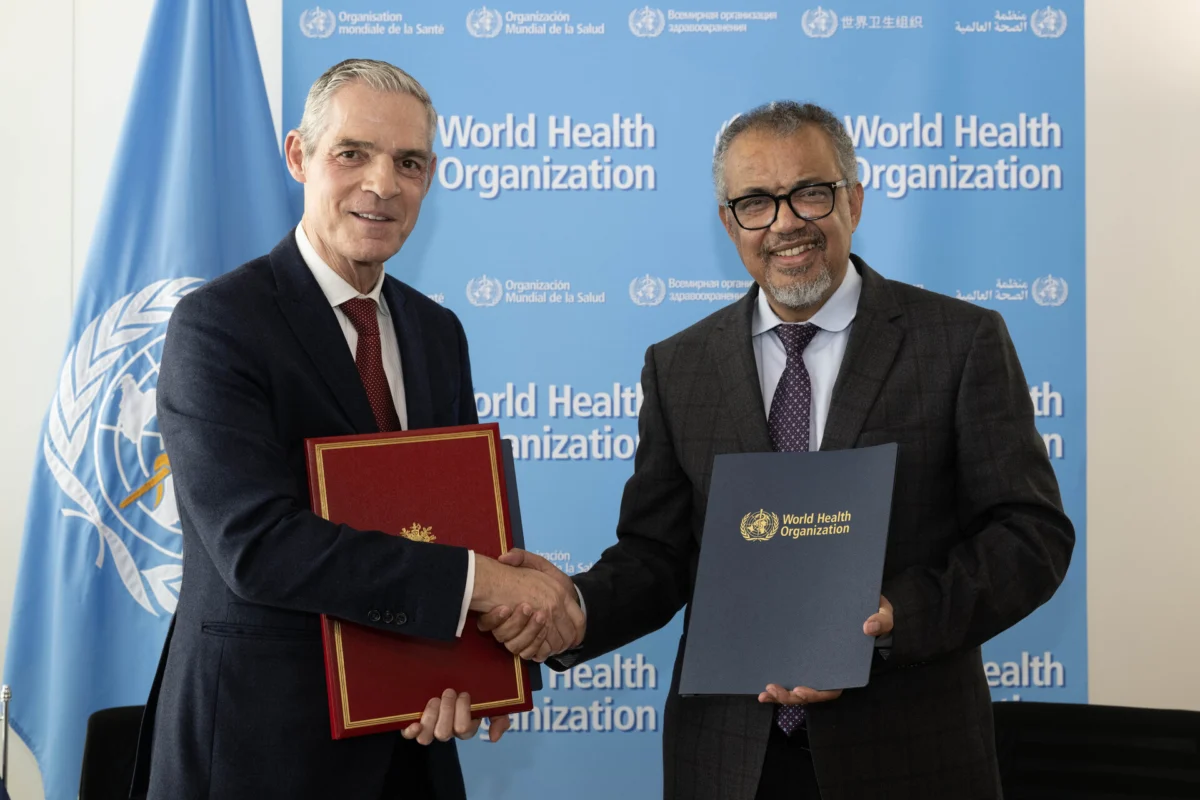
In a significant demonstration of international collaboration, France has formalized a substantial financial commitment of €24 million to the World Health Organization (WHO), reinforcing its strategic partnership and dedication to global public health. The accord, encompassing seven distinct contribution agreements, was officially sealed on October 17, 2024, at the WHO headquarters in Geneva. The ceremony brought together His Excellency Mr. Jérôme Bonnafont, Permanent Representative of France to the United Nations in Geneva, and Dr. Tedros Adhanom Ghebreyesus, the Director-General of the global health agency, marking a pivotal moment in their ongoing efforts to address some of the world’s most pressing health challenges.
This latest investment package, channeled through the French Ministry of Europe and Foreign Affairs, is meticulously aligned with the established France-WHO Framework Agreement spanning from 2020 to 2025. This overarching framework serves as a comprehensive blueprint, not only delineating the strategic priorities for their collaborative engagement but also furnishing the requisite legal, administrative, and financial mechanisms essential for the effective implementation of joint initiatives. Such a structured approach ensures that France’s contributions are strategically deployed, maximizing their impact in areas critical to the WHO’s mandate.
A cornerstone of this renewed commitment is a generous allocation of €4.5 million in fully flexible voluntary funds, directed towards the Core Voluntary Contributions Account (CVCA). This particular aspect of the funding is profoundly significant for the WHO’s operational autonomy and agility. Unlike earmarked funds, which are restricted to specific projects or programs, flexible funds empower the Organization to allocate resources where they are most urgently needed, respond rapidly to unforeseen crises, and sustain its foundational operational capacities. This flexibility is crucial for supporting core functions, innovative research, and emergent health priorities that might not attract specific project-based funding, thereby enhancing the WHO’s overall effectiveness and responsiveness in a dynamic global health landscape.
Beyond the vital flexible funding, France’s support extends to several critical programmatic areas identified by the WHO as key to advancing global health. These include initiatives aimed at combating non-communicable diseases (NCDs), fostering urban health solutions through specialized laboratories, promoting the holistic ‘One Health’ approach, bolstering the WHO Contingency Fund for Emergencies (CFE), and providing direct assistance for specific humanitarian crises and disease outbreaks.
The focus on non-communicable diseases, such as cardiovascular diseases, cancers, diabetes, and chronic respiratory diseases, underscores their escalating global burden. These conditions are responsible for a vast majority of deaths worldwide and pose significant socio-economic challenges, particularly in low- and middle-income countries. French funding will aid WHO in strengthening prevention strategies, improving early detection, and expanding access to care for millions affected by NCDs, often through initiatives promoting healthier lifestyles and robust healthcare systems.

Furthermore, support for ‘urban health labs’ reflects a recognition of the unique and complex health dynamics within rapidly growing urban environments. As more of the world’s population migrates to cities, urban areas become hotspots for a myriad of health issues, from pollution-related illnesses to the spread of infectious diseases, and mental health challenges. These specialized labs aim to develop and test innovative, localized solutions to these urban-specific health problems, ensuring that city dwellers have access to resilient and equitable health services.
The ‘One Health’ initiative, another recipient of French backing, represents an integrated, unifying approach to balance and optimize the health of people, animals, and ecosystems. This paradigm acknowledges that human health is inextricably linked to the health of animals and our shared environment. By fostering collaboration across disciplines such as human medicine, veterinary medicine, and environmental science, the ‘One Health’ approach seeks to prevent and mitigate zoonotic diseases (those transmitted from animals to humans), address antimicrobial resistance, ensure food safety, and tackle environmental health hazards, thereby building a more robust global health security architecture.
France’s contribution also plays a crucial role in strengthening the WHO’s emergency response capabilities. A portion of the funds is allocated to the Contingency Fund for Emergencies (CFE), a vital mechanism that provides immediate financial resources for rapid deployment during health crises. This enables the WHO to act swiftly at the onset of an emergency, preventing small outbreaks from escalating into larger humanitarian disasters.
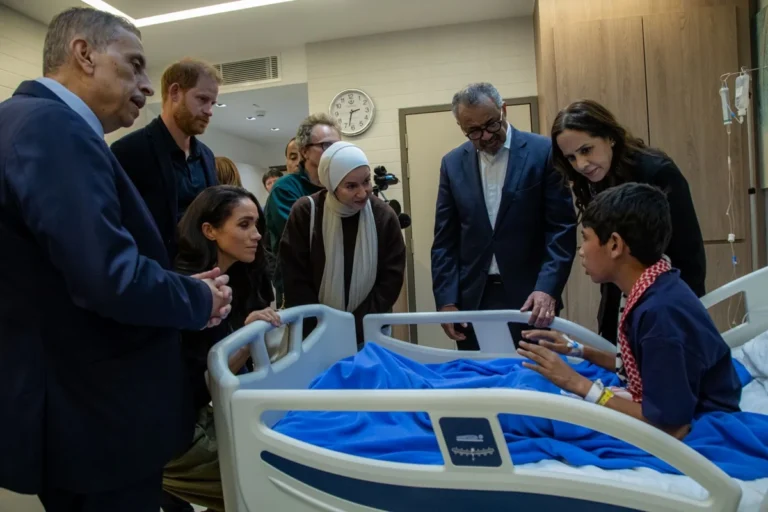
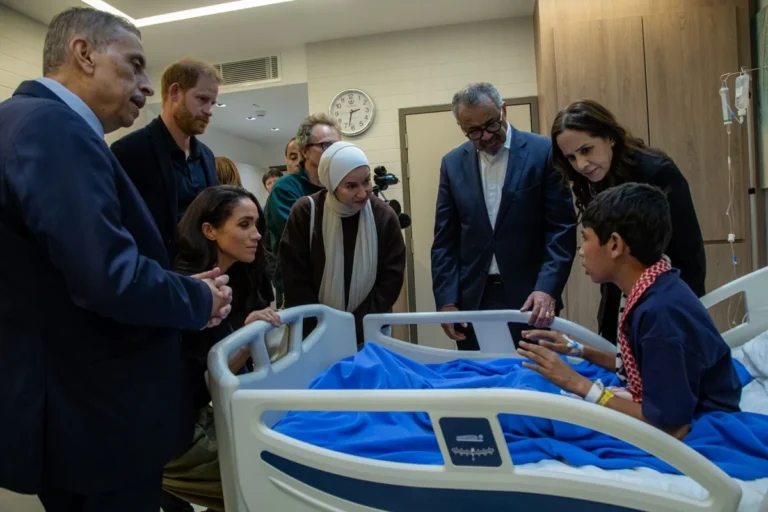
The agreement also earmarks support for several ongoing, acute humanitarian situations. This includes the WHO’s critical response efforts in Gaza, where health infrastructure has been severely impacted by conflict, leading to dire medical needs and a high risk of disease outbreaks. Funds will also aid responses to cholera outbreaks, a persistent threat in many vulnerable regions exacerbated by inadequate sanitation and displaced populations. Moreover, significant support is designated for mental health services in Ukraine, addressing the profound psychological toll of the protracted conflict on its population. These targeted interventions are crucial for alleviating suffering and providing essential health services in regions facing immense adversity.
A strategic aspect of France’s enduring partnership is its continued support for the WHO emergencies centre located in Lyon. This specialized facility plays an indispensable role in global preparedness and response efforts against epidemics and other public health emergencies. By supporting its operations, France is investing in the vital infrastructure and expertise necessary to analyze emerging threats, coordinate international responses, and build capacity in countries to manage health crises effectively. This long-term commitment to a key operational hub underscores France’s understanding of the importance of proactive epidemic preparedness.
Ambassador Jérôme Bonnafont articulated the profound significance of this collaborative effort during the signing ceremony. He stated, "France remains deeply committed to supporting the World Health Organization in its efforts to tackle critical global health challenges. These agreements reflect our shared priorities of promoting health equity, responding to emergencies, and strengthening healthcare systems worldwide." This statement underscores France’s alignment with the WHO’s core mission and its vision for a healthier, more equitable world.

Echoing this sentiment, Dr. Tedros Adhanom Ghebreyesus, the Director-General of WHO, expressed heartfelt appreciation for France’s consistent support. He remarked, "We are immensely grateful to the French Government for its steadfast support to WHO, continued partnership and leadership in global health. This contribution will enable us to address key health threats, from non-communicable diseases to emergency response, helping to save lives and protect the most vulnerable populations." His words highlighted the tangible impact of France’s funding on the lives of individuals and communities around the globe, particularly those most susceptible to health crises.
Beyond this specific funding package, France stands as a vocal and influential advocate for a robustly and flexibly financed WHO. The nation has consistently demonstrated leadership and actively supported initiatives to increase assessed contributions to the Organization. Assessed contributions, derived from member states based on a formula, provide a stable and predictable funding base, crucial for the WHO’s long-term planning and core operations, reducing its reliance on often-earmarked voluntary funds. France’s advocacy in this area reflects a commitment to strengthening the WHO’s institutional capacity and ensuring its financial independence.
Furthermore, France has taken a prominent role as one of the co-hosts for the WHO’s inaugural Investment Round. This groundbreaking initiative aims to mobilize predictable and flexible resources specifically for the WHO’s core work under its Fourteenth General Programme of Work (2025–2028), a strategic blueprint approved by the World Health Assembly in 2024. The Investment Round seeks to secure multi-year commitments from donors, moving away from a fragmented, project-by-project funding model towards more sustainable and impactful financing that empowers the WHO to deliver on its comprehensive global health agenda. France’s leadership in this endeavor highlights its vision for a financially resilient and strategically empowered global health agency.
The recent signing ceremony in Geneva transcends a mere transactional agreement; it symbolizes another significant milestone in the enduring and robust partnership between the World Health Organization and France. It reaffirms their collective commitment to fostering a healthier, safer, and more equitable world for all, underscoring the critical importance of international solidarity and sustained investment in global public health infrastructure. This collaboration serves as a testament to the power of shared vision and concerted action in confronting the complex health challenges of the 21st century.
About the Author