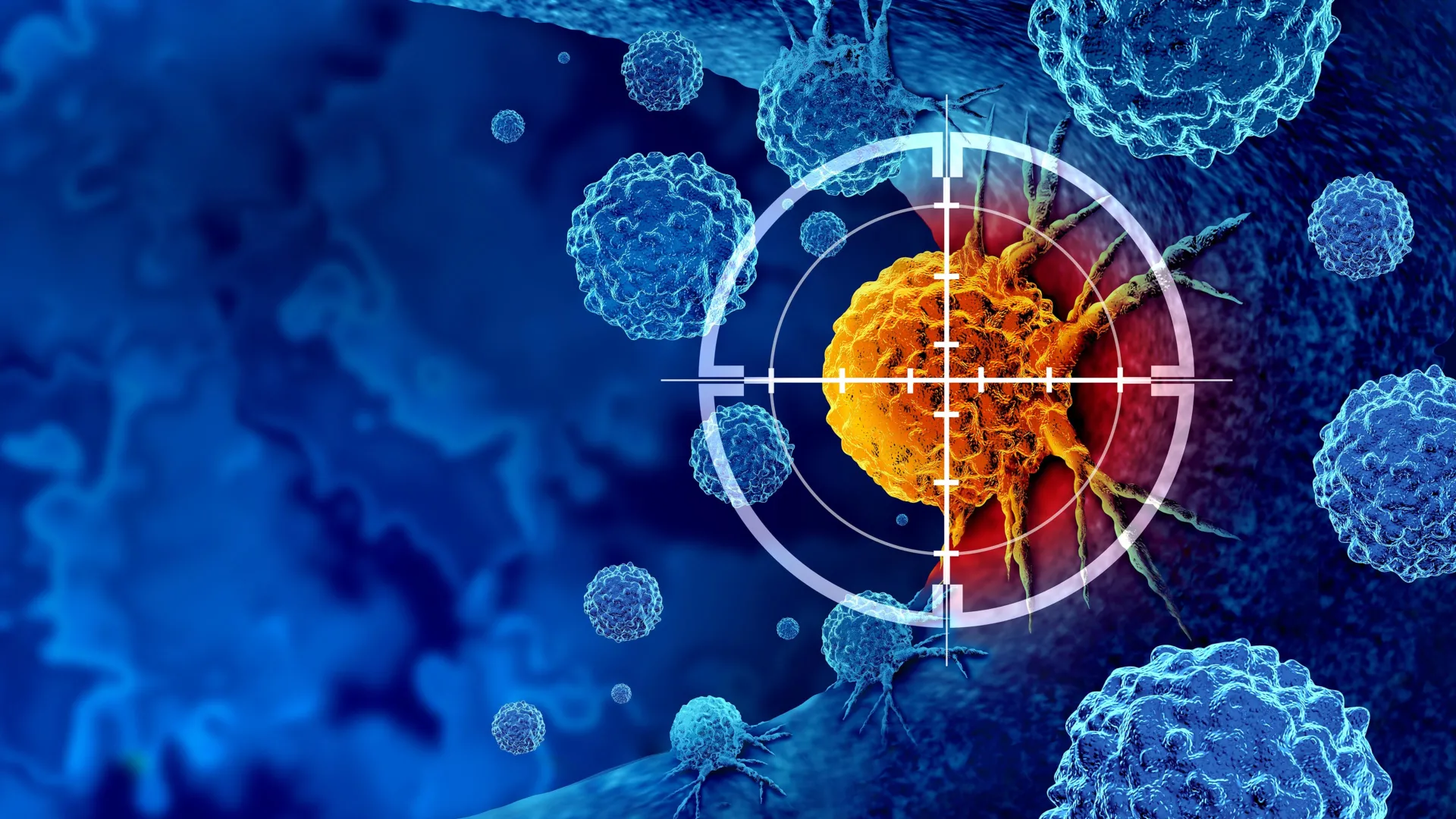
A defining characteristic of most prostate tumors is their designation as "immune cold," a descriptor stemming from their profound inability to attract a sufficient number of cytotoxic T lymphocytes, crucial soldiers in the immune army. The absence of these vital immune cells within the tumor microenvironment severely curtails the efficacy of immunotherapies, which rely heavily on T cell infiltration to initiate an anti-cancer response. In carefully controlled laboratory settings, scientists have successfully employed a sophisticated CRISPR-based mechanism to precisely modify messenger RNA (mRNA) within prostate cancer cells. This targeted manipulation effectively alters the tumor’s presentation, making it far more discernible and attractive to cancer-fighting immune cells.
The scientific community has been privy to these transformative findings, detailed in a recent publication in the esteemed journal Nature Biomedical Engineering. The study unequivocally demonstrated that this novel technology significantly enhanced the responsiveness of prostate tumors to immune checkpoint blockade therapy in murine models. Post-treatment observations revealed a marked increase in the influx of immune cells into the tumor sites, where they actively engaged in the elimination of cancerous cells.
This advancement represents a paradigm shift in cancer treatment, moving away from conventional cytotoxic agents that often inflict collateral damage on healthy tissues. "Immunotherapy offers a fundamentally different and highly advantageous strategy for combating cancer, as it avoids the systemic toxicity associated with traditional chemotherapies," explained Eric J. Wagner, PhD, a senior author of the study and a researcher at the University of Rochester Medicine. "The inherent limitation, however, lies in the differential response observed across various cancer types, with some exhibiting remarkable sensitivity while others develop resistance or remain unresponsive from the outset. Our developed tool aims to bolster the immune system’s capacity to eradicate cancer, holding the potential for synergistic application with existing immunotherapies in prostate cancer and potentially other immunologically "cold" tumor types."
The genesis of this pioneering research can be traced back over a decade to a seminal discovery made by Dr. Wagner’s laboratory while investigating glioblastoma, an aggressive form of brain cancer. During their investigations, the researchers observed a consistent pattern of shortened mRNAs within tumor cells, a deviation from their typical lengths. Subsequent investigations, conducted by Dr. Wagner’s group and other independent research teams, have corroborated that this phenomenon of mRNA shortening is prevalent across a wide spectrum of cancers. This molecular adaptation is hypothesized to play a critical role in enabling tumors to survive, proliferate, and evade therapeutic interventions.
Messenger RNA, or mRNA, serves as the vital intermediary, transcribing genetic blueprints from DNA to the cellular machinery responsible for protein synthesis. This process ultimately yields the proteins essential for myriad bodily functions. The shortening of mRNAs appears to confer a survival advantage upon cancer cells. Analogous to how certain animals adopt a more compact form for protection, such as hedgehogs or pangolins, truncated mRNAs possess a reduced surface area, making them less susceptible to degradation by cellular enzymes.
Furthermore, these shortened mRNAs exhibit altered regulatory properties within the cell. Their increased stability allows them to persist for extended durations, facilitating the continuous production of proteins and potentially extending their influence beyond normal cellular control mechanisms. This sustained protein production can contribute to the aggressive and uncontrolled growth characteristic of malignant cells.
One of the primary mechanisms by which tumors establish an "immune cold" phenotype involves the downregulation or complete loss of the Major Histocompatibility Complex class I (MHC-I) complex. This complex functions as a crucial molecular beacon, signaling to T cells that a cell is either healthy and should be spared or abnormal and requires elimination. In the absence of adequate MHC-I expression, tumor cells become significantly more challenging for the immune system to detect and neutralize.
The research team meticulously elucidated a cascade of molecular events that contribute to prostate cancer’s ability to suppress this critical immune signaling pathway. This intricate cellular reprogramming effectively renders the tumor cells invisible to immune surveillance, creating a sanctuary for their unchecked proliferation. By disrupting the normal cellular communication pathways, prostate cancer cells manage to mask their aberrant nature from the body’s natural defenses.
In a remarkable feat of bioengineering, the collaborative research initiative, spearheaded by scientists from Duke University School of Medicine, has engineered a pioneering therapeutic modality designed to restore the canonical length of the mRNA encoding the SPSB1 protein. Employing a sophisticated RNA-guided CRISPR Cas13 system, the researchers successfully induced the re-elongation of the truncated SPSB1 mRNA. This intervention directly addresses the molecular defect contributing to the tumor’s immune evasion.
While CRISPR technology is often associated with precise DNA or RNA cleavage, this particular application was ingeniously designed to bind to a specific segment of the mRNA without severing it. By establishing this molecular anchor, the engineered system effectively prevents the cancer cells from accessing and shortening the terminal portion, or poly(A) tail, of the mRNA molecule. This targeted binding mechanism preserves the structural integrity of the mRNA.
Maintaining the mRNA at its native, longer length exerted a direct influence on the production of the SPSB1 protein by the cancer cells, leading to a reduction in its overall quantity. This reduction, in turn, facilitated the reappearance and proper functioning of the MHC-I complex on the tumor cell surface. The restoration of this critical immune marker re-establishes the tumor’s visibility to the immune system.
With the MHC-I complex reinstated, the efficacy of immune checkpoint blockade therapy against prostate tumors was dramatically enhanced. The researchers conducted a comprehensive and rigorous analysis of the treatment outcomes, reporting no detectable off-target effects attributable to the experimental CRISPR intervention. This meticulous evaluation underscores the precision and safety profile of the developed technology in preclinical models.
"This represents an unprecedented achievement in the field, establishing a robust preclinical model that demonstrates the feasibility of forcing mRNA re-elongation and the subsequent therapeutic benefits derived from it," stated Dr. Wagner, who also holds a professorship in Biochemistry and Biophysics and serves as co-director of the Center for RNA Biology. "Cancer exhibits an extraordinary capacity for evolutionary adaptation, but its strategies are not infallible. By combining immunotherapy with a synergistic agent capable of amplifying the immune response, we may unlock the potential for curative treatments. The evolutionary pace of cancer may prove insufficient to overcome such a coordinated assault."
Dr. Wagner, who is also affiliated with the Genetics, Epigenetics and Metabolism research program at the Wilmot Cancer Institute, is now embarking on investigations to ascertain whether this innovative approach can be successfully applied to other categories of immunologically "cold" cancers. This expansion of research aims to broaden the therapeutic reach of this promising technology.
His research team has recently secured initial pilot funding from both the Wilmot and Roswell Park Comprehensive Cancer Centers to rigorously evaluate the technology’s efficacy in pancreatic cancer, another malignancy that frequently displays a poor response to existing immunotherapeutic regimens. This collaborative effort signifies a concerted push towards translating these preclinical successes into clinical relevance.
The foundational research underpinning these advancements was generously supported by the National Cancer Institute, a constituent part of the National Institutes of Health, underscoring the significant national investment in innovative cancer research.
About the Author