Building a Resilient Core After 60: Advanced Home Exercises for Enhanced Spinal Health and Functional Movement
As individuals navigate the landscape of life beyond their sixth decade, maintaining physical vitality becomes a cornerstone of sustained independence and overall well-being. A critical component of this vitality, often underestimated yet profoundly impactful, is the strength and stability of the body’s core musculature. Far from merely contributing to aesthetic appeal, a robust core is fundamental to balance, posture, movement efficiency, and the prevention of common age-related ailments, particularly those affecting the spine. While traditional abdominal exercises like crunches have long been a staple in fitness routines, contemporary understanding of biomechanics and aging physiology suggests a more nuanced approach, especially for those over the age of sixty.
The concept of "core strength" extends significantly beyond the superficial abdominal muscles, often referred to as the "six-pack." It encompasses a complex network of deep muscles, including the transversus abdominis, multifidus, diaphragm, and pelvic floor, which collectively act as a natural corset to stabilize the spine and pelvis. These muscles are integral to nearly every movement, from standing up from a chair to reaching for an object overhead, and their efficient function is paramount in mitigating the risks associated with aging, such as falls and chronic back pain.
With advancing age, the human body naturally undergoes physiological changes that can impact core integrity. Sarcopenia, the age-related loss of muscle mass and strength, affects all muscle groups, including those of the core. Furthermore, changes in bone density, spinal disc degeneration, and altered proprioception (the body’s sense of its position in space) can compromise stability and increase vulnerability to injury. Consequently, a targeted and intelligent approach to core strengthening becomes not just beneficial, but essential for preserving functional independence and quality of life.
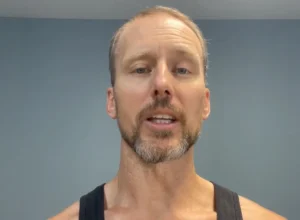
The efficacy of conventional crunches for older adults is increasingly being questioned by fitness professionals. Denise Chakoian, a certified fitness trainer with extensive experience training individuals across all age and fitness spectrums, highlights the limitations of this traditional exercise. She explains that crunches primarily engage the more superficial rectus abdominis muscles, offering minimal engagement for the deeper, more critical stabilizing muscles of the spine. Moreover, the repetitive spinal flexion inherent in crunches can exacerbate existing neck or back issues and is often uncomfortable for older individuals. "Most daily activities require the core to resist movement and keep the body steady, rather than repeatedly curling forward," Chakoian notes. This underscores a pivotal shift in exercise philosophy: for older adults, the focus should pivot towards exercises that enhance stability, improve posture, and foster controlled movement, thereby offering more practical and transferable benefits to everyday life. A truly effective core regimen aims to improve how the body functions throughout the day, not merely to perform a high volume of a single movement.
Embracing this philosophy, a well-rounded core workout for individuals over sixty should prioritize functional movements that mirror real-world demands. Such exercises not only build strength but also improve balance, coordination, and proprioception, which are critical for fall prevention. By strengthening the deep stabilizing muscles, individuals can experience reduced incidence of lower back pain, improved standing and walking posture, and greater ease in performing daily tasks like lifting grandchildren, gardening, or engaging in recreational sports like pickleball. The goal is to cultivate a resilient core that acts as a stable foundation for the entire body, promoting confidence and enabling an active lifestyle well into the later years.
Here are four expert-recommended at-home exercises that effectively strengthen the core, emphasizing stability and functional movement, offering superior benefits compared to traditional crunches for those over 60:
1. The Bird Dog
The Bird Dog exercise is a cornerstone of spinal stability training, renowned for its ability to strengthen the deep core muscles while simultaneously improving balance, posture, and coordination with minimal spinal strain. It achieves this by challenging the body to maintain a neutral spine position while limbs are extended, simulating the demands of everyday activities that require contralateral limb movement, such as walking.
- Execution: Begin on all fours, with hands directly under shoulders and knees directly under hips, maintaining a flat back. Engage your abdominal muscles to prevent your lower back from arching. Slowly extend one arm forward and the opposite leg straight back, keeping both parallel to the floor. Focus on minimizing any shift or rotation in your torso. Hold this extended position for a few seconds, concentrating on maintaining stability, before gently returning to the starting position. Alternate sides, performing a controlled movement on each repetition.
- Benefits: This exercise specifically targets the transversus abdominis and multifidus, muscles vital for lumbar spine stability. It enhances neuromuscular control, teaching the brain and muscles to work together for coordinated movement, which is crucial for preventing falls.
- Modifications/Progressions: For beginners, start by extending only one arm or one leg at a time. To increase difficulty, extend the hold time or perform the movement more slowly, focusing intensely on core engagement and minimizing any wobble.
2. The Glute Bridge
While primarily recognized for its glute-strengthening benefits, the Glute Bridge is also a highly effective exercise for engaging the core, particularly the lower abdominal muscles and pelvic floor, while promoting hip extension and spinal mobility. It’s a low-impact exercise that can significantly improve pelvic stability and alleviate lower back discomfort.
- Execution: Lie on your back with knees bent, feet flat on the floor hip-width apart, and heels a few inches from your glutes. Arms should rest alongside your body with palms down. Engage your core and glute muscles, then lift your hips off the floor until your body forms a straight line from shoulders to knees. Avoid arching your lower back excessively at the top. Hold for a moment, squeezing your glutes, then slowly lower your hips back down to the starting position with control.
- Benefits: This exercise strengthens the gluteal muscles and hamstrings, which are critical for hip stability and power, directly impacting walking and stair climbing. Simultaneously, it engages the deep core to stabilize the pelvis during the lift, fostering a synergistic relationship between the glutes and core.
- Modifications/Progressions: To make it easier, reduce the height of the hip lift. For an increased challenge, progress to a single-leg glute bridge, holding one leg extended or bent in the air while lifting the hips with the other. Adding a resistance band around the knees can also enhance glute activation.
3. The Dead Bug
The Dead Bug exercise is a deceptively simple yet profoundly effective movement for training the deep abdominal muscles to stabilize the spine during dynamic limb movement. It directly mirrors everyday activities where the core must maintain stability while the limbs are in motion, making it highly functional for older adults.
- Execution: Lie on your back with your arms extended towards the ceiling and knees bent at a 90-degree angle directly over your hips, shins parallel to the floor. This is your starting "dead bug" position. Engage your core, pressing your lower back firmly into the floor to prevent it from arching. Slowly extend one arm back overhead towards the floor while simultaneously extending the opposite leg forward, hovering just above the floor. Maintain control and a stable core throughout the movement. Return to the starting position and repeat on the other side, alternating limbs.
- Benefits: This exercise is exceptional for strengthening the transversus abdominis and obliques, enhancing anti-extension and anti-rotation capabilities of the core. It improves coordination and helps individuals learn to dissociate limb movement from spinal movement, a critical skill for preventing back injuries.
- Modifications/Progressions: To simplify, perform the movement with just the legs or just the arms. Alternatively, reduce the range of motion for the extended limb. To increase difficulty, slow down the movement significantly, or hold the extended position for a longer duration.
4. The Forearm Plank
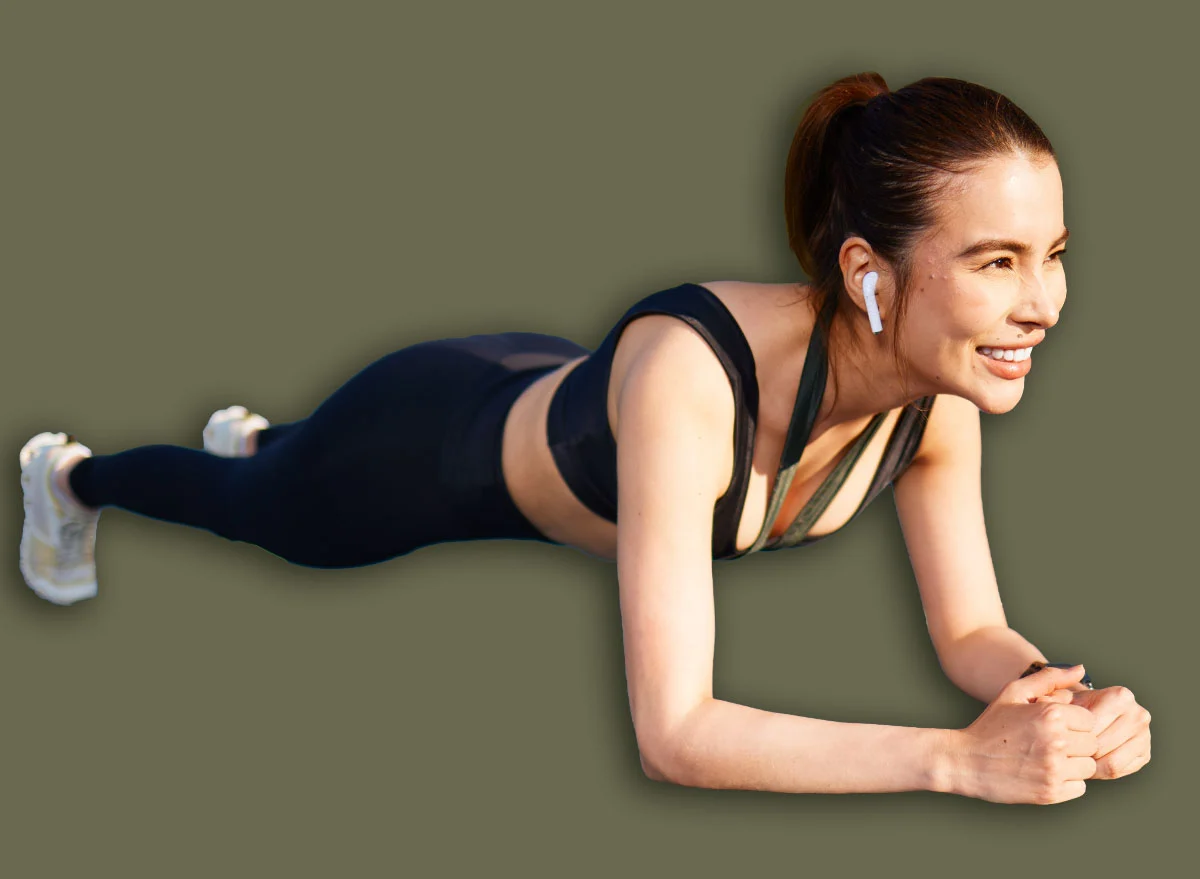
The Forearm Plank is an isometric exercise that challenges the entire core musculature to resist gravity and maintain a rigid, neutral spinal position. It is an excellent full-body core stabilizer that builds endurance in the deep abdominal and back muscles without placing undue stress on the spine.
- Execution: Begin by lying face down on the floor. Place your forearms on the ground, elbows directly beneath your shoulders, palms flat or clasped. Push off the floor, rising onto your toes and forearms, forming a straight line from head to heels. Engage your core, glutes, and quadriceps to prevent your hips from sagging or arching upwards. Keep your neck in a neutral position, looking down at the floor. Hold this position for a designated period, focusing on maintaining perfect form.
- Benefits: The plank is a comprehensive core exercise, activating the transversus abdominis, rectus abdominis, obliques, and even the erector spinae in the back. It builds isometric strength and endurance, which translates directly into improved posture and spinal stability during prolonged standing or walking.
- Modifications/Progressions: For a less challenging version, drop your knees to the floor while maintaining a straight line from head to knees. To advance, increase the hold time, or try lifting one leg slightly off the floor while maintaining stability. Side planks are another excellent progression to target the obliques more intensely.
Incorporating these four exercises into a regular fitness routine, two to three times per week, can yield significant improvements in core strength, balance, and overall functional capacity for individuals over 60. Each session could involve 2-3 sets of 8-12 repetitions for dynamic movements like the Bird Dog, Glute Bridge, and Dead Bug, and holds of 30-60 seconds for the Forearm Plank, adjusted based on individual fitness levels. Prioritizing proper form over the number of repetitions or duration of holds is crucial to maximize benefits and minimize injury risk.
Beyond the specific exercises, consistency is key. Regular engagement with these targeted movements, coupled with a general active lifestyle, will lay a strong foundation for sustained physical health. It is always advisable for older adults to consult with a healthcare professional or a certified fitness trainer before embarking on any new exercise program, especially if they have pre-existing health conditions or mobility concerns. A professional can provide personalized guidance and ensure exercises are appropriate and safe.
Ultimately, investing in core strength after the age of sixty is an investment in quality of life. It’s about more than just physical fitness; it’s about preserving autonomy, enjoying daily activities without discomfort, and maintaining the confidence to embrace life’s adventures. By shifting focus from outdated exercises to functional, stability-enhancing movements, older adults can unlock a new level of physical resilience and well-being, paving the way for a more vibrant and active future.
Related posts:

Related News