The Human Form: A Chronicle of Evolutionary Adaptations, Not Idealized Blueprint.
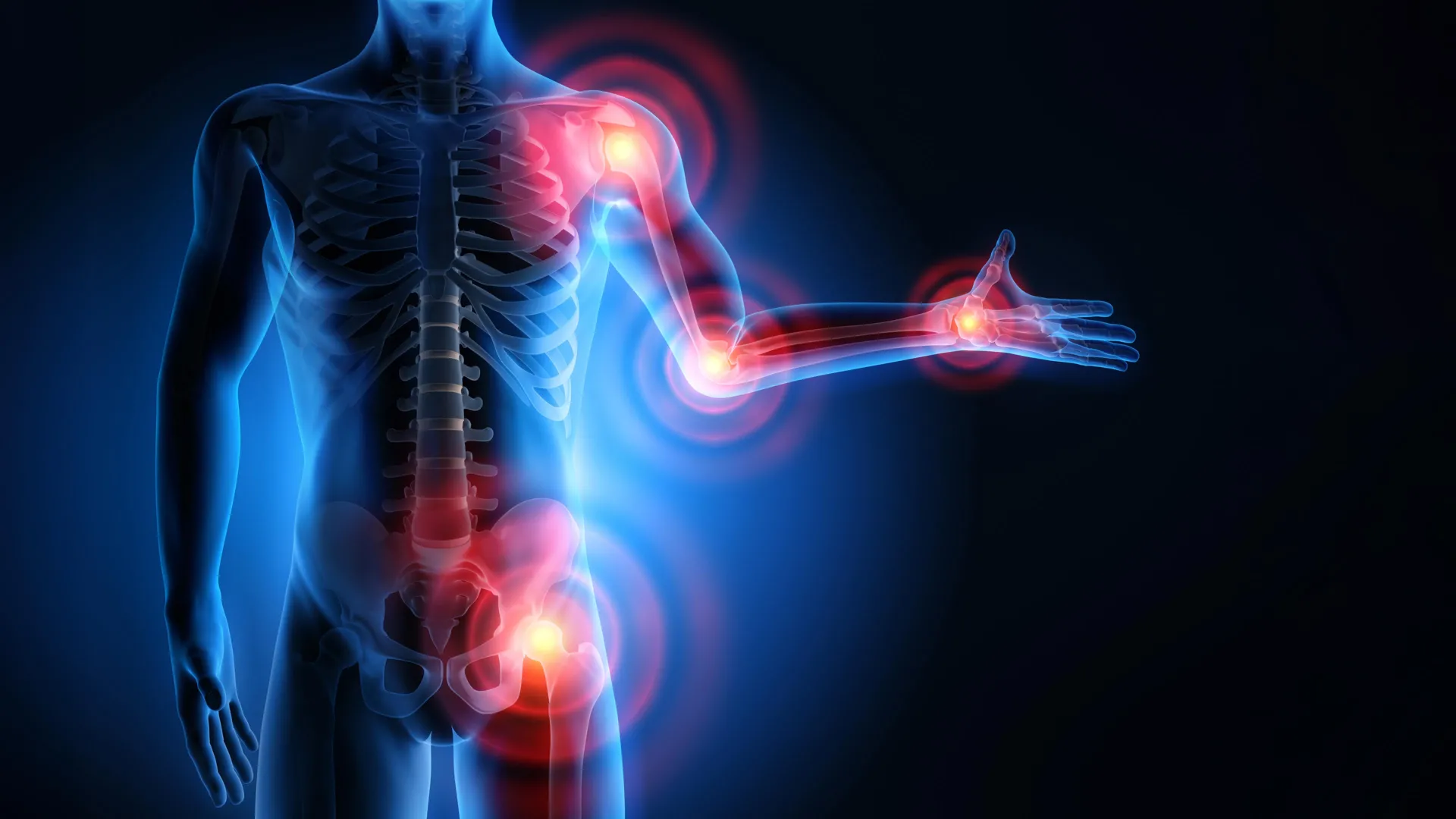
The prevalent notion of the human body as a paragon of flawless engineering, a meticulously crafted mechanism operating with elegant efficiency, is a perspective that crumbles under closer scrutiny. Instead of an immaculate design, our biological structure reveals itself as a testament to a long and intricate history of evolutionary improvisation, a series of adaptations built upon pre-existing frameworks rather than starting anew. This process, driven by the relentless pressure of survival and reproduction over millennia, has resulted in a collection of functional, yet imperfect, solutions, many of which underpin common human ailments and medical challenges.
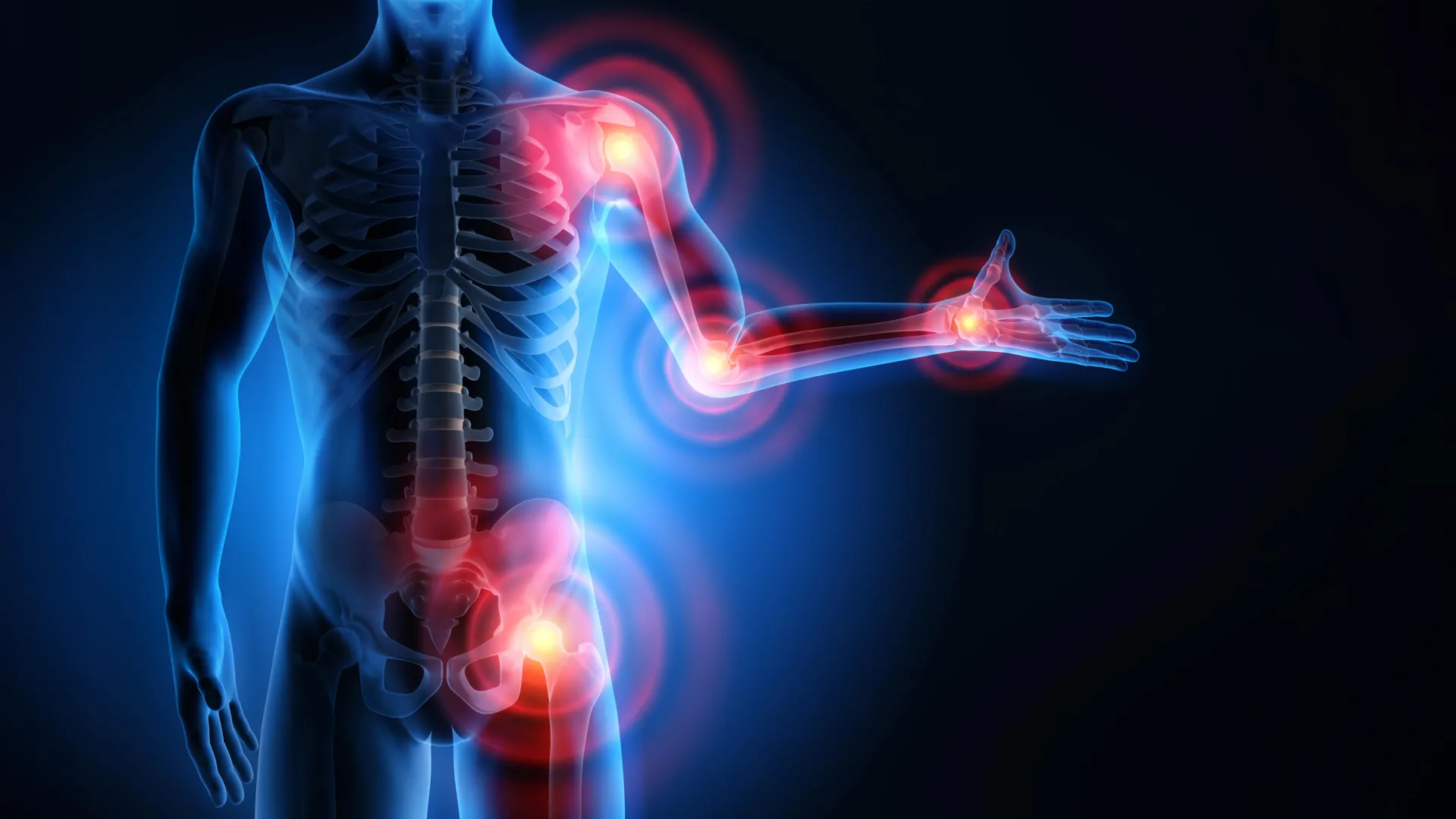
Central to understanding this evolutionary narrative is the human vertebral column, or spine. Its current configuration bears the indelible marks of its quadrupedal, arboreal ancestors. In these primate forebears, the spine functioned primarily as a flexible structural element, a beam facilitating graceful locomotion through tree canopies while simultaneously safeguarding the vital spinal cord. The transition to bipedalism, the hallmark of human locomotion, necessitated a profound repurposing of this ancient structure. The spine was tasked with the dual challenge of supporting the body’s vertical mass and maintaining a stable center of gravity, all while retaining a degree of flexibility crucial for movement. This inherent conflict between vertical load-bearing and the need for suppleness generates considerable biomechanical strain. While the characteristic S-shaped curvature of the human spine aids in distributing weight, it also unfortunately renders it susceptible to a host of debilitating conditions, including debilitating lower back pain, herniated intervertebral discs, and degenerative processes. These issues, far from being random biological failures, are largely the predictable consequences of a structure adapted for one mode of life being pressed into service for another, fundamentally different one.
Another compelling illustration of evolutionary contingency, rather than deliberate design, can be observed in the path of the recurrent laryngeal nerve. This nerve, a branch of the vagus nerve, plays a critical role in regulating autonomic functions essential for our well-being, such as slowing the heart rate and influencing respiration. It also serves a vital connection between the brain and the larynx, governing crucial activities like speech and swallowing. Logically, one might anticipate this nerve to follow the most direct route from the brain to the voice box. However, its actual trajectory is far more circuitous. The nerve descends from the brain into the thoracic cavity, performs a loop around a major artery, and then ascends once more to reach the larynx. This seemingly inefficient detour is not a product of intelligent planning but rather an archaic legacy inherited from our distant, fish-like ancestors. In these ancient creatures, the nerve followed a straightforward path around the developing gill arches. As mammalian necks elongated over evolutionary time, this nerve was stretched rather than fundamentally rerouted, creating a vulnerability to injury, particularly during surgical procedures in the neck region.
Even our visual apparatus, often hailed as a marvel of sensory perception, exhibits the hallmarks of evolutionary compromise. In humans and other vertebrates, the retina, the light-sensitive tissue at the rear of the eye, is wired in what can be described as a "backwards" fashion. This means that light must first traverse layers of nerve fibers and blood vessels before reaching the photoreceptor cells, the specialized neurons responsible for detecting light and initiating the visual signal. Furthermore, the optic nerve, which transmits visual information to the brain, exits the retina from its frontal surface. This structural arrangement creates an inherent blind spot, a small area devoid of photoreceptors, where vision is temporarily impossible. While our brains are remarkably adept at seamlessly filling in this visual void, rendering it imperceptible in everyday experience, its existence is a direct consequence of this evolutionary wiring. Thus, our sophisticated visual capabilities have been achieved at the cost of an innate gap in our visual field.
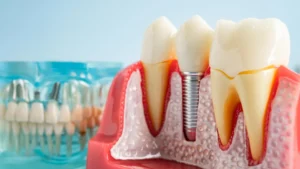
The evolutionary prioritization of adequacy over long-term durability is also evident in our dentition. Humans develop two sets of teeth: deciduous (baby) teeth and permanent adult teeth. Unlike some species, such as sharks, which possess the remarkable ability to continuously regenerate their teeth throughout their lives, humans do not. Once adult teeth are lost, they are not replaced. In mammals, the development and eruption of teeth are intricately regulated, closely tied to complex jaw growth patterns and dietary adaptations. While this system served our ancestors well, it leaves modern humans susceptible to dental decay and tooth loss. The issue of wisdom teeth further exemplifies this evolutionary lag. Our ancestral jaws were larger, equipped to handle tougher, more fibrous diets that required extensive chewing. Over time, as human diets softened and jaw size diminished, the number of teeth did not decrease at a commensurate pace. Consequently, many individuals today lack sufficient space in their jaws for their third molars, leading to impaction, dental crowding, and often necessitating surgical removal. While wisdom teeth are not inherently non-functional, their persistence within the confines of a modern, reduced jaw structure creates significant problems.
The biological architecture of the human pelvis presents one of the most profound evolutionary trade-offs, a delicate balancing act between two competing evolutionary imperatives: efficient bipedal locomotion and the birthing of large-brained offspring. A narrower pelvic structure is advantageous for optimizing gait and enhancing mobility on two legs. However, this same narrowness constricts the birth canal, complicating the delivery of infants. Human babies, relative to body size, possess unusually large heads, a trait that has contributed to our cognitive advancements. This anatomical mismatch between pelvic structure and fetal head size results in a birth process that is often arduous and, at times, fraught with danger, frequently requiring external intervention. The inherent tension between the demands of mobility and the evolutionary trajectory towards larger brain sizes has not only shaped our physical anatomy but has also influenced social behaviors, fostering cooperative childcare and the development of cultural practices centered around childbirth.
Evolutionary processes do not always eliminate structures that confer even minimal benefit, especially if they do not represent a significant disadvantage. This principle explains the persistence of certain anatomical features. The appendix, once widely dismissed as a vestigial remnant, is now understood to possess some minor immune functions. Nevertheless, it remains a site prone to inflammation, leading to appendicitis, a condition that can be life-threatening. Similarly, the precise function of the paranasal sinuses remains somewhat ambiguous. They may contribute to lightening the skull or influencing vocal resonance, and their unique size and structure can even be employed in forensic identification. However, the drainage pathways of the sinuses are direct and narrow, making them highly susceptible to blockage and infection. This proneness to recurrent issues appears to be a developmental byproduct rather than an intentional adaptation for health. Even the vestigial muscles around the ears, which in many mammals allow for the independent movement of the outer ear to better detect sound direction, are present in humans. While most individuals cannot consciously control these muscles, their presence is a subtle reminder of our evolutionary lineage.
In essence, our bodies are not the product of an idealized blueprint but rather a living repository of evolutionary history. The intricate details of our anatomy tell a story of adaptation, compromise, and historical contingency. Evolution does not strive for perfection; it operates by modifying existing structures incrementally, working with the available genetic and structural material. By understanding our anatomy through this evolutionary lens, we can gain a more informed perspective on common medical challenges. Back pain, the difficulties associated with childbirth, dental crowding, and recurrent sinus infections are not merely random afflictions but, in part, the predictable outcomes of our species’ long and complex evolutionary journey.

Related News