Boosting Lower Leg Strength: A Structured Weekly Program for Enhanced Mobility and Balance in Older Individuals.
As individuals advance into their later decades, maintaining robust physical function becomes increasingly vital for preserving independence and overall quality of life. A frequently overlooked yet critically important component of this functional capacity lies in the strength and endurance of the lower leg muscles, particularly the calf complex. These muscles, comprising primarily the gastrocnemius and soleus, play a pivotal role in every step we take, dictating the power of our push-off, our balance, and our ability to navigate diverse terrains. The natural aging process, characterized by sarcopenia—the progressive loss of muscle mass and strength—often leads to a decline in these essential capabilities, manifesting as a less energetic gait, reduced stability, and an elevated risk of falls. However, strategic and accessible interventions, such as a focused, progressive calf strengthening program, offer a powerful means to counteract these age-related declines and revitalize lower limb performance.

The musculature of the calf, often collectively referred to simply as the "calves," is anatomically complex and functionally indispensable. The gastrocnemius, the more superficial and larger of the two primary muscles, is bi-articular, meaning it crosses both the knee and ankle joints. It is predominantly composed of fast-twitch muscle fibers, making it crucial for powerful, explosive movements like jumping and the vigorous push-off phase during walking or running. Beneath the gastrocnemius lies the soleus, a deeper, broader muscle that crosses only the ankle joint. Rich in slow-twitch muscle fibers, the soleus is an endurance muscle, vital for sustained postural control, standing balance, and the long-duration demands of walking. Both muscles converge into the Achilles tendon, connecting to the heel bone (calcaneus), acting as the primary plantarflexors of the ankle.
With advancing age, changes in muscle fiber type, motor unit activation, and overall muscle mass disproportionately affect power-generating muscles like the gastrocnemius. This decline can lead to a noticeable reduction in the "snap" or "spring" in one’s step, contributing to a flatter, less efficient stride. Research indicates that maintaining strong calf muscles is not merely about aesthetic appearance; it is directly correlated with better gait speed, improved balance control, and a significant reduction in the incidence of falls among older adults. A compromised propulsive force from the calves can necessitate compensatory movements from other muscle groups, leading to inefficient movement patterns, increased fatigue, and potential strain on joints like the knees and hips. Therefore, any program aimed at enhancing mobility in older adults must place a strong emphasis on rehabilitating and strengthening this critical muscle group.
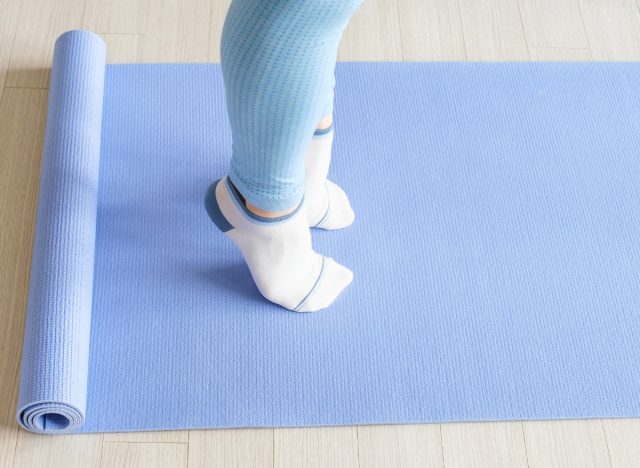
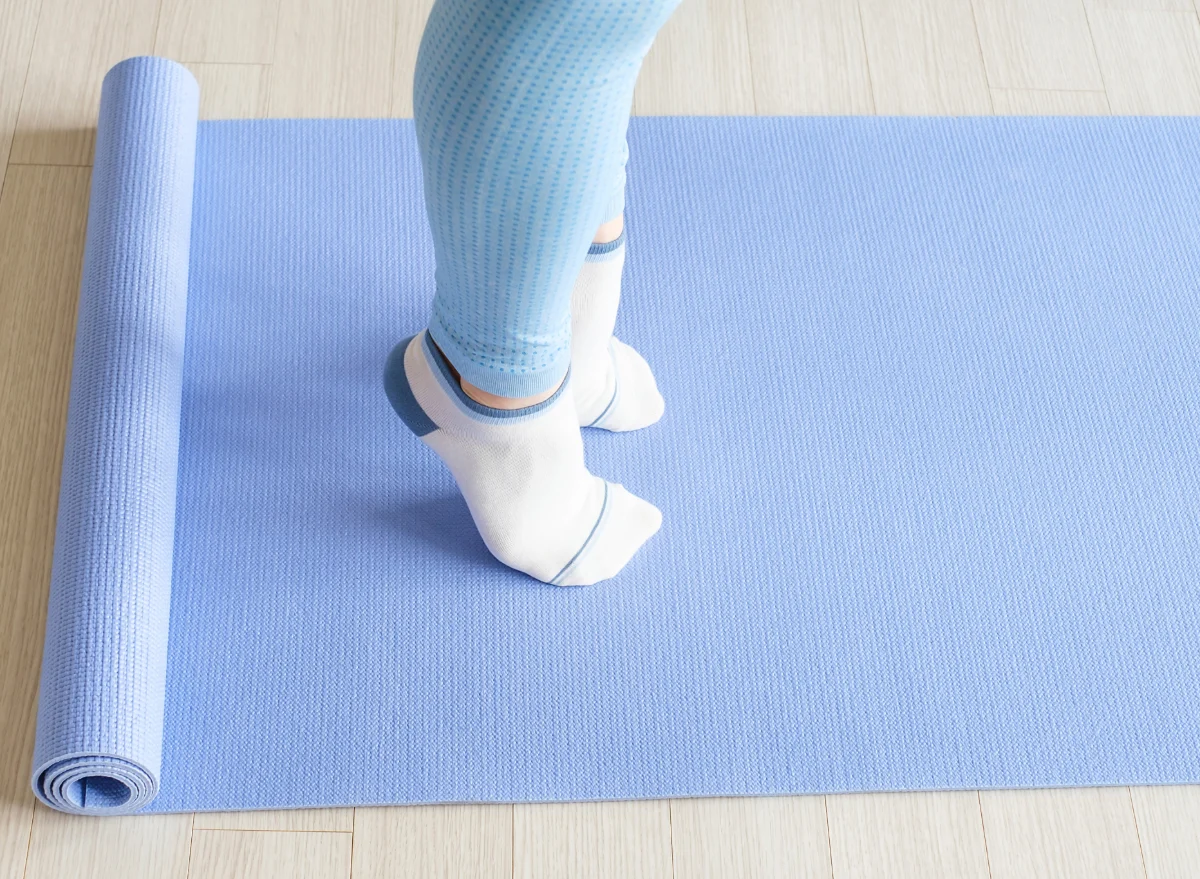
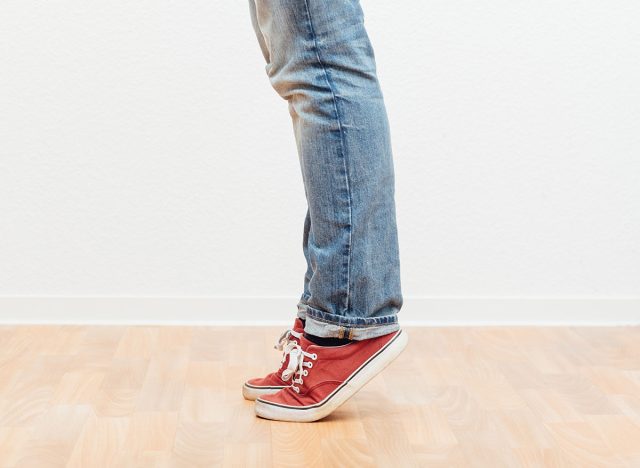
The heel raise exercise, despite its apparent simplicity, is a highly effective movement for directly targeting the calf muscles. It mimics the natural motion of pushing off the ground during walking, making it a functional exercise that translates directly to improved daily activities. The core mechanics involve elevating the heels off the ground, rising onto the balls of the feet, maintaining a brief, controlled hold at the peak of the contraction, and then slowly lowering the heels back to the starting position. This motion engages the gastrocnemius and soleus, along with smaller stabilizing muscles in the ankles and feet, promoting not only muscle strength but also improved ankle stability and proprioception (the body’s sense of its position in space). For safety and optimal focus on muscle engagement rather than balance, especially when initiating the exercise, utilizing a stable support such as a wall, countertop, or sturdy chair is highly recommended. The goal is to perform each repetition with deliberate control, ensuring the ankles remain stable and do not roll inward or outward.
To optimize results and prevent the routine from becoming monotonous, a structured, progressive approach is ideal. The following seven-day protocol introduces variations that challenge the calf muscles in different ways, fostering comprehensive strength development and adaptation. Each day builds upon the previous one, gradually increasing the demand on the muscles without overwhelming them, making it an accessible and effective starting point for individuals seeking to enhance their lower limb vitality.
Day 1: Establishing the Baseline
The initial day of this program focuses on establishing a comfortable starting point and refining fundamental form. Participants should perform three sets of ten heel raises, allowing 30 to 45 seconds of rest between each set. The emphasis here is on finding a smooth, consistent rhythm, ensuring both calves engage equally, and executing a controlled descent for every repetition, avoiding any sudden drops. This foundational day helps individuals tune into their body’s current capabilities and identify any immediate imbalances.
Day 2: Integrating Isometric Holds
Building on the basic movement, Day 2 introduces a two-second isometric hold at the apex of each heel raise. The routine consists of three sets of ten repetitions, with 30 to 45 seconds of rest between sets. This brief pause at the peak contraction forces the calf muscles to work harder, enhancing muscle fiber recruitment and improving static strength and stability. If ankle stability proves challenging during the hold, maintaining light fingertip contact with a support surface can provide necessary assistance while still allowing the calves to bear the primary load.
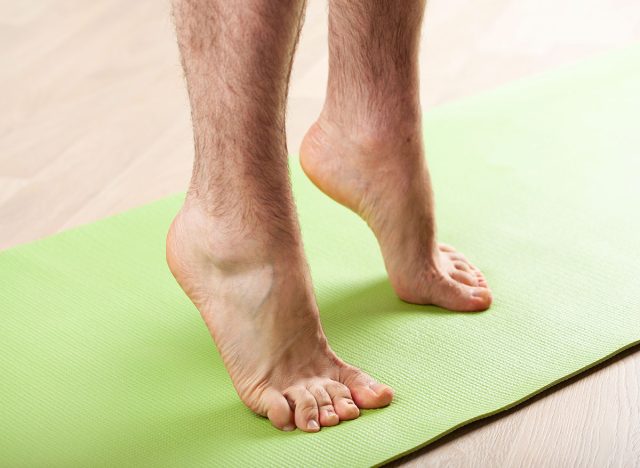
Day 3: Emphasizing Eccentric Control
The third day shifts focus to the eccentric, or lowering, phase of the movement. Perform three sets of eight to ten heel raises, dedicating three seconds to the controlled descent of each repetition. Rest for 45 seconds between sets. The eccentric phase is crucial for building strength, particularly in preventing muscle damage and improving resilience. By deliberately slowing down the lowering motion, the calves are subjected to a greater time under tension, promoting muscle growth and enhancing neuromuscular control throughout the full range of motion. Maintaining an upright posture and resisting the urge to rush the final portion of the descent are key for maximizing the benefits.
Day 4: Targeting the Soleus Muscle
On Day 4, the program introduces a variation designed to specifically engage the deeper soleus muscle. Perform three sets of ten bent-knee heel raises, resting for 30 to 45 seconds between sets. To execute this, maintain a slight bend in the knees throughout both the ascent and descent. Bending the knee minimizes the involvement of the gastrocnemius, which is less active when the knee is flexed, thereby isolating the soleus. This muscle is fundamental for sustained endurance and critical for maintaining balance during prolonged standing and walking, making its specific strengthening highly beneficial for overall mobility. The range of motion might feel smaller in this variation, which is perfectly normal and expected.
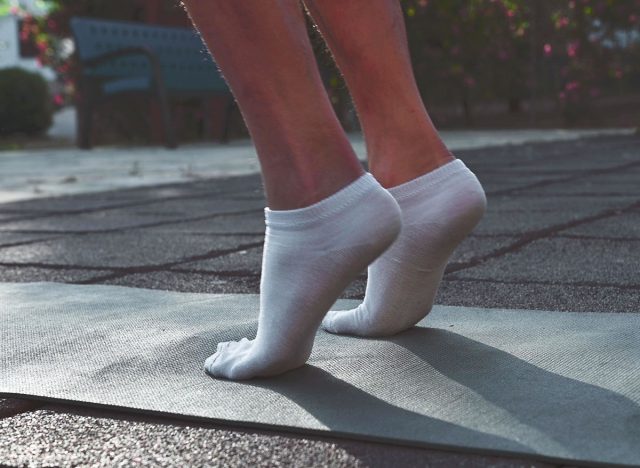
Day 5: Advancing to Staggered Stance
The fifth day progresses towards unilateral loading by introducing staggered-stance heel raises. Execute three sets of eight repetitions per side, resting for 45 seconds between working each leg. In this variation, one foot is positioned slightly behind the other, with both feet remaining on the ground. While both feet contribute, the primary effort is directed towards the leg positioned further back. This technique provides a stepping stone towards single-leg calf raises, allowing for increased load on individual calves and helping to address any strength disparities between the left and right legs. It’s an excellent way to prepare the muscles for greater individual demands.
Day 6: The Hold Ladder Challenge
Day 6 incorporates a dynamic and isometric combination to comprehensively challenge the calves. Perform the following sequence for two to three rounds, resting for 45 to 60 seconds between rounds: 10 repetitions, followed by a 5-second hold; then 8 repetitions, followed by a 4-second hold; then 6 repetitions, followed by a 3-second hold. This "hold ladder" approach forces the calves to engage in both rhythmic contraction and sustained tension, promoting both muscular endurance and peak strength. It encourages a steady, controlled execution rather than relying on momentum, further enhancing muscle activation and stability.
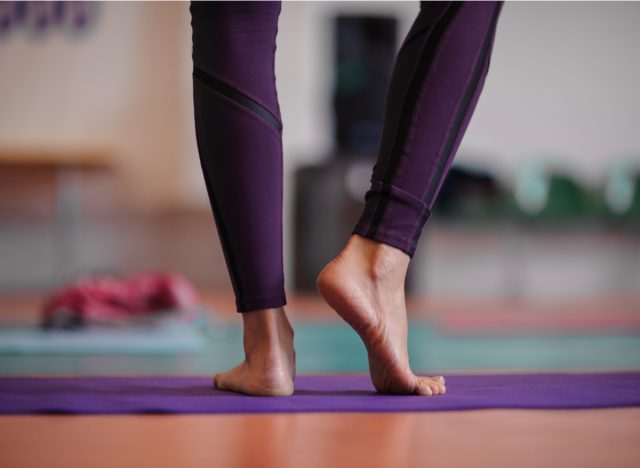
Day 7: Comprehensive Strength Assessment
The concluding day of the challenge serves as a self-assessment and a benchmark for progress. Perform two rounds of the following sequence, resting for 60 seconds between rounds: 10 standard heel raises, followed by a 5-second hold at the top; then 8 bent-knee heel raises, followed by a 4-second hold. This final day allows individuals to directly compare their performance to Day 1, observing improvements in control, height of elevation, and ankle stability. The goal is to feel a greater sense of mastery over the movement. An optional third round can be added if form remains impeccable and fatigue is manageable, ensuring safety and continued quality of movement.
Upon successful completion of this introductory week, the journey towards enhanced calf strength should not end. To sustain and further build upon the initial gains, continued engagement with calf strengthening exercises is essential. Progressive overload principles should be applied, meaning the muscles must be continually challenged to adapt and grow stronger. This can involve gradually increasing the number of repetitions or sets, extending the duration of isometric holds, or further slowing down the eccentric phase. As strength improves, individuals may transition to more advanced variations, such as single-leg heel raises, which significantly increase the load on each calf. Incorporating external resistance by holding light dumbbells or wearing a weighted vest, or exploring variations like calf raises performed on an elevated surface to allow for a greater stretch at the bottom, can also provide further progression. Listening to the body, ensuring adequate rest, and maintaining consistency are paramount for long-term success.
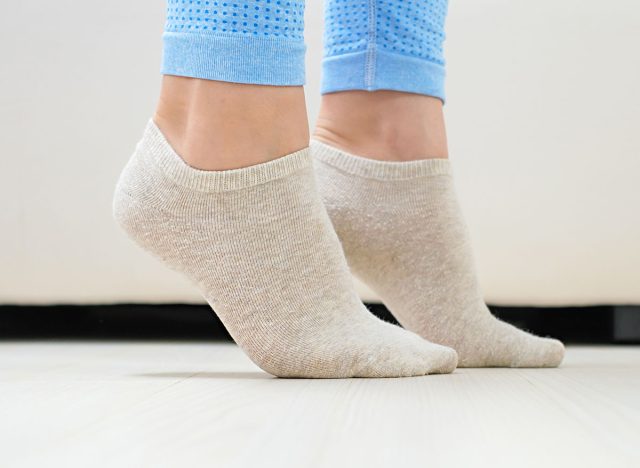
The impact of strong calf muscles extends far beyond the gym; it fundamentally transforms the experience of daily movement. A powerful, resilient stride, coupled with improved balance and ankle stability, directly contributes to greater confidence, enhanced mobility, and a more active, independent lifestyle in the later years. This structured weekly program offers an accessible yet potent pathway to rebuild foundational strength from the ground up, proving that investing a few focused minutes each day can yield profound benefits for lifelong vitality.
Related posts:

Related News