A significant advancement in medical diagnostics promises to fundamentally alter how a range of debilitating gastrointestinal disorders, including several forms of cancer and chronic inflammatory conditions, are identified and managed. Pioneering research has successfully pinpointed a novel array of biological indicators within the human gut, offering a less intrusive and potentially earlier method for detecting conditions such as gastric cancer (GC), colorectal cancer (CRC), and inflammatory bowel disease (IBD). This groundbreaking discovery suggests a future where early intervention could become the norm, potentially transforming patient outcomes.
Gastrointestinal diseases represent a substantial global health burden, impacting millions with varying degrees of severity. Gastric cancer, for instance, remains one of the leading causes of cancer-related mortality worldwide, often diagnosed at advanced stages when treatment options are limited. Colorectal cancer, though more treatable when caught early, still accounts for a significant number of cancer deaths annually. Inflammatory bowel disease, encompassing Crohn’s disease and ulcerative colitis, is a chronic, life-altering condition characterized by persistent inflammation of the digestive tract, often necessitating lifelong management and carrying an increased risk of colorectal cancer. Current diagnostic protocols for these conditions, while effective, frequently involve invasive procedures such as endoscopy and biopsies. These methods can be uncomfortable, carry inherent risks, are costly, and may not always detect disease in its nascent stages, underscoring the critical need for more accessible and sensitive diagnostic tools.
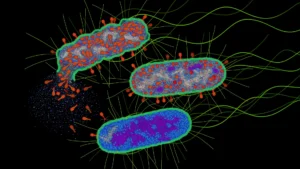
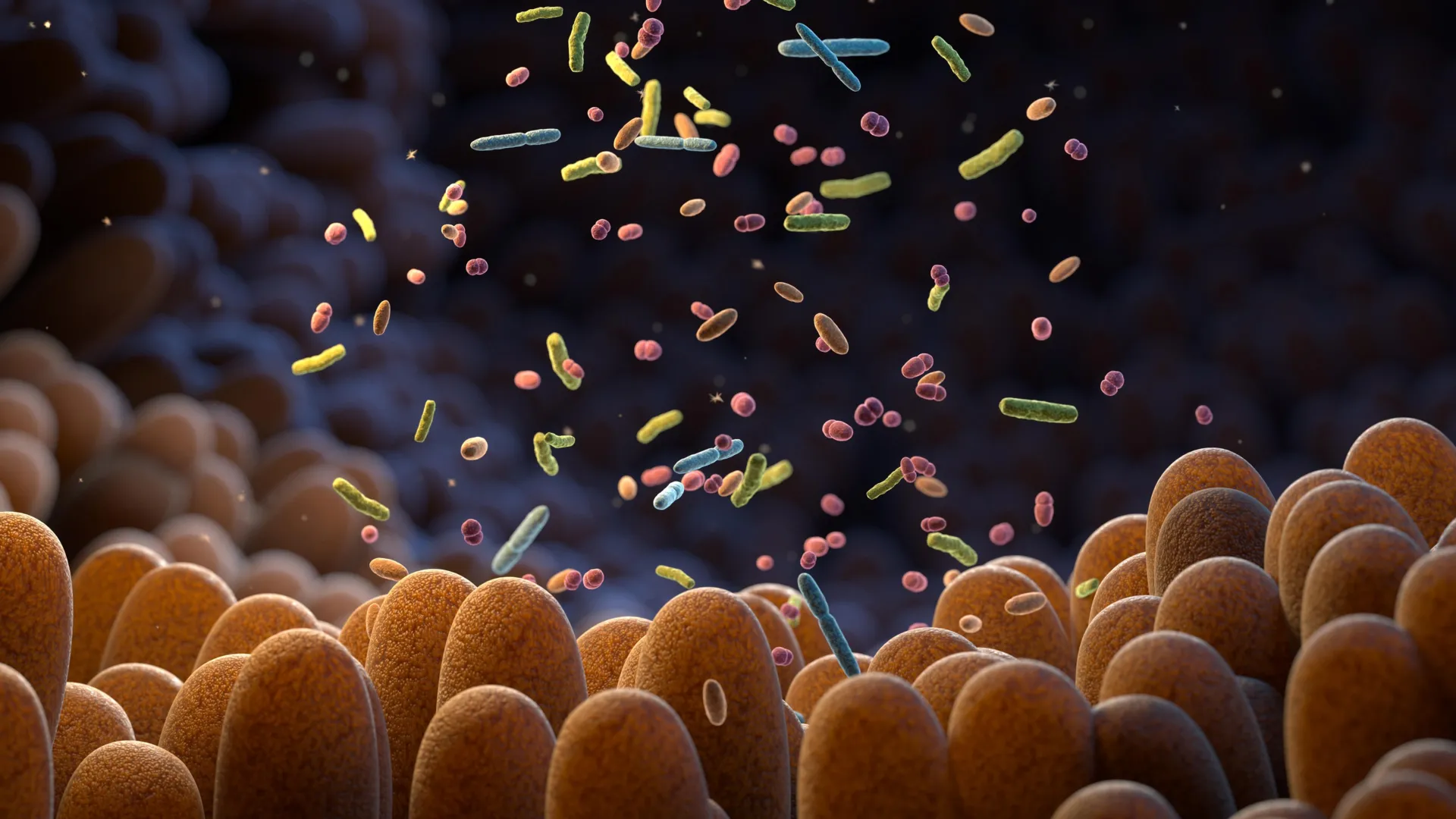
The innovative study leveraged sophisticated machine learning and artificial intelligence (AI) methodologies to meticulously analyze extensive datasets derived from the gut microbiome and metabolome of patients afflicted with GC, CRC, and IBD. The gut microbiome refers to the trillions of microorganisms, primarily bacteria, residing in the digestive tract, playing a crucial role in human health and disease. The metabolome, conversely, comprises the complete set of small-molecule chemicals, or metabolites, found within biological systems, which are the end products of cellular processes and microbial activity. By examining the intricate interplay between these microbial communities and their metabolic outputs, researchers sought to uncover distinct "signatures" indicative of disease. The power of AI in this context is paramount; it can discern complex patterns and correlations within vast, multidimensional datasets that would be imperceptible through conventional statistical analysis. This analytical prowess allowed the research team to identify specific bacterial species and metabolic compounds intimately associated with each of these challenging gastrointestinal conditions.
A particularly striking finding from the investigation was the revelation of shared biomarker patterns across different diseases. The AI models demonstrated a remarkable capacity for cross-disease prediction; for example, algorithms trained to identify biomarkers specific to gastric cancer were often successful in recognizing indicators linked to inflammatory bowel disease. Similarly, models developed using colorectal cancer data could accurately predict markers related to gastric cancer. This phenomenon suggests the existence of common underlying biological pathways or shared susceptibilities that manifest across seemingly distinct gastrointestinal pathologies. This insight holds immense promise for developing universal diagnostic platforms capable of screening for multiple conditions simultaneously, thereby streamlining the diagnostic process and reducing the burden on healthcare systems.
The research was a collaborative endeavor, drawing expertise from leading institutions. Teams from the University of Birmingham Dubai, specifically its Health Data Science MSc Programme, alongside researchers from the University of Birmingham in the UK and University Hospitals Birmingham NHS Foundation Trust, pooled their knowledge and resources. Their comprehensive findings were subsequently peer-reviewed and published in the prestigious Journal of Translational Medicine, affirming the scientific rigor and significance of their work.
Delving into the specifics, the study meticulously characterized distinct microbial and metabolic profiles for each disease, while simultaneously highlighting significant overlaps. For individuals suffering from gastric cancer, the analysis frequently detected an altered prevalence of bacteria belonging to the Firmicutes, Bacteroidetes, and Actinobacteria phyla. These broad groups encompass numerous species, and shifts in their relative abundance or specific member species can significantly influence gut health and disease progression. Concurrently, observable changes were noted in specific metabolites, notably dihydrouracil and taurine. Dihydrouracil is an intermediate in pyrimidine metabolism, and its altered levels can indicate perturbed cellular processes, while taurine, an amino acid, plays roles in various physiological functions, including bile acid conjugation and osmoregulation, with implications for cellular stress responses. Interestingly, some of these GC-associated markers also appeared in patients with IBD, suggesting a common thread in their pathogenesis, though their utility for detecting CRC was found to be less pronounced.
In the context of colorectal cancer, key biological indicators included an elevated presence of bacteria such as Fusobacterium and Enterococcus. Fusobacterium nucleatum, in particular, has been extensively implicated in CRC progression, promoting inflammation, modulating the tumor microenvironment, and contributing to drug resistance. Enterococcus species are also opportunistic pathogens that can contribute to dysbiosis. Metabolically, elevated levels of isoleucine and nicotinamide were identified. Isoleucine is an essential amino acid, and its altered metabolism can be linked to cancer cell growth, while nicotinamide, a form of vitamin B3, is crucial for cellular energy metabolism and DNA repair, and its dysregulation can signal disease states. Some of these CRC markers were also observed in gastric cancer patients, further reinforcing the hypothesis of shared biological pathways driving these distinct malignancies.
For inflammatory bowel disease, the research pinpointed the Lachnospiraceae family of bacteria as playing a particularly important role. Many members of the Lachnospiraceae are known butyrate producers, a short-chain fatty acid vital for gut barrier integrity and anti-inflammatory responses. An imbalance within this family, therefore, can have profound implications for gut health. Alongside these microbial shifts, metabolites such as urobilin and glycerate were identified as significant markers. Urobilin is a byproduct of bilirubin metabolism, often reflecting changes in gut microbial activity and liver function, while glycerate is involved in carbohydrate metabolism. Notably, the study revealed that some of these IBD-related markers are also implicated in cancer-related processes, providing additional evidence for the interconnectedness of chronic inflammation and oncogenesis within the gastrointestinal system.
Beyond observational data, the research team also employed computational simulations to model the dynamics of gut microbial growth and metabolite flux through biological systems. These sophisticated simulations provided a deeper understanding of the functional consequences of the identified microbial and metabolic shifts. By simulating these complex interactions, the researchers were able to robustly confirm distinct metabolic differences between healthy individuals and those afflicted with disease. This computational validation not only strengthened the evidence for the diagnostic utility of these biomarkers but also offered mechanistic insights into how these changes contribute to disease progression. Such modeling is critical for moving from correlation to causation, providing a more holistic picture of disease pathophysiology.
The profound implications of this research were underscored by Dr. Animesh Acharjee from the University of Birmingham, a lead co-author on the study. Dr. Acharjee emphasized the inherent limitations of current diagnostic techniques, noting their invasiveness, high cost, and occasional failure to detect diseases at their earliest, most treatable stages. He articulated that the team’s comprehensive analysis offers an enhanced understanding of the intricate mechanisms propelling disease progression and precisely identifies crucial biomarkers amenable to targeted therapeutic interventions. These newly discovered biological indicators hold the potential to enable earlier and more precise disease identification, thereby paving the way for more effective, highly personalized treatment regimens tailored to individual patient profiles. Furthermore, Dr. Acharjee highlighted the transformative potential of the study’s cross-disease analytical approach, which demonstrated the feasibility of utilizing microbial and metabolic biomarkers discovered in one gastrointestinal disorder to predict the presence or risk of another. He concluded that this innovative methodology could culminate in the development of groundbreaking, universal diagnostic tools, poised to revolutionize both the diagnosis and treatment paradigms for a spectrum of gastrointestinal conditions.
Looking towards the future, the research team is already charting a clear path for translating these seminal findings into tangible clinical applications. A primary objective is the development of non-invasive diagnostic tests. Imagine a future where a simple stool or breath test could offer early warnings of gastric cancer, colorectal cancer, or IBD, dramatically reducing the need for uncomfortable and costly procedures. These tests, guided by the identified biomarkers, would not only improve patient comfort but also significantly lower the barrier to early screening, potentially leading to a paradigm shift from reactive to proactive healthcare. Concurrently, the insights gained into specific disease markers are expected to facilitate the creation of more targeted therapies. By understanding the precise microbial and metabolic alterations driving an individual’s disease, clinicians could prescribe highly individualized treatments, maximizing efficacy while minimizing side effects.
The researchers also recognize the critical importance of validating their models on larger and more diverse patient populations. This step is essential to ensure the robustness and generalizability of their findings across various demographics and genetic backgrounds, moving the discoveries closer to widespread clinical adoption. Moreover, they intend to explore whether these sophisticated biomarkers could predict the onset of additional related diseases in the future, further expanding the utility of this innovative diagnostic platform. Ultimately, this research heralds a new era in gastrointestinal health, promising a future where early, accurate, and non-invasive diagnosis is not just an aspiration but a clinical reality, offering renewed hope for millions affected by these challenging conditions.
About the Author