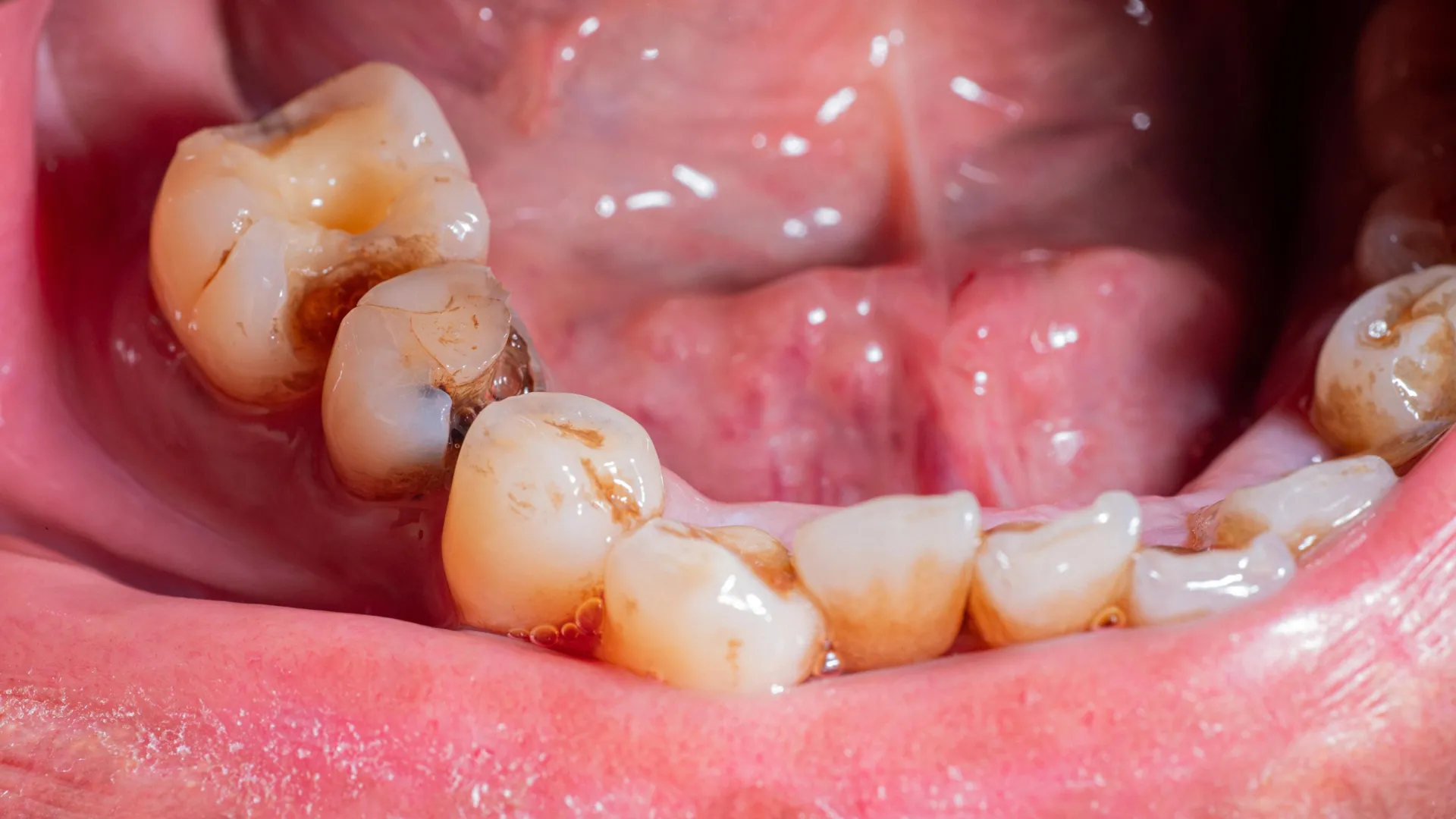
A groundbreaking advancement in dental care has emerged from Brazilian research laboratories, presenting a novel artificial saliva formulation derived from a modified sugarcane protein. This innovative solution, developed as a mouthwash, has demonstrated a remarkable ability to shield tooth enamel from acidic attacks and mitigate the progression of decay, holding significant promise for individuals suffering from compromised saliva production. The research, spearheaded by scientists at the Bauru School of Dentistry at the University of São Paulo (FOB-USP), centers on a protein engineered from sugarcane, identified as CANECPI-5. This unique compound functions by creating a robust protective layer on the surface of teeth, effectively fortifying them against the erosive effects of dietary acids, such as those found in fruit juices and alcoholic beverages, as well as endogenous acids originating from the stomach. The findings, detailing the efficacy of this novel approach, have been formally published in the esteemed Journal of Dentistry.
The genesis of this research lies within the doctoral investigations of Natara Dias Gomes da Silva, conducted at FOB-USP. This ambitious project transcended national borders, fostering a collaborative synergy with international experts from the Federal University of São Carlos (UFSCar) in Brazil, the University of California in San Francisco (UCSF) in the United States, and Yonsei University College of Dentistry in South Korea. This interdisciplinary effort underscores the global pursuit of solutions for persistent oral health challenges. The broader scientific endeavor from which this discovery stems is a larger Thematic Project titled "Modulation of acquired pellicle to control dental mineral loss: unveiling mechanisms to make therapies possible," expertly coordinated by Professor Marília Afonso Rabelo Buzalaf at FOB-USP. This overarching project aims to unravel the intricate mechanisms governing the tooth’s natural protective layer, the acquired pellicle, and to leverage this understanding for the development of new therapeutic strategies to combat demineralization.
Initial laboratory assessments of the CANECPI-5 mouthwash involved applying the solution to small segments of animal teeth for a brief period of one minute daily. The promising results observed in these preliminary tests have paved the way for more extensive investigations, with the ultimate goal of translating this laboratory innovation into practical clinical applications. Professor Buzalaf elaborated on the pioneering nature of this development, highlighting that it represents the first therapeutic agent to harness the principle of the acquired pellicle for the treatment of xerostomia, a distressing condition characterized by the subjective sensation of a dry mouth stemming from insufficient saliva. The strategy employed involves the utilization of specialized substances designed to reconstitute the natural protein composition that adheres to the tooth surface.
Ms. Silva further explained the precise mechanism by which CANECPI-5 exerts its protective influence. She noted that the protein exhibits a direct affinity for tooth enamel, facilitating its adhesion and thereby enhancing the resistance of teeth to the corrosive actions of acids produced by oral microorganisms. This direct binding capability is central to its protective function. The study further revealed that the efficacy of CANECPI-5 is significantly amplified when it is formulated in conjunction with fluoride and xylitol, two well-established agents in dental caries prevention. In experimental settings, the artificial saliva formulation, when applied as a spray, effectively suppressed bacterial activity and demonstrably slowed the rate of tooth demineralization. This latter process, the loss of essential minerals like calcium and phosphate from tooth enamel, renders teeth more susceptible to the formation of cavities.
The implications of this research are particularly profound for patients undergoing radiotherapy for head and neck cancers. This demographic frequently experiences radiation-induced damage to their salivary glands, leading to a severe reduction or complete cessation of saliva production. The resultant xerostomia not only causes significant discomfort but also creates a highly conducive environment for the rapid development of aggressive dental caries, for which effective preventative or therapeutic products are currently scarce. This new artificial saliva offers a much-needed therapeutic avenue for these vulnerable individuals, potentially alleviating the severe dental sequelae of their cancer treatment.
Professor Buzalaf emphasized the dual benefits of artificial saliva, noting its capacity to not only alleviate the discomfort associated with dry mouth and oral lesions but also to actively combat harmful oral bacteria. She further clarified that the duration of artificial saliva use can vary; in some instances, it may be a temporary measure, while in others, it may become a permanent necessity due to the irreversible loss of salivary function. The CANECPI-5 protein has already undergone the patenting process, marking a significant step towards its commercialization. The subsequent phase of this innovation involves scaling up production capabilities and forging strategic partnerships with industry stakeholders keen on bringing this promising technology to the market.
The research team has explored a variety of delivery methods for CANECPI-5, successfully testing its efficacy as a mouthwash, a gel, and an orodispersible film. The latter is a novel formulation that dissolves on the tongue, releasing the active protein. The consistent positive outcomes observed across these diverse vehicles indicate the inherent versatility of CANECPI-5. Professor Buzalaf indicated that ongoing research within the Thematic Project will continue to investigate other technological platforms for delivering this protein, as well as exploring the potential of other related compounds.
The origin story of CANECPI-5 is rooted in extensive research into cystatins, a diverse family of proteins involved in numerous biological functions, conducted as part of the Sugarcane Genome Project (SUCEST) by a team at UFSCar, including Professor Flávio Henrique Silva. Their initial work involved the identification and recombinant production in bacteria of CANECPI-1, the first cystatin identified from sugarcane. Subsequent investigations led to the discovery and production of five additional sugarcane cystatins, including CANECPI-5. This particular protein exhibited potent inhibitory activity against cysteine peptidases, its targeted enzymes. During the course of their research, scientists observed that CANECPI-5 displayed a strong propensity to bind to smooth surfaces, such as the quartz cuvettes used in enzyme activity assays. This serendipitous observation prompted collaborative investigations with Professor Buzalaf’s group at FOB-USP to explore its binding characteristics with tooth enamel.
The researchers highlight CANECPI-5’s dual action—its ability to both reinforce enamel and modulate the oral microbiome—as a key factor in its therapeutic potential for future dental interventions. Beyond its direct dental applications, CANECPI-5 has also shown promise in other areas of oral health. Collaborations with colleagues in periodontology have explored its use in treating periodontal disease. Furthermore, an ongoing project with researchers at the Federal University of Uberlândia has utilized subcutaneous sponge implants in mice, demonstrating CANECPI-5’s capacity to reduce inflammation and promote angiogenesis (the formation of new blood vessels) and fibrinogenesis (the formation of fibrin, crucial for blood clotting). These properties suggest its potential utility in wound healing applications.
Looking ahead, the research team remains dedicated to further unraveling the synergistic interactions of CANECPI-5 with other biomolecules. One promising avenue of investigation involves combining CANECPI-5 with a peptide derived from statherin, a naturally occurring protein in human saliva. The objective is to ascertain whether this hybrid molecule can offer enhanced protection against stomach-derived acids, which can also contribute to tooth erosion. Another significant research goal is to explore CANECPI-5’s potential role in the prevention of periodontal disease, a chronic inflammatory condition affecting the gums and supporting bone structure. Professor Buzalaf also pointed to another innovative approach being explored within the Thematic Project: the conjugation of CANECPI-5 with vitamin E. This strategy aims to leverage vitamin E’s role as a carrier molecule, facilitating the delivery of the protein to the tooth surface. This approach could potentially enable patients to self-administer the product conveniently at home.
About the Author