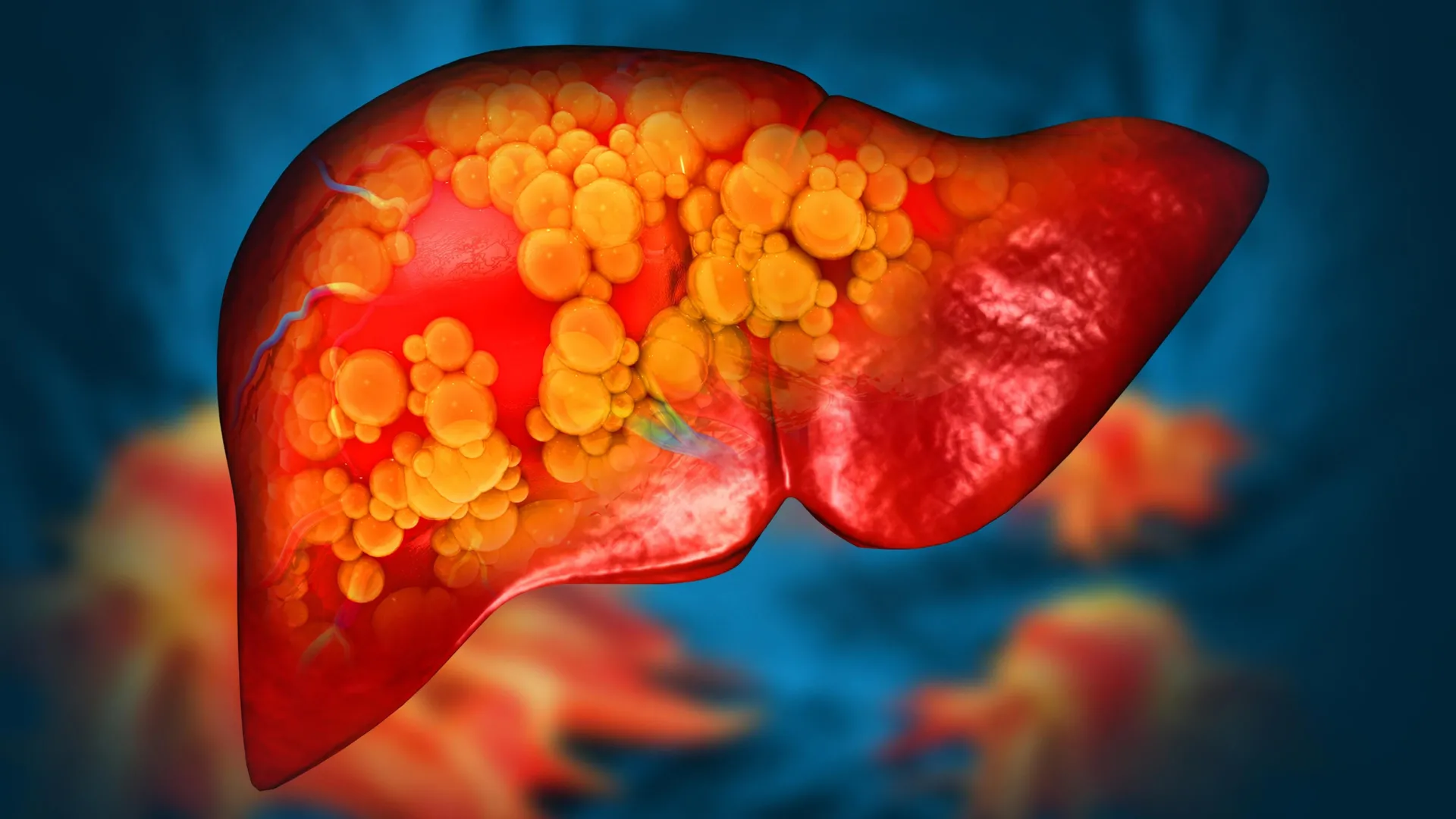
A recent scientific inquiry, published in the esteemed journal Clinical Gastroenterology and Hepatology, has illuminated a concerning trend regarding alcohol consumption and its impact on liver health, particularly for individuals already contending with metabolic dysfunction-associated steatotic liver disease (MASLD). This widespread hepatic ailment, affecting approximately one in every three adults in the United States, is now understood to be significantly more vulnerable to the damaging effects of sporadic heavy drinking. The research, spearheaded by a team from Keck Medicine of USC, challenges conventional wisdom that has long focused primarily on the cumulative quantity of alcohol consumed rather than the pattern of its intake.
The findings indicate that individuals diagnosed with MASLD who partake in episodic heavy drinking – defined as consuming four or more alcoholic beverages in a single day for women, or five or more for men, at least once a month – face a threefold increase in their likelihood of developing advanced liver fibrosis. Liver fibrosis, a process characterized by the accumulation of scar tissue within the liver, can impede its normal function and, in severe cases, progress to cirrhosis and liver failure. This elevated risk is starkly contrasted with individuals who consume the same total volume of alcohol over a longer period, underscoring the potent detrimental effect of concentrated alcohol intake.
Delving deeper into the demographic patterns of this behavior, the study observed that younger adults and men were more prone to reporting instances of episodic heavy drinking. Furthermore, a direct correlation emerged between the number of drinks consumed during a single episode and the severity of liver fibrosis observed. This suggests that not only the frequency but also the intensity of these occasional drinking bouts contribute significantly to liver damage.
Dr. Brian P. Lee, a hepatologist and liver transplant specialist at Keck Medicine and the principal investigator of the study, emphasized the critical shift in understanding that this research provides. "This study serves as a significant wake-up call," Dr. Lee stated, "as physicians have traditionally evaluated liver risk based on the total volume of alcohol ingested, rather than the manner in which it is consumed." He stressed the urgent need for public awareness regarding the perils of occasional binge drinking, even among those who maintain moderate consumption habits for the remainder of the month.
The methodology employed in this groundbreaking study involved a comprehensive analysis of data drawn from the National Health and Nutrition Examination Survey (NHANES), a nationally representative longitudinal study that monitors the health of the U.S. population. Researchers meticulously examined data from over 8,000 adults collected between 2017 and 2023. Their specific focus was to dissect the relationship between episodic heavy drinking and advanced liver fibrosis, aiming to unravel how drinking patterns, distinct from total weekly intake, can inflict harm, even upon individuals who otherwise fall within the generally accepted definitions of moderate drinking (seven drinks per week for women and 14 or fewer for men).
The choice to concentrate on MASLD was driven by its profound prevalence within the American populace. This condition, often linked to excess body weight, obesity, and other metabolic derangements such as Type 2 diabetes, hypertension, and elevated cholesterol levels, is experiencing a notable increase. While MASLD is not inherently defined as an alcohol-induced liver disease, Dr. Lee and his team hypothesized that alcohol consumption could indeed play a contributing role in its development and progression. The study’s findings appear to validate this hypothesis, demonstrating a clear exacerbation of liver damage in the presence of both MASLD and episodic heavy drinking.
The survey data revealed that a substantial portion of the adult participants, more than half, reported engaging in episodic heavy drinking. Within this cohort, nearly 16% of patients with MASLD were identified as episodic heavy drinkers. To isolate the impact of this specific drinking pattern, the researchers employed a rigorous comparative analysis. They matched individuals with MASLD based on age, sex, and average weekly alcohol consumption. This meticulous segmentation allowed them to differentiate between those who engaged in episodic heavy drinking and those who did not, leading to the conclusive observation that episodic heavy drinkers with MASLD exhibited nearly triple the odds of experiencing advanced liver fibrosis.
Dr. Lee posited that the detrimental impact of episodic heavy drinking on the liver operates through both direct and indirect mechanisms. The acute ingestion of large quantities of alcohol can overwhelm the liver’s metabolic capacity, leading to an surge in inflammatory responses. This heightened inflammation, in turn, can accelerate the process of scar tissue formation and cellular damage. Individuals with MASLD may be particularly susceptible to these effects. Dr. Lee’s prior research has already established that underlying conditions associated with MASLD, such as obesity and hypertension, can more than double the risk of developing liver disease, creating a synergistic vulnerability when combined with binge drinking.
The broader landscape of liver disease also presents a worrying picture. Dr. Lee noted that alcohol-related liver disease has more than doubled in incidence over the past two decades. He attributes this alarming trend, in part, to shifts in drinking behaviors during the pandemic era and a concurrent rise in individuals presenting with risk factors for MASLD, such as obesity and diabetes. This confluence of factors creates a fertile ground for increased liver pathology.
While the current study specifically focused on patients with MASLD, Dr. Lee suggested that its implications may extend to a wider patient population. "Given that over half of adults report some level of episodic heavy drinking, this issue warrants further scrutiny from both clinicians and researchers," he urged. Such investigations are crucial for advancing our understanding, developing effective prevention strategies, and improving treatments for liver disease. The research was supported by a grant from the National Institute on Alcohol Abuse and Alcoholism, underscoring the national significance of this public health concern.
About the Author