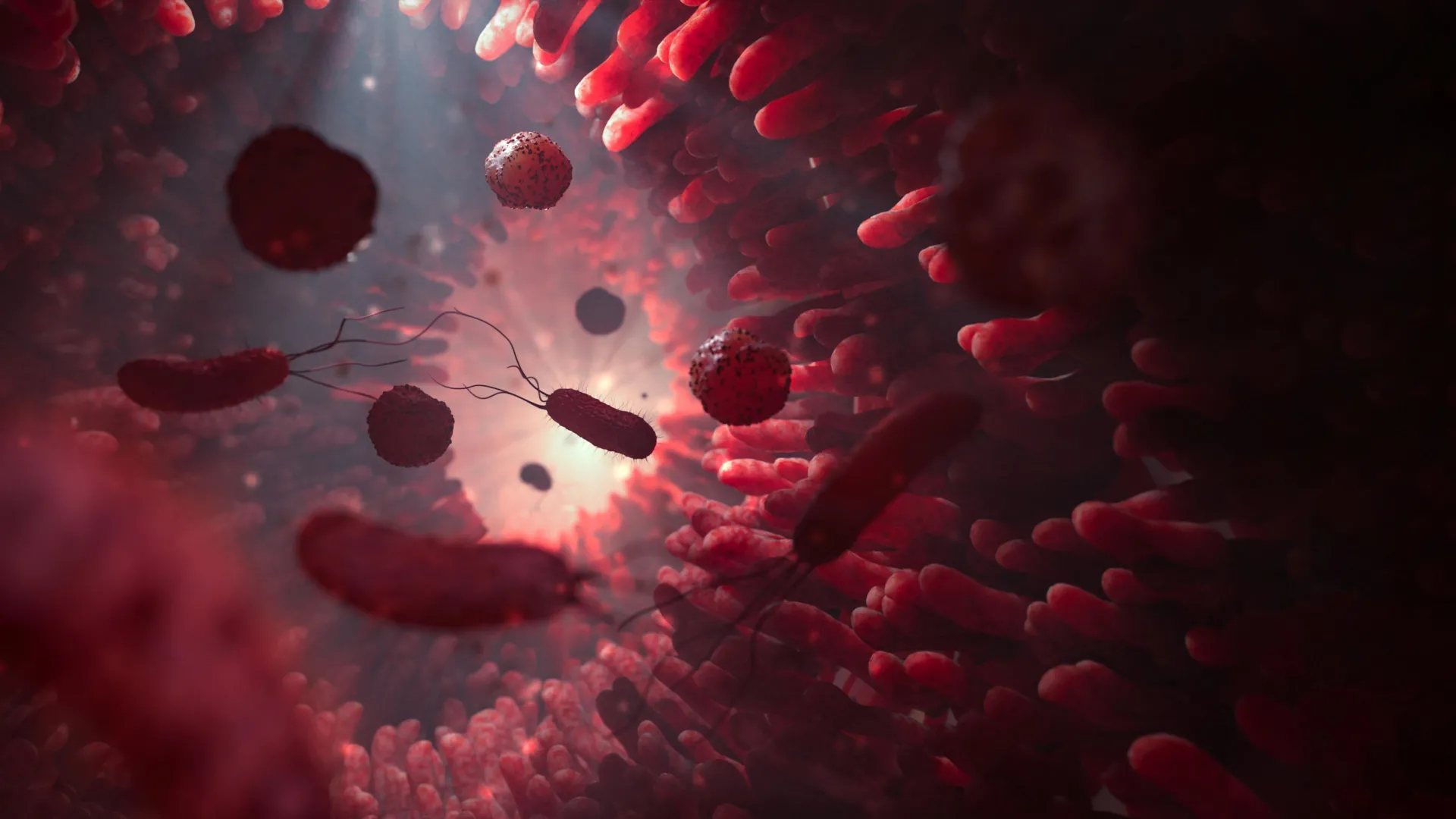
A groundbreaking development in antibiotic research at the Institute of Biology Leiden (IBL) promises a significant shift in the treatment of Clostridioides difficile infections (CDI). Scientists have engineered a novel experimental antibiotic, designated EVG7, which demonstrates remarkable efficacy against the challenging gut pathogen while uniquely sparing the beneficial bacteria that constitute the human microbiome. This dual action — potent pathogen eradication combined with microbial ecosystem preservation — addresses critical shortcomings of existing therapies, most notably the high rates of infection recurrence and the widespread disruption of essential gut flora. The findings, which represent a collaborative effort involving researchers from Leiden University Medical Center and North Carolina State University, were recently published in the esteemed journal Nature Communications.
Clostridioides difficile (formerly Clostridium difficile) stands as a formidable adversary in clinical settings, particularly within hospitals and long-term care facilities. It is an anaerobic, spore-forming bacterium that colonizes the human gut, primarily affecting individuals whose natural gut microbiota has been compromised, often by broad-spectrum antibiotic use. The bacterium produces potent toxins (TcdA and TcdB) that trigger severe inflammation, damage the intestinal lining, and lead to symptoms ranging from mild diarrhea to life-threatening pseudomembranous colitis, toxic megacolon, and even death. The elderly, immunocompromised patients, and those with underlying health conditions are especially vulnerable to the severe manifestations of CDI. The Centers for Disease Control and Prevention (CDC) identifies C. difficile as an urgent threat due to its prevalence, severity, and the challenges associated with its treatment.
One of the most vexing aspects of CDI management is the high rate of recurrence. Even after successful initial treatment with conventional antibiotics, a substantial proportion of patients, sometimes as high as 25-30% within weeks of therapy cessation, experience a relapse. This phenomenon is largely attributed to C. difficile‘s ability to form highly resilient spores. These dormant forms of the bacterium are notoriously resistant to most antibiotics and can persist in the gut environment even after active bacterial cells have been eliminated. Once the antibiotic treatment concludes and the gut environment becomes conducive again, these spores can germinate, reactivate, and trigger a new cycle of infection, plunging patients back into debilitating illness. This cycle of infection and relapse places an immense burden on patients, healthcare systems, and public health resources.
Current therapeutic approaches for CDI typically involve antibiotics such as vancomycin or fidaxomicin. While effective at targeting the active C. difficile bacteria, these drugs, particularly vancomycin, often exert a broad-spectrum effect, indiscriminately wiping out a significant portion of the patient’s healthy gut microbiome alongside the pathogen. The gut microbiome, a complex ecosystem of trillions of microorganisms, plays a crucial role in human health, contributing to digestion, nutrient absorption, immune system development, and protection against pathogens. When this delicate balance is disturbed – a state known as dysbiosis – it creates an ecological void that C. difficile can readily exploit. The absence of beneficial bacteria that would normally compete with C. difficile for resources or produce antimicrobial compounds allows surviving spores to flourish, directly contributing to the high rates of recurrence. This collateral damage to the microbiome represents a major limitation of existing treatments.
The experimental antibiotic EVG7, developed under the leadership of Professor Nathaniel Martin’s research group at IBL, represents a sophisticated advancement in glycopeptide antibiotic design, a class that includes vancomycin. The innovative design of EVG7 has resulted in a compound that is significantly more potent than its predecessor. This enhanced efficacy is central to its unique therapeutic profile. The research team, spearheaded by lead author and scientist Elma Mons, meticulously investigated EVG7’s impact on C. difficile infections using preclinical mouse models. Their findings underscored a critical discovery: EVG7 achieved superior outcomes when administered at a remarkably low dose.
In their studies, Mons and her colleagues compared the effectiveness of EVG7 at various concentrations against conventional vancomycin. The results were compelling: mice treated with a reduced dose of EVG7 exhibited a substantially lower incidence of infection recurrence. This contrasted sharply with other treatment regimens; a similarly reduced dose of vancomycin proved ineffective at preventing relapse, and paradoxically, even higher doses of EVG7 did not yield the same optimal results as the precisely calibrated low dose. This observation suggested a delicate balance in the drug’s action, where maximal therapeutic benefit coincided with minimal ecological disruption.
To unravel the mechanism behind the low dose’s exceptional performance, the research team conducted a detailed analysis of the gut microbiome in the treated mice. Their investigations revealed a profound difference: mice receiving the optimal low dose of EVG7 retained a significantly greater diversity and abundance of beneficial gut bacteria compared to those treated with other regimens. Notably, members of the Lachnospiraceae family, a group of commensal bacteria known for their protective role in gut health, were largely preserved. As Mons explained, "Those bacteria actually protect against C. difficile." These protective microbes contribute to a robust gut environment through various mechanisms, including competitive exclusion (outcompeting pathogens for nutrients and attachment sites), production of short-chain fatty acids (which inhibit C. difficile growth and promote gut barrier integrity), and modulation of the host immune response. By leaving these crucial defenders intact, EVG7 creates a natural barrier against the germination and proliferation of residual C. difficile spores, effectively breaking the cycle of recurrence. This strategic preservation of the microbiome aligns with a growing paradigm in modern medicine that prioritizes maintaining the body’s natural defenses and ecological balance.
Beyond its immediate therapeutic advantages, EVG7 also offers a promising outlook regarding antibiotic resistance, a global public health crisis. The conventional wisdom often suggests that using lower antibiotic doses might inadvertently foster resistance by merely irritating bacteria rather than eradicating them, allowing them to adapt and return with enhanced virulence. However, the unique potency of EVG7 appears to circumvent this concern. Even at its low effective dose, the drug is powerful enough to achieve a thorough eradication of C. difficile, thereby minimizing the selective pressure that drives the evolution of resistance. Preliminary data further support the notion that EVG7 is less prone to inducing resistance mechanisms in the target pathogen, a critical attribute for any new antimicrobial agent in an era defined by diminishing antibiotic effectiveness.
The promising preclinical results pave the way for the next crucial stages of development. Before EVG7 can be evaluated in human patients, rigorous toxicity studies are imperative to ensure its safety profile. If these preclinical assessments are successful, the drug could then advance to human clinical trials within a few years. However, the journey from laboratory discovery to clinical application is fraught with challenges, particularly in the realm of antibiotic development. "But that means finding investors," Mons elaborated, highlighting a persistent hurdle. "For antibiotics, that’s not easy. Pharmaceutical companies make far less profit on them than on, say, cancer drugs, so interest is limited." The economic model often disincentivizes investment in antibiotics due to their short treatment courses and the need for judicious use to preserve efficacy, contrasting with chronic disease medications that generate sustained revenue.
Despite these financial obstacles, the potential impact of EVG7 on public health and healthcare economics is substantial. The cost of managing recurrent CDI, including prolonged hospital stays, additional treatments, and associated complications, is immense. As Mons aptly noted, "If a patient relapses and needs another hospital admission, that’s costly too." Investing in novel, effective antibiotics like EVG7 could ultimately lead to significant cost savings for healthcare systems by preventing recurrences, reducing hospital readmissions, and improving patient outcomes and quality of life. The collaborative research that culminated in the publication titled ‘Experimental glycopeptide antibiotic EVG7 prevents recurrent Clostridioides difficile infection by sparing members of the Lachnospiraceae family’ in Nature Communications stands as a testament to the potential for scientific innovation to address pressing medical needs, offering a beacon of hope for patients battling recurrent C. difficile infections.
About the Author