
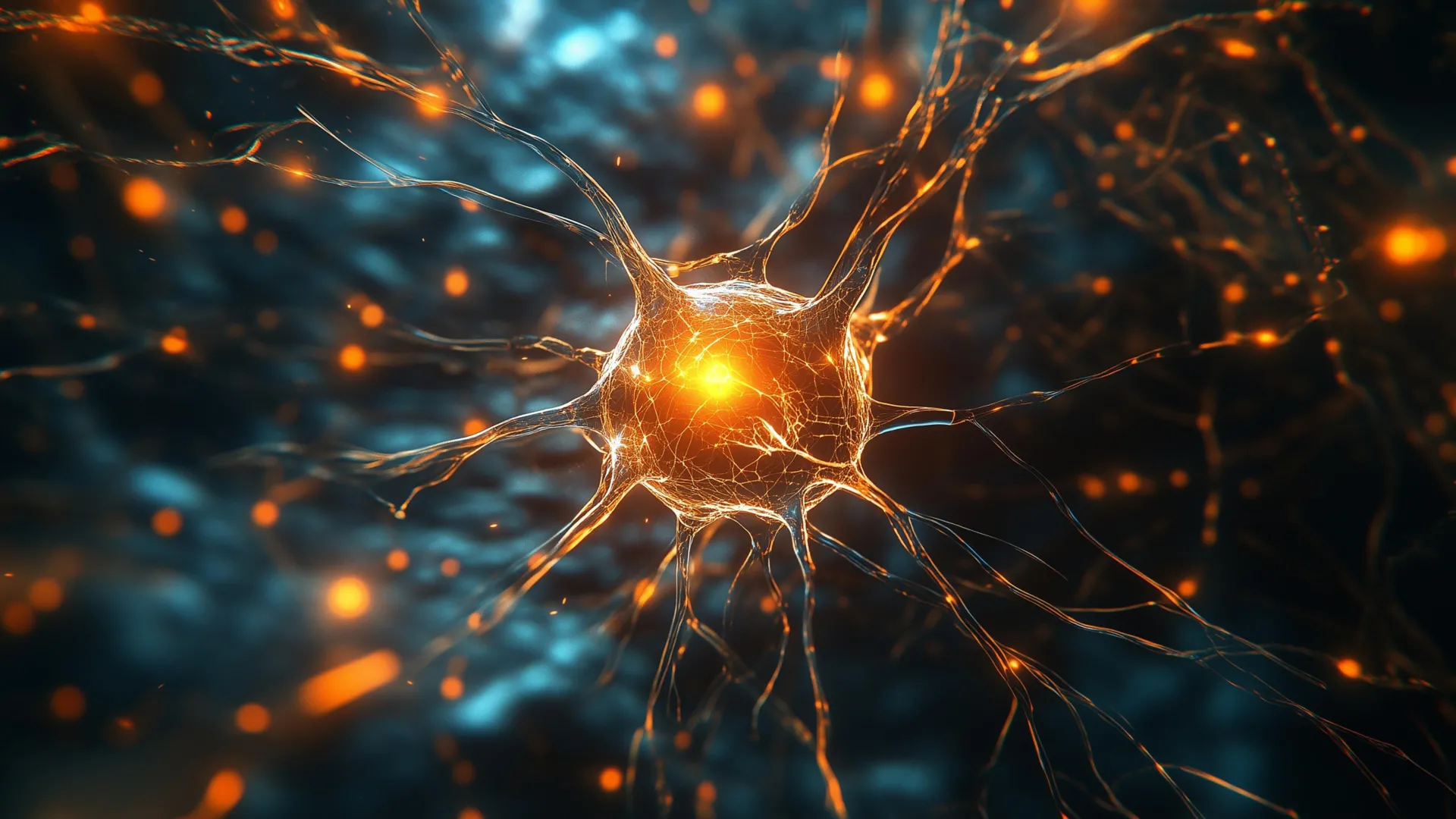
A groundbreaking advancement in molecular engineering, driven by artificial intelligence, promises to redefine the therapeutic landscape for debilitating neurodegenerative conditions, including Alzheimer’s disease, Parkinson’s disease, and motor neurone disease (MND). Researchers at the University of Essex, in collaboration with an international consortium, have successfully engineered novel antibody fragments designed to function with unprecedented efficacy inside human cells, opening a crucial new avenue for tackling these complex diseases at their cellular origins.
Traditional therapeutic antibodies, a cornerstone of modern medicine, typically operate within the extracellular environment, the space outside of cells. This inherent limitation has historically presented a significant hurdle for developing treatments targeting the intracellular protein aggregates and dysfunctions that are hallmarks of many neurodegenerative disorders. The newly developed entities, termed "intrabodies," have been meticulously redesigned to overcome this boundary. They are designed to remain stable and functionally active within the cellular interior, enabling them to directly engage with disease-associated proteins where many of the underlying pathological processes initiate.
The genesis of this breakthrough lies in a fundamental discovery concerning the electrical charge characteristics of antibody fragments. The research team, spearheaded by Dr. Caitlin O’Shea and Dr. Gareth Wright from the School of Life Sciences at the University of Essex and supported by funding from the MND Association, identified that electrical charge plays a pivotal role in determining an antibody fragment’s ability to persist and maintain its activity within the demanding environment of a living cell. Antibodies, in their native form, often possess an electrical charge that causes them to aggregate and become unstable when introduced into the intracellular milieu.
Leveraging this critical insight, the scientists employed sophisticated AI algorithms, including tools developed by Nobel laureate David Baker’s group, to systematically redesign a vast library of existing antibody fragments. This AI-driven protein engineering process allowed them to modify the electrical properties of 672 distinct antibody fragments, transforming them into highly stable intrabodies. These reprogrammed molecules are now capable of specifically binding to and interacting with key proteins implicated in the pathogenesis of neurodegenerative diseases. This innovative approach offers the potential to repurpose millions of antibody fragments that have been generated over decades of biomedical research, rather than requiring the de novo creation of entirely new therapeutic agents.
The implications of this development are far-reaching. By enabling scientists to study and potentially intervene in disease processes directly within living cells, this technology provides a powerful new toolkit for understanding the intricate molecular mechanisms underlying conditions like Alzheimer’s, Parkinson’s, Huntington’s disease, and MND. These diseases, which collectively affect tens of millions worldwide, are characterized by progressive loss of cognitive function, motor control, and ultimately, can be fatal. In the UK alone, over one million individuals are impacted by these conditions, highlighting their profound societal and public health significance. Crucially, current therapeutic options for these diseases are limited, and the absence of cures underscores the urgent need for innovative approaches to drug discovery. A major challenge in this field has been identifying molecules that can effectively interact with disease-causing proteins in their natural cellular context.
Dr. O’Shea, whose research expertise encompasses MND and Parkinson’s disease, elaborated on the process, explaining that the team analyzed the properties of millions of antibodies and compared them with human proteins found within cells. This extensive analysis revealed the inherent charge mismatch that typically prevents standard antibodies from functioning intracellularly without clumping together. The AI-driven redesign process was instrumental in conferring the necessary charge balance and exceptional stability to the antibody fragments, allowing them to navigate and operate effectively within the cellular environment.
The research findings, published in the esteemed journal Nature Communications, will be made accessible to the broader scientific community, fostering collaborative research and accelerating the translation of these discoveries into tangible clinical benefits. Dr. Gareth Wright, who directed the research initiative, emphasized the potential for this approach to significantly impact the development of treatments for diseases that place an immense burden on global health systems.
The MND Association has enthusiastically endorsed the findings, recognizing their critical contribution to overcoming a long-standing obstacle in the development of antibody-based therapies for neurodegenerative conditions. Dr. Brian Dickie, Chief Scientist at the MND Association, commented that this research represents a significant leap forward, addressing a key challenge that has historically hindered the application of antibodies as treatments for diseases like MND. He expressed optimism that the integration of this novel intrabody science with emerging gene therapy techniques could pave the way for entirely new therapeutic strategies. Such strategies could be designed to precisely target specific molecular culprits within neurons, offering a more focused and potentially more effective mode of intervention.
This pioneering work underscores the transformative potential of artificial intelligence in biological research and drug development. By enabling the creation of highly specialized molecular tools that can function within the intricate machinery of living cells, AI-engineered intrabodies are poised to unlock new therapeutic possibilities and offer renewed hope for millions of individuals affected by devastating neurodegenerative diseases. The ability to repurpose existing antibody scaffolds, coupled with the precision of AI-driven design, represents a paradigm shift in the pursuit of effective treatments for some of the most challenging medical conditions facing humanity.
About the Author












