As individuals progress into their later decades, maintaining robust physical health becomes an increasingly critical factor for sustaining independence, vitality, and overall quality of life. A significant physiological change accompanying the aging process is sarcopenia, the progressive and generalized loss of skeletal muscle mass and strength. This decline can lead to diminished physical function, increased risk of falls, impaired metabolic health, and reduced capacity for everyday activities. While traditional weight training is widely recognized as a potent countermeasure against sarcopenia, its intensity, equipment requirements, and potential balance demands can present barriers for many older adults. However, a growing body of evidence and practical experience suggests that highly effective, time-efficient, and accessible alternatives exist, particularly those leveraging the stability and support of a simple chair.
The conventional wisdom often emphasizes strenuous gym routines involving heavy weights and complex movements for building and preserving muscle. Yet, for the senior demographic, such approaches can be intimidating or even contraindicated due to pre-existing conditions, joint discomfort, or concerns about stability and injury. This is where the ingenuity of chair-based exercise shines. By providing a stable base, a chair mitigates many of these common obstacles, transforming what might seem like a daunting fitness endeavor into an approachable and empowering activity. The inherent stability allows exercisers to concentrate intensely on muscular contraction, proper anatomical alignment, and controlled repetitions, rather than expending mental and physical energy on maintaining equilibrium. This focused engagement ensures that the targeted muscle groups receive an adequate stimulus for growth and adaptation, even without external loads.
Moreover, the psychological accessibility of a chair-based program cannot be overstated. When a fitness regimen feels manageable and safe, individuals are far more likely to adhere to it consistently. Consistency, rather than sporadic bursts of high-intensity effort, is the cornerstone of long-term physiological improvement, especially for older adults. Personal trainers and physical therapists frequently incorporate seated strength blocks into rehabilitation and fitness programs because they effectively build confidence and deliver meaningful training benefits without excessive strain. This strategy fosters a positive feedback loop, where initial successes encourage continued participation, leading to sustained gains in strength, muscular firmness, and functional capacity.
The benefits of regular strength training for older adults extend far beyond merely improving muscle definition. Systemic engagement in resistance exercises plays a crucial role in enhancing bone mineral density, thereby mitigating the risk of osteoporosis and related fractures. It significantly boosts metabolic function, aiding in weight management and glucose regulation, which is vital for preventing or managing conditions like type 2 diabetes. Furthermore, stronger muscles contribute directly to improved balance, coordination, and proprioception, drastically reducing the likelihood of falls, which are a major cause of injury and disability in later life. By fortifying the muscles that support daily movements—like standing up from a chair, climbing stairs, or carrying groceries—individuals can preserve their independence and maintain an active lifestyle for many more years. This holistic improvement in physical resilience also has profound effects on mental well-being, fostering a sense of accomplishment, reducing anxiety, and boosting overall self-efficacy.
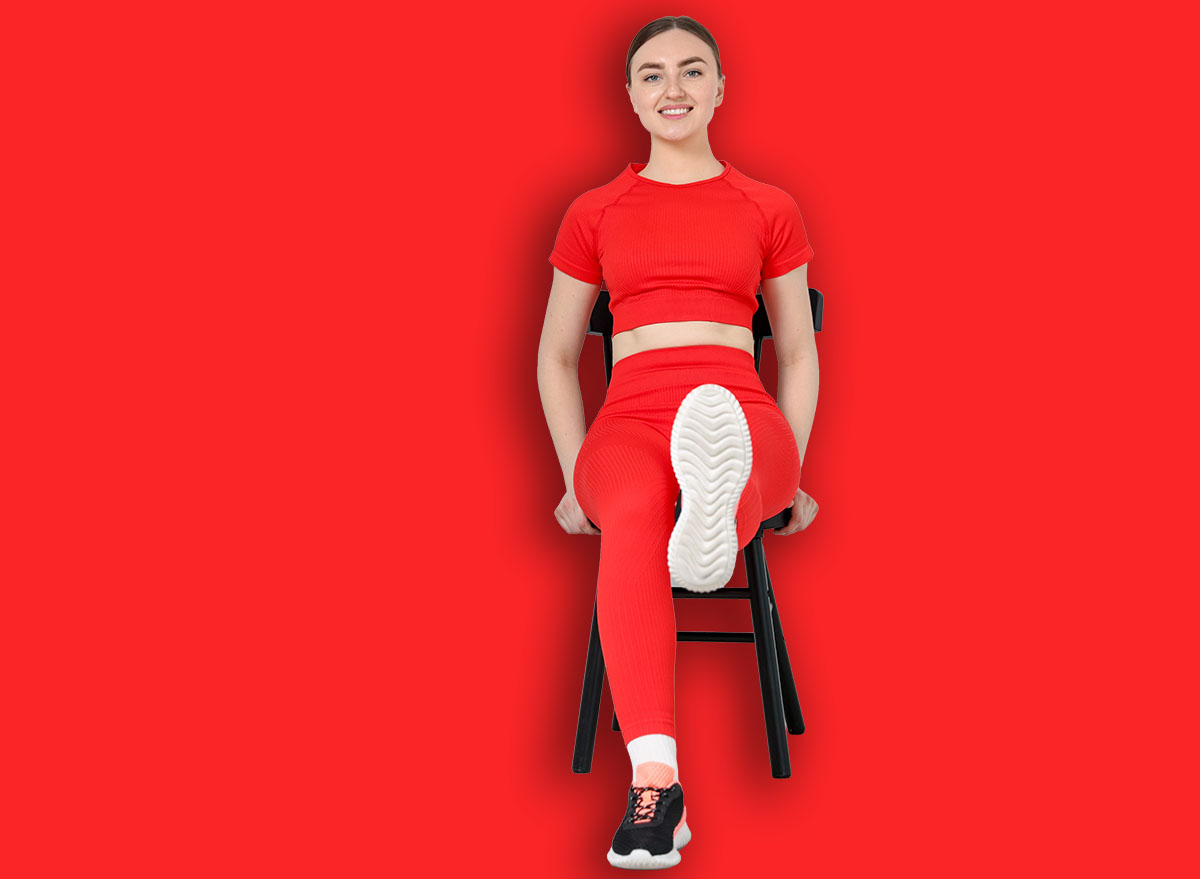
To capitalize on these advantages, a concise yet comprehensive exercise sequence can be implemented using just a sturdy chair and approximately seven minutes of dedicated effort. This particular regimen is designed to activate key muscle groups across the entire body, promoting muscular endurance and a palpable sense of firmness that translates directly into enhanced daily function. The emphasis throughout should be on deliberate, controlled movements, focusing on the sensation of the muscles working.
The Core Chair-Assisted Strength Program
This routine involves four fundamental exercises, each performed for two sets with brief rest periods, targeting the lower body, core, and upper body effectively. Prior to commencing any new exercise program, particularly after the age of 60, it is advisable to consult with a healthcare professional to ensure its suitability for your individual health status.
-
Chair Squats:
- Functional Importance: The squat is a foundational human movement, essential for sitting down, standing up, and navigating everyday environments. Strengthening the muscles involved in squatting directly translates to greater ease and safety in these activities.
- Muscles Engaged: Primarily targets the quadriceps (front of thighs), gluteal muscles (buttocks), and hamstrings (back of thighs). The core also plays a significant stabilizing role.
- Execution: Begin by standing directly in front of a sturdy chair, with your feet approximately hip-width apart and toes pointed slightly outward. Initiate the movement by slowly bending at your knees and hips as if you are preparing to sit down, maintaining an upright chest and neutral spine. Descend until your glutes lightly touch or hover just above the chair seat. Engage your core and push through your heels to return to a standing position, fully extending your hips and knees without locking them.
- Recommendation: Complete 2 sets of 10 to 12 repetitions, allowing for a 30-second recovery period between sets.
- Refined Form Tip: Ensure your knees track in line with your toes, preventing them from collapsing inward. Maintain an active core throughout the movement to protect your lower back.
-
Seated Knee Extensions:
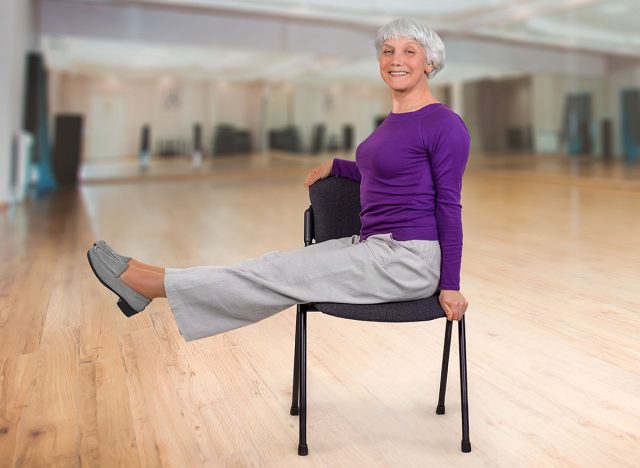
- Functional Importance: Strong quadriceps are paramount for knee stability, walking gait, and the ability to ascend stairs. This isolated movement helps reinforce strength in this critical area without placing excessive stress on the knee joint itself.
- Muscles Engaged: Primarily isolates the quadriceps, with secondary engagement of the hip flexors.
- Execution: Sit upright in your chair with your feet flat on the floor and your back supported. Select one leg to work. Slowly extend your knee, lifting your foot until your leg is fully straightened, or as straight as comfortably possible, contracting the muscles on the front of your thigh. Hold this peak contraction momentarily, then gradually lower your foot back to the starting position in a controlled manner.
- Recommendation: Perform 2 sets of 12 repetitions on each leg, resting for 30 seconds between sets.
- Refined Form Tip: Focus on a deliberate, slow extension and retraction. Avoid swinging the leg; the movement should be driven by muscle contraction. Fully straighten the knee at the top of each repetition to maximize quadriceps engagement.
-
Seated Marches:
- Functional Importance: This exercise significantly contributes to hip flexor strength, core stability, and improves coordination, all of which are vital for a fluid and confident walking pattern and for preventing trips and falls.
- Muscles Engaged: Predominantly targets the hip flexors and the deeper muscles of the core and lower abdominals.
- Execution: Sit tall in your chair, maintaining an engaged core and a straight spine, with your feet flat on the floor. Begin by slowly lifting one knee towards your chest, aiming for a height that feels comfortable and challenging. Control the movement as you lower the foot back to the floor. Immediately alternate to lift the other knee. Continue this rhythmic, controlled marching motion.
- Recommendation: Complete 2 sets of 30 seconds of continuous marching, with a 30-second rest interval between sets.
- Refined Form Tip: Keep your torso stable and upright throughout the exercise; resist the urge to lean back or slouch. Focus on a smooth, controlled lift and lower, rather than speed.
-
Chair Push-Ups:
- Functional Importance: Upper body strength is often overlooked but is crucial for daily tasks such as pushing open doors, lifting objects, and maintaining good posture. Chair push-ups offer a scalable and safe way to build this strength.
- Muscles Engaged: Primarily works the pectoralis major (chest), triceps (back of upper arms), and anterior deltoids (front of shoulders). The core also engages to maintain a rigid body line.
- Execution: Stand facing a sturdy chair, placing your hands shoulder-width apart on the edge of the seat. Step your feet back until your body forms a straight line from your head to your heels. The further back your feet, the more challenging the exercise will be. Keeping your core engaged, slowly bend your elbows, lowering your chest towards the chair. Push through your palms to extend your elbows and return to the starting position.
- Recommendation: Perform 2 sets of 8 to 12 repetitions, resting for 30 seconds between sets.
- Refined Form Tip: Maintain a straight line from your head to your heels throughout the movement, preventing your hips from sagging or rising too high. Control both the lowering and pushing phases of the exercise.
Beyond the Routine: Holistic Habits for Lasting Muscle Health
While this seven-minute chair routine offers a powerful stimulus for muscle improvement, its efficacy is greatly amplified when integrated into a broader lifestyle that supports physical well-being. Sustained muscle health and overall vitality in later life are the products of consistent, synergistic habits.
- Prioritize Protein Intake: Adequate dietary protein is fundamental for muscle repair, growth, and maintenance. Older adults often require more protein per meal than younger individuals to stimulate muscle protein synthesis effectively. Aim for lean protein sources such as poultry, fish, eggs, dairy, legumes, and tofu at each meal.
- Stay Hydrated: Water plays a crucial role in nearly every bodily function, including nutrient transport to muscles, joint lubrication, and metabolic processes. Consistent hydration supports energy levels and overall physical performance.
- Ensure Quality Sleep: Sleep is not merely a period of rest; it’s a vital time for physiological repair and regeneration. During deep sleep, the body releases growth hormone, which is essential for muscle tissue repair and growth. Aim for 7-9 hours of uninterrupted, quality sleep each night.
- Embrace Consistent Movement: Beyond structured exercise, integrate more general physical activity into your daily life. Regular walking, gardening, taking the stairs instead of the elevator, or engaging in light household chores all contribute to maintaining mobility, circulation, and energy expenditure. These smaller movements accumulate to significant health benefits over time.
- Cultivate Patience and Consistency: Physiological adaptations, particularly muscle strengthening, are gradual processes. Results are best achieved through persistent, regular effort rather than intense, short-lived endeavors. Celebrate small milestones and focus on the long-term benefits of your commitment.
- Listen to Your Body: Pay attention to how your body responds to exercise. Some days you might feel more energetic than others. It’s important to differentiate between muscle fatigue (a sign of effective training) and pain (a signal to stop and assess). Adjust the intensity or duration as needed, and don’t hesitate to take rest days.
By consistently adhering to this accessible chair-based exercise routine and integrating these supportive lifestyle habits, adults over 60 can proactively combat age-related muscle decline. This comprehensive approach not only restores muscular firmness and strength but also significantly enhances functional independence, boosts confidence, and ultimately enriches the experience of healthy aging, paving the way for a more active and fulfilling life.
About the Author