Global Consortium Launches Digital Repository to Harmonize Pandemic Legal Frameworks and Safeguard Rights.
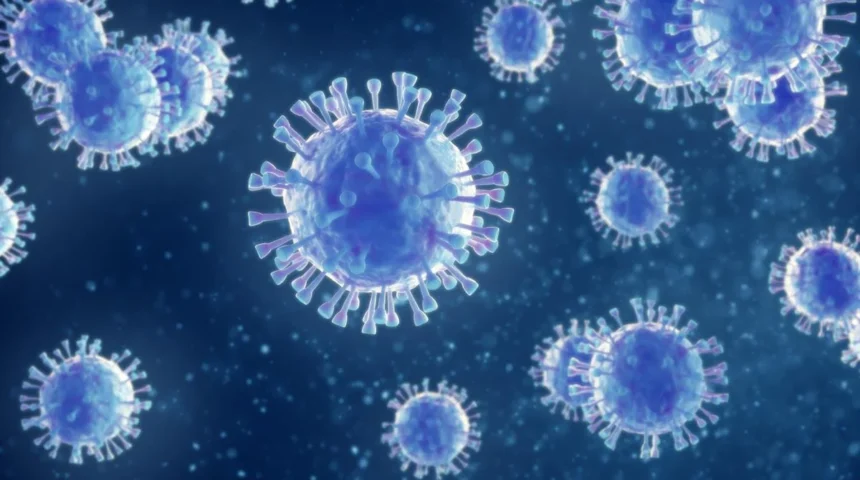
The unprecedented global health crisis ignited by COVID-19 necessitated swift and comprehensive legislative action across virtually every nation, exposing both the strengths and profound vulnerabilities inherent in existing legal and policy infrastructures. In response to this worldwide legal mobilization, a groundbreaking collaborative initiative, the COVID-19 Law Lab, has been established to serve as a vital global resource. This digital platform aims to systematically gather, analyze, and disseminate legal documents and policy insights from more than 190 countries, offering critical guidance to governments striving to develop, refine, and implement robust legal responses to manage the ongoing pandemic and prepare for future public health emergencies. The overarching objective extends beyond mere crisis management, aspiring to ensure that all national legal frameworks not only protect the health and well-being of populations but also steadfastly uphold international human rights standards, preventing unintended adverse consequences for vulnerable communities.
Operating from its dedicated online portal, www.COVIDLawLab.org, this ambitious project represents a concerted effort by several prominent international bodies and academic institutions. The United Nations Development Programme (UNDP), the World Health Organization (WHO), the Joint United Nations Programme on HIV/AIDS (UNAIDS), and the O’Neill Institute for National and Global Health Law at Georgetown University have pooled their collective expertise and resources to bring this crucial initiative to fruition. Their combined strengths span global health leadership, development policy, human rights advocacy, and specialized legal scholarship, forming a multidisciplinary foundation for the lab’s comprehensive approach.
The necessity for such a centralized, analytical resource became acutely clear as the pandemic unfolded. Governments worldwide found themselves grappling with a novel pathogen, often resorting to emergency powers and enacting a barrage of new laws and regulations at an unprecedented pace. These measures ranged from national states of emergency and stringent quarantine protocols to public health directives on mask-wearing, social distancing, disease surveillance, and complex legal frameworks governing access to essential medications and vaccines. While vital for controlling viral transmission and mitigating public health risks, the rapid proliferation of diverse legal instruments, often crafted under intense pressure and without the benefit of international peer review, highlighted a significant potential for inconsistencies, inefficiencies, and even unintended infringements on individual liberties and societal equity.
Thoughtfully designed and meticulously implemented legal provisions are indispensable for constructing resilient national health systems capable of withstanding the shocks of a pandemic. Such frameworks provide the regulatory backbone for evaluating and approving new drugs and vaccines, ensuring their safety and efficacy before widespread deployment. Furthermore, they empower authorities to enforce crucial public health interventions, transforming recommendations into legally binding mandates that foster safer public spaces and workplaces. Crucially, these legal structures are fundamental to the effective operationalization of the WHO International Health Regulations (IHR), which provide a comprehensive legal framework defining countries’ rights and obligations in handling public health events that could cross borders. The IHR encompass critical areas such as disease surveillance, infection prevention and control, management of international travel and trade during health crises, and the maintenance of essential health services even amid widespread disruption. Without robust national laws aligned with these international commitments, the global response to emerging public health risks remains fragmented and vulnerable.
Achim Steiner, the Administrator for the UNDP, underscored the transformative potential of such legal frameworks, stating, "Legislation and policies firmly anchored in scientific understanding, empirical data, and human rights principles are instrumental in enabling individuals to access essential health services, shield themselves from the ravages of COVID-19, and live lives free from the scourge of stigma, discrimination, and violence." He further emphasized the Law Lab’s role as a critical conduit for sharing exemplary legal and policy practices, facilitating a global learning environment. This perspective highlights the dual role of law: not merely as a tool for control, but as an enabler of public well-being and a guarantor of fundamental rights.
Dr. Tedros Adhanom Ghebreyesus, Director-General of the WHO, echoed this sentiment, stressing that "robust legal infrastructures are absolutely pivotal for effective national responses to COVID-19." He pointed out a common challenge where "laws that profoundly affect public health often originate and operate outside the traditional health sector." Given the inherently global nature of health threats, Dr. Tedros articulated the necessity for national legal frameworks to harmonize with international obligations, thereby enhancing the collective capacity to respond to both current and unforeseen public health emergencies. He concluded that "a strong foundation of law dedicated to health has never been more critical than it is in the present moment."
However, the rapid legislative response to the pandemic has not been without its challenges and pitfalls. Laws that are hastily conceived, inadequately implemented, or inconsistently enforced carry the significant risk of causing profound harm. Such poorly formulated policies can disproportionately affect marginalized populations, inadvertently entrenching existing social inequalities and exacerbating stigma and discrimination. This can manifest in various ways, from discriminatory enforcement of lockdowns to unequal access to testing or healthcare based on socioeconomic status, ethnicity, or other factors. Ultimately, these negative outcomes can severely undermine and even sabotage broader public health efforts to contain and ultimately end the pandemic, eroding public trust and cooperation.
Winnie Byanyima, Executive Director of UNAIDS, articulated this concern with precision: "Harmful legal provisions can intensify social stigma and discrimination, infringe upon people’s fundamental rights, and ultimately debilitate public health interventions." Drawing on UNAIDS’ extensive experience in combating HIV/AIDS, which has long highlighted the devastating impact of discriminatory laws on public health outcomes, Byanyima stressed the imperative that "to ensure pandemic responses are effective, humane, and sustainable, governments must strategically wield the law as an instrument to uphold the human rights and inherent dignity of all individuals impacted by COVID-19." This emphasis on rights-based approaches is central to the Law Lab’s mandate.
The COVID-19 Law Lab functions as a dynamic, continually expanding repository. Its current database encompasses a wide array of legislative actions undertaken by nations in response to the pandemic, including declarations of states of emergency, protocols for quarantine and isolation, disease surveillance mechanisms, and legal provisions pertaining to mandatory mask-wearing, social distancing regulations, and the equitable distribution and access to vital medications and vaccines. The platform is designed to evolve, with ongoing additions of legal documents from more countries and an expansion of thematic areas as the pandemic landscape shifts and new challenges emerge.
Beyond mere aggregation, the initiative will also feature in-depth research and analytical reports on various legal frameworks adopted during the pandemic. These scholarly analyses will critically examine the human rights implications of public health legislation, providing a nuanced understanding of their societal impact. By synthesizing these findings, the Law Lab aims to empower countries to identify and adopt best practices, offering evidence-based guidance to inform their immediate responses to COVID-19 and shape their long-term socioeconomic recovery strategies once the acute phase of the pandemic is brought under control. This analytical function distinguishes the Law Lab from a simple database, positioning it as a proactive knowledge hub.
This current endeavor builds upon the foundational work of the Universal Health Coverage (UHC) Legal Solutions Network, a pre-existing collaborative framework dedicated to assisting countries in achieving universal health coverage through the development and implementation of rights-based legal frameworks. The UHC Legal Solutions Network, itself a partnership involving WHO, UNDP, UNAIDS, the Inter-Parliamentary Union (IPU), and the O’Neill Institute, focuses on crafting laws that guarantee all people and communities access to the necessary promotive, preventive, curative, rehabilitative, and palliative health services of sufficient quality, without exposing them to financial hardship. The COVID-19 Law Lab thus represents a targeted, emergency-focused extension of this broader commitment to leveraging law for health equity and access.
The academic partners involved underscore the importance of continuous learning from this unprecedented period. Dr. Matthew M. Kavanagh, a faculty member in Georgetown University’s Department of International Health, emphasized the critical need to "systematically track and meticulously evaluate how laws and policies are being applied during the pandemic to discern what interventions are truly effective." Echoing this sentiment, Katie Gottschalk, Executive Director of the O’Neill Institute for National and Global Health Law at Georgetown University Law Center, added, "It is imperative that we assimilate the lessons gleaned from the nascent stages of pandemic policymaking to implement the most effective legal strategies moving forward – the COVID-19 Law Lab provides precisely the mechanism to achieve that."
In essence, the COVID-19 Law Lab transcends the role of a mere digital archive; it is conceived as a dynamic intellectual platform designed to foster global learning and promote legal excellence in public health governance. By centralizing disparate national legal responses, subjecting them to rigorous analysis through the lens of human rights and public health efficacy, and disseminating best practices, the initiative aspires to guide governments toward more equitable, effective, and sustainable legal strategies for pandemic management. Its launch signifies a concerted international recognition that the law is not just an instrument of state power, but a critical determinant of public health outcomes and human dignity in times of crisis, demanding careful consideration, collaborative development, and continuous refinement. The lessons learned and the frameworks developed through this initiative are expected to have enduring implications for global health security, shaping how nations collectively prepare for and respond to future health emergencies, with human rights firmly at the core of all legal action.
Related posts:

Related News