Mitochondrial Microproteins Emerge as Key Mediators in Mediterranean Diet’s Cardiovascular and Neurological Protective Effects.
A recent scientific investigation has illuminated a novel biological mechanism through which the adherence to a Mediterranean dietary pattern may confer significant protective benefits for the heart, brain, and cellular aging processes. This newly identified pathway centers on the influence of the diet on minuscule proteins synthesized within mitochondria, the vital cellular organelles responsible for generating the vast majority of cellular energy. Researchers at the USC Leonard Davis School of Gerontology have uncovered a compelling correlation between increased consumption of Mediterranean-style foods and elevated levels of two specific mitochondrial microproteins: humanin and SHMOOSE. These diminutive yet potent molecules have previously been implicated in safeguarding against cardiovascular ailments and neurodegenerative conditions, such as Alzheimer’s disease, where the gradual deterioration of nerve cells is a hallmark.
This groundbreaking study, spearheaded by Roberto Vicinanza, an Instructional Associate Professor of Gerontology at the USC Leonard Davis School, offers a compelling explanation for the intricate connection between dietary choices and the fundamental health and aging trajectory of our cells. Professor Vicinanza posits that these microproteins may function as sophisticated molecular communicators, effectively translating the nutritional composition of our meals into tangible effects on cellular function and the aging cascade. He describes this as a previously unrecognized biological avenue that helps elucidate the profound health-promoting capabilities of the Mediterranean diet.
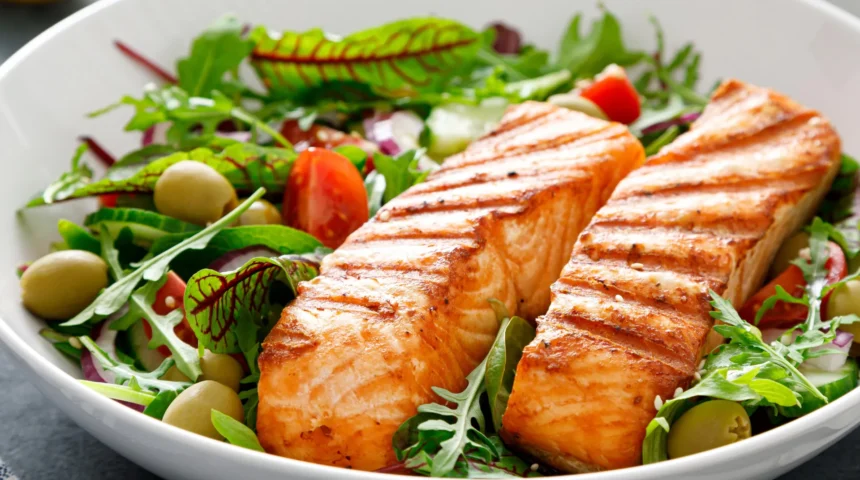
The Mediterranean diet, characterized by its emphasis on nutrient-dense whole foods like olive oil, fish, legumes, fruits, and vegetables, has long been associated with a reduced incidence of heart disease, type 2 diabetes, and age-related cognitive decline. However, the precise molecular underpinnings of these widespread benefits have remained a subject of ongoing scientific inquiry. To delve deeper into this complex relationship, the research team meticulously analyzed blood samples from a cohort of older adults who exhibited varying degrees of adherence to the Mediterranean dietary regimen. The findings revealed a striking pattern: individuals whose dietary habits most closely mirrored the principles of the Mediterranean diet demonstrated markedly higher concentrations of both humanin and SHMOOSE.
Concurrently, these individuals also exhibited diminished indicators of oxidative stress, a detrimental cellular state characterized by an imbalance between the production of harmful reactive oxygen species and the body’s antioxidant defense mechanisms. When left unchecked, oxidative stress can inflict widespread damage upon cellular components, including proteins and DNA, thereby accelerating the aging process and contributing to the development of chronic diseases.
Intriguingly, the study also pinpointed specific dietary components that appeared to selectively influence the levels of these microproteins. A higher intake of olive oil, fish, and legumes was found to be associated with increased levels of humanin. In parallel, elevated SHMOOSE concentrations were linked to greater consumption of olive oil and a reduced intake of refined carbohydrates. Refined carbohydrates, which are derived from heavily processed grains and sugars and are typically found in items such as white bread, pastries, and many commercially prepared snacks, are often depleted of essential fiber and naturally occurring nutrients compared to their minimally processed counterparts.
Dean of the USC Leonard Davis School and USC Distinguished Professor Pinchas Cohen, who served as the study’s senior author, remarked that these observations strongly suggest a direct impact of specific constituents of the Mediterranean diet on mitochondrial biology. He further proposed that humanin and SHMOOSE could potentially serve as valuable biomarkers, not only for indicating adherence to a Mediterranean dietary pattern but also for their clinical significance in assessing health status. Biomarkers are quantifiable biological indicators that can provide insights into an individual’s physiological condition. In this context, humanin and SHMOOSE could, in the future, assist scientists in discerning the degree to which an individual’s diet aligns with healthy eating principles and how their cells are responding to these dietary inputs.
The current research builds upon a substantial body of scientific endeavor spanning over two decades, dedicated to the exploration of minute proteins produced by mitochondria. Professor Cohen has been a pioneering figure in the discovery and characterization of these molecules, which are increasingly recognized for their pivotal roles in maintaining cellular health. Mitochondria, often metaphorically referred to as the "powerhouses" of the cell, are indispensable for energy production, but their functions extend far beyond this primary role. They are also crucial regulators of metabolism, cellular stress responses, and various processes intrinsically linked to aging.
A distinguishing feature of these mitochondrial microproteins is their unique mode of synthesis. Unlike the majority of cellular proteins, which are encoded by nuclear DNA within the cell’s nucleus, mitochondrial microproteins originate from genetic instructions located within the mitochondria themselves. These instructions are embedded in small regions of mitochondrial DNA known as open reading frames (ORFs). While some of these ORFs were historically considered non-functional, subsequent research has revealed their capacity to encode biologically active molecules, including the microproteins under investigation.
Humanin, one of the most extensively studied of these microproteins, was first identified by Professor Cohen and his colleagues in 2003. A wealth of subsequent research has consistently linked humanin to a range of beneficial physiological outcomes, including enhanced insulin sensitivity, improved cardiovascular health, increased lifespan, and robust protection of cognitive functions. Insulin sensitivity refers to the efficiency with which the body’s cells respond to insulin, a critical hormone that governs blood sugar regulation. Maintaining optimal insulin sensitivity is paramount for overall metabolic health and for mitigating the risk of developing type 2 diabetes.
Another microprotein of significant scientific interest is SHMOOSE (Small Human Mitochondrial ORF Over SErine tRNA), which was identified more recently by Professor Cohen’s research team. SHMOOSE has garnered particular attention due to its potential role in neuroprotection. Studies have indicated that a specific genetic variation of SHMOOSE is associated with an elevated risk of Alzheimer’s disease. Conversely, the standard form of SHMOOSE appears to play a protective role for neurons, shielding them from damage associated with amyloid, a protein that can aggregate abnormally in the brains of individuals afflicted with Alzheimer’s. Professor Cohen underscores that these peptides are emerging as critical regulators of aging biology, forging a vital connection between mitochondrial function and prevalent diseases such as Alzheimer’s and heart disease, and now, potentially, with nutrition.
The investigation also uncovered a potentially significant association between humanin and an enzyme known as Nox2. This enzyme plays a role in the generation of reactive oxygen species. While these molecules are essential for normal cellular signaling and immune responses, their excessive production can contribute to oxidative stress and consequently damage blood vessels and other tissues. The researchers observed a trend wherein individuals with higher humanin levels exhibited lower Nox2 activity. This reciprocal relationship suggests that humanin may actively contribute to dampening damaging oxidative processes, thereby offering an additional layer of cardiovascular protection.
Based on these collective findings, the researchers propose that the Mediterranean diet might bolster cardiovascular health through a dual mechanism. It could contribute to a direct reduction in oxidative stress while simultaneously promoting the production of mitochondrial microproteins that modulate pathways implicated in cellular damage. It is crucial to note, however, that the observed associations do not definitively establish a direct causal link where the diet directly elevates these proteins or that the proteins themselves are solely responsible for preventing cardiovascular disease. Professor Vicinanza suggests this could represent an entirely new cardioprotective mechanism attributable to the Mediterranean diet.
Beyond the molecular intricacies, Professor Vicinanza’s engagement with the Mediterranean diet extends to its broader societal and global implications. He has actively championed this traditional eating pattern internationally, recognizing its potential to support human health, preserve cultural heritage, and promote environmental sustainability. His collaborative efforts with the Municipality of Pollica in Italy, a community designated as a UNESCO Mediterranean Diet emblematic community, were instrumental in advocating for the establishment of the International Day of the Mediterranean Diet through the United Nations. Observed annually on November 16th, this global observance aims to raise awareness about the multifaceted benefits of the Mediterranean diet, encompassing its health advantages, cultural traditions, and ecological significance.
For Professor Vicinanza, these new findings serve to powerfully reinforce the profound connection between time-honored dietary practices and contemporary scientific understanding of human physiology. He articulates this synthesis as bridging centuries-old dietary traditions with cutting-edge molecular biology, supporting the notion that healthy eating patterns, characterized by minimal or no ultra-processed foods, reflect long-established human dietary habits and may foster an environment to which mitochondria—ancient cellular organelles—are inherently adapted.
While the findings are undoubtedly promising, the researchers are careful to emphasize the observational nature of their study, which involved a relatively small sample size. This means that while relationships between dietary habits and biological measurements were identified, it is not yet possible to definitively conclude that adopting a Mediterranean diet directly causes these changes in microprotein levels. Other confounding factors, such as participants’ general health status and overall lifestyle, could also influence the observed results.
Nevertheless, this discovery opens up exciting avenues for the burgeoning field of precision nutrition, which endeavors to tailor dietary recommendations to an individual’s unique biological characteristics and needs. Should future research conclusively demonstrate that dietary interventions can reliably modulate the levels of humanin, SHMOOSE, and related microproteins, these molecules could evolve into valuable tools for assessing the efficacy of nutritional strategies and for developing more personalized approaches to healthy aging. The critical next phase of research will focus on rigorously determining whether adopting a Mediterranean-style diet demonstrably increases these specific proteins and, subsequently, whether these molecular alterations translate into measurable improvements in cardiovascular health, cognitive function, or disease risk. Professor Vicinanza states their objective is to transition from identifying associations to establishing causality. He envisions a future where harnessing these newly understood pathways could enable the design of nutritional strategies that promote healthy aging at the molecular level.
This research was supported by funding from the USC Daryl and Irwin Simon Nutrition for Alzheimer’s Disease Prevention Research Fund (to Vicinanza), the Hanson-Thorell Family Research Award (to Vicinanza), National Institutes of Health grant P30AG094848 (to Cohen), and PRIN 2022 grant 000031_23_PP_PIGNATELLI_PRIN_2022-B53D23021240006 (to Pignatelli).
Related posts:

Related News