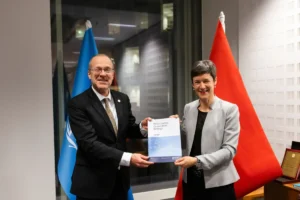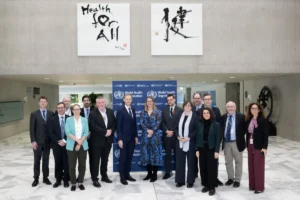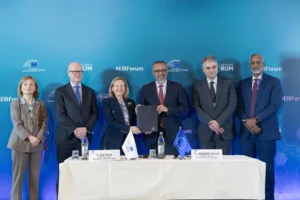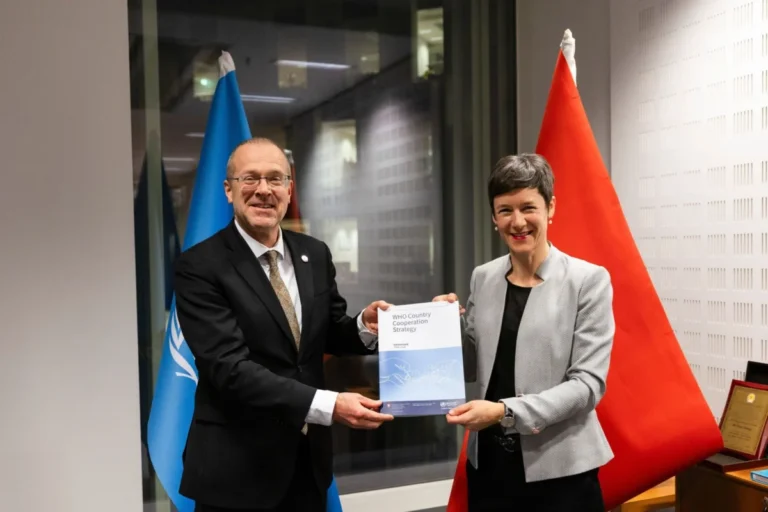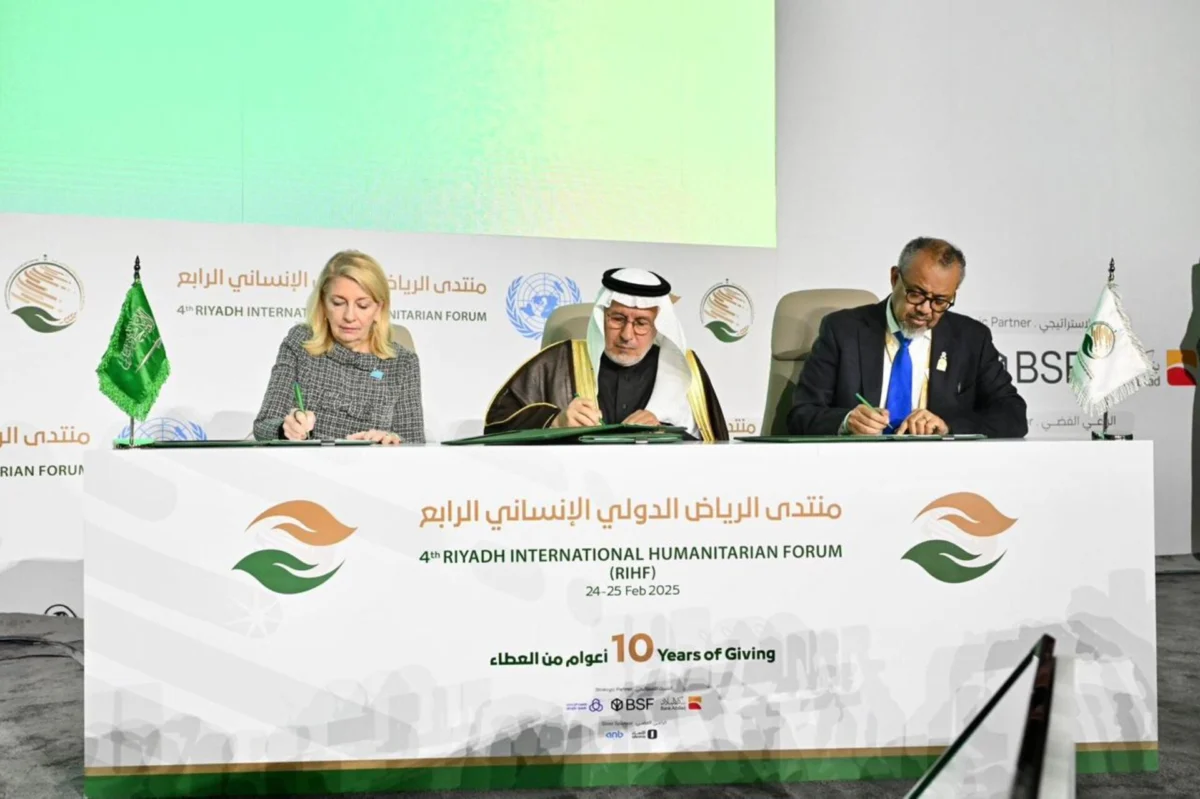
The global landscape of humanitarian action witnessed a significant convergence of efforts and resources during the Riyadh International Humanitarian Forum, held on February 24-25, 2025. This pivotal gathering served as a platform for international stakeholders to deliberate on pressing health and humanitarian crises, culminating in substantial financial pledges from the Kingdom of Saudi Arabia to bolster critical health interventions worldwide. Among the most impactful commitments, Saudi Arabia solidified a monumental US$500 million contribution towards the Global Polio Eradication Initiative (GPEI), alongside other targeted agreements with the World Health Organization (WHO) and the King Salman Humanitarian Aid and Relief Centre (KSRelief) aimed at addressing dire health needs in crisis-affected regions like Yemen and for Sudanese refugees in Egypt.
Organized in conjunction with the tenth anniversary of the King Salman Humanitarian Aid and Relief Centre, the forum transcended mere discussions, acting as a catalyst for tangible outcomes. Its agenda was meticulously crafted to champion the fundamental rights of individuals caught in the throes of emergencies, emphasizing their right to survival, well-being, and dignity. A critical theme woven throughout the proceedings was the advancement of health diplomacy, recognizing health as a vital component of peace and stability, and advocating for enhanced protection and security for humanitarian aid workers operating in increasingly hazardous environments. The event underscored the imperative for collective global action to mitigate suffering and build more resilient communities in the face of complex and protracted humanitarian challenges, particularly across the Middle East and beyond.

Central to these developments is the King Salman Humanitarian Aid and Relief Centre (KSRelief), established in May 2015. Over the past decade, KSRelief has emerged as a preeminent humanitarian actor on the global stage, dedicated to providing aid and relief to vulnerable populations without discrimination. Its mandate encompasses a wide spectrum of humanitarian interventions, from emergency relief and food security to health services, water and sanitation, and education. The organization operates on principles of impartiality and neutrality, striving to alleviate suffering wherever it occurs. The ten-year milestone celebrated at the Riyadh forum offered an opportunity to reflect on KSRelief’s extensive portfolio of projects, which have impacted millions of lives in dozens of countries, solidifying Saudi Arabia’s role as a significant contributor to international humanitarian efforts.
A cornerstone of the forum’s outcomes was the reaffirmation and structuring of Saudi Arabia’s US$500 million pledge to the Global Polio Eradication Initiative. This commitment, initially announced in April 2024, received formal backing through two distinct funding agreements. The World Health Organization is set to receive US$300 million, while UNICEF will administer the remaining US$200 million. This extraordinary financial injection is critical to GPEI’s ambitious mission to rid the world of poliomyelitis, a debilitating infectious disease that primarily affects children under five, potentially leading to irreversible paralysis. The initiative, a public-private partnership led by national governments and supported by WHO, Rotary International, the U.S. Centers for Disease Control and Prevention (CDC), UNICEF, and the Bill & Melinda Gates Foundation, has made remarkable progress, reducing polio cases by over 99% since 1988.
However, the journey to complete eradication faces persistent hurdles, particularly in regions marked by conflict, instability, and displacement. The Saudi contribution is specifically earmarked to support extensive vaccination campaigns designed to reach approximately 370 million children annually in the remaining polio-endemic and vulnerable areas. The resurgence of the poliovirus in specific conflict-affected territories, notably Pakistan, Afghanistan, and parts of Gaza, highlights the critical and urgent need for sustained funding and intensified immunization efforts. In these complex settings, logistical challenges, security concerns, and population mobility create significant barriers to reaching every child with life-saving vaccines. The strategic deployment of these funds will enable comprehensive surveillance, outbreak response, and robust vaccination drives, ensuring that the gains made against polio are not reversed and that the global eradication goal remains within reach.
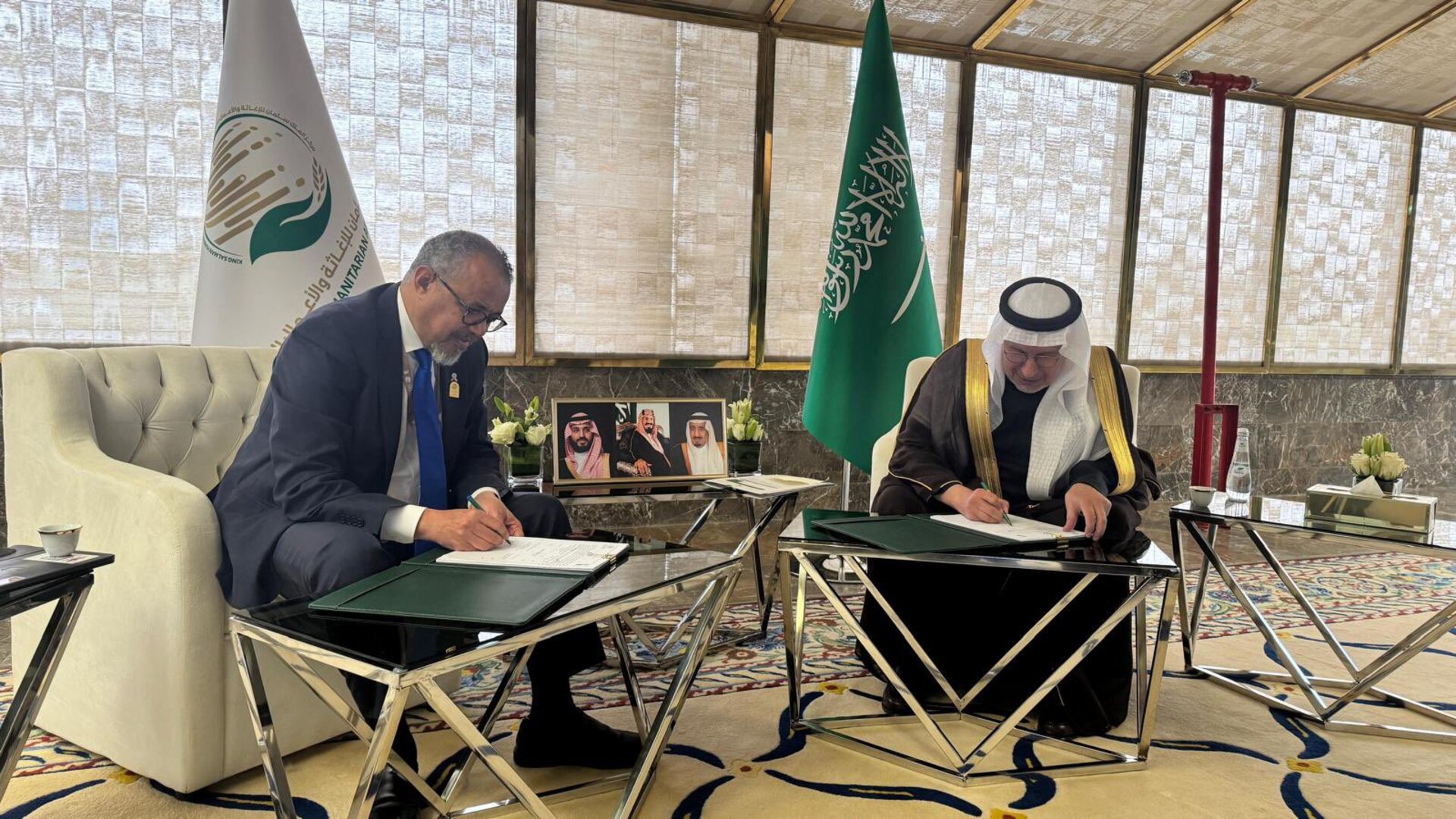
Beyond the overarching polio initiative, the Riyadh forum also saw the formalization of targeted agreements designed to address acute health crises impacting specific vulnerable populations. A crucial set of agreements between WHO and KSRelief focused on the dire humanitarian situation in Yemen. The protracted conflict in Yemen has decimated the country’s health infrastructure, leading to widespread disease outbreaks and a profound humanitarian catastrophe. Among the most pressing health challenges are malaria and cholera, both of which thrive in environments with compromised sanitation and limited access to healthcare. To combat these preventable diseases, KSRelief committed US$12 million specifically for malaria control programs, which will encompass vector control measures, improved diagnostics, and distribution of essential antimalarial medicines. Concurrently, an additional US$2.1 million was allocated to expand cholera treatment interventions, bolstering surveillance, improving access to oral rehydration therapy, and strengthening health facility capacities to manage cases, thereby curbing the spread of this highly contagious bacterial infection. These funds are vital for restoring basic health services and preventing further morbidity and mortality in a nation grappling with one of the world’s most severe humanitarian crises.
Furthermore, the forum addressed the health needs of populations displaced by the conflict in Sudan. The ongoing violence in Sudan has triggered a massive refugee exodus, with neighboring countries, including Egypt, bearing the brunt of the humanitarian influx. Displaced individuals often arrive with pre-existing medical conditions, and the disruption of routine healthcare can exacerbate chronic illnesses. Recognizing a critical gap in care, KSRelief entered into a US$3.6 million agreement with the WHO Egypt Country Office specifically to provide dialysis treatment for Sudanese refugees residing in Egypt. Kidney failure requires life-sustaining dialysis, and the interruption of this vital treatment can be fatal. This targeted funding will ensure that vulnerable refugees suffering from end-stage renal disease receive the necessary medical care, alleviating an immense burden on both the affected individuals and the overstretched healthcare systems in host communities. The initiative exemplifies a proactive approach to addressing specialized medical needs within refugee populations, underscoring the comprehensive nature of humanitarian health assistance.
The Riyadh International Humanitarian Forum 2025 stands as a testament to the enduring power of international collaboration in addressing the world’s most complex health and humanitarian challenges. The agreements forged during this event, particularly the substantial contributions from the Kingdom of Saudi Arabia, underscore a shared commitment to global health security and the protection of vulnerable lives. The strategic partnerships between WHO, KSRelief, UNICEF, and other international partners are indispensable in the fight against diseases like polio, malaria, and cholera, and in ensuring equitable access to healthcare for displaced populations. Saudi Arabia’s active participation and significant financial pledges at the forum further solidify its growing leadership role in international humanitarian affairs, demonstrating a proactive stance in confronting some of the planet’s most formidable health crises and fostering a collective vision for a healthier, more secure future for all. The sustained commitment to these initiatives will be paramount in translating pledges into tangible, life-saving impact on the ground.
About the Author