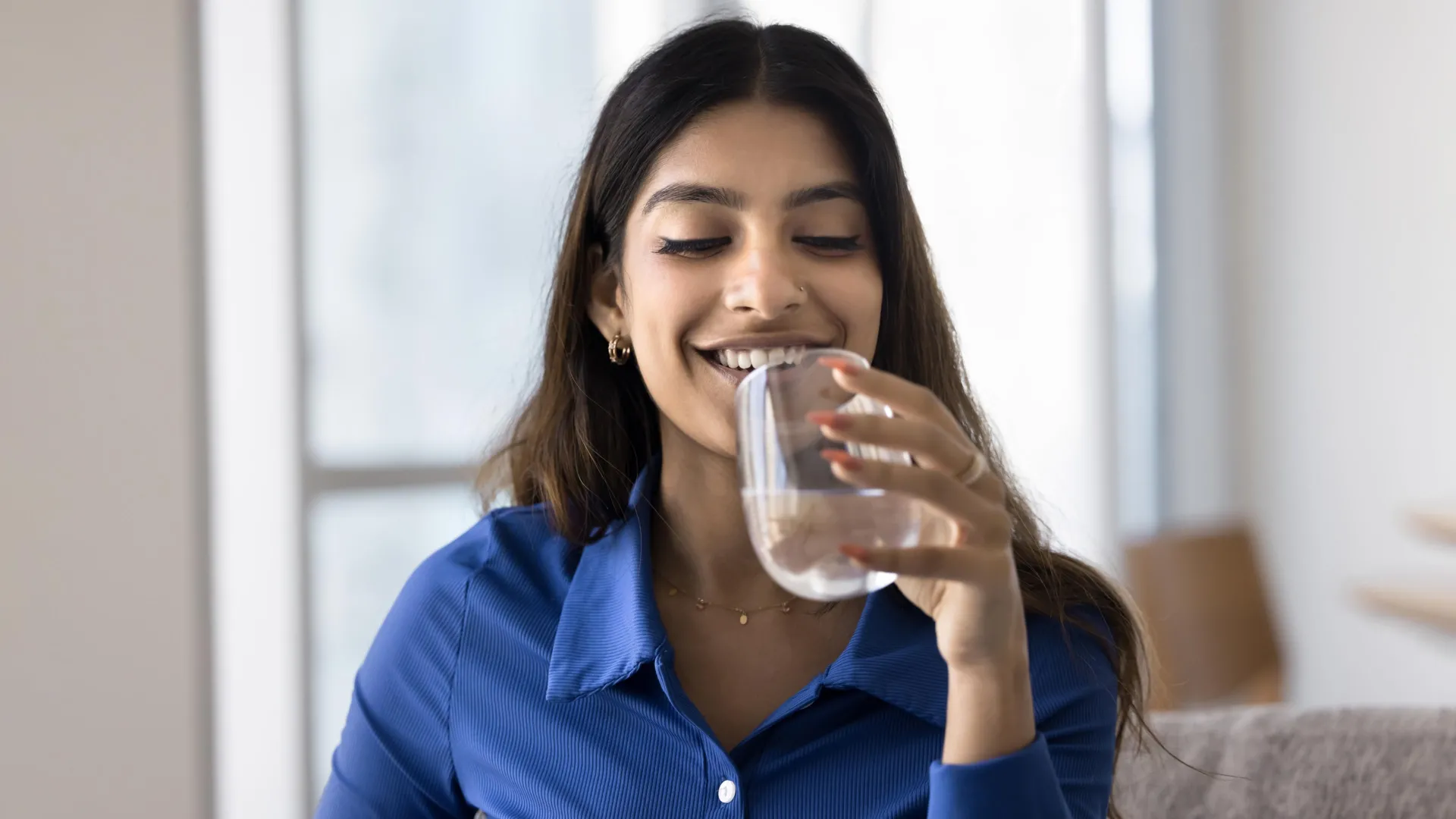
Emerging scientific inquiry is shedding light on the nuanced impact of carbonated beverages on dental health, particularly when juxtaposing unsweetened sparkling water with its sugar-laden counterparts. Preliminary research, presented at the recent NUTRITION 2026 annual meeting of the American Society for Nutrition, offers compelling insights into how different drinks influence the oral environment’s acidity, a critical factor in enamel integrity. The central question addressed by the investigation revolves around whether the popular shift towards sparkling water represents a genuine reduction in risk for dental erosion compared to traditional soft drinks.
The threshold for concern regarding tooth enamel demineralization is widely understood within dental science to occur when the mouth’s pH level dips below approximately 5.5. This acidity level initiates a process where the mineral content of tooth enamel begins to leach away. The research team, led by graduate student Wajiha Zulfiqar from Purdue University’s Nutrition Science department, embarked on a study designed to quantify the immediate effects of various popular beverages on oral pH. Their findings suggest that while sparkling water can indeed cause a temporary decrease in oral pH, the magnitude and duration of this effect are significantly less pronounced than those observed with sugar-sweetened sodas.
This observation is particularly relevant given the growing consumer trend of substituting sodas with sparkling water, often perceived as a healthier alternative. Zulfiqar’s statement highlighted this transition, suggesting that unsweetened sparkling water "may be a lower-risk alternative to soda, when consumed in moderation and alongside good oral hygiene practices." This cautious endorsement underscores the importance of lifestyle factors in mitigating potential dental risks. The study’s methodology aimed to provide a more direct and real-world comparison than previous investigations.
Historically, the detrimental effects of sugar-sweetened sodas on dental health have been well-documented. The combination of high acidity and fermentable sugars creates a potent environment for both enamel erosion and the proliferation of bacteria that contribute to cavities. However, the specific impact of unsweetened sparkling water on the oral milieu remained less clearly defined. This knowledge gap prompted the current investigation to directly assess its influence.
To achieve a controlled and comparative analysis, the researchers enlisted twenty adult participants, each of whom was asked to consume four distinct beverages: a standard sugar-sweetened soda, regular unsweetened sparkling water, a calcium-fortified version of sparkling water, and plain water as a baseline. By having each participant experience all the test conditions, the study design effectively minimized inter-individual variability, which can often confound results in beverage impact studies. This within-subjects design is a robust approach for isolating the specific effects of each beverage.
A key innovation in this study’s approach was the direct measurement of salivary pH rather than solely relying on the inherent acidity of the beverages themselves. Saliva plays a crucial buffering role in the mouth, neutralizing acids and helping to remineralize enamel. By measuring the pH of saliva immediately following consumption, the researchers were able to gauge the dynamic interaction between the beverage and the body’s natural defense mechanisms. This real-time assessment provides a more accurate reflection of how the mouth physiologically responds to different drinks.
Zulfiqar elaborated on this methodological advantage, stating, "Directly comparing different beverages using the same experimental framework allowed us to evaluate the effects of sparkling water relative to both soda — a higher-risk beverage — and plain water as a neutral reference." She further emphasized the value of observing the mouth’s response in real time, noting, "rather than only testing beverage acidity alone as other studies have done, our study provides a more realistic understanding of how these drinks may impact oral health." This focus on the physiological response rather than just the chemical composition of the drinks is a significant advancement in understanding beverage impacts.
The results of the beverage challenge were clear: sugar-sweetened soda elicited the most significant increase in oral acidity. Salivary pH levels were found to be markedly lower after soda consumption compared to plain water, with this difference persisting at both the two-minute and twenty-minute post-consumption marks. This extended period of acidity from soda consumption is a key factor contributing to its erosive potential.
In contrast, unsweetened sparkling water induced a transient decrease in salivary pH. This dip was observable at the two-minute interval but had largely subsided by twenty minutes. The calcium-fortified sparkling water also showed a temporary pH reduction, with the effect noted at the five-minute mark. Crucially, for both types of sparkling water, the oral pH levels had largely reverted to their baseline state within the twenty-minute observation window. This suggests that the oral environment is relatively efficient at recovering from the acidity introduced by these beverages.
The study also confirmed the protective role of saliva. In all instances, saliva acted to restore the mouth’s normal pH balance following the consumption of both soda and sparkling water. Importantly, during the short-term observation period, the salivary pH remained above the critical threshold associated with immediate enamel damage, even after soda consumption. This implies that occasional, brief exposures might not immediately lead to significant erosion.
However, the researchers were careful to contextualize these findings. They stressed that the experiment focused on short-term fluctuations in salivary pH. The long-term risk of dental erosion in everyday scenarios is influenced by a multitude of factors beyond immediate pH changes. These include the frequency of beverage consumption, the duration of exposure of teeth to the drink, the presence or absence of sugars, and the overall oral hygiene practices of the individual. Frequent sipping of any acidic beverage, for instance, can prolong the acidic challenge to enamel.
Despite these caveats, the study’s implications for public health and consumer choice are considerable. Zulfiqar articulated the potential benefits of substituting sugary drinks with sparkling water, stating, "Our results suggest that replacing sugar-sweetened sodas with unsweetened sparkling water may help lower the risk of enamel erosion." This provides a scientifically grounded rationale for consumers looking to make healthier beverage choices for their oral health.
Furthermore, the research offers a call to action for the beverage industry. "The results also highlight an opportunity for the beverage industry to explore reformulation strategies that could potentially reduce the erosive potential of acidic beverages," Zulfiqar noted. This could involve developing products with lower intrinsic acidity or incorporating ingredients that help buffer oral pH.
Looking ahead, the research team plans to expand their investigation to explore the long-term consequences of sparkling water consumption on oral health. Future studies are envisioned to delve into whether prolonged or habitual intake of sparkling water might influence other oral tissues or processes that are integral to maintaining healthy teeth and gums. The abstract detailing this preliminary research was presented on Sunday, July 26th, as part of the Clinical Nutrition II Poster Session at the Gaylord National Resort & Convention Center. It is important to note that abstracts presented at such meetings are typically subject to expert review but have not yet undergone the rigorous peer-review process required for publication in scientific journals. Therefore, these findings should be considered preliminary until they are published in a peer-reviewed scientific venue.
About the Author