Gait Velocity as a Potent Biomarker for Cognitive Resilience in Later Life
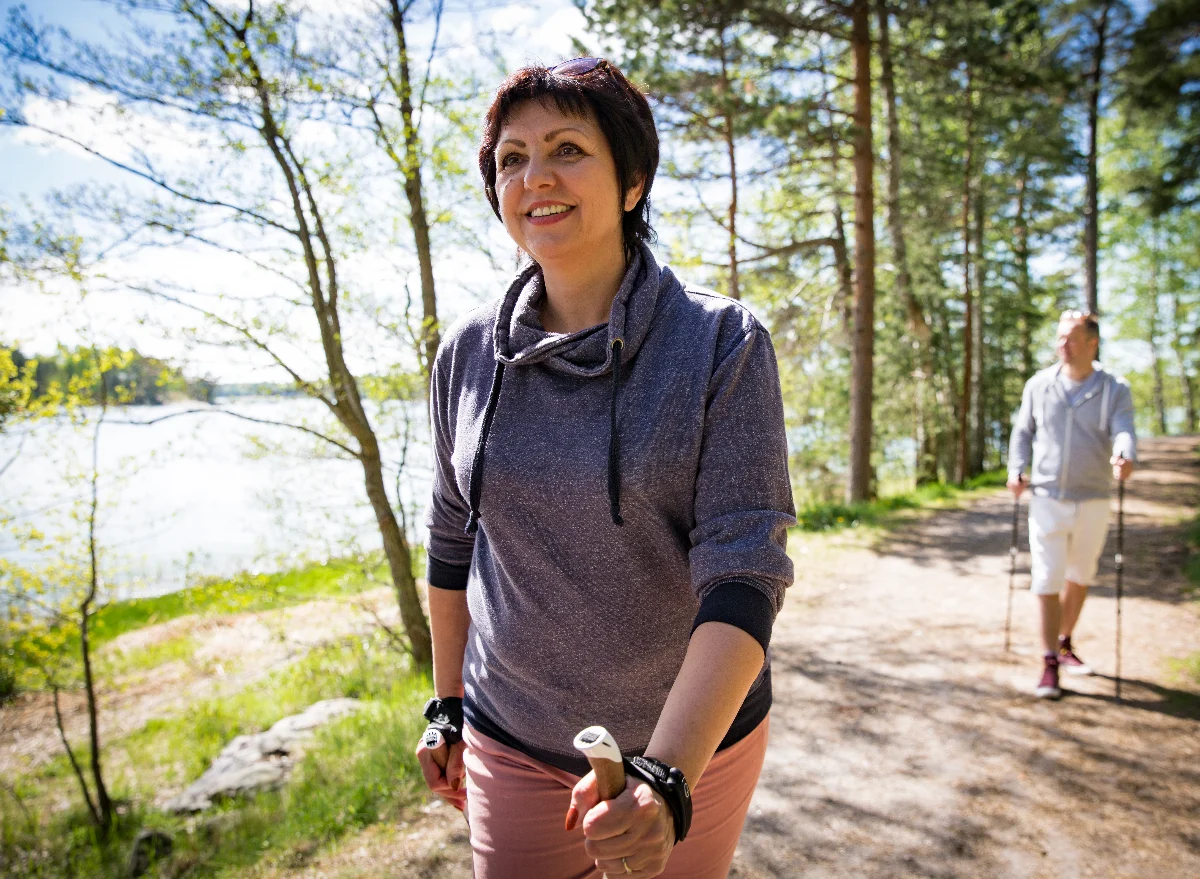
The intricate connection between physical activity and cognitive function has long been a subject of extensive scientific inquiry, with recent findings increasingly highlighting the profound impact of daily movement on brain health, particularly as individuals age. Among the myriad forms of physical engagement, walking stands out as a fundamental, accessible activity, and its very pace has emerged as a surprisingly robust indicator of underlying physiological and neurological vitality. Far from being merely a measure of locomotion, an individual’s gait speed can offer critical insights into the integrated health of multiple bodily systems and serve as a predictive marker for cognitive aging trajectories. This understanding underscores the immense value of maintaining a brisk walking pace well into one’s senior years, revealing a compelling correlation between sustained mobility and superior cognitive preservation.
Decades of research have illuminated how consistent physical activity contributes to overall well-being, but its specific benefits for the brain are particularly noteworthy. Engaging in regular walking, even for moderate distances, has been shown to exert a positive influence on brain architecture. Studies indicate that habitually covering a distance of approximately one mile daily can lead to observable increases in the volume of critical brain regions. The frontal lobe, for instance, a cerebral area instrumental in executive functions such as problem-solving, decision-making, and complex reasoning, appears to benefit significantly from this routine physical engagement. Furthermore, such consistent pedestrian activity has been associated with a substantial reduction—up to 50%—in the risk of developing cognitive impairment. This protective effect is thought to stem from several mechanisms, including enhanced cerebral blood flow, which ensures a robust supply of oxygen and nutrients to brain cells, and the promotion of neuroplasticity, the brain’s capacity to reorganize and form new neural connections. Regular exercise also modulates inflammatory pathways and stimulates the production of neurotrophic factors, such as Brain-Derived Neurotrophic Factor (BDNF), which support neuronal growth, survival, and synaptic plasticity, all crucial for maintaining cognitive sharpness.
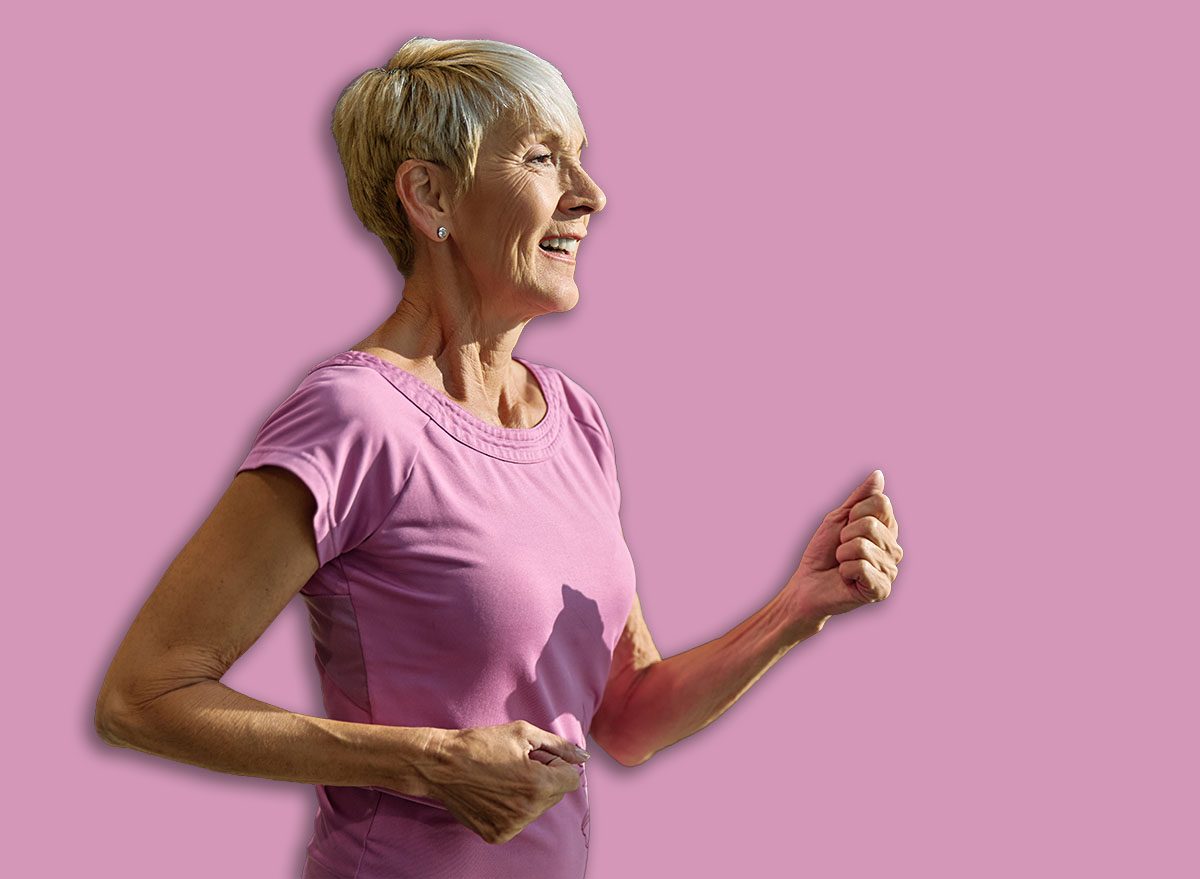
Beyond the general act of walking, the speed at which an individual walks carries immense diagnostic and prognostic weight, especially for those in their seventh decade and beyond. Gait velocity is not merely a reflection of leg strength; it is a complex, integrated output of the cardiovascular, pulmonary, musculoskeletal, and nervous systems working in concert. A faster, more confident gait suggests optimal functioning across these diverse physiological domains. Conversely, a noticeable slowing of pace can signal subclinical declines in one or more of these systems, often preceding more overt symptoms of disease or frailty. As Dr. Mariam Zakhary, a Clinical Advisor at Ikon Recovery Center and a physician double board-certified in Physical Medicine and Rehabilitation and Sports Medicine, explains, scientific literature consistently demonstrates a powerful association: older adults who sustain quicker natural walking speeds tend to exhibit superior cognitive functioning and face a reduced likelihood of disability, hospitalization, and mortality compared to their slower-paced peers. It is crucial to clarify that a swift gait is not necessarily the direct cause of slower brain aging; rather, it serves as a highly accessible and practical indicator of an individual’s overall physiological resilience and healthy aging status. It acts as a vital sign, much like blood pressure or heart rate, offering a snapshot of systemic health.
For individuals navigating their post-70s, the question often arises: what constitutes an "ideal" walking speed? While precise, universal benchmarks can be challenging to define due to individual variability, Dr. Zakhary offers a practical guideline. Instead of fixating on an exact numerical speed, she recommends aiming for a "brisk" pace—one where you can comfortably carry on a conversation but would find it challenging to sing. This "talk test" provides an immediate, self-assessable measure of moderate-intensity activity, which is generally recognized as beneficial for cardiovascular and cognitive health. For those seeking a more quantitative measure, general guidelines suggest that individuals who consistently walk at approximately 1.2 to 1.4 meters per second (which translates to roughly 2.7 to 3.1 miles per hour) are typically considered to possess the physical fitness levels conducive to "healthy" aging. It is important to acknowledge that this range represents an average, and the optimal speed for any given person will naturally fluctuate based on their unique physical fitness baseline, any existing health conditions, and their overall mobility capabilities. A sedentary individual might find a lower speed challenging and beneficial, while an already active person might need to push past this range to achieve a similar physiological stimulus.
For those aspiring to enhance their walking speed and, by extension, their overall health markers, a systematic and safe approach is paramount. Abruptly increasing intensity can lead to injury, particularly in older populations. Dr. Zakhary advocates for gradual progression, emphasizing small, manageable increments. One highly effective method is interval walking, which involves alternating periods of brisk walking with segments of slower, recovery-paced walking. For instance, an individual might walk briskly for one to two minutes, followed by a minute or two of a more relaxed pace, repeating this cycle for the duration of their walk. This technique not only improves cardiovascular fitness and endurance but also helps the body adapt to higher speeds more efficiently.
Beyond simply walking more, a comprehensive exercise regimen is crucial for supporting and improving gait. Strengthening key muscle groups directly impacts walking efficiency and stability. Dr. Zakhary highlights the importance of targeting the hip flexors, glutes, calves, and core muscles. Strong hip flexors contribute to a powerful leg swing, while robust glutes provide propulsion and support hip extension. Calves are essential for ankle push-off, and a strong core provides the foundational stability necessary for an upright posture and efficient transfer of power throughout the gait cycle. Incorporating exercises such as squats, lunges, calf raises, and planks can significantly improve the strength and coordination of these muscle groups.
Equally vital are balance exercises. As individuals age, proprioception (the sense of one’s body position) and balance can decline, increasing the risk of falls. Exercises like standing on one leg, heel-to-toe walking, or practicing Tai Chi can enhance balance, improve spatial awareness, and foster greater confidence during ambulation, thereby facilitating a quicker, more stable gait. Flexibility and stretching also play a critical role, ensuring a full range of motion in joints and reducing muscular stiffness, which can otherwise impede fluid movement. Daily stretching routines targeting major muscle groups can improve stride length and overall walking economy.
It is imperative to understand that walking, while immensely beneficial, should not constitute the entirety of one’s physical activity. A holistic approach to health and longevity necessitates a diversified exercise portfolio. Dr. Zakhary strongly advises complementing walking with at least two sessions per week of resistance training. This could involve using free weights, resistance bands, or bodyweight exercises to build and maintain muscle mass, which is critical for metabolism, bone density, and functional independence. Furthermore, she stresses the inclusion of daily balance training and daily stretching or flexibility routines. These components collectively contribute to a well-rounded fitness profile that supports not just a faster walk, but overall physical resilience.
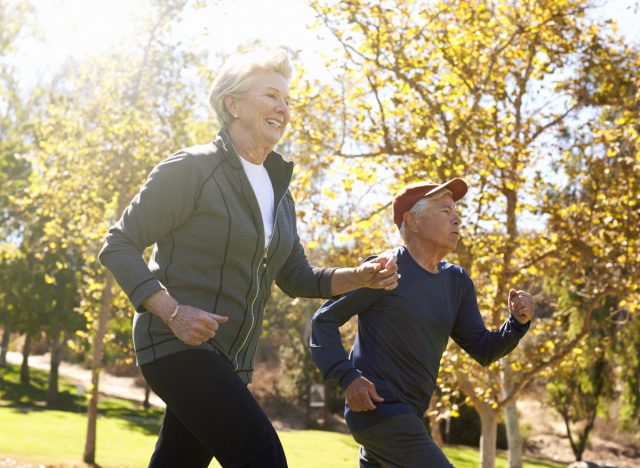
To prevent plateaus and continuously challenge the body, the principle of progressive overload must be applied to all forms of exercise, including walking. Repeating the exact same comfortable walk day after day will eventually yield diminishing returns. To continue fostering improvements, the body requires new stimuli. This could involve increasing the distance walked, elevating the intensity by incorporating inclines or hills, or tackling more challenging terrains such such as uneven paths or trails. Introducing variations keeps the body adapting and growing stronger, ensuring sustained benefits.
In conclusion, the simple act of walking, particularly at a brisk pace, is far more than just a means of getting from one place to another. It serves as a powerful, non-invasive biomarker reflecting an individual’s integrated physiological health and, critically, their cognitive resilience in later life. While a faster gait does not singularly cause slower brain aging, its strong correlation with superior cognitive outcomes, reduced disability, and increased longevity positions it as a key indicator of overall vitality. By embracing a comprehensive approach that includes not only brisk walking but also strength training, balance work, and flexibility exercises, older adults can proactively invest in their physical and cognitive health, paving the way for a more vibrant, independent, and cognitively robust future.
Related posts:

Related News