Holistic Chair Workout Regimen: Enhancing Core Stability and Metabolic Health for Individuals Over 60
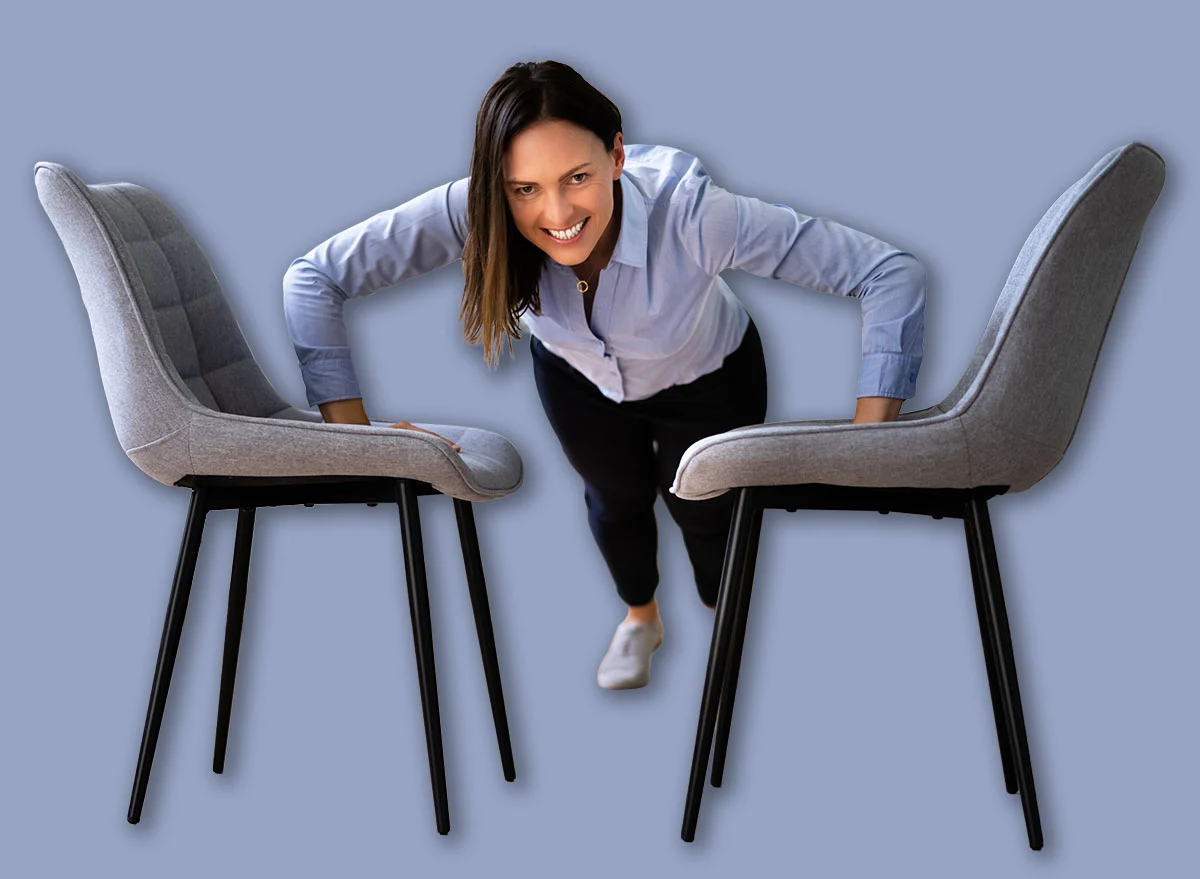
As individuals navigate the landscape of aging, maintaining optimal physical health becomes increasingly vital, particularly concerning body composition. A common concern that emerges in later decades, especially after the age of sixty, is the redistribution and accumulation of abdominal fat, often referred to colloquially as "belly overhang." This phenomenon, characterized by an increase in both subcutaneous and, more critically, visceral fat, is not merely an aesthetic issue but a significant health indicator. Visceral fat, located deep within the abdominal cavity surrounding vital organs, is metabolically active and has been strongly linked to an elevated risk of chronic conditions such as type 2 diabetes, cardiovascular disease, and certain cancers. Addressing this specific type of adiposity requires a strategic approach to physical activity that transcends conventional, isolated exercises.
Traditional abdominal exercises, such as crunches, primarily target the superficial abdominal muscles, offering limited benefits for overall fat reduction or comprehensive metabolic improvement. While they can contribute to muscular endurance in the rectus abdominis, their effectiveness in significantly reducing visceral fat is minimal, as spot reduction of fat is a widely debunked myth. Furthermore, for many older adults, performing crunches on the floor can present several challenges, including difficulty getting down and back up, potential strain on the neck and lower back due to pre-existing conditions or reduced core strength, and discomfort for those with joint issues. The narrow focus on a single muscle group also means that crunches do not generate the broad systemic metabolic response necessary for substantial calorie expenditure or the recruitment of larger muscle groups crucial for fat loss.
A more effective and accessible strategy involves integrating multi-joint, compound movements that engage a wider array of muscle groups, thereby elevating overall energy expenditure and fostering a more favorable metabolic environment. This is precisely where a chair-assisted exercise program emerges as an exceptionally powerful tool, particularly for those over sixty. The unassuming chair transforms into a versatile piece of fitness equipment, providing critical support, stability, and an adjustable platform that makes challenging exercises approachable and safe. This accessibility is paramount, as it allows individuals to perform movements with greater confidence and proper form, which are essential for both efficacy and injury prevention.
The physiological benefits of incorporating such a comprehensive, chair-based regimen are extensive. By activating larger muscle groups—including the quadriceps, glutes, hamstrings, chest, shoulders, triceps, and the entire core musculature—these workouts stimulate a higher metabolic rate during and after the exercise session. This increased energy demand contributes directly to a greater caloric burn, which is fundamental for fat loss. Moreover, engaging these major muscle groups helps combat sarcopenia, the age-related loss of muscle mass, which is a key factor in declining metabolic rate and functional independence. Maintaining or building muscle mass is critical for sustaining strength, improving balance, and enhancing overall quality of life. The chair’s role in facilitating these movements ensures that the intensity can be maintained at a productive level without compromising safety or form.
For older adults, the primary goals of physical activity extend beyond mere aesthetics; they encompass functional independence, improved balance, reduced fall risk, and enhanced cardiovascular and metabolic health. A well-designed chair circuit addresses these objectives holistically. By providing a stable anchor, the chair allows for movements that challenge balance and coordination in a controlled environment. It supports body weight during strength exercises, making them less daunting and more achievable. This blend of support and challenge empowers individuals to push their boundaries safely, leading to tangible improvements in strength, endurance, and overall physical capacity.
Let us explore a circuit of four highly effective chair-based exercises, each designed to maximize muscle engagement and metabolic impact, offering a far more comprehensive approach to abdominal health and overall vitality than isolated crunches. When performing these movements, always ensure the chair is sturdy and placed on a non-slip surface. Focus on controlled, deliberate repetitions, and prioritize excellent form over speed.
1. Chair Sit-to-Stand with Dynamic Knee Drive
This exercise is a cornerstone of functional strength, directly mimicking the everyday action of rising from a seated position. It strategically targets the major muscles of the lower body while dynamically engaging the core.
- Core Benefit: Enhances lower body strength, power, and functional mobility; improves balance and dynamic core stability.
- Muscles Engaged: Predominantly the quadriceps (front of thighs) and glutes (buttocks), with significant involvement from the hamstrings (back of thighs), hip flexors (during the knee drive), and deep core stabilizers.
- Why it’s effective for older adults/abdominal health: The sit-to-stand component builds essential leg strength crucial for gait, stair climbing, and fall prevention. Adding the knee drive elevates the exercise by demanding greater balance and activating the hip flexors and lower abdominal muscles to lift the knee purposefully. This dynamic movement increases the heart rate and calorie expenditure more effectively than isolated core work, contributing to systemic fat reduction. The controlled nature of the movement, supported by the chair for the initial stand, fosters confidence and allows for deeper muscle activation.
- Execution Nuances: Begin by sitting tall at the edge of a sturdy chair, feet flat on the floor, shoulder-width apart. Lean slightly forward, engaging your core, and push through your heels to stand up completely. As you reach full standing height, smoothly lift one knee towards your chest, maintaining balance. Slowly lower the leg back to the floor and return to a seated position with control. Alternate legs with each repetition. Focus on a stable, upright torso throughout the movement. Breathe out as you stand and lift the knee, inhale as you lower.
- Variations: For a simpler version, perform standard sit-to-stands without the knee drive. To increase difficulty, hold light dumbbells, or pause briefly at the top of the stand before the knee drive, and again at the top of the knee drive.
2. Incline Chair Push-Up
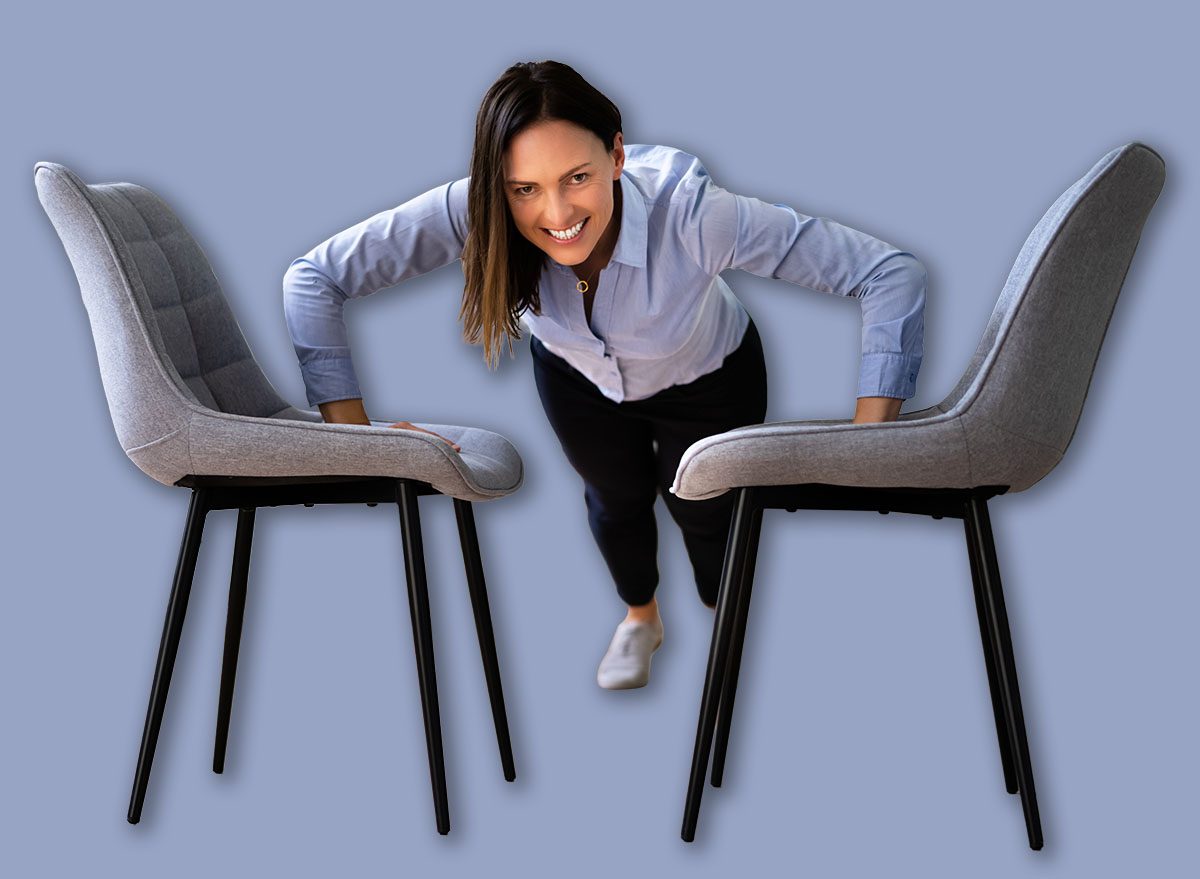
The incline chair push-up provides an excellent upper body strength exercise that can be scaled to various fitness levels, making it highly accessible while still being profoundly effective.
- Core Benefit: Builds strength in the chest, shoulders, and triceps; reinforces core stability in a plank-like position.
- Muscles Engaged: Primary movers include the pectoralis major (chest), deltoids (shoulders), and triceps brachii (back of upper arms). The core, glutes, and quadriceps are engaged isometrically to maintain a rigid body line.
- Why it’s effective for older adults/abdominal health: This movement strengthens the pushing muscles vital for daily tasks like opening doors, pushing grocery carts, or getting up from the floor. By using a chair, the angle of the push-up is elevated, reducing the overall body weight that must be lifted compared to a floor push-up. This minimizes strain on wrists and shoulders while still providing a robust challenge. The constant need to maintain a straight line from head to heels activates the entire core musculature, contributing to trunk stability and improved posture, which indirectly supports a more toned midsection.
- Execution Nuances: Stand facing the chair, about two to three feet away. Place your hands shoulder-width apart on the seat of the chair, fingers pointing forward. Step your feet back until your body forms a straight line from head to heels, similar to a plank position. Keep your core tight and engaged. Slowly bend your elbows, lowering your chest towards the chair, ensuring your elbows track slightly backward, not directly out to the sides. Push back up through your hands until your arms are fully extended. Maintain a stable, non-sagging hip position throughout. Inhale as you lower, exhale as you push up.
- Variations: For an easier option, move closer to the chair or use a higher surface like a countertop. To increase intensity, move your feet further back, or perform slow-tempo push-ups, taking several seconds to lower and several to push up.
3. Chair-Supported Reverse Lunge
The reverse lunge is a powerful unilateral (one-sided) leg exercise that significantly enhances lower body strength, balance, and hip mobility, with the chair providing essential support.
- Core Benefit: Develops single-leg strength, improves balance, and promotes hip flexibility; strengthens the glutes and quadriceps.
- Muscles Engaged: Primarily the quadriceps and glutes of the front leg, with assistance from the hamstrings and calves. The core is heavily recruited to stabilize the torso and maintain balance during the movement.
- Why it’s effective for older adults/abdominal health: Single-leg exercises are paramount for functional independence and fall prevention, as everyday movements often involve shifting weight onto one leg. The chair offers a crucial point of contact for balance, allowing individuals to focus on the muscular effort and range of motion without the fear of instability. This direct engagement of large leg and hip muscles significantly boosts metabolic activity. The controlled descent and ascent also work the core intensely to prevent lateral sway, fostering better trunk control which contributes to overall abdominal definition.
- Execution Nuances: Stand tall behind a sturdy chair, holding onto the back for support. Shift your weight onto one leg (the front leg). Step your other leg straight back, lowering your hips until both knees are bent at approximately 90-degree angles. Ensure your front knee remains aligned over your ankle and your back knee hovers just above the floor. Push through the heel of your front foot to return to the starting position, bringing your back leg forward. Complete all repetitions on one side before switching to the other. Maintain an upright posture and controlled breathing.
- Variations: For a shorter range of motion, do not lower as deeply. To progress, lightly tap the back foot instead of fully stepping back, or eventually try performing without chair support as balance improves.
4. Elevated Chair Mountain Climber
This dynamic exercise serves as an excellent conditioning component to the circuit, elevating heart rate while rigorously engaging the core and hip flexors.
- Core Benefit: Cardiovascular conditioning, dynamic core strength, and hip flexor mobility.
- Muscles Engaged: Primarily the abs and obliques (especially during knee drives), hip flexors, and shoulders (for stabilization). The quadriceps and glutes are also active.
- Why it’s effective for older adults/abdominal health: The elevated position of the hands on the chair reduces the load on the wrists and shoulders compared to floor mountain climbers, making it more accessible. It offers a fantastic way to introduce a higher intensity, rhythmic movement that boosts cardiovascular health and calorie expenditure. The continuous, controlled knee drives activate the deep abdominal muscles and obliques, enhancing core endurance and contributing to a more defined midsection. It challenges coordination and stamina without the high impact often associated with traditional cardio.
- Execution Nuances: Begin in an incline plank position with your hands on the chair seat, body forming a straight line from head to heels, similar to the start of the incline push-up. Keep your core tight and shoulders directly over your hands. Alternately bring one knee towards your chest, then quickly switch to the other leg, mimicking a running motion. Maintain a controlled pace, focusing on bringing the knees forward without letting your hips bounce excessively. Breathe consistently throughout the movement.
- Variations: For a slower, more deliberate approach, focus on controlled knee tucks one at a time. To increase intensity, slightly quicken the pace while maintaining form, or incorporate cross-body knee drives, bringing the knee towards the opposite elbow.
Integrating the Circuit into Your Routine
To maximize the benefits for abdominal health and overall fitness, these four exercises should be performed as a circuit. Complete one set of each movement consecutively, with minimal rest between exercises. Once all four exercises are completed, take a rest period of 60 to 90 seconds. Repeat this sequence for a total of two to three rounds. Aim to perform this circuit two to three times per week on non-consecutive days, allowing muscles time to recover and rebuild.
Beyond the structured workout, remember that achieving sustainable improvements in body composition, particularly in reducing abdominal fat, is a multifaceted endeavor. It necessitates a holistic approach that integrates a balanced, nutrient-dense diet, adequate hydration, sufficient sleep, and stress management. Consulting with a healthcare professional or a certified fitness expert before embarking on any new exercise regimen is always advisable, especially for individuals over 60, to ensure the program is tailored to specific health needs and capabilities.
In conclusion, while isolated abdominal exercises like crunches have their place, a more comprehensive, functional, and accessible strategy is paramount for older adults seeking to enhance core stability, reduce abdominal adiposity, and improve overall metabolic health. Chair-based exercises provide a safe, effective, and empowering pathway to achieving these goals, fostering sustained vitality and functional independence well into the golden years. By embracing these multi-muscle movements, individuals can move beyond superficial approaches and cultivate profound, lasting improvements in their health and well-being.
Related posts:

Related News