Culinary Echoes: Examining the Enduring Consumer Demand for Discontinued Fast Food Offerings
The landscape of American fast food is constantly evolving, a dynamic arena where culinary trends, operational efficiencies, and shifting consumer preferences dictate the lifecycle of menu items. While many new creations vie for attention, a unique segment of the market exists in the collective memory of patrons: the beloved dishes that have vanished from drive-thru boards and restaurant counters. This phenomenon extends beyond simple recall, often manifesting as a deep-seated nostalgia and a persistent, vocal desire for the return of these "culinary ghosts." For millions, fast food is not merely sustenance; it represents comfort, convenience, and often, a tangible link to specific periods of their lives, making the disappearance of a cherished item akin to losing a small piece of personal history. The decisions to retire a product are complex, typically driven by factors such as declining sales, increased ingredient costs, supply chain complexities, menu streamlining, or even failed marketing strategies, yet these business rationales rarely diminish the emotional attachment consumers hold for their bygone favorites.
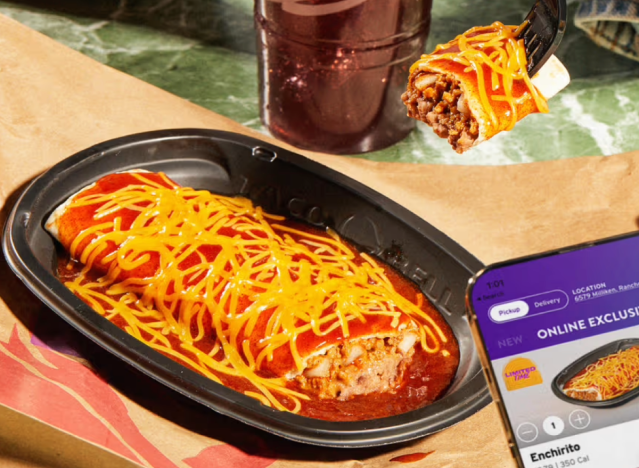
One of the most frequently lamented disappearances from the Taco Bell menu is the Enchirito, a hybrid creation that bridged the gap between an enchilada and a burrito. First introduced in the 1970s, this item was a staple for decades, combining seasoned beef, beans, and onions, all rolled into a flour tortilla and smothered in red sauce and melted cheese, often topped with sliced black olives. Its initial presentation in an aluminum tray and later in paper boats became part of its nostalgic appeal. The Enchirito’s unique blend of familiar flavors and textures distinguished it from other Taco Bell offerings, earning it a loyal following who appreciated its hearty, saucy character. Despite its popularity, the Enchirito underwent several modifications over its lifespan, including changes in tortilla preparation and the eventual removal of black olives, which some long-time enthusiasts felt diminished its original glory. Its ultimate discontinuation in the early 2010s sparked considerable disappointment, periodically leading to online campaigns and fervent discussions among fans who reminisce about its distinct taste and texture, particularly the way the cheese would perfectly melt into the sauce. Taco Bell has, on rare occasions, brought the Enchirito back for limited-time engagements, often through fan-voted initiatives, demonstrating the powerful influence of consumer sentiment on menu revival.
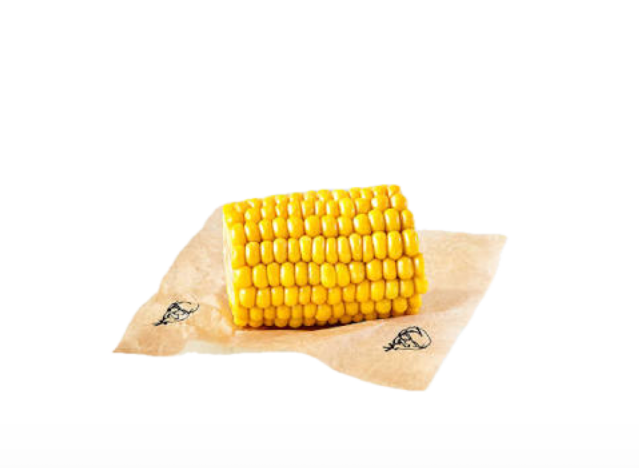
Another item whose absence is keenly felt is KFC’s Corn on the Cob. For many customers in the early 2000s and prior, a bucket of fried chicken was incomplete without this simple yet satisfying side dish. Often served steamed and lightly buttered, encased in a distinctive yellow plastic bag, the corn offered a sweet and juicy counterpoint to the Colonel’s savory fried chicken. Its straightforward appeal lay in its freshness and familiar taste, providing a home-style complement to the main course. The decision to remove corn on the cob from the national menu was likely part of a broader strategy to simplify operations and streamline ingredient sourcing, focusing on sides with broader appeal or easier preparation. However, the elimination left a void for those who valued its unpretentious charm. Social media platforms continue to host conversations where individuals recall the specific taste and texture, often describing it as "somehow more juicy but not soggy," a testament to the specific preparation that made KFC’s version memorable. The memory of its buttery sweetness lingers for many, underscoring how even seemingly minor menu items can forge strong connections with diners.
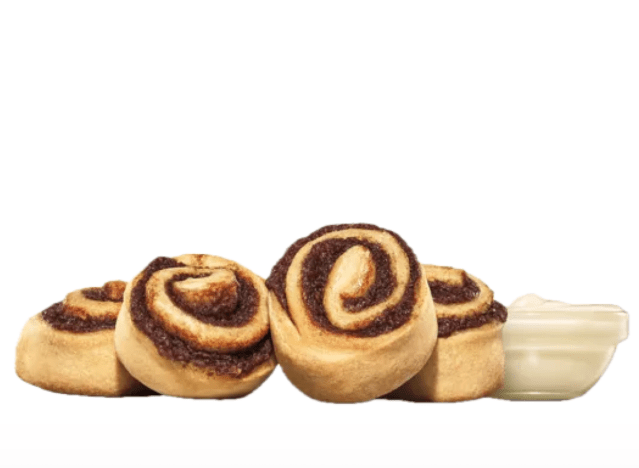
Burger King’s Cini-Minis represent a breakfast item that carved out a special place in the hearts of early morning drive-thru visitors. These miniature cinnamon rolls, typically served warm with a generous dollop of cream cheese frosting, offered a sweet indulgence that distinguished Burger King’s breakfast menu. Launched to compete in the burgeoning fast-food breakfast market, Cini-Minis provided a convenient and satisfying option for those seeking a sweet start to their day. Their appeal stemmed from their comforting flavor profile and bite-sized format, making them an ideal on-the-go treat. The discontinuation of Cini-Minis left a segment of the breakfast demographic feeling underserved, with many expressing deep disappointment over the loss of what they considered a perfect morning accompaniment. The emotional intensity surrounding their absence is notable, with some consumers expressing a profound sense of deprivation and even playfully suggesting legal action against the chain for removing "something so amazing." This strong reaction highlights how deeply nostalgic attachments can form around specific food items, especially those associated with routine or childhood memories, making their removal a significant perceived loss.
Wendy’s, known for its fresh, never-frozen beef, also ventured into the health-conscious market with its highly popular Salad Bar, affectionately known as the SuperBar. Introduced in the 1980s, the SuperBar was a revolutionary concept for a fast-food chain, offering an extensive selection of fresh vegetables, dressings, and toppings, allowing customers to customize their salads. Beyond salads, it also often featured pasta and pudding bars, providing a broader buffet-style experience. The SuperBar resonated with consumers seeking healthier alternatives or simply a more varied meal than traditional burgers and fries. Its success, however, also became its undoing. Maintaining the freshness, cleanliness, and constant replenishment of such a diverse self-serve bar proved to be operationally challenging and costly, particularly in a high-volume fast-food environment. Concerns regarding hygiene and food safety in self-serve formats, coupled with the rising popularity of pre-made, individually packaged salads, likely contributed to its eventual phase-out in the late 1990s. Despite the logistical challenges, the SuperBar is remembered fondly by many as a unique offering that provided unparalleled choice and a perception of freshness uncommon in the fast-food industry.
Pizza Hut’s Priazzo stands out as an ambitious culinary experiment from the 1980s that left a lasting impression on deep-dish pizza aficionados. Marketed as a "two-crust pizza" or "Italian pie," the Priazzo was a substantial, specialty pizza that featured a thick, often fluted crust, generous layers of toppings and cheese, and a second crust on top, all baked to perfection. It was a direct competitor to the Chicago-style deep-dish pizzas offered by other establishments. The Priazzo was available in several varieties, such as the Florentine (with spinach and a blend of cheeses) and the Milano (with pepperoni, sausage, and vegetables), showcasing a commitment to premium ingredients and a more upscale pizza experience. Its complexity in preparation and longer cooking times, however, made it less suitable for the rapid-service model that was becoming standard in fast-food pizza. The Priazzo’s elaborate structure and rich fillings were praised by those who tried it, with many describing it as "magical" and the "best pizza Pizza Hut ever had." Its discontinuation underscores the challenges of integrating complex, slow-to-prepare items into a system designed for speed and efficiency, even when the product itself garnered strong positive feedback.
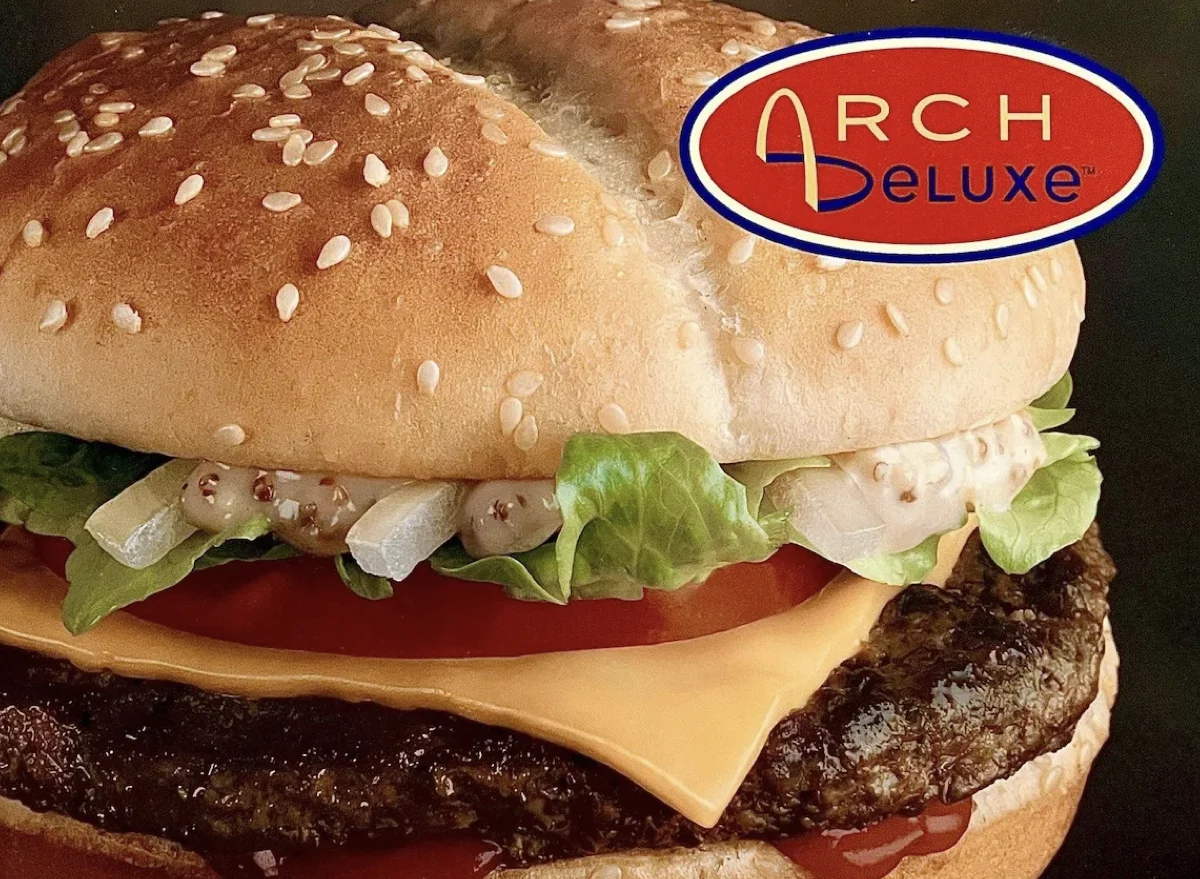
McDonald’s Arch Deluxe is often cited as one of the biggest marketing missteps in the company’s history, yet it paradoxically maintains a cult following among those who experienced it. Launched in 1996 with an unprecedented marketing budget reportedly exceeding $100 million, the Arch Deluxe was an attempt to appeal to a more "adult" palate, featuring a quarter-pound beef patty on a potato roll, with circular bacon, lettuce, tomato, onions, American cheese, and a secret mustard-mayonnaise sauce. The campaign famously showed children recoiling from the burger, signaling it was "for adults only," a strategy that alienated the brand’s core demographic without fully capturing the intended mature audience. Despite its commercial failure, many who tasted the Arch Deluxe remember it as a surprisingly delicious and sophisticated burger. Consumers often recall its distinctive "peppery" taste and unique blend of ingredients, describing it as "so unique and so good." Its brief run and subsequent disappearance solidified its status as a legendary "what-if" in fast-food lore, proving that a product can be commercially unsuccessful while still being genuinely appreciated for its flavor profile by a dedicated segment of the population.
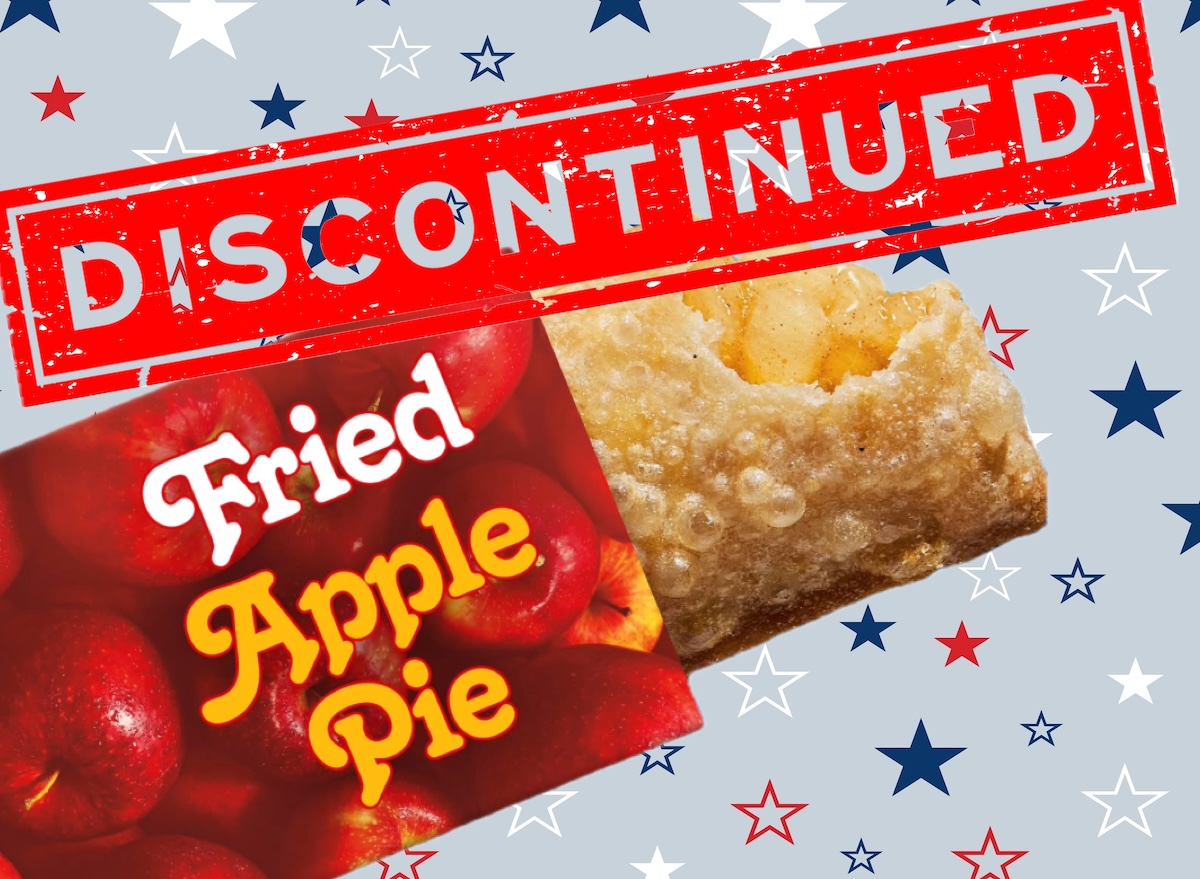
Finally, McDonald’s Deep-Fried Apple Pies hold a particularly warm place in the hearts of many older consumers. For decades, McDonald’s offered apple pies that were deep-fried, resulting in a crispy, flaky, and sometimes blistered crust that perfectly encased the hot, sweet apple filling. This preparation method provided a satisfying crunch and a distinct textural experience compared to its baked counterpart. In the late 1980s and early 1990s, responding to evolving consumer health perceptions and a desire for lighter options, McDonald’s transitioned to baking their apple pies in the United States. While the baked version remains a popular dessert, many purists argue that it lacks the superior crispiness and rich flavor of the original deep-fried rendition. The fried pies are still available in some international markets and occasionally make brief, limited-time appearances domestically, fueling the hopes of nostalgic fans. Discussions online frequently highlight the sensory experience of the fried pie, with patrons describing how it would "crackle when you bit them," yearning for the return of a dessert that was, for many, a foundational fast-food treat.
The persistent longing for these discontinued fast-food items illustrates a fascinating interplay between consumer psychology, brand loyalty, and corporate strategy. While companies must make difficult decisions based on profitability and operational efficiency, the emotional resonance of these products often transcends mere commercial logic. The "culinary ghosts" of the fast-food past serve as powerful reminders of how food can intertwine with personal memories and cultural moments, ensuring that even after decades, the craving for a taste of yesteryear remains a potent force in the American dining landscape.
Related posts:

Related News