The Enduring Appeal of Self-Serve Greens: Where Restaurant Salad Bars Thrive in the Modern Era
The culinary landscape of American casual dining has undergone significant transformations over the past few decades, yet a few stalwart establishments continue to champion a beloved, albeit increasingly rare, feature: the self-serve salad bar. Once a staple of family restaurants and buffets throughout the 1980s and 1990s, these expansive stations, offering a cornucopia of fresh ingredients, composed salads, and often an array of hot and cold accompaniments, have largely receded from the mainstream. The reasons for their decline are multifaceted, ranging from evolving consumer preferences towards more customized, chef-prepared meals to heightened food safety concerns and, more recently, the profound impact of the COVID-19 pandemic, which accelerated the shift away from communal dining experiences. Despite these industry-wide headwinds, a select group of chain restaurants has managed to preserve and even reimagine the salad bar, demonstrating its enduring appeal to a segment of the dining public.
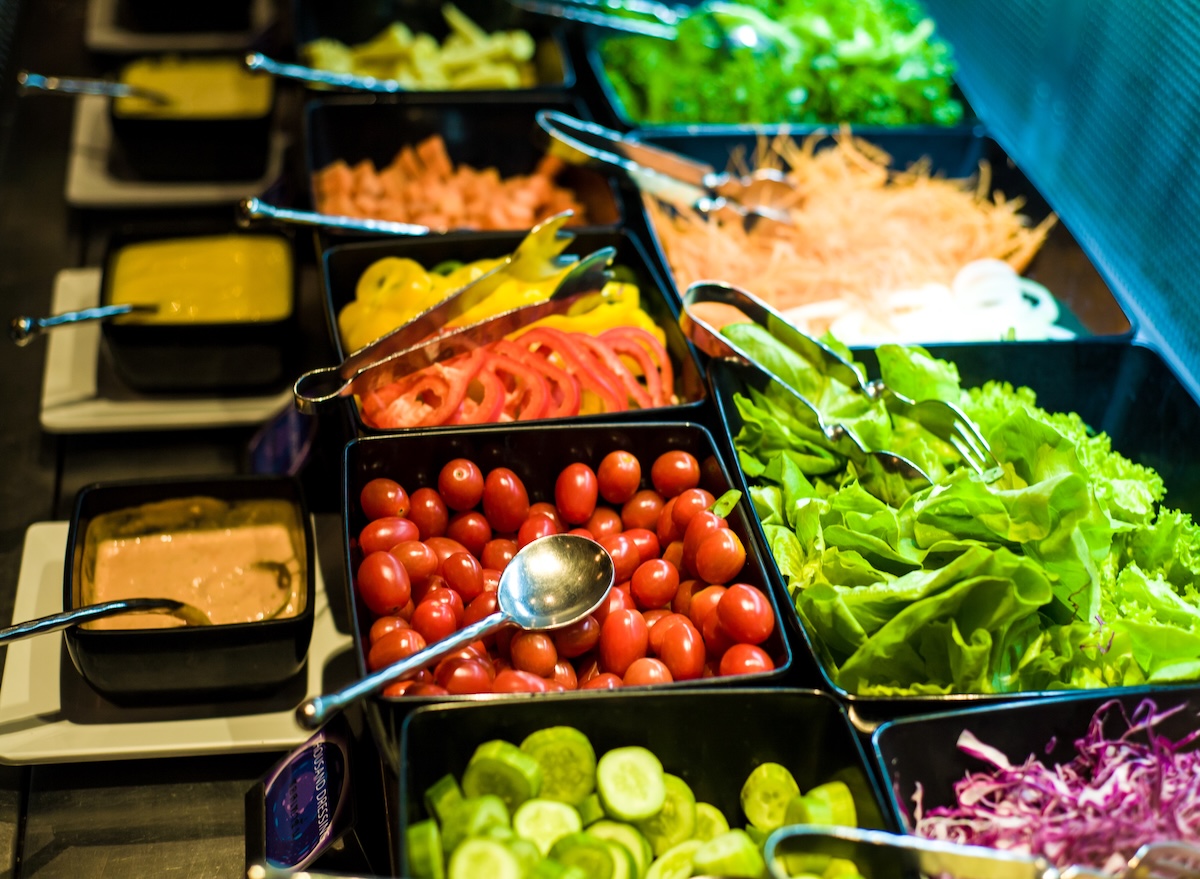
During the latter decades of the 20th century, particularly throughout the 1980s and 1990s, the self-serve salad bar stood as a ubiquitous fixture in American casual dining establishments. It represented an innovative approach to meal customization, empowering diners to construct their ideal plate from a diverse selection of greens, vegetables, proteins, and dressings. Beyond the traditional salad components, many of these buffets expanded to include hearty soups, warm bread rolls, pasta dishes, and even pizza, transforming a simple salad into a comprehensive, all-you-can-eat feast. This format resonated deeply with consumers, offering perceived value and variety that appealed to families, groups, and individuals alike. However, the operational complexities of maintaining freshness and hygiene, coupled with rising ingredient costs and shifts in public health perceptions, gradually led many restaurant chains to dismantle these beloved features. The onset of the global pandemic delivered a near-fatal blow, as health protocols and a widespread reluctance to share serving utensils effectively rendered the traditional self-serve model impractical for many. Yet, against this backdrop of widespread disappearance, a handful of prominent chains have not only retained their salad bar offerings but have, in some cases, integrated them more deeply into their unique brand identities, proving that this classic dining option still holds a cherished place in the hearts of many.
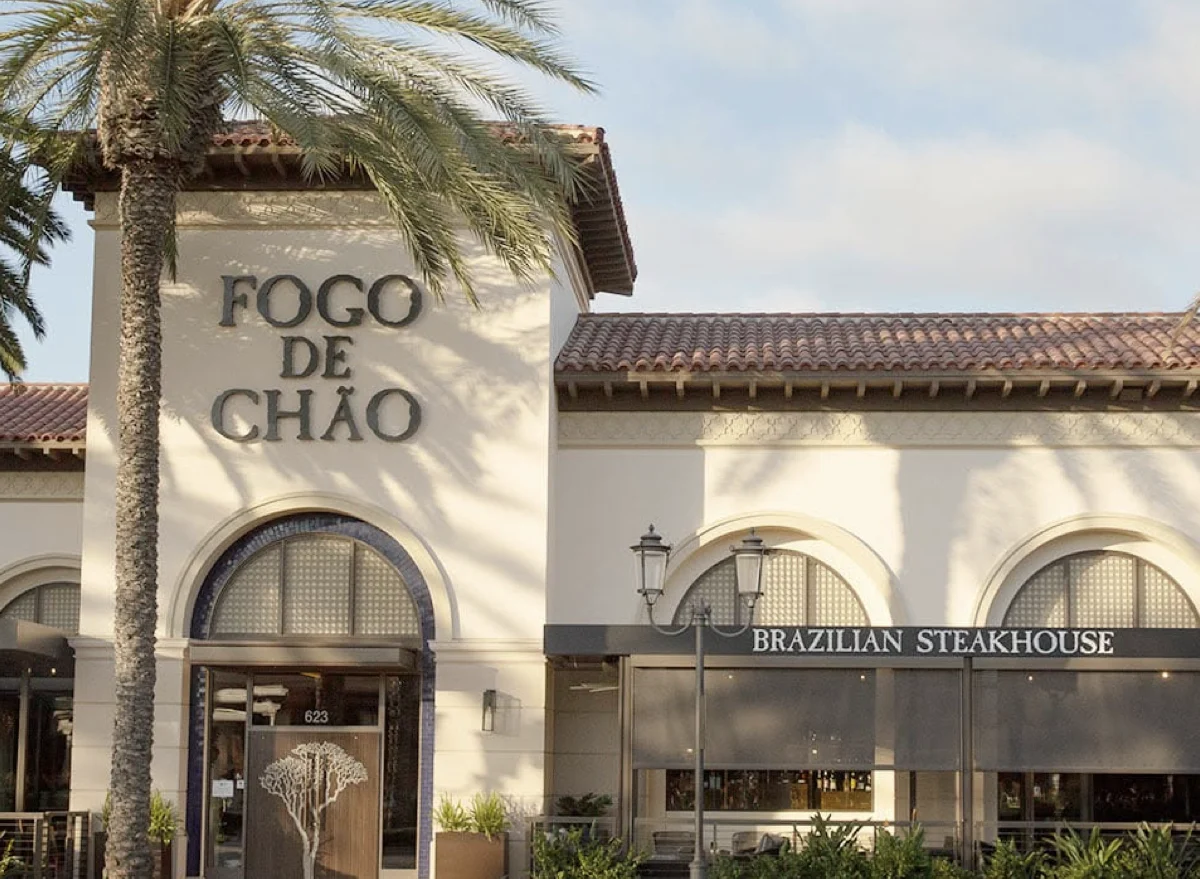
One notable example of a chain that has elevated the salad bar experience into a sophisticated culinary component is Fogo de Chão. While primarily renowned for its authentic Brazilian churrasco experience, where skilled gaucho chefs carve various cuts of fire-roasted meats tableside, Fogo de Chão’s "Market Table" stands as a testament to the gourmet potential of a salad bar. Far from a mere accompaniment, the Market Table is a lavish spread designed to complement the rich meat offerings, yet it is also available as a surprisingly affordable standalone meal, presenting an enticing option for those seeking a lighter, yet equally refined, dining experience. This extensive buffet transcends typical salad bar fare, featuring an exquisite array of seasonal salads, artisanal cheeses, cured meats, fresh vegetables, and unique Brazilian-inspired dishes. Diners can craft their personalized salads from a wide selection of premium ingredients or choose from expertly composed options such such as crisp Caesar salad, a vibrant Crispy Chickpea Kale Salad, refreshing Greek Salad, or a savory Sesame Black Bean Pasta. Further distinguishing the Market Table are selections like delicate Beet Tartare and refreshing Quinoa Tabouleh, alongside a curated charcuterie selection, highlighting a commitment to quality and variety that positions it as a genuine culinary destination in its own right, challenging conventional perceptions of what a "salad bar" can be.
In stark contrast to Fogo de Chão’s upscale interpretation, Jason’s Deli upholds the traditional, health-conscious deli model, where its "Garden Fresh" salad bar remains a central pillar of its menu. This chain has built its reputation on offering fresh, wholesome ingredients, a commitment exemplified by its robust salad bar. Diners at Jason’s Deli appreciate the ability to fully customize their meals, starting with a base of crisp greens and then layering on a vast assortment of toppings, from standard vegetables and cheeses to more unique offerings. A variety of dressings are available to complete the creation. For those seeking a more substantial meal, optional add-ons like lean proteins, creamy avocado slices, or a comforting bowl of soup can be incorporated for an additional charge. Interestingly, Jason’s Deli has adapted its service model to cater to different operational needs; while many locations maintain the classic self-serve format, others have transitioned to a full-service model where staff members assemble the customer’s chosen ingredients, ensuring freshness and adhering to stringent hygiene standards. This flexibility underscores Jason’s Deli’s dedication to maintaining its signature salad bar while adapting to contemporary dining expectations and health considerations.
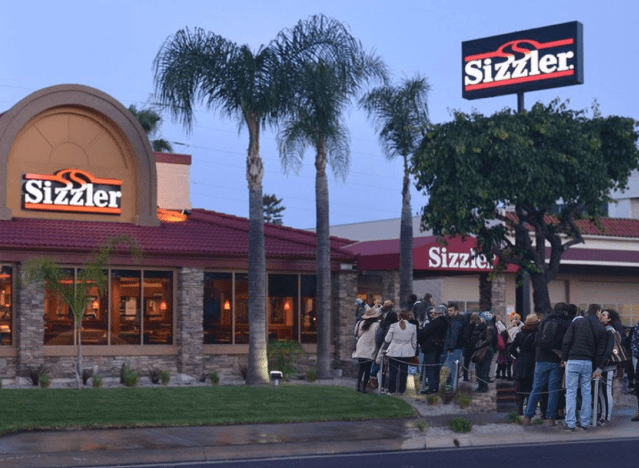
For diners seeking a journey back in time to the heyday of American family dining, Sizzler stands as a beacon of nostalgia, with its unlimited salad bar remaining a key attraction. The chain’s historic slogan, "Steak. Seafood. Salad. Sizzler," perfectly encapsulated its multifaceted appeal, where the salad bar always played a starring role. Today, Sizzler continues to deliver on this promise, offering an expansive "unlimited salad bar" that goes far beyond just greens. Guests have the freedom to construct their own salads from a generous selection of fresh produce, or they can opt for one of the pre-prepared salads. However, the Sizzler experience truly expands with its additional buffet offerings, which often include a hot bar featuring unlimited chicken wings, a vibrant taco bar for build-your-own creations, and a comforting pasta bar. To round off the meal, a dessert bar typically awaits, providing sweet treats. This comprehensive buffet makes Sizzler’s salad bar a flexible dining option: it can be added to any steak or seafood entree for a supplementary fee, or it can be enjoyed as a complete meal in itself, providing exceptional value and variety that resonates with families and those who appreciate a wide array of choices.
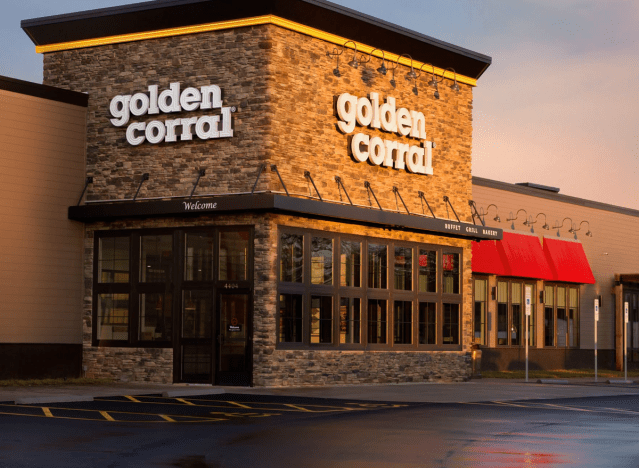
Another enduring institution in the realm of expansive buffet dining is Golden Corral, which has consistently featured an impressive salad bar as a cornerstone of its "homestyle" buffet experience. Known for its vast array of comfort foods, carving stations, and dessert bars, Golden Corral ensures that its salad bar maintains a prominent position, offering a fresh counterpoint to the richer offerings. The salad bar here is meticulously stocked with a wide "variety of fresh veggies, fresh fruits, meats, cheeses, crackers, dressings, and additional toppings," providing patrons with virtually limitless combinations. Beyond the build-your-own options, Golden Corral also enhances its selection with "Manager’s Choice of daily featured prepared salads," which often include popular items like a refreshing Seafood Salad. This emphasis on abundance and variety aligns perfectly with Golden Corral’s overall brand philosophy, positioning the salad bar not merely as an afterthought but as an integral part of its all-encompassing, value-driven dining proposition.
Finally, the re-emergence of the salad bar at select Pizza Hut locations speaks volumes about the power of nostalgia and consumer demand for cherished dining experiences. For many, the classic Pizza Hut salad bar was an iconic part of childhood, synonymous with school achievements, family outings, and the distinctive "Red Roof" dine-in restaurants. As the restaurant industry evolved, many traditional Pizza Hut locations shifted towards a carryout and delivery-centric model, leading to the disappearance of the dine-in experience and, consequently, the salad bar. However, in a strategic move to reconnect with its heritage and cater to a yearning for classic dining, Pizza Hut has recently invested in renovating several locations, rebranding them as "Pizza Hut Classic" restaurants. These updated establishments thoughtfully revive the beloved lunch buffet and, crucially, reinstate the iconic salad bar. This initiative highlights a growing trend within the fast-casual sector to leverage nostalgic elements, offering consumers not just a meal, but a trip down memory lane. The return of the Pizza Hut salad bar symbolizes a recognition of the emotional connection diners have with these communal food experiences, proving that certain traditions, even in a rapidly changing world, retain significant cultural and commercial value.
The continued presence of the salad bar at these diverse chain restaurants—from the gourmet sophistication of Fogo de Chão to the family-friendly abundance of Golden Corral, the wholesome appeal of Jason’s Deli, the nostalgic charm of Sizzler, and the strategic revival at Pizza Hut Classic locations—underscores its enduring, multifaceted appeal. These establishments have successfully navigated the challenges that led to the widespread decline of salad bars by offering distinct value propositions: premium quality, extensive variety, health-conscious options, or a powerful dose of nostalgia. Their survival suggests that while the format may have evolved, the fundamental desire for choice, customization, and fresh ingredients remains a powerful driver for diners. As the restaurant industry continues to adapt, these chains serve as compelling examples that with thoughtful execution and a clear understanding of their customer base, the classic salad bar can indeed "live on," providing a unique and cherished dining experience for generations to come.
Related posts:

Related News