As the legal landscape surrounding cannabis undergoes a dramatic transformation across numerous jurisdictions, a widespread public perception has emerged that its use is largely benign, particularly when compared to tobacco. However, scientific inquiry into the long-term health implications of cannabis, especially concerning cancer risk, is still in its nascent stages, presenting a complex and evolving picture that challenges simplistic assumptions. While the profound link between tobacco smoking and various malignancies, most notably lung cancer, has been unequivocally established over decades, researchers are now meticulously working to decipher the precise mechanisms and extent to which cannabis consumption might influence oncogenesis. This critical investigation is gaining urgency as cannabis products become more accessible and prevalent in daily life.
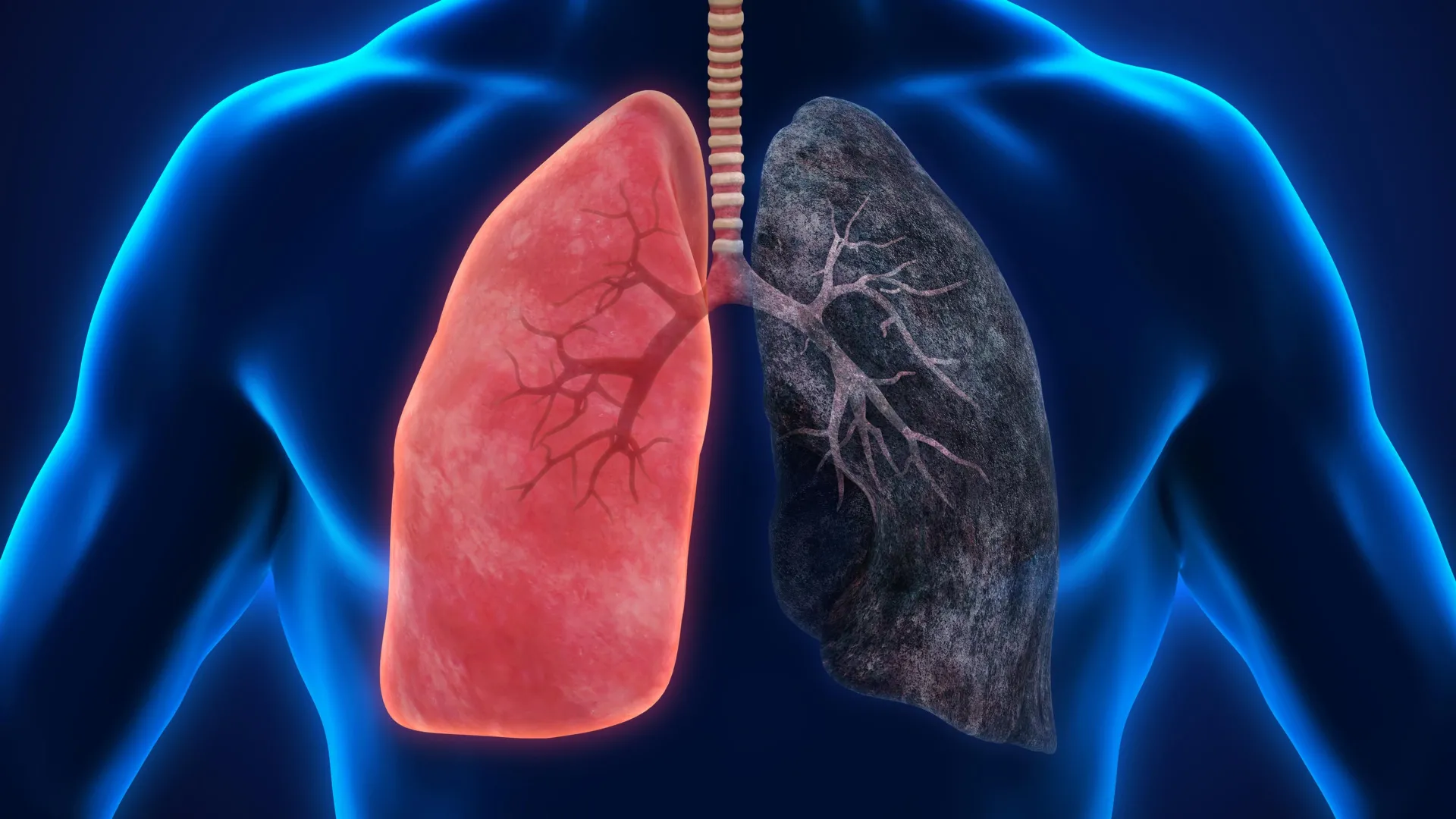
Leading this crucial research are experts such as Dr. Brooks Udelsman, a distinguished thoracic surgeon affiliated with USC Surgery at Keck Medicine of USC, and Dr. Niels Kokot, an otolaryngologist within the USC Caruso Department of Otolaryngology – Head and Neck Surgery. Their collaborative efforts at Keck Medicine have begun to shed light on potential correlations between high-frequency cannabis inhalation and an elevated risk of specific cancer types. A significant recent study spearheaded by Dr. Kokot and his team revealed a discernible pattern: individuals who reported substantial cannabis smoking appeared to exhibit a heightened propensity for both small cell lung cancer (SCLC) and non-small cell lung cancer (NSCLC), the two primary classifications of lung malignancy.
Beyond pulmonary concerns, Dr. Kokot and his colleagues have also presented compelling data suggesting a troubling association with head and neck cancers. Their findings indicated that daily cannabis users faced a considerably elevated risk, estimated at 3.5 to 5 times greater, of developing these specific cancers compared to non-users. This category encompasses a range of critical anatomical sites, including the oral cavity, the pharynx (throat), the larynx (voice box), the oropharynx (which includes the tongue, tonsils, and the posterior wall of the throat), and adjacent salivary glands. These initial findings underscore the breadth of potential risks under investigation and highlight the importance of understanding how cannabis might impact various physiological systems.
A central challenge in this burgeoning field of research revolves around quantifying the threshold of exposure—specifically, how much cannabis use constitutes a significant risk. While the empirical evidence linking frequent cannabis inhalation to cancer continues to accumulate, scientists currently lack a precise dose-response relationship. Dr. Udelsman acknowledges this critical gap, stating that the exact quantity or frequency of use required to trigger an increased risk remains undefined. He posits that occasional or infrequent use, such as once a week, once a month, or a few times annually, likely carries minimal risk. The current concern, he emphasizes, is predominantly directed towards individuals who engage in heavy, chronic cannabis use, often to the extent that it leads to dependency or necessitates medical intervention or evaluation. It is within this demographic, Dr. Udelsman notes, that the data presently suggests a higher cancer risk.
The scope of investigation extends beyond the respiratory and upper digestive tracts. Researchers are also actively exploring whether intensive cannabis use could be associated with other forms of cancer, including malignancies of the bladder and various gastrointestinal cancers. Dr. Udelsman draws a parallel with tobacco research, where an established link exists between smoking and an increased incidence of bladder cancer. He stresses that whether a similar relationship holds true for heavy cannabis inhalation is an open question requiring further empirical validation. The overarching objective of this ongoing research, he explains, is to provide the public with clear, evidence-based information regarding the potential health risks associated with cannabis use, thereby enabling individuals to make more informed choices.
The method of cannabis consumption is another critical variable under scientific scrutiny. While inhalation through smoking is a prominent mode of use, it is certainly not the only one. Current scientific consensus suggests that non-smoking methods, such as edibles, are unlikely to contribute to lung cancer risk. Dr. Udelsman confirms this perspective, noting that the absence of combustion and direct pulmonary exposure mitigates the primary mechanism by which inhaled carcinogens typically impact lung tissue. However, he cautions that while a link between edibles and lung cancer appears improbable, the potential for associations with other types of cancers via systemic absorption is not yet fully understood due to a lack of comprehensive data.
The biological rationale underpinning the potential carcinogenic effects of inhaled cannabis smoke mirrors, in part, that of tobacco smoke. Dr. Udelsman elucidates that any persistent inflammatory process within the body can, over an extended period, elevate the risk of cancer development. Tobacco smoke is notorious for its complex chemical composition, containing over 7,000 distinct chemicals, approximately 70 of which are definitively classified as carcinogens. Crucially, a subset of these same noxious compounds is also present in cannabis smoke. Furthermore, tetrahydrocannabinol (THC), the principal psychoactive constituent of cannabis, has been implicated in the metabolic conversion of polycyclic aromatic hydrocarbons (PAHs). These ubiquitous organic compounds, formed during the incomplete combustion of organic matter, are potent inflammatory agents and known genotoxins, capable of inducing direct damage to cellular DNA. The confluence of chronic inflammation and DNA alterations, Dr. Udelsman underscores, creates an environment conducive to the initiation and progression of cancer.
The concern regarding airborne irritants naturally extends to secondhand exposure. While definitive epidemiological evidence linking secondhand cannabis smoke to an increased risk of lung cancer is not yet robust, Dr. Udelsman advises caution. He points out that individuals in close proximity to cannabis smokers may inhale inflammatory particulate matter. Given that these inhaled particles are believed to contribute to the development of cancer in primary smokers, a theoretical risk for passive inhalers cannot be entirely dismissed, necessitating further research to quantify this potential hazard.
Lung cancers are broadly categorized into small cell lung cancer (SCLC) and non-small cell lung cancer (NSCLC). SCLC has a particularly strong and well-documented association with tobacco smoking, so much so that its occurrence without some form of inhalational injury is exceedingly rare. Dr. Udelsman notes that SCLC may also be linked to cannabis smoking, suggesting a shared pathway of pulmonary insult. Similarly, NSCLC, the more prevalent form of lung cancer, appears with greater frequency among individuals who smoke cannabis. Dr. Udelsman observes an increased incidence of NSCLC in smokers of both tobacco and cannabis when compared to non-smokers, indicating that both major types of lung cancer show elevated rates in those who inhale cannabis smoke.
The relatively recent surge in popularity of electronic cigarettes and vaporizers has introduced another layer of complexity to the public health discussion. Initially, many consumers and even some health professionals harbored the belief that vaping tobacco would present a safer alternative to conventional cigarette smoking. However, the ensuing years have witnessed the emergence of severe inflammatory lung conditions directly attributable to vaping, although these are typically categorized as benign diseases rather than cancer itself. Dr. Udelsman highlights the increasing observation of such "very severe inflammatory diseases" stemming from vaping.
The relatively short period during which vaping has been widespread—approximately 15 years—presents a significant challenge for researchers attempting to ascertain its long-term oncogenic potential. Establishing a causal link between vaping and cancer typically requires decades of follow-up studies, a timeframe that has not yet elapsed for this technology. The same uncertainty, therefore, applies to the vaping of cannabis. Dr. Udelsman acknowledges the nascent nature of vaping data, stating that definitive conclusions are not yet possible. Nevertheless, he expresses a general apprehension about any substance inhaled into the lungs, given its capacity to infiltrate and damage delicate lung cells and air sacs, potentially elevating cancer risk over time.
Despite the concerning findings regarding heavy cannabis use, Dr. Udelsman expresses a nuanced perspective regarding the broader public health impact of recreational consumption. He does not anticipate that occasional cannabis use will precipitate a widespread lung cancer epidemic. He explains that the minimal inflammation potentially induced by sporadic use is likely transient, allowing the body to recover rapidly with negligible lasting damage. His primary concern, he reiterates, lies with chronic, heavy exposure—specifically, individuals who consume cannabis daily, often multiple times a day. It is this pattern of sustained, high-dose exposure, he suggests, that allows for the cumulative cellular injury observed in current data, placing these individuals at a comparable risk level to tobacco smokers for cancer development.
In light of these evolving scientific insights, individuals who engage in frequent and heavy cannabis use are strongly advised to initiate a dialogue with their healthcare providers. A medical professional can offer a personalized assessment of their individual cancer risk factors, taking into account their consumption patterns, overall health, and family history. This consultation can also help determine whether additional screening measures or ongoing medical follow-up might be appropriate to monitor their health proactively. The expanding body of research underscores the urgent need for continued, rigorous scientific investigation into cannabis and its multifaceted health effects, ensuring that public policy and individual health decisions are guided by the most accurate and comprehensive evidence available.
About the Author