Maintaining robust physical health becomes an increasingly paramount concern as individuals progress into their later decades, particularly beyond the age of sixty. Among the various physiological components critical for sustaining independence and overall quality of life, the strength and stability of the hip complex stand out as foundational. The hip joint, a ball-and-socket marvel of biomechanical engineering, serves as the primary connection between the lower limbs and the axial skeleton, orchestrating movement, absorbing shock, and crucially, preserving upright posture. Its integrity directly impacts an individual’s capacity for fundamental activities such as walking, climbing stairs, rising from a seated position, and maintaining equilibrium. Neglecting hip musculature can precipitate a cascade of detrimental outcomes, ranging from diminished mobility to a significantly elevated propensity for falls, which themselves carry substantial risks of severe injury and long-term disability in older populations.
The natural physiological process of aging often brings with it a gradual decline in muscle mass and bone density, phenomena scientifically termed sarcopenia and osteopenia or osteoporosis, respectively. Sarcopenia, the age-related loss of skeletal muscle mass and strength, typically commences around the age of 40 and accelerates after 60, impacting not only raw power but also muscular endurance and functional capacity. Concurrently, bone weakening can render the skeletal system more vulnerable to fractures, particularly in high-impact areas like the hip. When these two age-related changes converge with weakened hip muscles, the body’s natural defense mechanisms against gravitational forces and sudden shifts in balance are compromised. This creates a precarious situation where a simple stumble can result in a catastrophic fall, often leading to hip fractures that demand extensive medical intervention, prolonged rehabilitation, and, in many cases, a profound reduction in an individual’s autonomy.
Experts in musculoskeletal health consistently underscore the pivotal role of the hip muscles, identifying them as some of the most substantial and powerful muscle groups within the human anatomy. Dr. Dustin DebRoy, who directs Chiropractic Education and Relations at The Joint Chiropractic, emphasizes their indispensable contribution to stabilizing both the lower extremities and the trunk. He elaborates that a weakening of these critical muscles can compel the body to adopt compensatory movement patterns, such as leaning forward or executing inefficient motions. Such adaptations not only strain other joints and tissues but also severely undermine coordination and overall balance, further exacerbating the risk of falls. Therefore, a strategic approach to maintaining and enhancing hip strength is not merely beneficial but essential for fostering longevity and independence in later life.
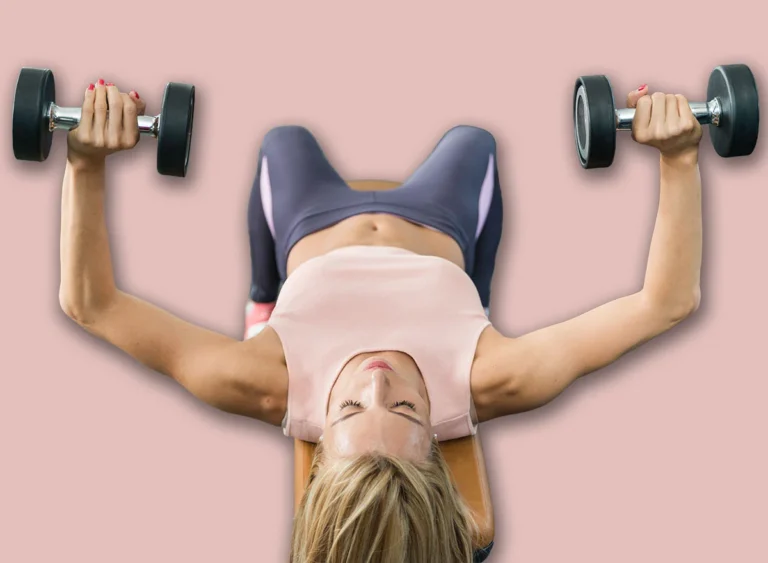
While many individuals gravitate towards floor-based exercises or static stretches for flexibility and mild conditioning, a growing body of evidence and expert consensus points towards the superior efficacy of standing, functional movements for truly fortifying hip strength, especially for older adults. The distinction lies in the concept of "functional strength" – the ability of muscles to work together in a coordinated manner to perform real-world tasks. Dr. DebRoy succinctly explains this paradigm shift: "If the objective is to cultivate hip strength that translates effectively into everyday movement, then standing, holistic body exercises are considerably more potent than activities performed while lying on the ground." He further clarifies that when the body is recumbent, numerous stabilizing muscles—those located in the feet, legs, pelvis, and spine—are significantly less active due to the reduced demand for gravitational support. This diminished requirement for stabilization inherently limits the capacity to build genuine strength and neuromuscular control. In stark contrast, standing exercises compel the entire kinetic chain to engage synergistically. This integrated muscle activation mirrors the demands of daily life, thereby cultivating a superior form of "real-world" strength that far surpasses the benefits derived from isolated or supported floor-based regimens.
The core principle behind the effectiveness of standing exercises is their ability to mimic and prepare the body for the challenges of gravity and dynamic movement. They engage proprioception—the body’s sense of its position in space—and demand greater neuromuscular coordination, forcing muscles to stabilize joints and control movement against external forces. This holistic engagement is precisely what builds resilience and reduces vulnerability in real-life scenarios. For those over sixty, incorporating a targeted regimen of standing, multi-joint exercises can dramatically enhance functional capabilities, leading to improved balance, gait, and overall confidence in movement.
To that end, Dr. DebRoy recommends five specific standing exercises that are particularly effective in bolstering hip strength and stability. These are not merely exercises but foundational movements that address various planes of motion and muscle groups within the hip complex.
1. Lunges: This unilateral exercise is a cornerstone for building robust hip strength. Lunges involve stepping forward or backward into a staggered stance, lowering the hips until both knees are bent at approximately 90-degree angles, and then pushing back to the starting position. The movement actively trains each leg independently, requiring controlled flexion and extension of the hip joint. This independent leg work is crucial because daily activities, such as walking or climbing stairs, are inherently unilateral. By strengthening each hip and leg individually, lunges enhance the ability of the hip musculature to stabilize the pelvis and generate propulsive force, which directly translates to more confident and efficient ambulation, stair climbing, and swift changes in direction. Proper form involves keeping the torso upright and ensuring the front knee tracks over the ankle, not extending past the toes. For beginners, holding onto a stable support like a wall or chair can aid balance.
2. Squats: Often hailed as the "king of exercises," squats are a compound movement that profoundly strengthens the gluteal muscles and other hip extensors. The exercise involves lowering the hips as if sitting into an imaginary chair, keeping the chest lifted and the back straight, and then powerfully driving back up to a standing position. This action demands powerful hip extension to overcome gravity and return to an upright posture. Beyond the glutes, squats engage a wide array of surrounding core and leg muscles simultaneously, fostering comprehensive hip stability. The coordinated effort required to execute a squat strengthens the entire lower kinetic chain, improving overall hip function and the ability to transition between standing and sitting with ease. Depth can be adjusted based on individual mobility and strength, with shallower squats still offering significant benefits.
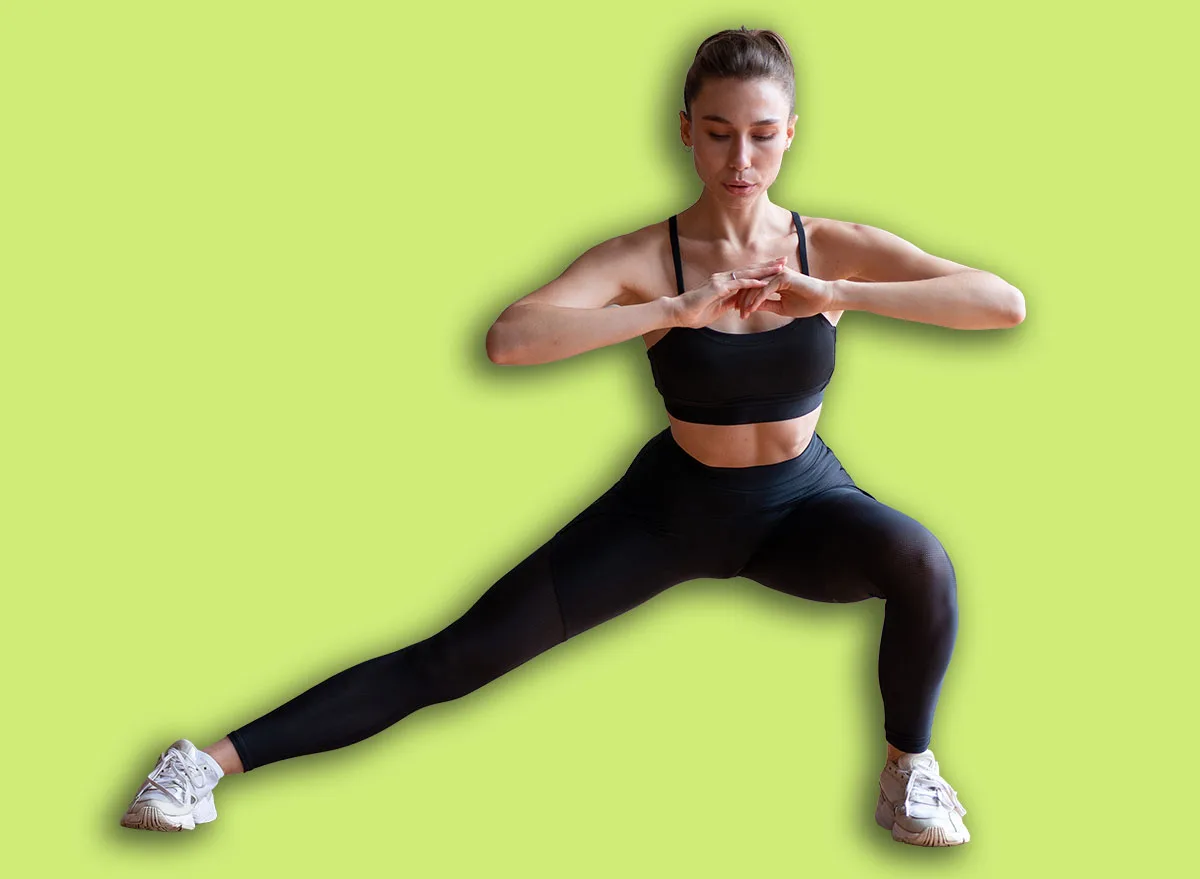
3. Lateral Lunges: While forward and backward movements are common, strengthening the hips in the side-to-side (frontal) plane is equally vital yet often overlooked. Lateral lunges address this by involving a step out to the side, shifting weight over one leg while keeping the other relatively straight, and then pushing back to the center. This specific motion directly targets the gluteus medius and other hip abductor muscles, which are critical for stabilizing the pelvis during single-leg stance and preventing the hips from swaying excessively. By improving hip strength and control in the lateral dimension, these lunges significantly enhance stability during side-to-side movements, improve agility, and bolster balance, particularly when navigating uneven terrain or performing tasks that require shifting weight. Starting with a smaller step and focusing on controlled movement is advisable.
4. Step-Ups: This functional exercise directly mimics the action of climbing stairs or stepping onto a curb, making it highly relevant for daily mobility. Step-ups involve placing one foot entirely on an elevated surface (like a sturdy step, bench, or low box) and then driving through that leg to lift the entire body onto the platform, followed by a controlled descent. This movement forces one leg to bear and lift the body’s weight against gravity, building significant glute strength and improving hip power. The unilateral nature of step-ups also enhances balance and proprioception. They are particularly effective for developing the explosive strength needed to ascend stairs or hills and to rise effectively from lower positions, contributing directly to an individual’s independence and confidence in navigating their environment. The height of the step can be adjusted to match individual fitness levels.
5. Single-Leg Hip Hinge: This advanced movement is exceptional for strengthening the posterior chain (glutes and hamstrings) while simultaneously challenging balance and core stability. It involves standing on one leg, maintaining a slight bend in the knee, and then hinging at the hip, extending the free leg backward for counterbalance, until the torso is roughly parallel to the ground. The movement emphasizes controlled hip extension and requires significant glute activation to return to an upright position. Beyond strength, the single-leg hip hinge profoundly improves balance and proprioception, forcing the stabilizing muscles around the ankle, knee, and hip to work overtime. This comprehensive engagement enhances stability throughout the entire hip and pelvic region, directly mitigating fall risks by refining the body’s ability to recover from perturbations. Initially, holding onto a support or performing the movement with minimal depth can help build confidence and form.
Integrating these standing exercises into a regular fitness regimen offers a proactive strategy for fortifying hip health and preserving functional independence well into the later stages of life. However, it is always prudent for individuals, especially those over the age of 60 or with pre-existing health conditions, to consult with a healthcare professional or a certified physical therapist before embarking on any new exercise program. Such guidance ensures that the chosen exercises are appropriate for their specific physical capabilities and health status, minimizing the risk of injury and maximizing the benefits.
Beyond the specific exercises, the principles of consistency and progressive overload are crucial for sustained improvement. Consistency ensures that the muscles are regularly stimulated, preventing atrophy, while progressive overload—gradually increasing the challenge through more repetitions, sets, or eventually, light external resistance—is necessary for continued strength gains. Furthermore, a holistic approach to health, encompassing adequate protein intake to support muscle repair and growth, sufficient calcium and vitamin D for bone health, proper hydration, and restorative sleep, will amplify the benefits of any exercise program. By prioritizing hip strength through dynamic, functional standing movements, older adults can significantly enhance their balance, reduce their risk of falls, and ultimately enjoy a more active, independent, and vibrant life.
About the Author