Unveiling Oligodendrocytes’ Dual Role: A Paradigm Shift in Glioblastoma Research
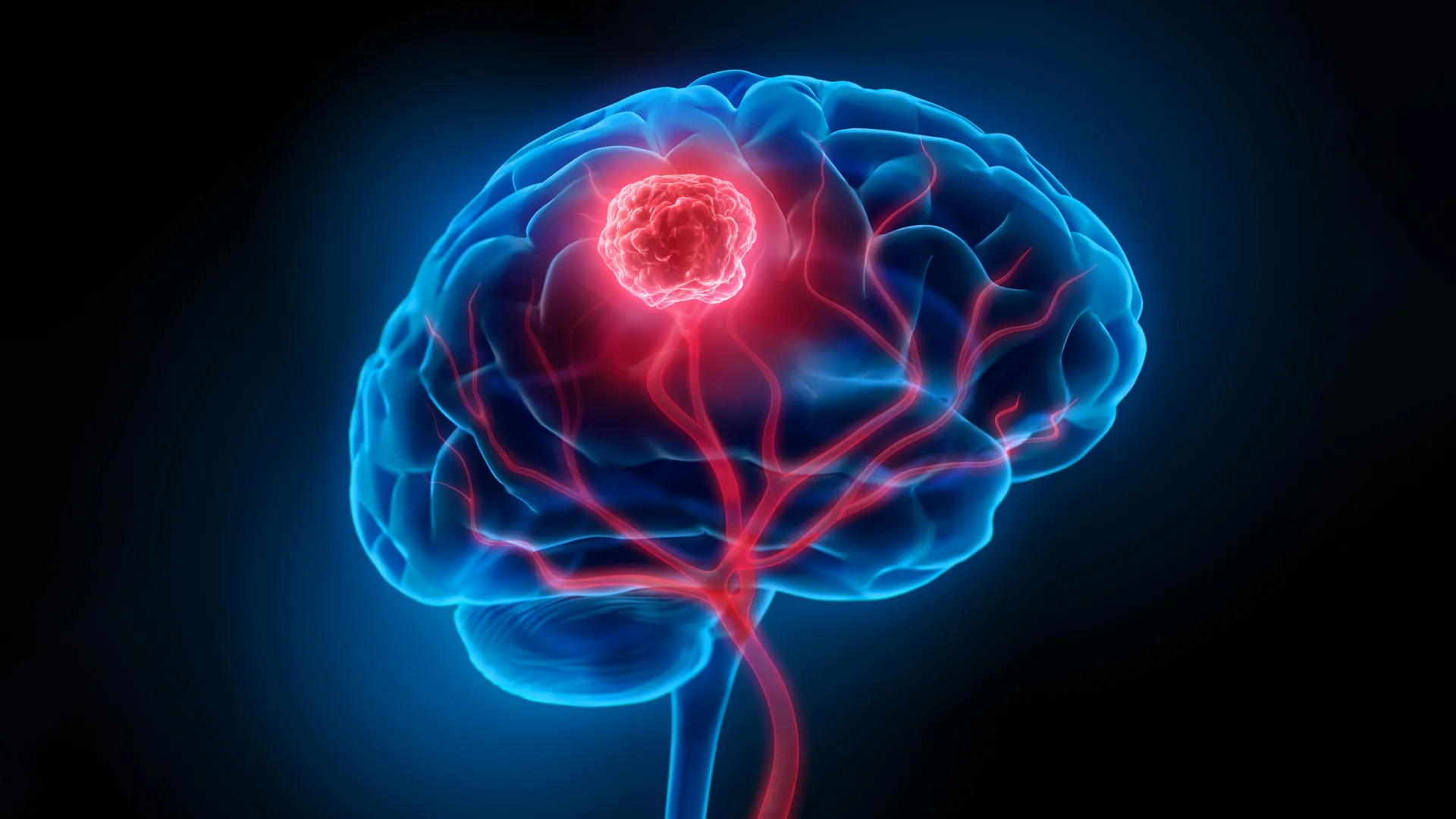
A groundbreaking investigation spearheaded by Canadian researchers has illuminated a previously unrecognized mechanism driving the aggressive proliferation of glioblastoma, the most formidable and currently incurable form of brain cancer. This discovery not only deepens our understanding of the disease’s intricate cellular environment but also points toward an existing pharmaceutical intervention that could offer a novel therapeutic avenue for patients facing grim prognoses. The findings suggest that certain brain cells, traditionally understood to be solely supportive of neuronal health, can be co-opted by glioblastoma, actively contributing to its expansion and dissemination.
For decades, the scientific community has grappled with the relentless progression of glioblastoma, a malignant tumor characterized by rapid growth and widespread infiltration into healthy brain tissue. While research has conventionally focused on the intrinsic properties of cancer cells themselves, this new study shifts the spotlight to the complex interplay between tumor cells and their surrounding microenvironment. The research team, comprising scientists from McMaster University and The Hospital for Sick Children (SickKids), has identified a specific type of glial cell, the oligodendrocyte, as a crucial, albeit unwitting, accomplice in the oncogenic process.
Oligodendrocytes, the myelin-producing cells of the central nervous system, are essential for insulating nerve fibers and facilitating efficient signal transmission. Their primary role is to maintain the structural integrity and functional capacity of the brain. However, this latest research reveals a startling plasticity in their function when confronted with the presence of glioblastoma. Instead of resisting the invading cancer, these supportive cells can be reprogrammed to foster its growth. This reprogramming appears to involve a sophisticated communication network, wherein oligodendrocytes emit signals that bolster the survival, proliferation, and metastatic potential of glioblastoma cells.
The implications of this revelation are profound, particularly given the dismal survival rates associated with glioblastoma, often measured in mere months from diagnosis. The research, meticulously detailed in the journal Neuron, proposes that by disrupting this aberrant signaling pathway, a significant deceleration in tumor growth could be achieved. This hypothesis was rigorously tested in laboratory models, where blocking the communication between oligodendrocytes and glioblastoma cells led to a marked reduction in tumor progression, underscoring the critical nature of this cellular crosstalk.
The collaborative effort involved key contributions from Kui Zhai, a research associate within the Singh Lab at McMaster University, and Nick Mikolajewicz, who served as a postdoctoral fellow in the Moffat Lab at SickKids during the study’s pivotal phases. Their work, alongside that of senior authors Sheila Singh and Jason Moffat, paints a compelling picture of glioblastoma not as an isolated malignant entity, but as a dynamic and adaptive "ecosystem."
"Glioblastoma isn’t just a mass of cancer cells, it’s an ecosystem," explained Sheila Singh, a professor of surgery at McMaster University and co-senior author of the study. "By decoding how these cells talk to each other, we’ve found a vulnerability that could be targeted with a drug that’s already on the market." This perspective emphasizes the strategic advantage of understanding the tumor’s environment as a potential therapeutic frontier.
The identification of oligodendrocytes as key facilitators of tumor growth represents a significant departure from previous understandings. While it was recognized that glioblastoma thrives on interconnected cellular networks, pinpointing the specific non-cancerous cells involved and the precise mechanisms of their complicity was a critical missing piece of the puzzle. The study delineates a defined signaling system employed by these altered oligodendrocytes to create an environment conducive to tumor survival and expansion. This sophisticated cellular dialogue allows the cancer to evade immune surveillance, secure nutrient supply lines, and establish new sites of invasion.
Crucially, the research has not only identified a novel biological vulnerability but has also pointed towards a readily accessible therapeutic solution. The signaling pathway implicated in this oligodendrocyte-glioblastoma interaction involves a specific receptor known as CCR5. This receptor is already a well-established target for a drug currently approved for the treatment of Human Immunodeficiency Virus (HIV), known as Maraviroc. The fact that this medication is already licensed and in widespread clinical use presents a compelling opportunity for accelerated repurposing in the fight against glioblastoma.
The potential for Maraviroc to interfere with the signaling between oligodendrocytes and tumor cells offers a beacon of hope for patients with limited treatment options. The drug’s existing safety profile and established manufacturing processes could significantly expedite its transition from a laboratory finding to a clinical application, bypassing the lengthy and expensive development timelines typically associated with novel drug discovery.
Jason Moffat, co-senior author and head of the Genetics & Genome Biology program at SickKids, elaborated on the significance of this finding: "The cellular ecosystem within glioblastoma is far more dynamic than previously understood. In uncovering an important piece of the cancer’s biology, we also identified a potential therapeutic target that could be addressed with an existing drug. This finding opens a promising path to explore whether blocking this pathway can speed progress toward new treatment options for patients." This statement underscores the dual impact of the research: advancing fundamental cancer biology and offering a tangible clinical prospect.
These latest findings build upon a foundation of earlier groundbreaking work by the same research groups. A study published in Nature Medicine in 2024 by Singh and Moffat revealed that glioblastoma cells can exploit developmental pathways normally utilized during brain formation to facilitate their own spread. When viewed in conjunction, these two studies delineate a sophisticated strategy employed by glioblastoma, involving both the hijacking of developmental processes and the manipulation of supportive glial cells. Together, they advocate for a paradigm shift in glioblastoma research, emphasizing the disruption of the tumor’s communicative and environmental support systems as a primary therapeutic objective.
The research was generously supported by funding from the 2020 William Donald Nash Brain Tumour Research Fellowship and the Canadian Institutes of Health Research, underscoring the national commitment to advancing brain cancer research. Sheila Singh holds a prestigious Tier 1 Canada Research Chair in Human Cancer Stem Cell Biology, while Jason Moffat holds the GlaxoSmithKline Chair in Genetics & Genome Biology at The Hospital for Sick Children, positions that reflect their significant contributions and leadership in their respective fields. This convergence of expertise and resources has culminated in a discovery that could fundamentally alter the landscape of glioblastoma treatment.
Related posts:

Related News