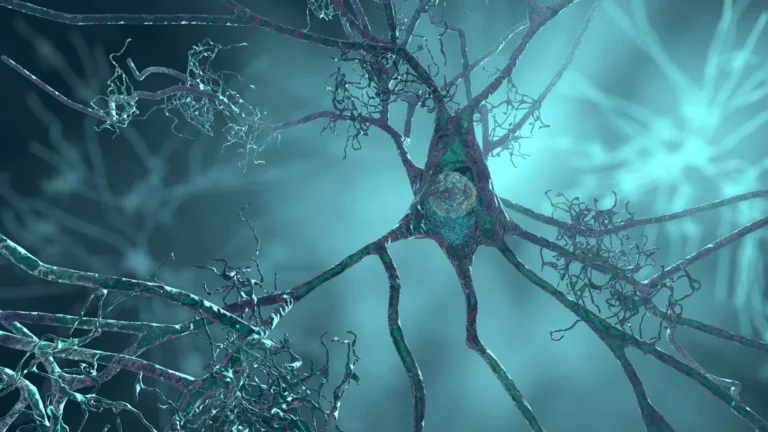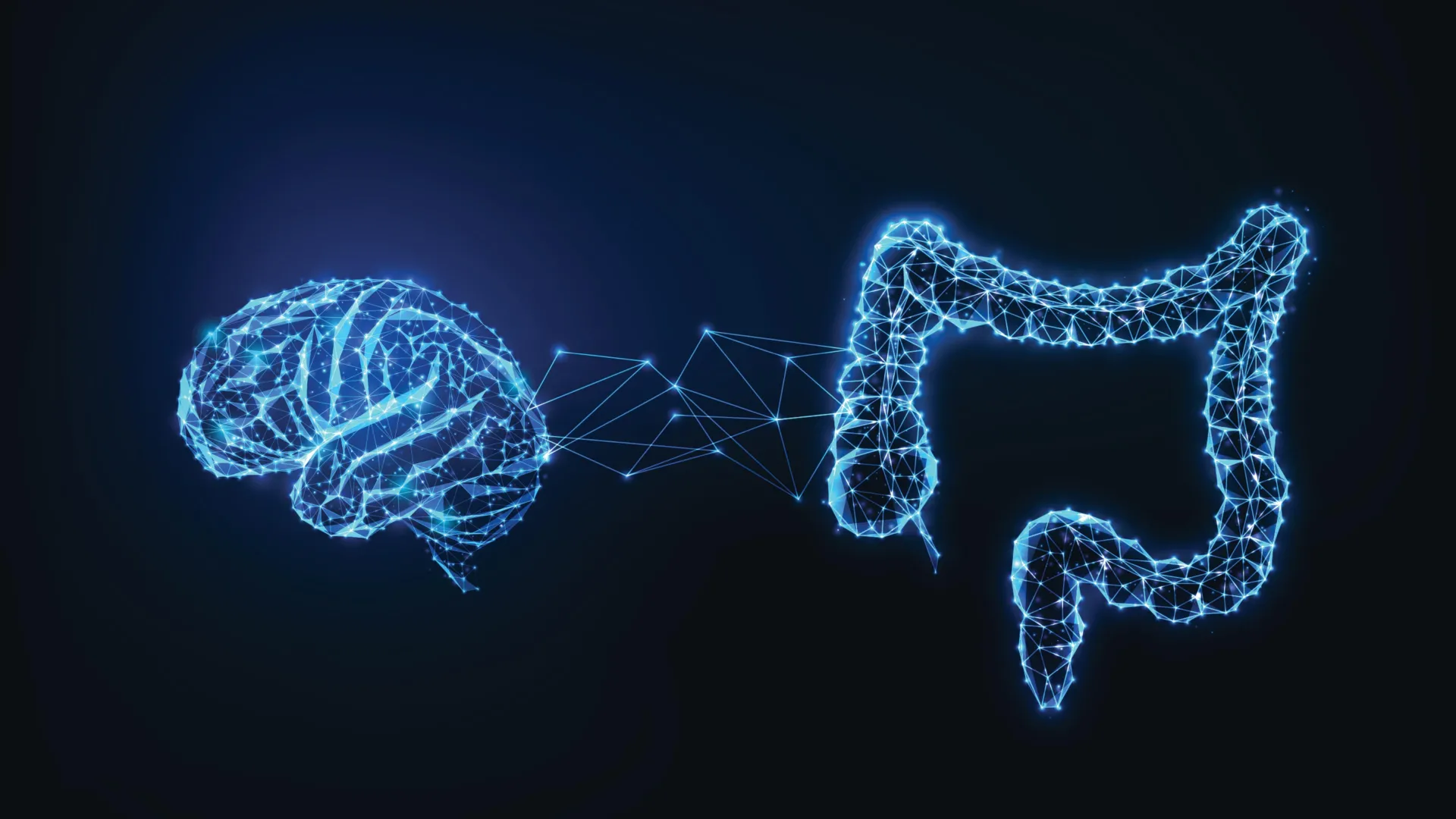
A groundbreaking investigation by researchers at Case Western Reserve University has illuminated a previously underestimated factor in the progression of Amyotrophic Lateral Sclerosis (ALS) and Frontotemporal Dementia (FTD), potentially revolutionizing clinical approaches to these debilitating neurological conditions. The study, published in the esteemed journal Cell Reports, firmly implicates the intricate ecosystem of bacteria residing within the human gut as a significant instigator of neuronal damage characteristic of these diseases. This discovery offers a novel perspective on the complex interplay between the digestive tract and the central nervous system, suggesting that interventions targeting the gut microbiome could represent a promising avenue for therapeutic development.
The research team meticulously pinpointed a specific mechanism by which certain gut-dwelling microorganisms can precipitate an inflammatory cascade that ultimately leads to the destruction of brain cells. Central to this finding is the identification of bacterial-derived sugars, specifically inflammatory forms of glycogen, which act as potent triggers for these destructive immune responses. This revelation provides a crucial piece of the puzzle in understanding the pathogenesis of ALS and FTD, conditions that have long baffled scientists due to their complex and often elusive origins. While genetic predispositions, environmental exposures, and even dietary habits have been considered as potential contributors, this new research offers a tangible, actionable link between a common biological process and the onset or acceleration of these neurodegenerative disorders.
Amyotrophic Lateral Sclerosis, commonly known as Lou Gehrig’s disease, is characterized by the progressive degeneration of motor neurons – the nerve cells responsible for transmitting signals from the brain to the muscles. This relentless assault on motor neurons results in escalating muscle weakness, atrophy, and eventual paralysis, severely impacting a patient’s ability to move, speak, swallow, and breathe. Frontotemporal Dementia, conversely, affects the frontal and temporal lobes of the brain, regions critical for personality, behavior, judgment, and language. Individuals with FTD often exhibit profound alterations in their social conduct, emotional regulation, and communication abilities, making it a profoundly disruptive condition for both patients and their families. Despite their distinct clinical manifestations, the Case Western Reserve study suggests a shared underlying mechanism driven by intestinal dysbiosis.
The study’s findings are particularly significant in shedding light on the enigmatic question of why some individuals, especially those with known genetic predispositions, develop ALS or FTD while others carrying the same genetic markers remain unaffected. The research elucidates a molecular pathway that directly connects the activity within the gut to the observed damage in the brain, especially in individuals harboring specific genetic mutations. This suggests that gut bacteria can function as crucial environmental modulators, dictating whether a genetically susceptible individual will ultimately succumb to the disease.
Dr. Aaron Burberry, an assistant professor in the Department of Pathology at Case Western Reserve School of Medicine and a lead author on the study, elaborated on the core discovery: "We observed that detrimental gut bacteria generate inflammatory variants of glycogen, a type of sugar. These microbial sugars, in turn, provoke immune system reactions that inflict damage upon the brain." This statement underscores the direct causal link established by the research, moving beyond correlation to demonstrable impact.
The clinical data gathered from the study provided compelling evidence for this hypothesis. Among the cohort of 23 patients diagnosed with ALS or FTD, a striking 70% exhibited elevated levels of these specific harmful bacterial glycogens. In stark contrast, only approximately one-third of the control group, individuals without these neurodegenerative conditions, displayed similar elevated concentrations. This marked disparity strongly supports the notion that these bacterial sugars are not merely incidental findings but rather active participants in the disease process.
The implications of these findings for future therapeutic strategies are profound and far-reaching. By identifying harmful gut sugars as a primary driver of disease progression, the researchers have unveiled novel targets for intervention. This discovery opens up avenues for the development of treatments aimed at neutralizing or eliminating these damaging sugars within the digestive system. Furthermore, the study highlights the potential for these bacterial sugars to serve as valuable biomarkers, enabling clinicians to identify patients who might stand to benefit most from therapies specifically designed to modulate the gut-brain axis. This personalized approach to treatment could significantly enhance efficacy and minimize adverse effects.
Dr. Alex Rodriguez-Palacios, an assistant professor in the Digestive Health Research Institute at the School of Medicine and another key contributor to the research, shared encouraging results from experimental interventions: "In our laboratory experiments, we were successful in reducing the levels of these harmful sugars. This intervention not only improved brain health but also demonstrably extended lifespan in our models." This experimental success provides a critical proof of concept for the therapeutic potential of targeting gut-derived glycogens.
The research holds particular promise for individuals who carry the C9ORF72 mutation, which is recognized as the most prevalent genetic risk factor for both ALS and FTD. The fact that not all carriers of this mutation develop the disease has been a persistent enigma. This new study offers a compelling explanation, suggesting that the gut microbiome acts as a crucial environmental factor, an epigenetic trigger, that can influence disease penetrance in genetically predisposed individuals. The presence and activity of specific gut bacteria, and their production of inflammatory glycogens, may be the deciding factor in whether the disease manifests.
The scientific breakthrough was facilitated by the utilization of sophisticated and innovative laboratory methodologies, particularly within Case Western Reserve University’s Department of Pathology and Digestive Health Research Institute. A cornerstone of their approach involved the use of germ-free mouse models. These specially bred animals are maintained in completely sterile environments, devoid of any microbial life, allowing researchers to meticulously isolate and study the effects of introducing specific bacterial strains or compounds on disease development without confounding factors from a pre-existing microbiome.
This pioneering research program, spearheaded by Dr. Fabio Cominelli, Distinguished University Professor and Director of the Digestive Health Research Institute, benefited immensely from a unique "cage-in-cage" sterile housing system. This advanced infrastructure, developed by Dr. Rodriguez-Palacios, is a rare and invaluable asset that enabled the large-scale investigation of the gut microbiome and its intricate communication pathways with the brain. Traditional research methods often restrict scientists to studying a limited number of animals at any given time, hindering comprehensive analysis. The innovative housing system, however, allows for significantly larger cohort studies, providing unprecedented statistical power and depth of insight into the complex dynamics of the gut-brain axis.
Looking ahead, the research team is poised to embark on further investigations to refine their understanding and translate these findings into clinical practice. As Dr. Burberry outlined the next steps: "To elucidate precisely when and why these detrimental microbial glycogens are produced, we plan to conduct more extensive studies. These will involve surveying the gut microbiome communities in ALS/FTD patients both before and after the onset of their disease." This longitudinal approach is crucial for understanding the temporal relationship between microbial changes and disease progression.
Furthermore, the scientific community is optimistic about the prospect of clinical trials. "Our findings strongly support the development of clinical trials designed to assess whether the degradation of glycogen in patients with ALS/FTD can effectively slow disease progression," Dr. Burberry added. "We anticipate that such trials could potentially commence within the next year." This timeline underscores the urgency and optimism surrounding this promising new therapeutic direction, offering a beacon of hope for patients and families grappling with the devastating realities of ALS and FTD.
About the Author