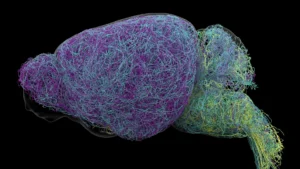
Cerebral Waste Clearance: New Insights Reveal Arterial Pathway’s Role in Brain Lymphatic Function
The intricate mechanisms by which the human brain manages its waste products have long been a subject of intense scientific scrutiny, with recent advancements in neuroimaging technology illuminating previously unrecognized pathways involved in this vital process. A groundbreaking study, appearing in the journal iScience, has provided the first direct human evidence of a novel regulatory point within the brain’s fluid and waste removal system, identifying the middle meningeal artery (MMA) as a critical component in this intricate network. This discovery fundamentally shifts our understanding of how the brain maintains its internal environment and offers significant potential for future therapeutic interventions in neurological disorders.
For decades, the prevailing scientific consensus posited that the brain operated with a limited direct connection to the body’s peripheral lymphatic system, an essential network responsible for draining waste, filtering fluids, and supporting immune responses throughout the body. This view was largely shaped by the protective layers, known as the meninges, which envelop the brain and spinal cord. These membranes were thought to create a significant barrier, isolating the central nervous system from the body’s broader immunological and fluid clearance mechanisms. However, accumulating research over the past ten years has begun to dismantle this long-held assumption, suggesting a more integrated relationship between the brain and the systemic lymphatic network.
The research team, spearheaded by Dr. Onder Albayram, an associate professor in the Department of Pathology and Laboratory Medicine at the Medical University of South Carolina (MUSC), leveraged cutting-edge, real-time magnetic resonance imaging (MRI) capabilities, a technological development made possible through a unique collaboration with NASA. These sophisticated imaging tools were initially conceived and refined to investigate the profound physiological alterations that occur in the human body during spaceflight, particularly concerning fluid dynamics within the brain. The application of this advanced technology to terrestrial brain research has now yielded unexpected and significant findings regarding the brain’s internal housekeeping.
Employing these advanced MRI techniques, the researchers meticulously observed the movement of cerebrospinal fluid (CSF) and interstitial fluid within the vicinity of the MMA in five healthy adult participants over a continuous six-hour period. The observed fluid dynamics were notably distinct from the rapid and pulsatile flow characteristic of blood within arteries. Instead, the researchers documented a slower, more deliberate and steady progression of these fluids. This characteristic flow pattern strongly indicated that the MMA was not merely a conduit for blood supply but was intricately involved in the brain’s lymphatic drainage processes, a function previously not attributed to this arterial structure. Dr. Albayram described this observation as revealing a "flow pattern that didn’t behave like blood moving through an artery; it was slower, more like drainage, showing that this vessel is part of the brain’s cleanup system."
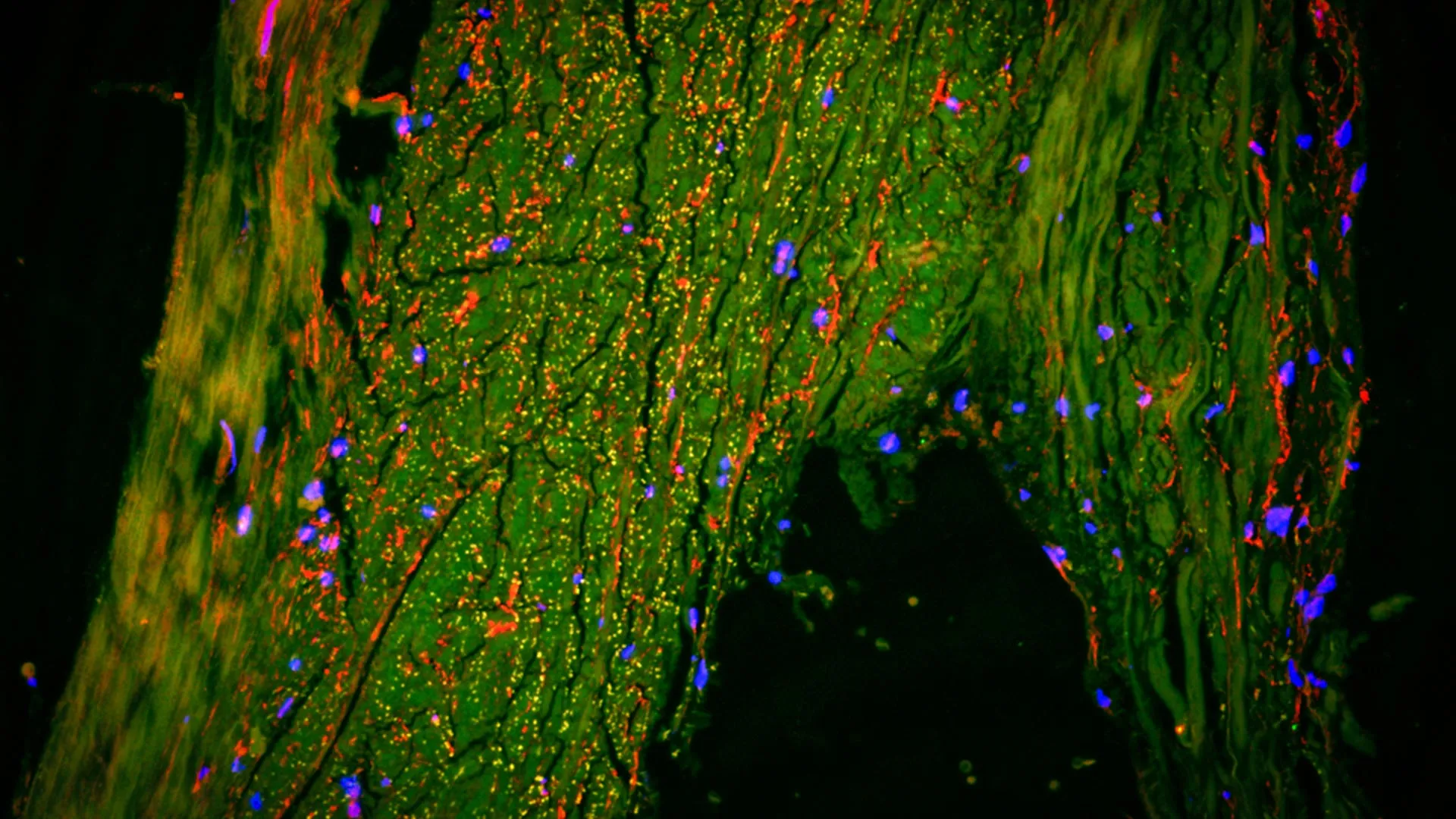
This compelling real-time imaging data was further corroborated by rigorous histological analysis of human brain tissue. In partnership with collaborators at Cornell University, the MUSC team utilized an ultra-high-resolution imaging methodology that enabled the simultaneous visualization of multiple cell types. This detailed microscopic examination focused on the tissue surrounding the MMA, revealing the presence of cellular markers and structural characteristics typically associated with lymphatic vessels. These are the very same types of cellular architectures that perform waste removal and fluid filtration functions throughout the rest of the body. The convergence of the dynamic fluid flow observed in vivo and the cellular evidence from ex vivo tissue analysis provided irrefutable confirmation that the slow-moving fluid detected via MRI was indeed traversing lymphatic channels, not blood vessels, thus establishing a direct biological link between the imaging observations and the underlying anatomical structures.
The significance of understanding the brain’s fluid dynamics extends far beyond basic physiological curiosity. It holds profound implications for the development of novel strategies to prevent and treat a wide spectrum of neurological and psychiatric conditions. The brain’s ability to efficiently clear metabolic byproducts, misfolded proteins, and other cellular debris is paramount for maintaining neuronal health and function. Disruptions in these clearance pathways have been increasingly implicated in the pathogenesis of neurodegenerative diseases such as Alzheimer’s and Parkinson’s, as well as in conditions like traumatic brain injury and inflammatory disorders of the central nervous system.
Dr. Albayram’s prior research has been instrumental in visualizing these meningeal lymphatic vessels in humans, a pivotal step reported in a 2022 publication in Nature Communications. The current study builds directly upon this foundation, offering the first direct visualization of fluid movement within these deep lymphatic structures of the brain in real-time. This progression in research underscores the accelerating pace of discovery in neurobiology, driven by advancements in imaging and molecular biology techniques.
A cornerstone of this research methodology is its deliberate focus on studying healthy individuals first, a departure from the common practice of initiating research with animal models or patient populations. This approach establishes a critical baseline understanding of how the brain’s waste removal system operates under normal, unimpaired conditions. Establishing this normative baseline is indispensable for accurately identifying and characterizing deviations that occur in the presence of disease. By understanding what constitutes "normal" function, researchers can more effectively pinpoint subtle alterations that may serve as early indicators of neurological dysfunction or disease onset.
The implications of this discovery are far-reaching and extend to a broad range of neurological and psychiatric conditions. A deeper comprehension of the brain’s lymphatic drainage system could unlock new avenues for understanding the aging process, the role of inflammation in brain health, the impact of injury, and the underlying mechanisms of debilitating diseases like Alzheimer’s disease and various psychiatric disorders. Dr. Albayram is actively expanding upon these findings, initiating studies to investigate how this critical drainage system functions in individuals diagnosed with neurodegenerative diseases. The ultimate objective of this ongoing research is to enhance early diagnostic capabilities, formulate effective preventive strategies, and develop more potent and targeted therapeutic interventions for conditions that currently have limited treatment options.
Dr. Albayram articulated a key challenge in contemporary brain research: "A major challenge in brain research is that we still don’t fully understand how a healthy brain functions and ages. Once we understand what ‘normal’ looks like, we can recognize early signs of disease and design better treatments." This foundational understanding, illuminated by the recent discovery concerning the MMA’s role in lymphatic clearance, is poised to transform our approach to brain health and disease management, paving the way for a new era of neuroscientific innovation.
Related posts:

Related News