Maintaining robust back strength is a cornerstone of independent living, particularly as individuals progress beyond their mid-fifties. The intricate network of muscles, ligaments, and connective tissues supporting the spine is instrumental in nearly every physical action, from the most basic movements like standing and walking to more complex tasks such as lifting or twisting. A robust posterior chain not only facilitates daily activities but also significantly mitigates the risk of injury and discomfort commonly associated with aging. While various fitness approaches exist, an increasing body of expert opinion suggests that certain standing and functional exercises may offer a more effective and accessible pathway to spinal resilience for older adults compared to traditional floor-based routines.
The physiological landscape of the human body undergoes several transformations with age, which directly impact spinal health and overall mobility. As Chancy Gill, a Licensed Massage Therapist and co-owner of Syringa Bodywork in Hayden, Idaho, highlights, a confluence of factors contributes to a decline in back strength and function in individuals over 55. A primary concern is the age-related reduction in muscle mass, a phenomenon known as sarcopenia, which disproportionately affects the posterior chain – the muscles along the back of the body, including the glutes, hamstrings, and spinal erectors. This diminished muscular support leaves the spine more vulnerable. Simultaneously, the body’s fascial network, a system of connective tissue enveloping muscles and organs, tends to lose its hydration and elasticity, becoming more restrictive. This loss of pliability can impede muscle activation and restrict range of motion, often making dynamic movements challenging and painful.
Furthermore, spinal discs, which act as shock absorbers between vertebrae, experience natural compression over decades of use, contributing to stiffness and a reduction in spinal flexibility. Deep stabilizing muscles, crucial for maintaining spinal alignment and segmental control, frequently become underutilized and "quiet," losing their reflexive responsiveness. Compounding these natural aging processes are the cumulative effects of modern lifestyles, particularly prolonged periods spent in sedentary positions. Decades of "desk posture" often result in shortened hip flexors and weakened gluteal muscles. When the glutes, powerful hip extensors, are underactive, the lower back is forced to compensate, bearing loads it is anatomically ill-equipped to handle, leading to chronic strain, pain, and increased susceptibility to injury. The collective outcome of these changes manifests as chronic stiffness, diminished mobility, persistent fatigue, and an elevated risk of musculoskeletal injuries. Traditional floor exercises, such as crunches or basic stretches, often fall short in addressing these multifaceted issues, especially when restricted fascia prevents proper muscle engagement and recruitment.
Beyond the physiological considerations, practical barriers often hinder older adults from maintaining consistent exercise routines. Josh York, Founder and CEO of GYMGUYZ, emphasizes that for the 55-plus demographic, the greatest obstacles to regular physical activity are frequently related to comfort and accessibility rather than a lack of motivation. Conventional gym environments can sometimes feel intimidating, overwhelming, or simply inconvenient, leading to inconsistency in attendance. The need to travel, navigate unfamiliar equipment, or feel self-conscious can deter even the most well-intentioned individuals. At-home exercise solutions effectively dismantle these barriers, offering the freedom to train at one’s own pace within a familiar and comfortable setting. This flexibility allows for workouts to be precisely tailored to individual ability and mobility levels, ensuring that movements are impactful and directly contribute to improved functional capacity for everyday tasks. The ability to exercise consistently, without external pressures, is paramount for achieving and sustaining long-term health benefits.
Recognizing these challenges and physiological shifts, fitness experts advocate for a series of five daily exercises that prioritize functional movement, engage critical muscle groups, and offer greater accessibility than many conventional gym or floor-based routines. These movements are designed to rebuild strength, enhance stability, and restore mobility, thereby improving overall quality of life.
1. Standing Hip Hinges
The standing hip hinge is a foundational movement that powerfully engages the hamstrings, glutes, and the lumbar extensors (the muscles along the lower back). This exercise is critical for repatterning the body to load the posterior chain effectively, thereby alleviating undue stress on the lower back during lifting and bending. To execute correctly, stand tall with feet hip-width apart and a slight bend in the knees. Initiate the movement by pushing the hips backward, as if reaching for a chair behind you, while keeping the spine long and neutral. The chest should naturally lower towards the floor, but the back should remain flat, not rounded. The movement should primarily occur at the hips, not the waist. Drive through the heels to return to the starting upright position, squeezing the glutes at the top. This exercise is immensely beneficial for improving posture, strengthening the muscles essential for safe lifting, and enhancing balance. As comfort and strength increase, light dumbbells can be held to add resistance.
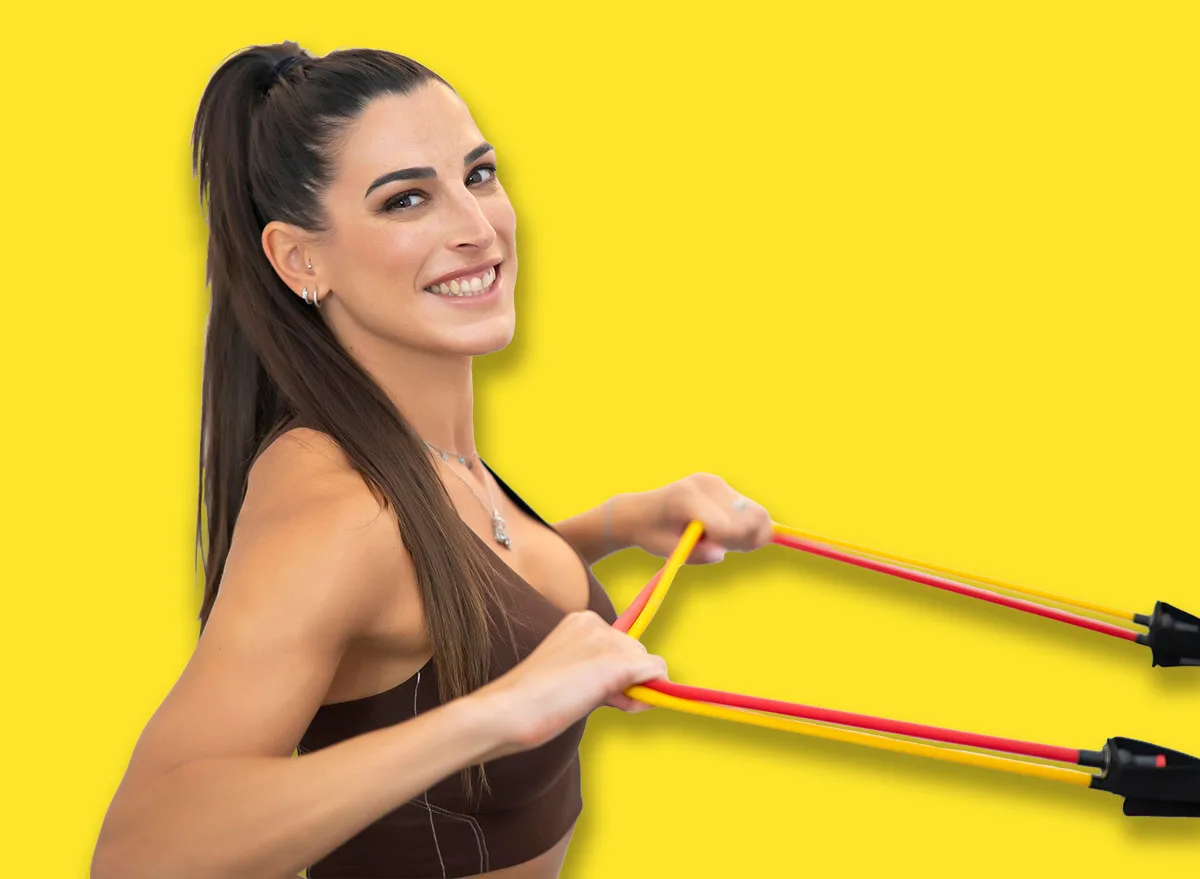
2. Resistance Band Rows
Resistance band rows are an excellent antidote to the rounded-shoulder posture often developed from prolonged sitting. This exercise specifically targets the latissimus dorsi (lats), lower trapezius, and rhomboid muscles, all crucial for upper back strength and postural alignment. To perform, secure a resistance band to an anchor point at chest height. Stand facing the anchor, holding an end of the band in each hand with arms extended forward. Pull both hands toward the ribcage, focusing on squeezing the shoulder blades together at the apex of the movement. Maintain a stable core and avoid shrugging the shoulders towards the ears. The controlled pulling motion strengthens the muscles responsible for retracting the shoulders, counteracting the forward slump. A significant advantage is that this exercise can be easily adapted and performed while seated, making it highly accessible for individuals with varying mobility levels. Strengthening these muscles improves posture, reduces neck and shoulder tension, and enhances the ability to perform pulling motions in daily life.
3. Standing Glute Kickbacks
Standing glute kickbacks are highly effective for activating and strengthening the gluteal muscles (gluteus maximus and medius) and hamstrings, while also engaging the lumbar stabilizers to maintain balance. The glutes are often underactive due to sedentary lifestyles, and strengthening them is vital for supporting the lower back and improving hip extension, which is fundamental for walking, climbing stairs, and standing upright. To perform, stand tall, holding onto a stable support (like a wall or chair) for balance. Keeping the core engaged and the spine neutral, slowly extend one leg straight backward, squeezing the glute of the working leg. Focus on the contraction of the glute rather than simply swinging the leg. Avoid arching the lower back excessively. Return the leg to the starting position in a controlled manner. Alternate legs. This movement directly addresses gluteal weakness, improving hip mobility and contributing significantly to lower back stability and overall balance. Ankle weights or a resistance band around the ankles can be added for increased challenge.
4. Wall Pushups
Wall pushups offer a modified, yet highly effective, way to build upper body strength, targeting the chest (pectoral muscles), shoulders (deltoids), and arms (triceps). This exercise is particularly valuable for older adults as it provides a safe and scalable alternative to traditional floor pushups, reducing the load on joints and minimizing the risk of injury. To perform, stand facing a sturdy wall, placing your hands on the wall slightly wider than shoulder-width apart and at chest height. Step your feet back a comfortable distance, ensuring your body forms a straight line from head to heels. Inhale as you slowly bend your elbows, lowering your chest towards the wall. Exhale as you push back to the starting position, engaging your chest and arm muscles. This functional movement strengthens the muscles crucial for pushing tasks, such as getting up from a chair, opening heavy doors, or pushing a shopping cart, thereby enhancing daily independence and upper body endurance. The intensity can be adjusted by moving the feet closer to or further away from the wall.
5. Chair Squats
Chair squats are a highly functional exercise that effectively builds strength in the legs (quadriceps, hamstrings), glutes, and core. As Josh York notes, they serve as a modified version of the standard squat, making them accessible and beneficial for improving the strength and stability required for everyday movements. To execute, stand in front of a sturdy chair with your feet hip-width apart. Keeping your chest up and core engaged, slowly lower your body as if you are going to sit down, allowing your hips to hinge backward. Gently touch the chair with your glutes, or sit completely if needed, then drive through your heels to stand back up to the starting position, squeezing your glutes at the top. The chair acts as a safety net and provides a target, ensuring proper depth and form. This exercise directly mimics the essential movement of sitting down and standing up, improving lower body power, endurance, and balance, which are critical for navigating daily life safely and independently. Holding a light weight to the chest or performing the movement more slowly can increase the challenge.
In conclusion, a dedicated approach to strengthening the back and core is an investment in long-term health and independence for adults over 55. By understanding the unique physiological changes and embracing accessible, functional exercises like standing hip hinges, resistance band rows, standing glute kickbacks, wall pushups, and chair squats, individuals can proactively address age-related decline. Consistency is the ultimate determinant of success, and these home-friendly routines remove many barriers to regular physical activity. While these exercises offer significant benefits, it is always prudent to consult with a healthcare professional or a certified fitness expert before embarking on any new exercise regimen, especially if there are pre-existing health conditions. Prioritizing spinal resilience through thoughtful and consistent movement empowers individuals to maintain their vitality, freedom, and an active lifestyle for years to come.
About the Author