As individuals progress beyond the age of 55, maintaining physical vitality often becomes a paramount concern. One of the most significant physiological shifts associated with aging is sarcopenia, the progressive and involuntary loss of skeletal muscle mass, strength, and function. This natural decline can begin as early as one’s 30s but accelerates significantly after 50, leading to reduced metabolic rate, decreased balance, heightened risk of falls, and a diminished capacity for performing everyday activities. The conventional wisdom often points to strenuous gym workouts and heavy machinery as the primary solution, yet for many older adults, such environments present considerable barriers, including transportation logistics, perceived intimidation, or physical discomfort with complex equipment. However, a growing body of evidence, supported by insights from experienced strength coaches, suggests that highly effective muscle-toning and strength-building routines can be seamlessly integrated into one’s daily life, starting right from the comfort of their own bed.
The concept of a "bed-based workout" addresses the crucial element of accessibility, transforming what might otherwise be a daunting task into an effortless habit. For many, the greatest obstacle to consistent physical activity isn’t a lack of desire, but rather the friction associated with initiation. By performing a targeted set of movements before even rising, individuals can bypass the psychological and logistical hurdles, ensuring that movement becomes an ingrained part of their morning ritual. This proactive approach helps to "wake up" the neuromuscular system, enhancing blood flow, lubricating joints, and sending vital signals to muscles to remain active and responsive. A short, focused routine performed on a mattress can serve as a potent catalyst for improved stability, enhanced muscle tone, and an overall sense of preparedness for the day ahead, all without the need for specialized apparatus.
The physiological benefits of consistent strength training for individuals over 55 extend far beyond mere aesthetics. Regular engagement in resistance exercises plays a critical role in mitigating the effects of sarcopenia, preserving bone density (thereby reducing osteoporosis risk), improving glucose metabolism, and fostering better balance and coordination. This, in turn, translates into a higher quality of life, greater independence, and a reduced likelihood of injuries from falls. The exercises detailed below are meticulously chosen to target major muscle groups responsible for functional movement, focusing on the core, hips, and lower body. They emphasize controlled, deliberate movements, making them ideal for individuals who prioritize joint health and stability.
Reinvigorating the Posterior Chain: The Glute Bridge
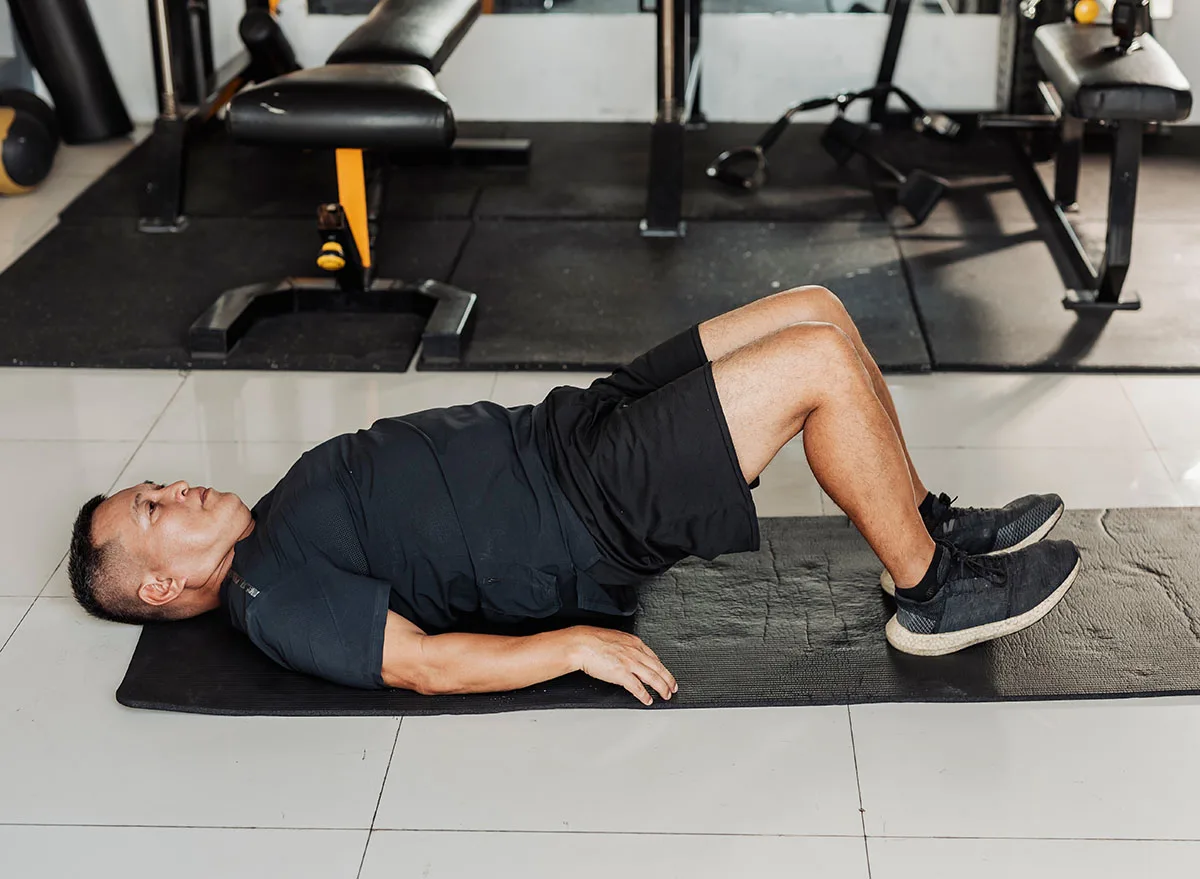
One of the foundational exercises for cultivating lower body strength and improving hip function is the glute bridge. This movement primarily activates the gluteal muscles (glutes) and hamstrings, which collectively form the posterior chain. In an increasingly sedentary world, many individuals, particularly those who spend extended periods seated, experience "gluteal amnesia," where these crucial muscles become underactive. The glute bridge directly counters this by encouraging powerful hip extension, a movement pattern fundamental to walking, climbing stairs, and standing upright. Beyond strengthening the glutes, this exercise also engages the core stabilizers, providing essential support to the lower back and pelvis. Regular practice can significantly contribute to rebuilding lower-body muscle tone, enhancing hip power, and improving overall spinal health.
To execute a glute bridge effectively from your bed, lie flat on your back with your knees bent and feet flat on the mattress, hip-width apart. Ensure your heels are relatively close to your glutes. With your arms resting by your sides, press through your heels, engaging your glutes to lift your hips off the bed until your body forms a straight line from your shoulders to your knees. Concentrate on squeezing your glutes firmly at the apex of the movement. Hold this peak contraction briefly before slowly lowering your hips back to the starting position with control. Aim for three sets of 12 to 15 repetitions, incorporating a 45-second rest period between sets. For added challenge, consider variations like a single-leg glute bridge, which intensifies the demand on each side, or a pause glute bridge, where you hold the top position for several seconds. The key form tip is to initiate the movement by driving through your heels and consciously contracting your glutes rather than relying on your lower back.
Cultivating Core Stability: The Dead Bug
Often underestimated, the "dead bug" exercise is a highly effective movement for strengthening the deep core muscles, particularly the transverse abdominis, which acts like a natural corset to stabilize the spine. Unlike more dynamic abdominal exercises, the dead bug focuses on anti-extension and anti-rotation, teaching the core to maintain a stable spine while the limbs move independently. This coordinated, alternating arm and leg motion significantly enhances intra-abdominal pressure and strengthens the entire abdominal wall, crucial for preventing lower back pain and improving postural integrity. Performing this exercise on a forgiving surface like a bed allows for a heightened focus on slow, deliberate control, promoting a stronger mind-muscle connection.
To perform the dead bug, lie on your back with your knees bent at a 90-degree angle, directly above your hips, and your shins parallel to the bed. Extend your arms straight towards the ceiling, aligning them with your shoulders. The critical element is to maintain a constant, light pressure of your lower back against the mattress throughout the exercise. As you exhale, slowly extend one arm backward towards the bed while simultaneously straightening the opposite leg towards the foot of the bed, ensuring both limbs hover just above the surface. Inhale as you return the limbs to the starting position with control. Alternate sides, performing 10 to 12 repetitions per side for three sets, resting 45 seconds between each set. Variations include the heel tap dead bug, where the heel gently touches the bed, or incorporating a slower tempo to increase time under tension. The paramount form tip is to prevent your lower back from arching away from the mattress at any point during the movement.
Strengthening Lateral Hip Stability: Side-Lying Leg Raises
The side-lying leg raise is an excellent exercise for targeting the outer hip muscles, specifically the gluteus medius and minimus, which are vital for hip abduction and external rotation. These muscles play a fundamental role in maintaining pelvic stability during walking, running, and standing on one leg. Weakness in these areas can contribute to poor balance, an increased risk of falls, and even knee pain. By strengthening the hip abductors, this exercise directly improves gait mechanics, enhances overall lower-body muscle tone, and fosters greater stability throughout the lower kinetic chain. The controlled, smooth lift also encourages the hips to move through a healthy range of motion, improving joint mobility.
To perform side-lying leg raises, lie on your side with your body in a straight line, supported by your bottom arm or propped up on your forearm. Ensure your hips are stacked one directly above the other, preventing any backward lean. Keeping your top leg straight and foot flexed, slowly lift it towards the ceiling, leading with your heel, until you feel a strong contraction in your outer hip. Avoid lifting so high that your hips begin to tilt backward. Pause briefly at the top of the movement, then lower your leg back down with control, without allowing it to fully rest on the bottom leg. Perform three sets of 12 to 15 repetitions per leg, with a brief 30-second rest between sets. Consider variations such as adding a resistance band around your thighs for increased challenge, or performing small pulse raises at the top of the movement. The key form tip is to keep your hips consistently stacked and resist the urge to lean backward, which can diminish the effectiveness on the target muscles.
Mobilizing the Hips and Engaging the Core: Supine Knee Tucks
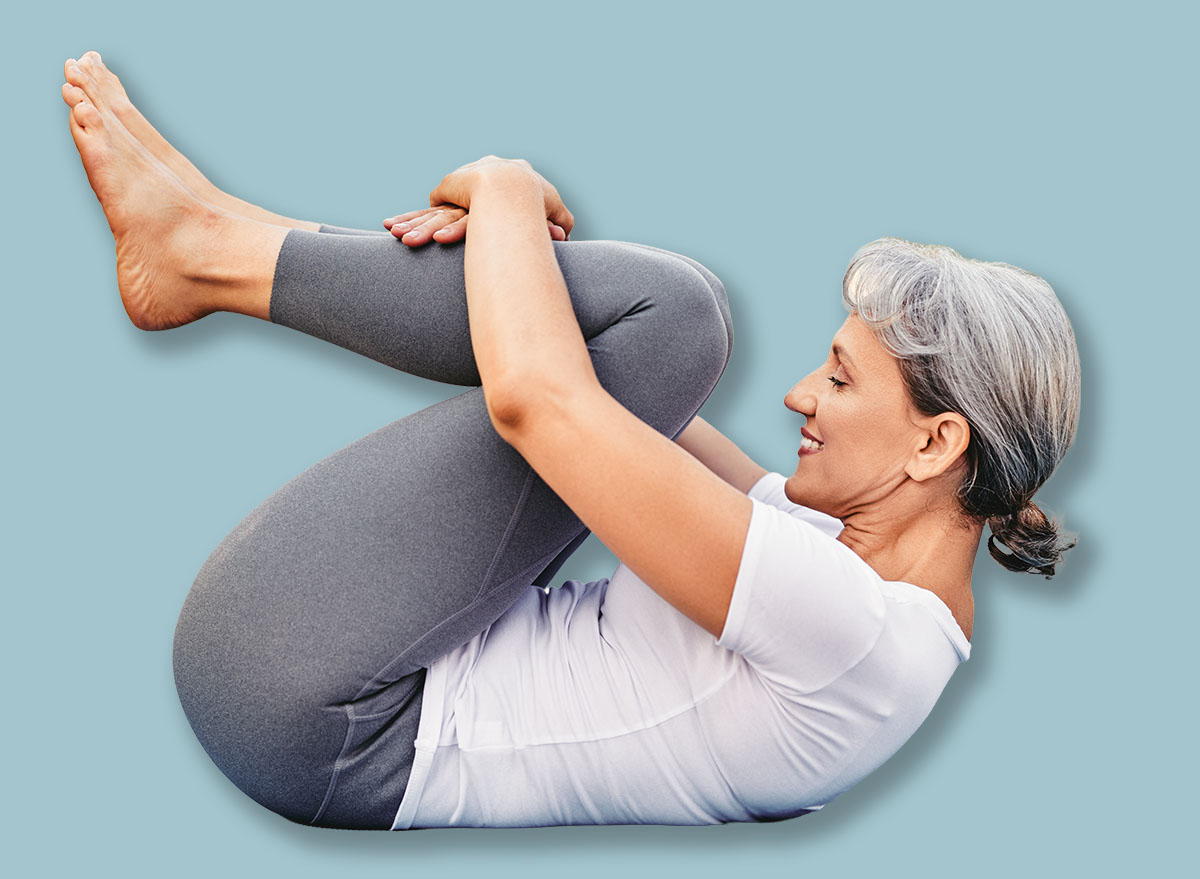
The supine knee tuck is a versatile exercise that simultaneously strengthens the rectus abdominis (the "six-pack" muscle) and improves hip flexor mobility. The action of drawing the knees towards the chest actively engages the core musculature while promoting a healthy range of motion in the hip joints. This movement is beneficial for strengthening the muscles that support the midsection, contributing to improved posture and reducing stiffness in the lower back. Furthermore, the controlled, rhythmic motion enhances coordination between the hips and the core, which is essential for dynamic stability in daily life. Regular practice of knee tucks can help restore muscle tone across the abdominal region and enhance overall functional core strength.
To execute supine knee tucks, lie flat on your back with your legs extended straight. You can place your hands gently behind your head or by your sides for support. Engaging your abdominal muscles, slowly draw both knees towards your chest, allowing your hips to lift slightly off the bed. Aim to bring your knees as close to your chest as comfortably possible, feeling a contraction in your core and a stretch in your lower back. Hold this position for a moment, then slowly extend your legs back to the starting position with control, ensuring your core remains engaged throughout the entire movement to prevent your lower back from arching. Perform three sets of 10 to 12 repetitions, resting for 45 seconds between sets. For variation, try alternating knee tucks, bringing one knee in at a time, or incorporating a slower tempo to maximize muscle engagement. The crucial form tip is to move deliberately and maintain a constant engagement of your core muscles, avoiding any jerky movements that could strain the back.
Beyond the Bed: A Holistic Approach to Muscle Health Post-55
While these bed-based exercises provide an excellent foundation for regaining muscle tone and improving functional strength, optimizing results after 55 requires a more comprehensive approach. Consistency is paramount; small, regular efforts yield far greater long-term benefits than sporadic, intense bursts. These movements are designed for daily or near-daily practice. As strength improves, consider progressive overload by increasing repetitions, slowing down the tempo of each movement, or incorporating slight pauses at the point of maximum contraction.
Furthermore, nutrition plays a pivotal role in muscle maintenance and growth. Adequate protein intake is critical for muscle protein synthesis, especially as we age. Aim for lean protein sources at each meal, such as poultry, fish, eggs, legumes, and dairy. Hydration is equally important for muscle function, joint lubrication, and overall cellular health. Prioritize consuming sufficient water throughout the day. Finally, quality sleep is non-negotiable for muscle repair and recovery, allowing the body to rebuild and strengthen in response to exercise. Listening to your body, respecting its limitations, and consulting with a healthcare professional or certified fitness expert before starting any new exercise regimen is always advisable. By integrating these accessible, effective exercises with a mindful approach to lifestyle, individuals over 55 can significantly enhance their physical capabilities, promote healthy aging, and enjoy a more active, independent life.
About the Author