The remarkable trajectory of human evolution has been inextricably linked to the burgeoning size and intricate complexity of our brains. This profound cognitive expansion, a hallmark of our species, has long presented scientists with a multifaceted puzzle regarding its underlying developmental triggers and evolutionary pressures. Recent groundbreaking research now suggests a surprising, yet deeply embedded, connection between an individual’s prenatal hormonal environment and the early development of cranial capacity, offering a novel perspective on how our most defining organ came to be. This innovative study, spearheaded by Professor John Manning from Swansea University’s Applied Sports, Technology, Exercise and Medicine (A-STEM) research team, in collaboration with anthropologists from Istanbul University, points to an unexpected indicator: the relative lengths of our fingers.
At the heart of this revelation lies the concept of the "digit ratio," specifically the 2D:4D ratio, which compares the length of the index finger (second digit) to the ring finger (fourth digit). For decades, scientific inquiry into this seemingly innocuous anatomical feature has revealed its profound significance as a subtle yet potent biomarker. It is understood that this ratio is not merely a random variation but rather a persistent physical manifestation of the balance between prenatal estrogen and testosterone to which a fetus is exposed during a critical window of development, primarily the first trimester of pregnancy. When the embryonic environment is characterized by a relatively higher concentration of estrogen compared to testosterone, the index finger tends to develop longer than the ring finger, resulting in a higher 2D:4D ratio. Conversely, a lower ratio, where the ring finger is proportionally longer, indicates greater prenatal androgen (testosterone) exposure.
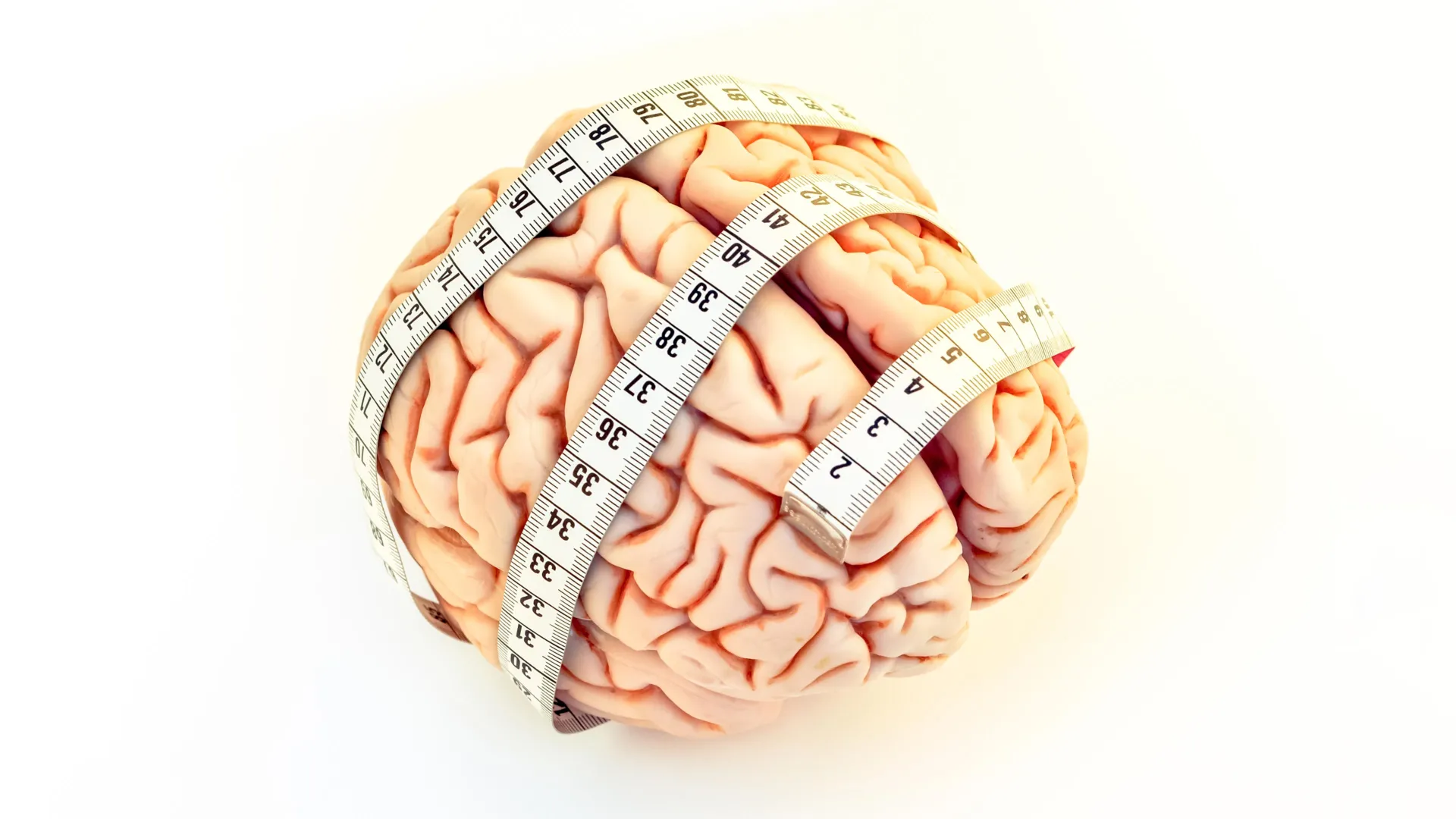
The latest findings, meticulously documented in the journal Early Human Development, delve into the direct implications of this prenatal hormonal fingerprint on early human growth. The research team embarked on a comprehensive investigation involving a cohort of 225 newborn infants, comprising 100 boys and 125 girls. Their objective was to correlate the individual digit ratios of these newborns with their head circumferences at birth. Head circumference, a widely accepted and readily measurable anthropometric parameter, serves as a robust proxy for brain size and is, in turn, strongly associated with subsequent cognitive development and intelligence measures later in life. This careful methodology allowed the researchers to draw compelling conclusions about the developmental consequences of early hormonal milieu.
A striking pattern emerged from the data, particularly within the male subjects. The study revealed a statistically significant association in boys: those exhibiting a higher 2D:4D ratio – indicative of greater prenatal estrogen exposure – were consistently born with larger head circumferences. This direct correlation suggests a crucial role for early estrogenic influence in shaping the structural development of the male brain during its formative stages. Intriguingly, this specific relationship between digit ratio and head circumference was not observed in the female newborns, highlighting a potential sex-specific pathway in the developmental effects of prenatal hormones on brain size, a phenomenon often observed in biological systems.
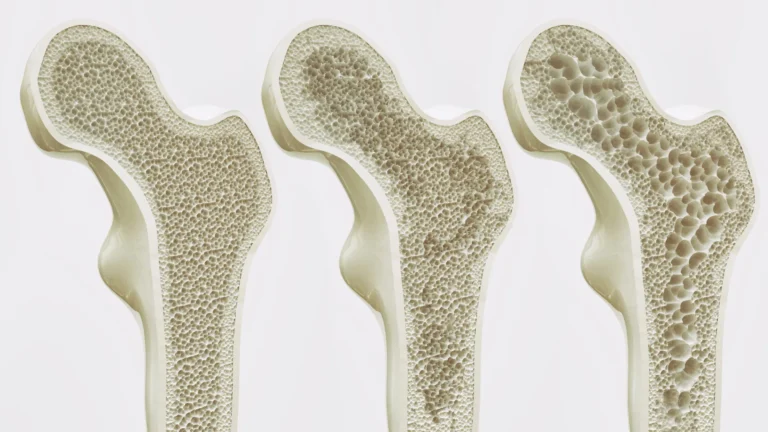
Professor Manning underscores the broader evolutionary resonance of these findings, connecting them to the long-standing "estrogenized ape hypothesis." This hypothesis posits that the dramatic increase in human brain size throughout our evolutionary history was accompanied by, and perhaps intrinsically linked to, a process of "feminization" of the skeleton. This suggests that the very hormonal milieu that may have facilitated larger brains also had wider phenotypic effects, influencing bone structure and other physiological characteristics. The implications extend beyond mere anatomical shifts, hinting at a complex web of evolutionary trade-offs. While the expansion of brain capacity conferred unparalleled adaptive advantages, enabling complex thought, language, and tool use, the study suggests that this evolutionary drive may have come at a biological cost, particularly for males.
The research points to a paradoxical duality where the evolutionary pressure for larger brains, potentially driven by prenatal estrogen, might inadvertently contribute to certain vulnerabilities in males. Previous research, some also conducted by Professor Manning, has consistently linked higher 2D:4D ratios in males – again, indicating greater prenatal estrogen exposure – to an elevated susceptibility to a range of health challenges. These include an increased incidence of cardiovascular problems, diminished sperm counts leading to issues of male infertility, and a heightened predisposition to complex neurological conditions such as schizophrenia. Therefore, the very mechanisms that propelled our species toward greater intelligence might simultaneously introduce a biological burden, leading to what Manning terms a "reduction in male viability" in specific contexts. The evolutionary calculus, in this view, balances the immense benefits of enhanced cognitive function at the species level against the individual biological compromises incurred.
The significance of the digit ratio extends far beyond this recent discovery. Professor Manning’s extensive body of prior work has consistently demonstrated the 2D:4D ratio’s utility as a window into an individual’s developmental history and its subsequent impact on a wide array of human traits and behaviors. His earlier investigations have illuminated correlations between finger length ratios and diverse outcomes, ranging from patterns of alcohol consumption and individual variations in recovery trajectories following Covid-19 infection, to nuanced differences in oxygen utilization efficiency among elite football players. These cumulative studies underscore that this simple, readily observable anatomical trait serves as a remarkably powerful, lifelong indicator of the profound and enduring influences exerted by the early prenatal hormonal environment. It speaks to the concept of developmental programming, where conditions in utero can set long-term physiological and psychological trajectories.
This growing body of evidence strongly reinforces the notion that prenatal estrogen plays a multifaceted and crucially positive role in sculpting the evolutionary architecture of the human brain. While acknowledging the potential biological costs, particularly for male viability, the overarching message is one of an evolutionary driver. The intricate interplay of hormones during the earliest stages of life lays down a fundamental blueprint that not only dictates physical development but also profoundly influences neurological structure and, by extension, cognitive potential.
Looking ahead, this research opens numerous avenues for future investigation. Scientists will likely delve deeper into the precise molecular mechanisms through which prenatal estrogen influences neural proliferation and connectivity. Longitudinal studies following these newborns into adulthood could provide invaluable insights into the long-term cognitive and health outcomes associated with specific digit ratios. Furthermore, understanding the interplay of genetic predispositions with these early hormonal influences will be critical for a more complete picture. The implications extend to fields from developmental biology to evolutionary anthropology and even personalized medicine, offering a potential early biomarker for assessing certain predispositions.
In essence, this latest study adds a crucial layer to our understanding of human development and evolution. It vividly illustrates how an seemingly minor anatomical detail, the ratio of finger lengths, can serve as a powerful biological echo of our earliest days, reflecting the delicate hormonal symphony that orchestrated the development of our most complex organ. It is a testament to the intricate and often surprising ways in which the forces of evolution leave their indelible mark on every aspect of our being, balancing profound advantages with subtle, yet significant, biological trade-offs.
About the Author