A groundbreaking development in cardiovascular medicine has unveiled a promising new therapeutic pathway for individuals grappling with hypertension that remains stubbornly elevated despite conventional pharmacological interventions. Clinical trial results for a novel compound, baxdrostat, indicate its capacity to substantially lower blood pressure in a patient population historically underserved by existing treatments, offering a beacon of hope for millions worldwide. These findings, stemming from a comprehensive Phase III study, underscore a significant advance in the understanding and management of complex hypertensive conditions.
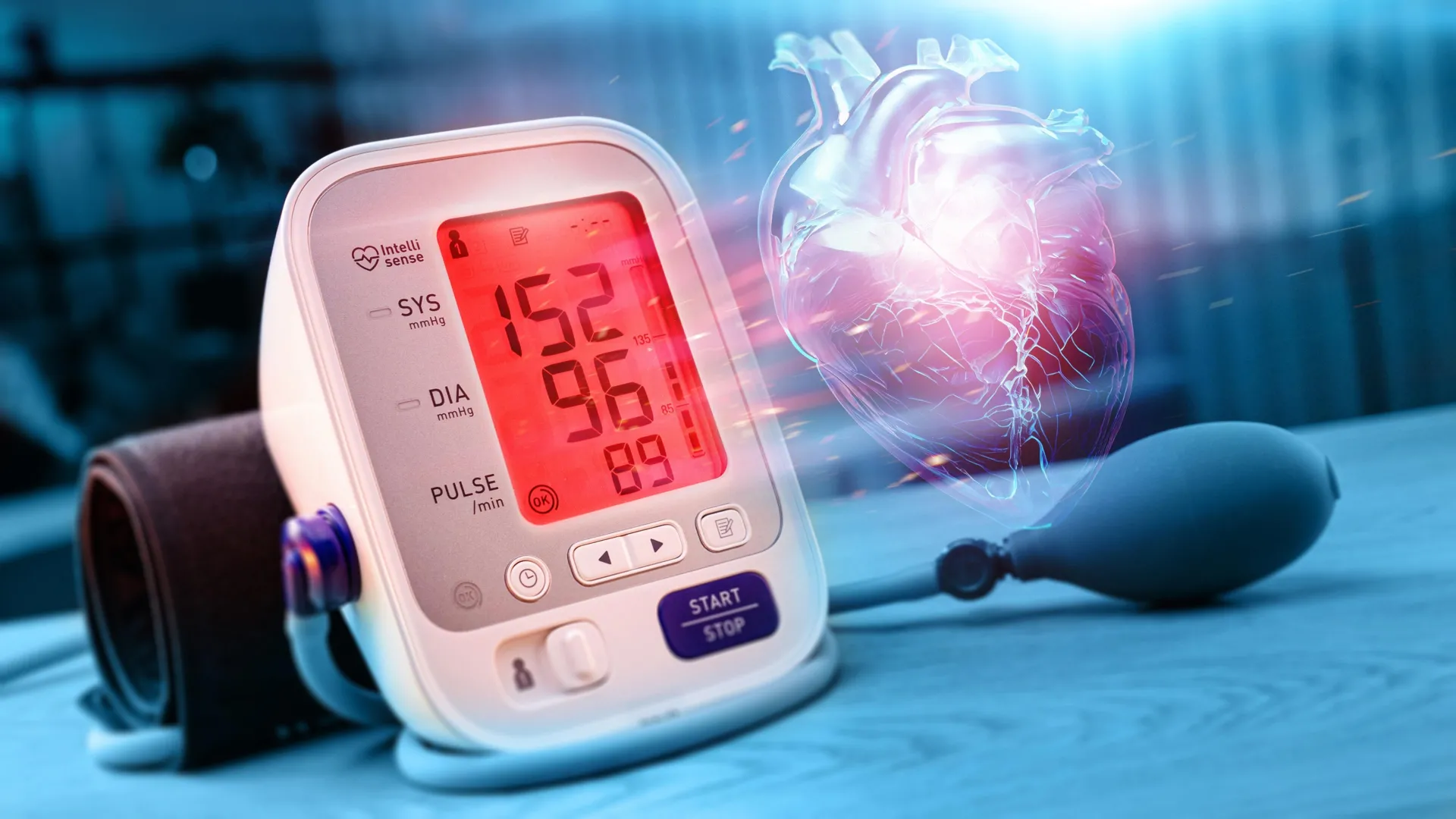
Hypertension, commonly known as high blood pressure, constitutes one of the most pervasive global health challenges, affecting an estimated 1.3 billion individuals across the globe. Its insidious nature often earns it the moniker "silent killer," as it frequently presents without overt symptoms while progressively damaging vital organs. Left unmanaged, persistently elevated arterial pressure dramatically escalates the risk of severe cardiovascular events, including myocardial infarction (heart attack), cerebrovascular accident (stroke), chronic kidney disease, and premature mortality. Alarmingly, nearly half of all diagnosed hypertension cases worldwide are either inadequately controlled or demonstrate poor responsiveness to standard therapeutic regimens, exacerbating the already considerable health burden. In nations like the United Kingdom, approximately 14 million people are currently living with this condition, many of whom struggle to achieve target blood pressure levels.
The recently concluded international BaxHTN trial, a pivotal Phase III clinical investigation, focused on evaluating the efficacy and safety of baxdrostat. This orally administered medication represents a new frontier in the battle against refractory hypertension. Orchestrated under the leadership of Professor Bryan Williams from the UCL Institute of Cardiovascular Science and supported by funding from AstraZeneca, the study enlisted nearly 800 participants across 214 medical centers spanning various continents. Research support from the NIHR Biomedical Research Centre at UCLH further bolstered the rigorous scientific framework of the trial. The compelling outcomes of this extensive investigation were formally unveiled at the prestigious European Society of Cardiology (ESC) Congress 2025 held in Madrid and concurrently published in the esteemed New England Journal of Medicine, signifying their profound scientific and clinical importance.
The mechanism of action underpinning baxdrostat’s therapeutic effect represents a targeted approach to a fundamental physiological pathway. Blood pressure regulation is intricately linked to a complex neurohormonal system, with the hormone aldosterone playing a critical role in maintaining fluid and electrolyte balance within the body, particularly sodium and water levels. In a substantial subset of individuals, particularly those with difficult-to-control hypertension, the body produces an excessive amount of aldosterone. This pathological overproduction leads to increased reabsorption of sodium and water by the kidneys, which, in turn, expands blood volume and constricts blood vessels, resulting in chronically elevated blood pressure that is resistant to conventional antihypertensive agents. While scientists have long recognized the detrimental effects of aldosterone excess and sought to modulate its activity, developing highly specific and effective inhibitors has proven challenging. Baxdrostat directly addresses this imbalance by selectively blocking the enzyme aldosterone synthase, which is responsible for the final step in aldosterone biosynthesis within the adrenal glands. By inhibiting the production of this key hormone, baxdrostat effectively reduces its deleterious effects on blood pressure, thereby tackling a root cause of hypertension in many patients.
The clinical findings from the BaxHTN trial were remarkably positive. After a 12-week treatment period, patients receiving baxdrostat, administered once daily at either a 1 mg or 2 mg dose, exhibited an average reduction in systolic blood pressure of approximately 9 to 10 mmHg greater than those assigned to the placebo group. This magnitude of blood pressure reduction is considered clinically highly significant, correlating directly with a substantial decrease in the lifetime risk of major cardiovascular events. Furthermore, the trial demonstrated a notable improvement in the proportion of patients achieving healthy blood pressure targets: approximately 40 percent of individuals in the baxdrostat treatment arms successfully brought their blood pressure within the desired range, a stark contrast to fewer than 20 percent in the placebo cohort.
Professor Williams, who also holds the Chair of Medicine at UCL and presented these pivotal results at the ESC Congress, articulated the profound implications of these findings. He emphasized that achieving nearly a 10 mmHg reduction in systolic blood pressure with baxdrostat in a Phase III trial of patients with resistant hypertension is not merely exciting but represents a critical leap forward. Such a reduction is unequivocally linked to a significantly diminished likelihood of developing life-threatening complications like heart attacks, strokes, heart failure, and kidney disease. He further elaborated that these findings constitute an important advance not only in treatment modalities but also in deepening the medical community’s understanding of the underlying etiologies contributing to difficult-to-control hypertension.
The challenge of uncontrolled hypertension is pervasive, with Professor Williams noting that the commonly cited statistic of "around half of people treated for hypertension do not have it controlled" is likely a conservative estimate. He highlighted that the target blood pressure levels considered optimal for patient health have progressively lowered over time, making effective control an even more stringent objective. The sustained reductions in systolic blood pressure observed with baxdrostat, persisting up to 32 weeks, coupled with an absence of unanticipated safety concerns, strongly suggest that pathological aldosterone activity plays a crucial and often underappreciated role in millions of patients struggling with refractory hypertension. This new understanding opens up novel avenues for more personalized and effective treatment strategies in the future.
The global landscape of hypertension has undergone a notable transformation over recent decades. Historically, higher prevalence rates were predominantly concentrated in affluent Western nations. However, shifts in dietary patterns, including the paradoxical increase in processed food consumption in some regions despite public health efforts to reduce salt intake, alongside rapid urbanization and lifestyle changes, have repositioned the epicentre of the global hypertension burden. Today, a disproportionately large number of cases are found in Eastern and lower-income countries. Asia, for instance, now accounts for more than half of all individuals living with hypertension globally, with staggering figures such as 226 million affected in China and 199 million in India. This demographic shift underscores the urgent need for scalable and effective treatment options that can be deployed across diverse healthcare systems.
The potential societal impact of baxdrostat is immense. Professor Williams projects that this novel pharmaceutical agent could conceivably benefit up to half a billion people worldwide, particularly those who have exhausted existing treatment options. Within the United Kingdom alone, as many as 10 million individuals could stand to gain from this new therapy, especially when considering the more stringent optimal blood pressure targets now recommended by clinical guidelines. This therapeutic breakthrough offers a renewed sense of optimism for improving cardiovascular health outcomes on a global scale, providing a targeted intervention for a widespread and often debilitating condition that has, until now, remained stubbornly resistant to many therapeutic efforts. As regulatory approvals are pursued, the medical community eagerly anticipates the integration of baxdrostat into clinical practice, heralding a new era in the management of complex hypertension.
About the Author