A recent scientific investigation has cast a concerning light on the persistent environmental legacy of Brazil’s catastrophic Fundão dam collapse, revealing the presence of potentially harmful levels of lead and cadmium in staple food crops grown along the Doce River estuary. This interdisciplinary study, a collaborative effort by researchers from the University of São Paulo (USP), the Federal University of Espírito Santo (UFES) in Brazil, and the University of Santiago de Compostela in Spain, specifically highlights a significant health risk for young children consuming bananas cultivated in the affected regions. The findings underscore the protracted and complex challenges posed by large-scale industrial disasters, extending far beyond the immediate aftermath into the very food supply of local communities.
The disaster in question, often referred to as the Mariana disaster, occurred in November 2015 when the Fundão tailings dam, operated by Samarco Mineração S.A. (a joint venture between Vale S.A. and BHP Billiton), ruptured in Mariana, Minas Gerais. This catastrophic event unleashed an estimated 60 million cubic meters of mining waste – primarily a slurry of iron ore tailings – across hundreds of kilometers. The toxic torrent obliterated villages, decimated ecosystems, and transformed the Doce River into a vast plume of reddish-brown sludge as it flowed eastward, eventually reaching the Atlantic Ocean in Espírito Santo. Recognized as Brazil’s largest environmental catastrophe, its immediate impacts included numerous fatalities, widespread displacement, and the severe degradation of one of the country’s most vital river systems, disrupting the livelihoods of countless individuals reliant on fishing and agriculture.
Years after the initial devastation, the scientific community continues to grapple with the long-term implications of this environmental tragedy. The research team, comprising experts in soil science, environmental engineering, and public health, initiated their investigation with a fundamental, yet critical, question: did the contamination permeating the soil and water pose a tangible risk to human health through the food chain? Professor Tiago Osório, an agronomist from the Department of Soil Science at USP’s Luiz de Queiroz College of Agriculture (ESALQ-USP), recalled the urgency of their early work: "Our group has been studying the impacts of the dam collapse for years. We obtained the first samples seven days after the accident and immediately understood that there was an imminent risk of contamination of plants, soil, water, and fish. But the question remained: Does this contamination pose a risk to human health?"
To address this crucial inquiry, the researchers concentrated their efforts on specific agricultural products—bananas, cassava, and cocoa pulp—cultivated in areas of Linhares, Espírito Santo, that had been inundated by the mining waste. Their objective was to quantify the presence of several potentially toxic elements (PTEs) known to be associated with iron oxides, the primary constituent of the dam tailings. These elements included cadmium, chromium, copper, nickel, and lead. Understanding the mechanisms by which these substances transition from contaminated soil into edible plant tissues and ultimately into the human diet was a central focus of the study, which has been published in the esteemed journal Environmental Geochemistry and Health.
This comprehensive investigation forms a significant part of Amanda Duim’s doctoral research at ESALQ-USP. Her groundbreaking thesis has already yielded seven international publications and garnered considerable recognition, including the prestigious USP Thesis Award in Sustainability and the Capes Thesis Award from the Brazilian Ministry of Education’s Coordination for the Improvement of Higher Education Personnel (CAPES) in 2025. Duim’s work, supported by a doctoral scholarship from FAPESP, stands out for its direct correlation between the movement of PTEs from soil into crops and the subsequent implications for human health. "The iron oxide content in the soil, which is the main constituent of the tailings, correlates with its content in the plant," Duim explained, emphasizing the direct pathway of contamination. "We studied the passage of constituents from the tailings in the soil to the water, and then from the water to the plant, including its leaves and fruits."
The scientific methodology employed was meticulous. Beginning her doctoral research in 2019, Duim initially explored whether certain plant species, both cultivated and native, could aid in the bioremediation of contaminated environments. This led to a deeper understanding of how different species absorb and accumulate PTEs. For the current study, the team carefully collected soil and plant samples from the affected regions. After collection, the plants were thoroughly washed, weighed in their fresh state, then dried and re-weighed. Different parts—roots, stems, leaves, and peeled fruits—were meticulously separated and ground into a fine powder. This "plant powder" was then subjected to a rigorous chemical process involving dissolution in various acids, transforming the solid material into a measurable solution. The concentration of PTEs in this solution was then precisely determined and converted to milligrams per kilogram of dry biomass, providing an accurate measure of contamination within the plant tissues.
The analytical results revealed distinct patterns of metal accumulation among the different crops. In both bananas and cassava, most of the investigated PTEs, with the notable exception of chromium, were found in higher concentrations in the subterranean parts—roots and tubers. Cocoa, however, presented a different profile, exhibiting elevated levels of contaminants in its stems, leaves, and fruits. Particularly concerning was the discovery that copper and lead concentrations in cocoa pulp exceeded the maximum permissible limits established by the Food and Agriculture Organization of the United Nations (FAO), indicating a potential risk even from this less commonly consumed crop.
Upon identifying that certain edible portions of these staple crops contained PTE levels surpassing internationally recognized safety standards, the researchers proceeded to conduct a formal human health risk assessment. This critical phase involved calculating the risk quotient (RQ), risk index (RI), and total risk index (TRI) for individuals consuming bananas, cassava rhizomes, and cocoa pulp. These assessments were conducted separately for two vulnerable demographic groups: children under six years of age and adults over 18. The RQ metric serves to compare an individual’s estimated daily intake of a specific substance against a reference dose considered safe for human consumption. The TRI, on the other hand, is a crucial indicator for determining the potential for non-carcinogenic health risks stemming from cumulative exposure to multiple PTEs, with a value below 1 generally signifying a low risk.
Tamires Cherubin, a health sciences Ph.D. and co-author of the study, highlighted the importance of this careful evaluation. "These elements exist naturally in the environment. We’re exposed to them in lower concentrations. But in the case of a disaster like the one in Mariana, when exposure is expected to increase, we need to exercise extra caution," she stated. The study also considered how bioavailable these elements are, recognizing that specific concentrations can lead to a range of adverse health outcomes, including kidney and heart problems, gastrointestinal discomfort, and lung damage if inhaled, alongside acute effects such as skin irritation and eye problems.
To ensure the realism of their risk assessment, the researchers integrated data on local food consumption patterns from the Brazilian Institute of Geography and Statistics (IBGE). This allowed them to factor in the typical dietary habits of residents, many of whom rely heavily on locally grown produce. Additional considerations included the potential duration of individual exposure, variations in body weight between children and adults, and the latency period required for harmful effects to manifest. Cherubin elaborated on the specific safety thresholds utilized: "According to the reference daily intake doses for contaminants covered by the literature, we consider the limits of 0.05 mg/kg⁻¹ for the presence of cadmium in fruits and 0.1 mg/kg⁻¹ in tubers, 0.5-1.0 mg/kg⁻¹ for the presence of chromium, 20.0 mg/kg⁻¹ for copper, 0.5-1.0 mg/kg⁻¹ for nickel, 0.8-2.3 mg/kg⁻¹ for lead, and 50.0 mg/kg⁻¹ for zinc."
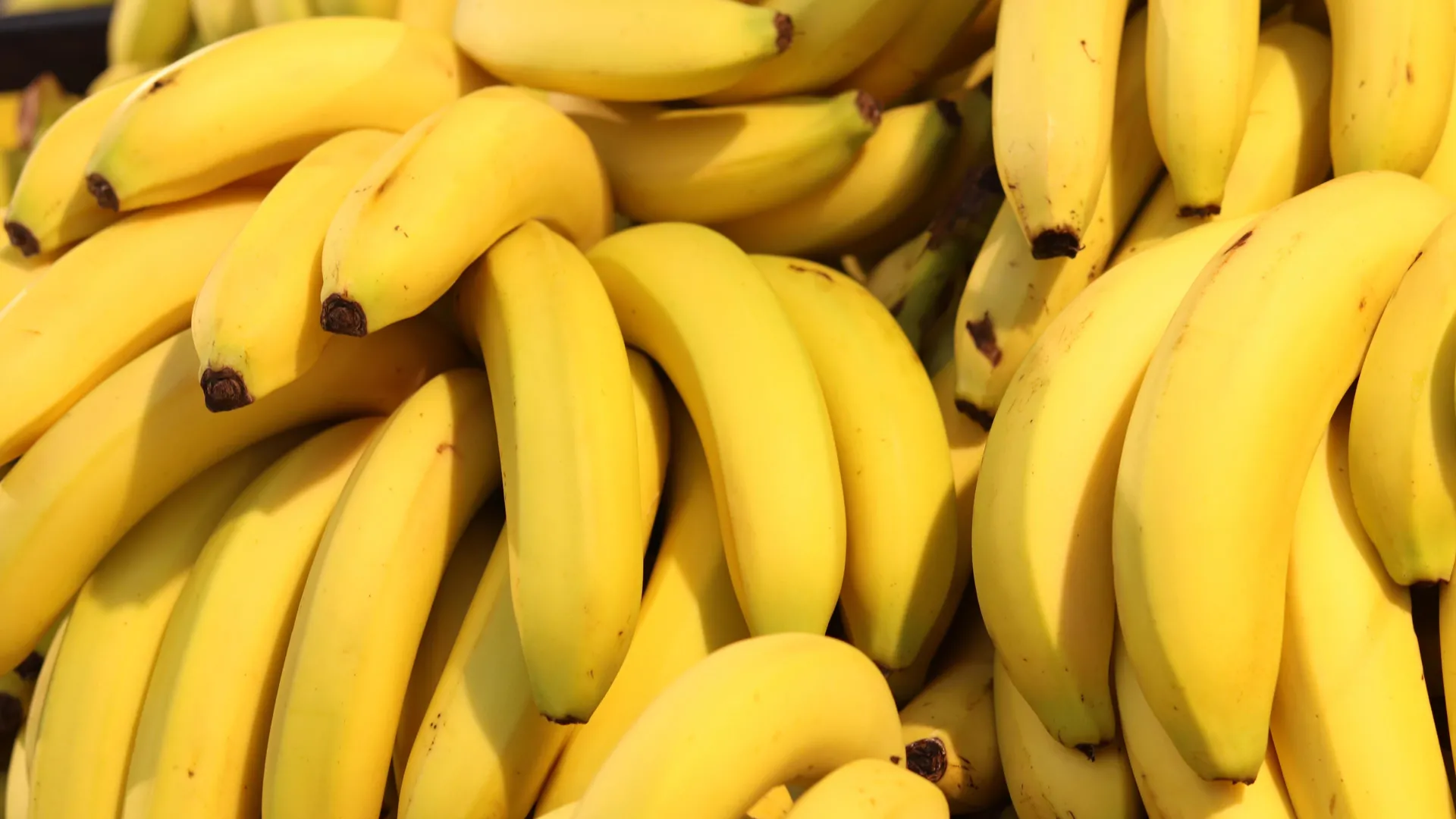
While the majority of TRI values for adults consuming these foods from the Doce River estuary remained below 1, indicating a low non-carcinogenic risk, the findings for children consuming bananas were markedly different. The TRI for bananas consumed by children exceeded 1, a critical threshold signaling potential health concerns. This elevated risk was primarily driven by high lead levels, although cadmium concentrations in bananas also surpassed FAO recommendations. The researchers issued a stark warning regarding lead exposure, emphasizing that even prolonged exposure to low levels can inflict irreversible damage on brain development in children, potentially leading to reduced IQ scores and contributing to attention and behavioral disorders. The vulnerability of children, stemming from their lower body weight, higher food intake relative to body mass, and rapidly developing physiological systems, makes them particularly susceptible to the neurotoxic effects of heavy metals.
Beyond the immediate non-carcinogenic risks, the research team also raised serious long-term concerns regarding cumulative exposure over a lifetime. Cherubin cautioned, "Over time, considering the life expectancy in Brazil of around 75 years, there may be a carcinogenic risk since there’s a possibility of direct and indirect DNA damage." Such chronic exposure to certain PTEs has been linked to genetic damage that can increase the probability of developing various cancers, including those affecting the central nervous system, the digestive tract, and blood-forming tissues. The manifestation of these risks, she added, is ultimately dependent on the human body’s capacity to absorb, metabolize, and excrete these persistent environmental elements.
The findings of this rigorous study serve as a potent reminder that the ecological and public health ramifications of industrial disasters are far-reaching and enduring. The Doce River basin, once a vibrant artery of life, continues to bear the indelible scars of the Fundão dam collapse, necessitating ongoing vigilance, comprehensive monitoring, and sustained remediation efforts. For the affected communities, particularly the most vulnerable—their children—these results underscore the critical need for effective public health interventions, safe food alternatives, and robust environmental policies to safeguard human well-being against the insidious threat of persistent contamination. The long-term health of an entire generation may hinge on the proactive measures taken today to address the toxic legacy of this tragic event.
About the Author