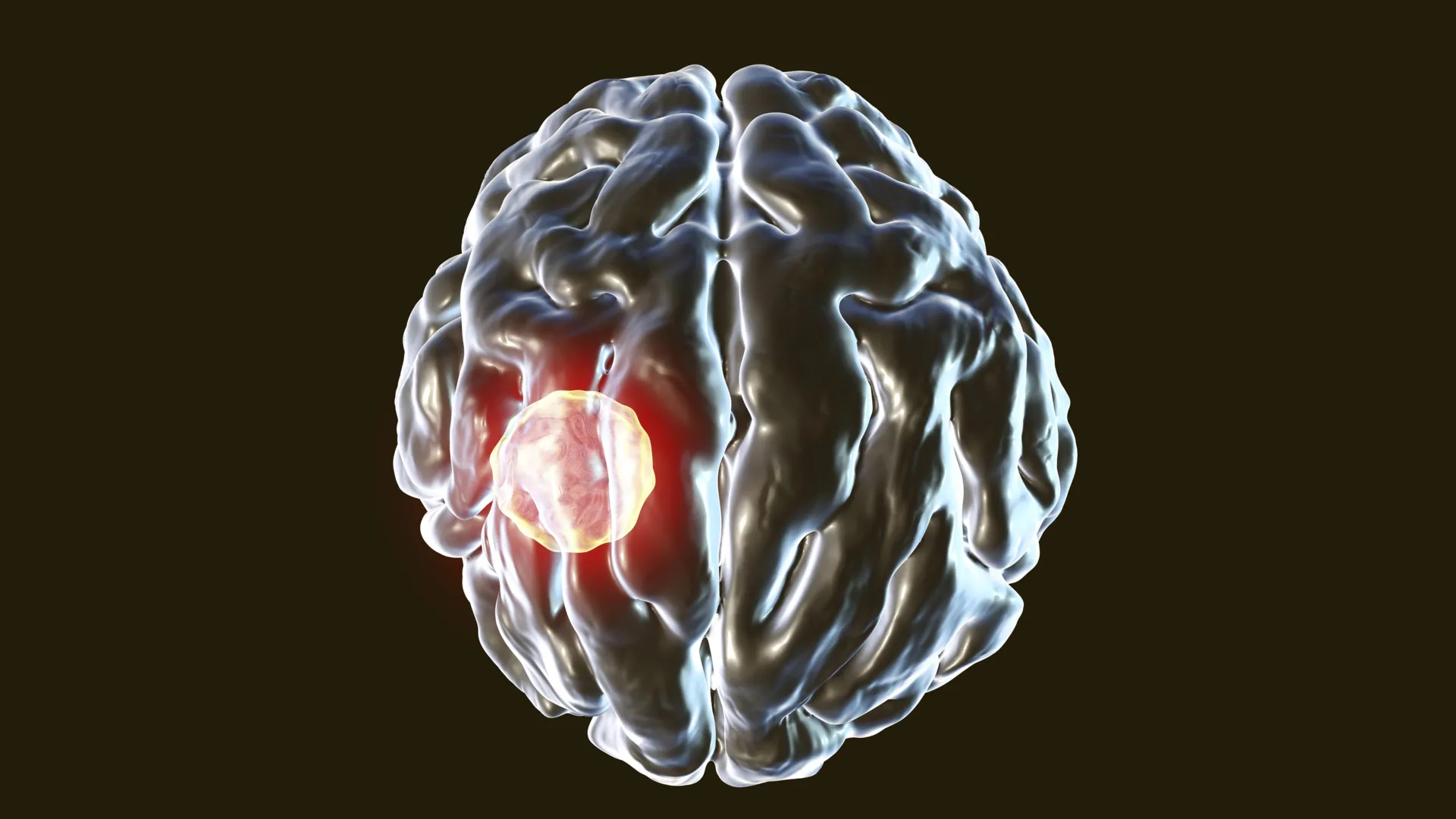
The human body harbors a multitude of microscopic inhabitants, many of which coexist benignly or even beneficially. However, some pose persistent challenges, subtly navigating our biological defenses. Among these silent invaders is Toxoplasma gondii, a protozoan parasite believed to reside within the brains of an estimated one-third of the global population. Despite its widespread presence and an uncanny ability to infiltrate the very immune cells designed to eradicate it, most infected individuals remain asymptomatic. This intriguing paradox has long captivated researchers, prompting investigations into the sophisticated mechanisms by which the body maintains control over this persistent pathogen. Recent groundbreaking research from UVA Health has shed crucial light on this phenomenon, revealing an intrinsic cellular defense system that acts as a decisive internal deterrent.
Toxoplasma gondii is an obligate intracellular parasite, meaning it must live inside the cells of a host to survive and replicate. Its life cycle is complex, involving various warm-blooded animals, with felines acting as the definitive host. Humans commonly acquire the infection through several routes: consuming undercooked meat containing tissue cysts, ingesting contaminated fruits or vegetables, or accidental contact with infected cat feces. Once inside the human body, the parasite can disseminate to various organs before establishing a chronic infection, often within the brain and muscle tissues, where it forms dormant cysts. While typically benign in healthy individuals, toxoplasmosis, the disease caused by the parasite, can be devastating for those with compromised immune systems, such as HIV/AIDS patients, organ transplant recipients, or infants infected congenitally. In these vulnerable populations, the reactivated parasite can lead to severe neurological conditions, including encephalitis, seizures, and other life-threatening complications, underscoring the critical need to understand how the immune system normally keeps it in check.
For years, scientists have recognized the pivotal role of the immune system’s T cells, particularly cytotoxic CD8+ T cells, in mounting a robust defense against T. gondii. These specialized lymphocytes are often referred to as "killer T cells" because their primary function is to identify and destroy cells infected with intracellular pathogens, thereby limiting the spread of infection. They achieve this by recognizing specific antigens presented on the surface of infected cells and then inducing those cells to undergo programmed cell death. However, a perplexing aspect of T. gondii infection emerged: the parasite itself possesses the remarkable ability to infect these very CD8+ T cells. This presented a significant conundrum: if the primary immune responders become hosts themselves, how does the body prevent an overwhelming parasitic proliferation, especially in such a vital organ as the brain?
A research team led by Dr. Tajie Harris, director of the Center for Brain Immunology and Glia (BIG Center) at the University of Virginia School of Medicine, embarked on a mission to unravel this immunological enigma. Their investigations focused on understanding the precise cellular mechanisms that enable the immune system to maintain control even when its frontline defenders are compromised. Their pivotal discovery centered on a powerful enzyme known as Caspase-8, revealing its previously unrecognized importance in safeguarding the brain from T. gondii.
Caspase-8 is a well-established player in the intricate cellular machinery, primarily recognized for its central role in initiating apoptosis, a form of programmed cell death. Apoptosis is a highly regulated process essential for normal development, tissue homeostasis, and the elimination of damaged or unwanted cells. It’s a crucial defense mechanism, for instance, against cancerous cells or virally infected cells. The UVA Health team’s findings now add a critical dimension to Caspase-8’s functions, demonstrating its direct involvement in controlling T. gondii within infected CD8+ T cells.
The mechanism uncovered is elegantly simple yet profoundly effective. When a CD8+ T cell becomes infected by T. gondii, Caspase-8 within that very cell is activated. This activation triggers a cascade of events that leads the infected T cell to undergo apoptosis, effectively committing cellular suicide. For an obligate intracellular parasite like T. gondii, which depends entirely on a living host cell for its replication and survival, the death of its host cell is a definitive end to its lifecycle within that particular cellular compartment. Dr. Harris emphasized the strategic advantage of this defense: "We found that these very T cells can get infected, and, if they do, they can opt to die. Toxoplasma parasites need to live inside cells, so the host cell dying is game over for the parasite." This self-sacrificial act by the T cell prevents the parasite from utilizing the immune cell as a vehicle for replication and further dissemination, particularly within the sensitive environment of the brain.
To rigorously validate their hypothesis, the researchers conducted a series of laboratory experiments using mouse models. They compared the course of T. gondii infection in two groups of mice: one with intact Caspase-8 function in their T cells and another group genetically engineered to lack Caspase-8 specifically within these immune cells. The results were stark and unequivocally demonstrated the enzyme’s critical protective role. Mice whose T cells produced Caspase-8 exhibited robust control over the parasite, maintaining good health despite the infection. In stark contrast, mice lacking Caspase-8 in their T cells developed severe forms of toxoplasmosis, rapidly succumbing to the illness. Post-mortem examination of their brain tissues revealed significantly higher parasite burdens compared to the control group, and a striking increase in the number of CD8+ T cells that were infected by T. gondii. This compelling evidence firmly established Caspase-8 as a crucial limiting factor for parasitic proliferation inside T cells, particularly in the brain.
These findings carry significant implications for understanding the vulnerability of immunocompromised individuals to toxoplasmosis. The severe outcomes observed in mice lacking Caspase-8 in their T cells mirror the devastating effects seen in humans whose immune systems are weakened. It suggests that a compromised immune response might impair the efficient activation or function of this Caspase-8-mediated cellular suicide pathway in T cells. Without this critical internal control, the parasite could exploit the very cells meant to destroy it, leading to unchecked proliferation and severe disease. Therefore, understanding this specific mechanism provides a clearer mechanistic basis for the susceptibility of vulnerable patient populations.
The research also contributes to a broader understanding of the sophisticated strategies employed by the immune system to combat infectious threats. Dr. Harris noted the rarity of pathogens successfully infecting T cells, a observation that now makes more sense in light of Caspase-8’s role. "Prior to our study, we had no idea that Caspase-8 was so important for protecting the brain from Toxoplasma," she stated. This suggests that Caspase-8 might serve as a more general guardian, preventing various pathogens from establishing a foothold within these essential immune cells. Pathogens that do manage to infect T cells might have evolved specific mechanisms to subvert or interfere with Caspase-8 function, a hypothesis that opens new avenues for research into host-pathogen interactions.
Looking ahead, this discovery could pave the way for novel therapeutic interventions. By elucidating the precise molecular pathways involved in controlling T. gondii within T cells, researchers can explore strategies to enhance Caspase-8 activity or bolster this specific immune defense in individuals at high risk. Such advancements could offer improved prophylactic measures or treatments, especially for immunocompromised patients for whom toxoplasmosis remains a significant threat. The work underscores the continuous unveiling of the immune system’s intricate defenses, revealing hidden layers of protection that silently safeguard human health against pervasive microbial challenges.
The detailed findings of this important research were formally published in the esteemed scientific journal Science Advances. The extensive research team included Lydia A. Sibley, Maureen N. Cowan, Abigail G. Kelly, NaaDedee A. Amadi, Isaac W. Babcock, Sydney A. Labuzan, Michael A. Kovacs, Samantha J. Batista, John R. Lukens, and Tajie Harris. The scientists involved in the study confirmed no financial conflicts of interest related to their work. Generous funding for this groundbreaking investigation was provided by multiple grants from the National Institutes of Health, including R01NS112516, R01NS134747, R21NS12855, T32GM008715, T32AI007496, T32AI007046, T32NS115657, F30AI154740, T32AI007496, and T32GM007267. Additional support came from a University of Virginia Pinn Scholars Award, a UVA Shannon Fellowship, and UVA’s Strategic Investment Fund, highlighting the collaborative effort and significant investment required for such impactful scientific discovery.
About the Author