For those immersed in the demanding world of professional kitchens, dining out transcends a mere meal; it becomes an acute evaluation of technique, ingredient integrity, conceptual innovation, and the subtle orchestration of an entire experience. Chefs, with their deep understanding of culinary processes, scrutinize details often overlooked by the average diner, from the provenance of a single vegetable to the precise balance of a sauce or the rhythm of service. Their palates are honed instruments, making their endorsements for exceptional dining truly significant. When the constraints of budget are set aside, where do these culinary connoisseurs choose to invest their time and resources for an unforgettable gastronomic journey? A recent survey sought to uncover these coveted destinations, revealing a diverse collection of establishments across the United States that consistently impress even the most discerning industry professionals. These selections highlight a rich tapestry of American dining, spanning innovative fine dining, globally inspired cuisine, and elevated casual fare, each celebrated for its unique contribution to the culinary landscape.
One such establishment earning high praise from within the professional ranks is Bruto in Denver, Colorado. This Michelin-starred restaurant, a jewel in the Mile High City’s increasingly vibrant food scene, has captured the attention of figures like Emmy Clinton, a respected recipe developer, home chef, and the visionary behind Entirely Emmy. Clinton frequently cites Bruto as a preferred venue for special occasions, praising its distinctive approach to cooking. The restaurant’s philosophy is deeply rooted in seasonal ingredients, emphasizing ancient yet modern techniques such as fermentation and open-fire cooking. Fermentation, a practice gaining widespread appreciation in contemporary gastronomy, allows Bruto to develop complex flavor profiles and textures, adding profound depth to their dishes. Simultaneously, the use of open-fire cooking imparts a primal smokiness and char, transforming familiar ingredients into something extraordinary. According to Clinton, the resulting flavors are robust and singular, yet remain grounded and satisfyingly wholesome. The dynamic menu, which evolves with the seasons, ensures a fresh experience with each visit, where every component feels intentionally placed and contributes to a cohesive, delicious narrative. An additional allure for chefs like Clinton is the restaurant’s open kitchen design, complete with counter seating, fostering an intimate and engaging atmosphere that allows diners a direct view into the meticulous artistry behind their plates. This transparency and interactive element resonate deeply with those who appreciate the craft of cooking.
Venturing to the East Coast, Eleven Madison Park in New York City stands as a beacon of luxury and innovation, lauded for its transformative dining experience. This iconic Manhattan restaurant, known for its stunning views overlooking Madison Square Park, has long been a benchmark for fine dining, but it garnered particular attention in recent years for its bold pivot to an entirely plant-based tasting menu. This courageous decision by Chef Daniel Humm elevated the restaurant’s status, demonstrating a commitment to sustainability and challenging preconceived notions about haute cuisine. Emmy Clinton, again, speaks to the allure of Eleven Madison Park, describing its setting as exquisitely elegant, where every single detail—from the table setting to the pacing of courses—is meticulously considered. The restaurant’s current plant-forward approach focuses on subtle, nuanced flavors, celebrating the inherent qualities of vegetables rather than attempting to mimic meat. This emphasis on refinement over extravagance, combined with flawless service and an ethereal ambiance, crafts an immersive and tranquil dining journey. For a professional chef, experiencing such a sophisticated exploration of plant-based ingredients offers both inspiration and a testament to the boundless possibilities within the culinary arts. The restaurant’s ability to maintain its three Michelin stars and global prestige while undergoing such a significant menu transformation speaks volumes about its unwavering commitment to excellence.
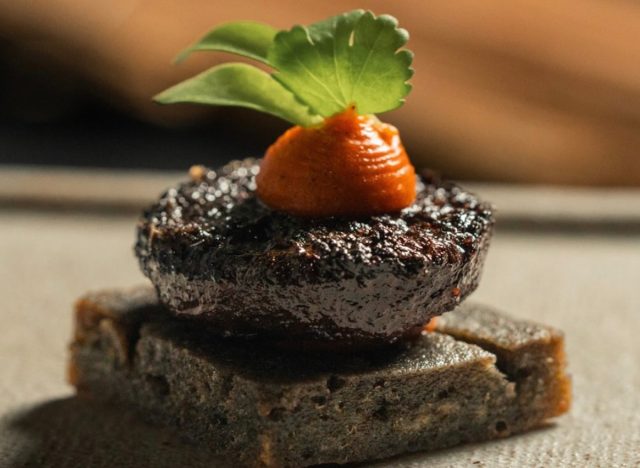
Moving south to Baltimore, Maryland, Charleston Restaurant represents a different, yet equally compelling, facet of American fine dining. This esteemed establishment is one of Chef Cindy Wolf’s acclaimed culinary ventures, and her influence is palpable. Chef Wolf, a perennial nominee for the prestigious James Beard Awards, masterfully synthesizes classical French culinary techniques with the vibrant, distinct flavors and traditions found in the Mid-Atlantic and Low Country regions. This fusion creates a unique gastronomic identity that is both sophisticated and deeply rooted in regional heritage. Jessica Formicola, a prominent chef, cookbook author, television personality, and the creative force behind Savory Experiments, counts Charleston Restaurant among her personal favorites. Formicola appreciates the restaurant’s commitment to a rotating seasonal tasting menu, which ensures a dynamic and never-stagnant culinary offering. This approach not only guarantees the freshest ingredients are always on the plate but also provides a continuous opportunity for the kitchen to showcase its creativity and adaptability, a quality highly valued by fellow chefs. The blend of rigorous French precision with the soulful essence of Southern American flavors offers a compelling and evolving dining narrative that keeps even the most experienced palates engaged and eager for the next seasonal iteration.
For those seeking an experience that marries approachability with elevated artistry, Sushi by Bou offers a distinctive omakase journey across various U.S. locations. This concept has garnered a loyal following, including Chef Jessica Formicola, who highlights its blend of high-quality sushi, engaging atmosphere, and remarkable value. Sushi by Bou distinguishes itself by making the traditionally formal and often intimidating omakase experience—where the chef selects and serves a progression of dishes—more accessible and interactive. While perhaps less widely known as a traditional chain, its multiple locations maintain a consistent standard of quality that resonates with culinary professionals. Formicola particularly enjoys the unique tasting experience, which often involves a direct, one-on-one interaction with the sushi chef. This allows for a personalized culinary dialogue, offering diners, and especially chefs, an intimate glimpse into the artistry and precision required for crafting exceptional sushi. The inclusion of carefully curated sake pairings further enhances the experience, demonstrating a holistic approach to Japanese dining that extends beyond just the food. The pop-up nature of some of its venues also contributes to its appeal, creating a sense of exclusivity and discovery within a relatively casual setting.
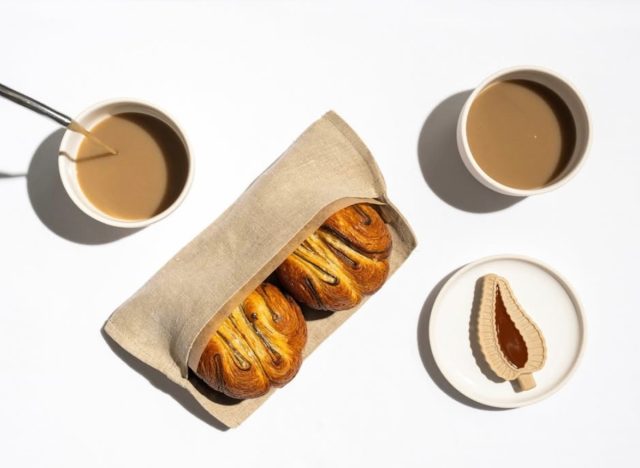
Elevating the global dining scene, Nobu has achieved iconic status, recognized worldwide for its groundbreaking Japanese-Peruvian fusion cuisine. Its expansive global presence and enduring popularity are partly attributable to high-profile partnerships, such as that with actor Robert De Niro, which helped launch its inaugural New York City outpost. Beyond its celebrity appeal, Nobu’s core strength lies in its inventive culinary creations and its consistently lively, stylish ambiance. Chef Jessica Formicola unequivocally declares Nobu a perennial favorite, a testament to its consistent quality and innovative spirit. She expresses a particular fondness for the restaurant’s signature salmon with hot sesame and olive oil, a dish that has become emblematic of Nobu’s unique flavor profile. This dish, with its perfect balance of rich fish, aromatic sesame, and fruity olive oil, exemplifies the restaurant’s ability to combine seemingly disparate culinary traditions into a harmonious and unforgettable bite. For a chef, the ability to consistently execute such an iconic dish across numerous international locations speaks volumes about the brand’s meticulous standards and its commitment to culinary excellence. Nobu’s influence extends beyond its own kitchens, having shaped contemporary dining trends and introduced a generation of diners to the exciting possibilities of fusion cuisine.
Finally, proving that culinary brilliance isn’t confined to major metropolitan hubs or high-end dining rooms, JoeJoeBobs in Flagstaff, Arizona, presents a compelling case for elevated casual dining. This establishment, celebrated for its gourmet sandwiches, offers a more low-key and budget-friendly option that nonetheless captivates the sophisticated palates of chefs. Brett Vibber, the accomplished chef behind Merkin Vineyards Hilltop Trattoria, enthusiastically endorses JoeJoeBobs, praising it as his go-to spot. For Chef Vibber, the appeal lies in the creative mind driving the kitchen—Chef Joe Rodger. Vibber highlights Rodger’s exceptional talent, noting that he crafts not only highly unique sandwiches but also innovative small plates that consistently push culinary boundaries. What truly distinguishes JoeJoeBobs, according to Vibber, is the unexpected presence of such "big city talent" within a smaller town setting. While it may be relatively straightforward to find exceptional dining experiences in major urban centers, discovering a chef operating at the pinnacle of their game in a more intimate community is a rarer and more treasured find. JoeJoeBobs demonstrates that culinary innovation and exceptional quality are not exclusive to a particular price point or geographic location, reinforcing the idea that passion and creativity can elevate even the most humble of dishes to extraordinary heights.
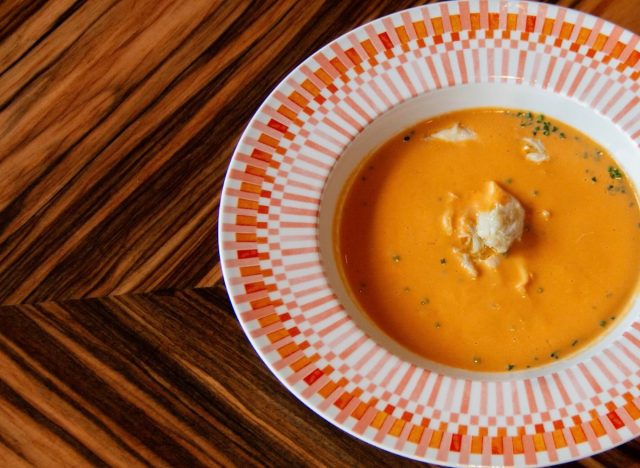
In summation, the collective choices of these esteemed chefs paint a fascinating portrait of the contemporary American dining scene. From the meticulous, seasonally driven fermentation techniques at Bruto and the groundbreaking plant-forward elegance of Eleven Madison Park, to the French-Low Country fusion at Charleston, the interactive omakase experience of Sushi by Bou, the global Japanese-Peruvian innovation of Nobu, and the surprising gourmet delights of JoeJoeBobs, a common thread emerges. Regardless of price point, culinary style, or location, each establishment demonstrates an unwavering commitment to quality ingredients, masterful technique, and a unique, memorable dining experience. These restaurants not only satisfy the discerning palates of those who live and breathe cuisine but also serve as inspiring examples of the diverse and dynamic culinary excellence flourishing across the United States. Their endorsements underscore that true culinary artistry lies in the passion, precision, and inventive spirit that consistently transform a simple meal into an unforgettable event.
About the Author